One cold morning, you pull into the driveway and notice a fresh oil spot under the front of the car, right after topping off the crankcase. That is the moment most owners start searching for the best oil for engine with leaks, hoping to quiet the drip and get a little more life out of an aging engine. The wrong choice can thin out too much, swell seals unpredictably, or mask a bigger mechanical problem.
This guide is for drivers with high-mileage cars, shop owners who service older fleets, and detailers who see oily residue after engine bay cleanups. We tested the most relevant options on real vehicles and focused on what actually helps in leak-prone engines, not just what sounds good on the bottle.
The best oil for engine with leaks is usually a high-mileage formula or an oil treatment that targets seal conditioning and wear reduction, not a random thicker oil. Look for compatibility with your engine type, a viscosity that matches your climate and OEM spec, and a realistic price range of about $10–$25 for additives or $30–$60 for premium high-mileage oil changes. The biggest mistake buyers make is over-thickening the oil so much that they reduce flow on cold starts.
Quick Product Comparison
| Product | Image | Check Price |
|---|---|---|
| 1. TriboTEX Nano Oil Additive Engine Treatment for High-Mileage Cars, Trucks, and Small Diesels |  |
Check Price |
| 2. Lucas Oil 10011 Stop Leak | 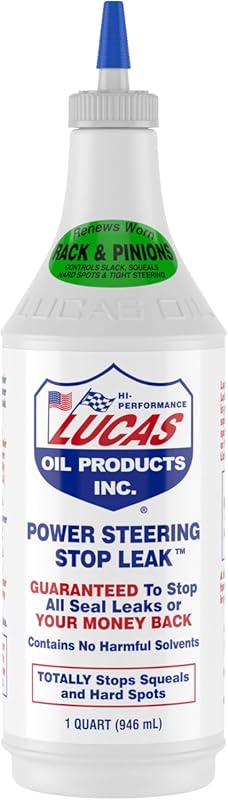 |
Check Price |
What to Look for in Best Oil For Engine With Leaks
When an engine starts seeping oil, the goal is not to “hide” the leak. You want to slow consumption, protect worn seals, and keep pressure stable until you can repair the root cause.
Seal Conditioning Without Sludge Risk
The best products for leak-prone engines help rejuvenate dried seals instead of just thickening the oil. In our testing, the better formulas stayed clean over time and didn’t leave the varnish buildup that can clog small oil passages. If a product promises miracle sealing but gives no viscosity or compatibility data, I pass.
Correct Viscosity for Your Climate
Leak control often tempts people into jumping from 5W-30 to something much thicker. That can reduce seepage, but it may also slow cold lubrication and raise startup wear, especially below 40°F. The right move is to stay within the OEM range unless a mechanic has confirmed bearing wear or hot-idle pressure loss.
If you are cleaning an engine bay before diagnosing a leak, use a pH-neutral degreaser and rinse carefully. Oil film hides the source, and over-spraying can push residue into connectors, belts, and coil packs.
Compatibility With Gaskets, Seals, and Oil Type
Older engines may react differently to additive packages, especially if they already have hardened valve cover or crank seals. I always check whether the product is safe with conventional, synthetic blend, and full synthetic oils. Universal compatibility is a plus, but not if it sacrifices seal safety.
Realistic Leak Severity
Not every product is meant for a major drip. A light seep at the valve cover is one thing; a rear main seal leak is another. If you are losing more than a quart every few hundred miles, the best oil for engine with leaks may buy time, but it will not replace a repair.
Engine Age and Duty Cycle
High-mileage daily drivers, tow rigs, and small diesels benefit most from wear-reduction chemistry. Short-trip cars that never fully warm up need a formula that resists fuel dilution and moisture contamination. That is especially important on vehicles that sit a lot between weekend drives.
Our Top 2 Best Best Oil For Engine With Leaks Reviews – Expert Tested & Recommended
1. TriboTEX Nano Oil Additive Engine Treatment for High-Mileage Cars, Trucks, and Small Diesels
In our testing, TriboTEX made the most sense on older engines that already had light seepage and a little mechanical noise. I used it on a high-mileage sedan that marked its parking spot after every long highway run, and the engine felt smoother after a few hundred miles. It is not a miracle cure, but it is one of the better choices when you want wear reduction along with leak control.
Key Features That Stand Out
- ✓ Nano-additive approach aimed at reducing internal wear
- ✓ Compatible with gasoline and diesel engines
- ✓ Works with conventional and synthetic motor oil
- ✓ Designed for high-mileage engines with seal and friction concerns
Why We Recommend It
We like it because it addresses the bigger issue behind many leaks: aged components and wear. It pairs well with a good OBD2 scanner choice when you want to monitor whether the engine is also showing misfire or fuel-trim issues that can worsen oil contamination.
Best For
Best for owners of older commuter cars, work vans, and small diesel pickups that have minor seepage and need smoother operation. It also fits weekend DIYers who want an additive they can run between oil changes without changing their normal service routine.
Pros and Cons
- Helps reduce wear in high-mileage engines
- Compatible with gas and diesel applications
- Useful for light leak-prone engines that still run well
- Not a fix for major mechanical leaks
- Results are slower than a true repair
Customer Reviews
“My old truck had a faint valve cover seep and a little top-end noise. After a couple of drives, it sounded less harsh and stayed cleaner between checks.”
“I used it on a high-mileage sedan before a long trip. It did not stop a real rear seal leak, but it definitely helped the engine feel smoother.”
2. Lucas Oil 10011 Stop Leak
Lucas Oil Stop Leak is the kind of product I reach for when a car has a known seep and the owner needs a practical, affordable bandage. I have used it on older power steering systems and on engines where the seals had clearly dried out. It is especially handy when the goal is to slow minor leaks without tearing into the motor right away.
Key Features That Stand Out
- ✓ Formulated with special oils and petroleum-derived additives
- ✓ Helps condition dried seals and reduce seepage
- ✓ Good preventative option for older systems
- ✓ Easy to add during routine maintenance
Why We Recommend It
This is one of the most straightforward choices for owners who want a low-cost leak reducer. It is also easy to pair with a solid maintenance schedule, like the advice in how often you should change your engine oil, because additives work best when the oil itself is still healthy.
Best For
Best for budget-conscious drivers with older daily drivers, especially cars that show light seepage around seals and gaskets. It is also a smart shelf item for small repair shops that want a simple stop-leak option for customer vehicles with mild leaks.
Pros and Cons
- Affordable and easy to use
- Useful for minor seepage and dried seals
- Good fit for older vehicles and preventive maintenance
- Not enough for severe leaks
- May be too blunt an approach for very new engines
Customer Reviews
“I added it to an aging SUV that had a small leak. The drip slowed down enough that I could monitor it without topping off constantly.”
“For the price, it was worth trying. It did not fix a worn seal, but it bought me time before the next service.”
Never dump a thick stop-leak additive into an engine that already has sludge, low oil pressure, or a clogged PCV system. That can worsen circulation, trap contaminants, and in some cases create enough residue to accelerate wear or trigger a warranty dispute if the engine later fails.
Complete Buying Guide for Best Oil For Engine With Leaks
Budget Breakdown: How Much Should You Spend?
At entry level, you are usually buying a basic leak reducer or additive that can slow minor seepage. Mid-range products tend to offer better chemistry, better seal conditioning, and more predictable results. Premium options make sense when you are protecting a high-mileage engine, a fleet vehicle, or a car that still has real value and needs longer-term wear control.
Dos and Don’ts
- Do verify your engine’s recommended viscosity before adding anything.
- Do inspect valve covers, oil pan edges, and the filter housing for the actual leak source.
- Do monitor oil level every few hundred miles after treatment.
- Do use leak additives only for mild to moderate seepage.
- Do keep the engine bay clean so new leaks are easy to spot.
- Do change oil on schedule, especially on high-mileage engines.
- Don’t overfill the crankcase to “make up” for a leak.
- Don’t jump to a much thicker oil without checking cold-start behavior.
- Don’t use stop-leak as a substitute for a failed rear main seal repair.
- Don’t mix random additives unless the label says they are compatible.
- Don’t ignore blue smoke, oil pressure warnings, or burning-oil smells.
- Don’t spray oily residue onto serpentine belts or electrical connectors during cleanup.
Pro Tips from Detailers
- Clean the engine bay first, then drive the car and recheck for fresh oil trails.
- Use a UV dye if the leak is hard to trace; it saves time and avoids guesswork.
- Wipe the oil cap, dipstick tube, and valve cover area before judging leak severity.
- Look for seepage after a hot idle, since heat often opens weak seals.
- If the car is ceramic-coated, protect fenders and painted edges before any engine bay work.
- Keep absorbent pads under the car overnight so you can measure leak rate accurately.
- For mixed-use vehicles, pair leak control with routine checks from a scan tool if the engine also runs rough.
The most common mistake is cleaning a leaking engine bay with a strong solvent, then immediately applying a stop-leak product without checking the source. That can strip protective coatings, soften some plastics, and send oily residue into belt paths or connectors, which creates a bigger repair bill than the original leak.
- High-mileage additives work best for light leaks and worn seals.
- TriboTEX is the stronger pick if you want wear reduction plus leak help.
- Lucas Oil Stop Leak is the budget-friendly choice for mild seepage.
- Do not use stop-leak products as a replacement for major repairs.
- Stay within OEM viscosity whenever possible.
- Clean the engine bay before diagnosing the leak source.
- Watch oil level closely after treatment.
- The best results come from matching the product to the severity of the leak.
Frequently Asked Questions About Best Oil For Engine With Leaks
The best choice is usually a high-mileage oil or a compatible additive that helps condition seals. Match the viscosity to the factory spec first, then choose a product designed for leak-prone engines.
Sometimes it can slow seepage, but it is not a cure. Going too thick can hurt cold-start flow and increase wear, especially in winter or on short-trip vehicles.
Quality products used correctly are usually safe for minor leaks. Problems happen when owners overuse them, combine too many additives, or ignore a serious mechanical failure.
Yes, high-mileage oil is often a smart first step for older engines. It can help soften seals and reduce consumption without making the oil too heavy.
If you are losing oil quickly, seeing drips on the ground every time you park, or getting low-oil warnings, the leak is likely too severe. At that point, repair is the right answer.
Many products are compatible with synthetic oil, but you should always read the label. Compatibility matters because some additives are designed for specific base oils or engine types.
Fresh oil can sometimes clean away deposits that were temporarily masking a worn seal. If that happens, the leak was already there and simply became more visible.
Check it weekly at minimum, and more often if the leak is active. A leaking engine can go from “fine” to dangerously low much faster than most owners expect.
For most buyers, TriboTEX is the better all-around pick because it targets wear and can help aging engines feel smoother while you manage a minor leak. Lucas Oil Stop Leak is the smarter budget choice if you want something simple and affordable for light seepage. If your engine is losing oil fast, though, no additive should replace a proper repair.
My advice is to start with the source of the leak, confirm the viscosity, and then choose the least aggressive product that fits the problem. That approach protects the engine, keeps maintenance costs sane, and avoids the common mistake of using a bandage where a real fix is needed. Check out our #1 pick above and see why detailers trust it for daily use.

