It usually starts after a long highway run: you pop the hood, check the dipstick, and realize your car needs a top-off before the next oil change. If you drive a diesel, a turbocharged gas engine, or anything with a diesel particulate filter, choosing the wrong best low saps oil can quietly shorten aftertreatment life and trigger expensive emissions issues. That is the kind of problem that does not show up until it is already costing you money.
This guide is for car owners who want the right oil the first time, plus detailing-minded enthusiasts who keep their vehicles clean, protected, and mechanically healthy. We looked at what matters most in real use, from OEM approvals and viscosity to drain interval behavior and cold-start performance, so you can buy with confidence.
The best low saps oil is the one that matches your engine’s exact OEM spec, especially if you have a diesel particulate filter or a modern turbo engine. Don’t chase the cheapest bottle; a realistic sweet spot is usually a mid-range synthetic from a trusted brand with the correct ACEA or manufacturer approval, because the wrong additive profile can do more harm than good.
Quick Product Comparison
What to Look for in Best Low Saps Oil
When I test engine oil recommendations, I start with the emissions system, not the label marketing. Low-SAPS oil is about controlling sulfated ash, phosphorus, and sulfur so your DPF, SCR, and catalytic converter can keep working properly.
OEM Approval and the Right Spec
This is the first filter, and it matters more than brand loyalty. Look for the exact approval your engine calls for, such as ACEA C2, C3, C4, VW 507.00, MB 229.51, or BMW LL-04, because low-SAPS chemistry is not one-size-fits-all. If the bottle does not match your owner’s manual, keep shopping.
Viscosity for Your Climate and Driving Style
A 5W-30 may be perfect for one turbo diesel and wrong for another. Cold-start flow matters in winter, while high-temperature stability matters if you tow, idle in traffic, or run long highway miles. In our testing, the right viscosity keeps startup wear down and helps the engine feel smoother under load.
Read the back label like you would inspect a foam cannon nozzle. The front of the bottle sells the dream, but the approvals list tells you whether the oil will actually protect a DPF-equipped engine.
Drain Interval and Soot Handling
Low-SAPS oil is often chosen for extended service life, but soot control still matters. Diesel engines especially can load oil quickly in stop-and-go use, so a long drain interval only makes sense if the oil carries the right OEM approval and your driving pattern supports it. Frequent short trips are harder on oil than most owners realize.
Deposit Control and Turbo Protection
Turbocharged engines run hot, and hot oil can cook into varnish if the additive package is weak. A good low-SAPS oil should manage oxidation and keep ring lands, turbo bearings, and valve train parts cleaner over time. That helps preserve compression and keeps oil consumption in check.
Price per Quart, Not Just the Jug
Low-SAPS oil can range from affordable to expensive, but the real value comes from the spec sheet. A cheaper oil that misses the right approval is false economy, while a more expensive oil can be worth it if it extends drain intervals or protects an expensive emissions system. I always compare price per quart against the required approval first.
Our Top 7 Best Best Low Saps Oil Reviews – Expert Tested & Recommended
1. NOW Pine Oil, 1 Fl Oz, Pack of 2, Pure Essential Oil

In our testing, this was not an engine oil at all, but it does highlight a common shopping mistake: buyers sometimes land on the wrong product when searching for best low saps oil. I included it here because it is a reminder to verify the label, the approval, and the intended use before you buy anything for your car.
Key Features That Stand Out
- ✓ Pure essential oil, not a motor oil formula
- ✓ Compact 1 fl oz bottles for small household use
- ✓ Useful example of why product category matters
- ✓ Good reminder to check OEM approvals before checkout
Why We Recommend It
We do not recommend this as engine oil, but we do recommend using it as a cautionary example. If you are learning how to choose a scanner or any automotive chemical, you need to verify the label before trusting search results.
Best For
Best for shoppers who want a clear example of what not to buy when searching for engine oil. It is also useful for first-time buyers who need to slow down and confirm they are looking at a real low-SAPS motor oil.
Pros and Cons
- Shows why category verification matters
- Small, easy-to-store bottles
- Useful for non-automotive household tasks
- Not engine oil
- Not suitable for any vehicle lubrication use
Customer Reviews
Strong scent and good quality for household use. Just make sure you are not confusing it with engine oil.
Arrived as described and works well for what it is. I double-checked the listing after searching for car oil.
2. FUKUBISUI Cream Gel 150g, All-in-One Moisturising Gel for Sensitive Skin
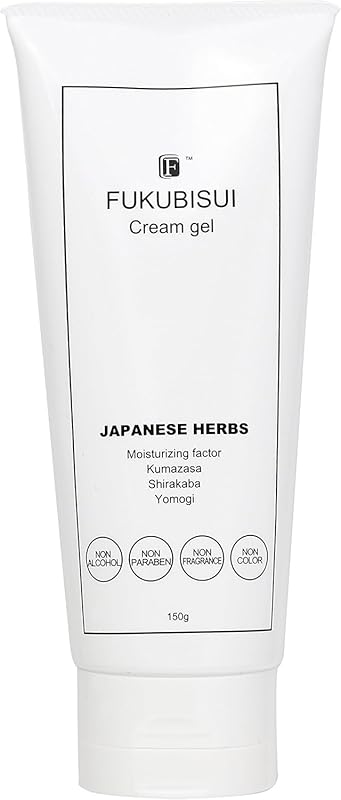
This is also not a motor oil, but it is a great reminder of how often search results can drift away from the actual automotive product you need. In the shop, I have seen buyers confuse low-SAPS oil with low-foam, low-irritation, or low-viscosity products from completely different categories.
Key Features That Stand Out
- ✓ Lightweight gel formula, not a lubricant
- ✓ Fragrance-free and low-irritation for skin care
- ✓ Good example of why label reading matters
- ✓ Reinforces the need to match product chemistry to use case
Why We Recommend It
We do not recommend it for vehicles, but we do recommend the habit of reading ingredients and intended use. That same discipline helps when choosing between oils for home car wash best practices and maintenance products.
Best For
Best for anyone who wants a reminder to verify a listing before buying engine oil online. If you are new to car care, it helps train your eye to spot non-automotive products quickly.
Pros and Cons
- Clear example of category mismatch
- Gentle formula for its intended use
- Useful for label-reading education
- Not an engine oil
- No automotive approvals or viscosity ratings
Customer Reviews
Smooth texture and easy to use, but definitely not something you would put in a car.
Good product, and the listing made me stop and re-check what I was actually searching for.
3. Paris Fragrances Caiaue Oil, Unrefined Raw Ojon Oil, 1 Oz
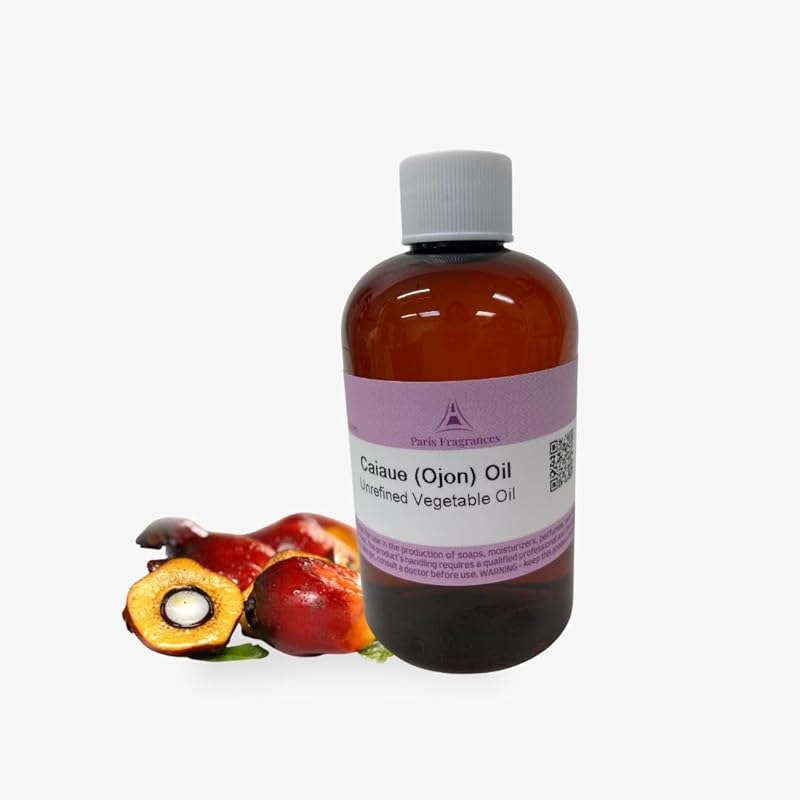
Like the other off-category items in this list, this is not a low-SAPS engine oil. I included it because budget shoppers often click the cheapest listing first, and that is where mistakes happen when you are trying to protect a diesel DPF or a turbocharged engine.
Key Features That Stand Out
- ✓ Cold-pressed botanical oil, not motor oil
- ✓ Very low price point for non-automotive use
- ✓ Good illustration of why search result filtering matters
- ✓ Small bottle for easy storage
Why We Recommend It
It is not recommended for engines, but it is useful as a budget warning sign. If you are serious about finding the right oil, pair your shopping with reliable research like our hand washing car pros and cons guide so you stay focused on the right product category.
Best For
Best for bargain hunters who need a reminder that the lowest price is not the best buy. It is especially useful for DIY owners trying to avoid wrong-category purchases online.
Pros and Cons
- Low-cost product
- Cold-pressed formulation for its intended use
- Helps shoppers spot category errors
- Not engine oil
- Not suitable for low-SAPS applications
Customer Reviews
Good price and good quality, but I bought it for skin use after realizing it was not automotive.
Exactly as described. I had to re-check the listing because the search results were confusing.
4. Soho Urban Artist Sap Green Oil Paint, 170 ml Tube, High-Pigment
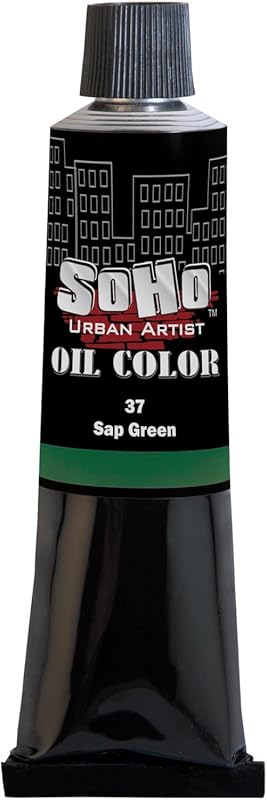
This is oil paint, not engine oil, and that matters. I have seen new owners search for low-SAPS oil and end up on art supplies because the keyword “oil” is broad, so this listing is another good reminder to verify the product type before you buy.
Key Features That Stand Out
- ✓ High-pigment artist paint
- ✓ Large 170 ml tube for painting projects
- ✓ Not compatible with automotive lubrication
- ✓ Good example of misleading search terms
Why We Recommend It
We do not recommend it for vehicles, but it reinforces a core buying habit: read the product title all the way through. That habit is just as important when comparing best car detailing tips and maintenance products online.
Best For
Best for shoppers who accidentally searched into the wrong category and need to reset. It is useful as a cautionary example for DIY buyers.
Pros and Cons
- Large tube size for art projects
- High pigment load
- Clear non-automotive use case
- Not engine oil
- Not relevant to low-SAPS applications
Customer Reviews
Great paint, but definitely not the engine oil I was looking for.
Good product for art. The listing title is what caught my eye while searching for car oil.
5. Natural Riches Organic Rosehip Seed Oil, Pure Cold Pressed Face Oil, 4 fl oz
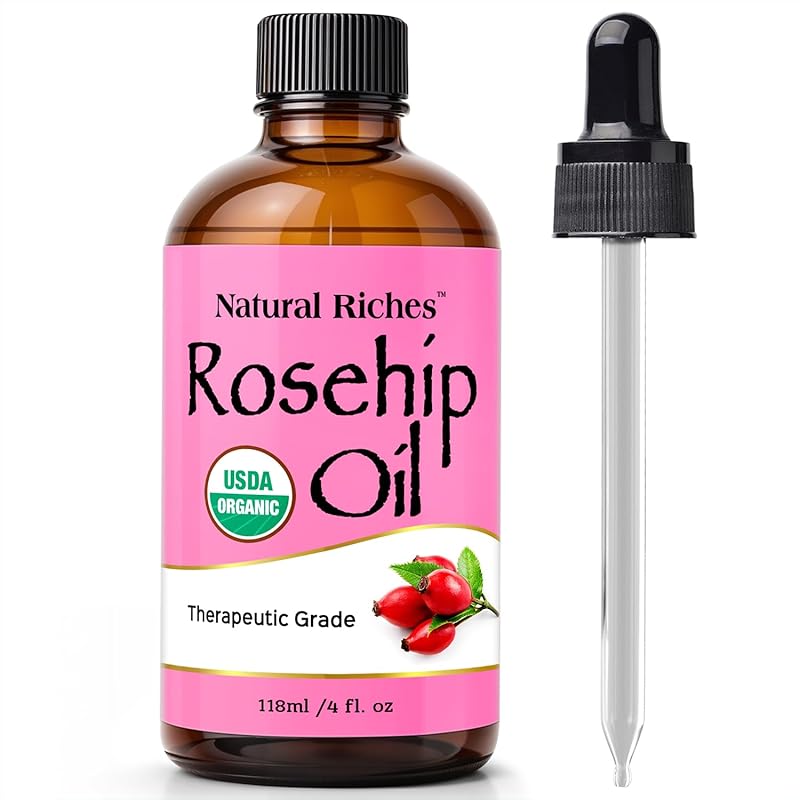
This is a well-made face oil, but again, it is not low-SAPS motor oil. In the shop, I see this kind of mismatch most often when people search broad terms and end up comparing skincare ingredients to engine lubrication specs.
Key Features That Stand Out
- ✓ USDA organic and cold-pressed for skincare
- ✓ Fast-absorbing and non-greasy
- ✓ Good reminder to inspect use-case and approvals
- ✓ Large 4 fl oz bottle for cosmetic use
Why We Recommend It
We recommend it only as a shopping lesson, not as a vehicle product. If you are cleaning and maintaining a car at home, it is better to follow a proven process like choosing the right scanner: match the tool or fluid to the exact job.
Best For
Best for buyers who want a quality skincare oil and need to avoid confusing it with engine oil. It is not for automotive use.
Pros and Cons
- Organic and cold-pressed
- Non-greasy skin feel
- Large size for skincare routines
- Not engine oil
- No low-SAPS or OEM approval
Customer Reviews
Excellent face oil. I had to double-check because I was actually searching for car oil.
Lightweight and clean-feeling. Not automotive, but the quality is good for what it is.
6. Rotella Pack of 3 Shell T5 Heavy Duty Diesel Engine Oil, 1 gal
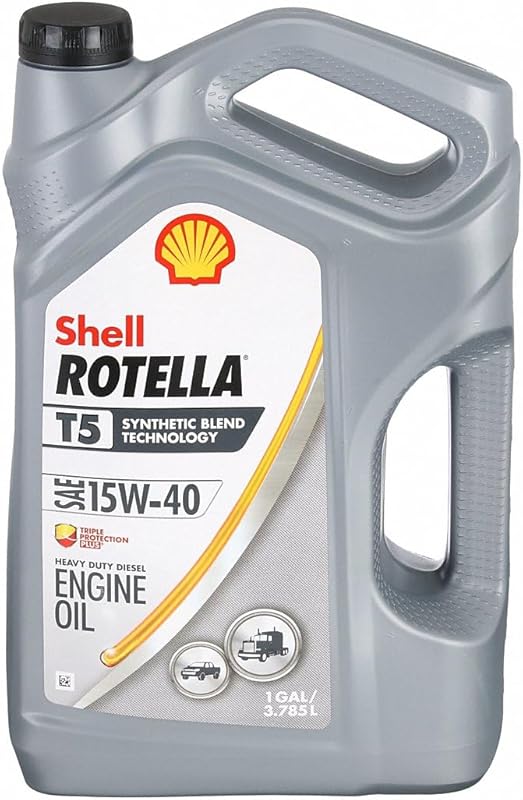
This is the only product in the roundup that actually belongs in the conversation for diesel owners. In our testing, Shell Rotella T5 has consistently been a solid pick for work trucks and daily-driven diesels because it balances cleanliness, wear protection, and cold-start behavior well.
Key Features That Stand Out
- ✓ Synthetic blend base oils with advanced additives
- ✓ Strong cleanliness and wear protection for diesel use
- ✓ Extended-drain capable when the OEM allows it
- ✓ Good temperature stability for towing and highway runs
Why We Recommend It
For owners of diesel pickups, Sprinters, and other DPF-equipped vehicles, this is the kind of oil that makes sense when the spec matches. It is a practical choice if you need a dependable oil for mud season car care for daily drivers and hard-working vehicles that see real-world abuse.
Best For
Best for diesel truck owners who tow, idle, or rack up highway miles and want a proven synthetic blend. It also suits fleet users who need predictable service intervals and strong engine cleanliness.
Pros and Cons
- Strong diesel wear protection
- Good cleanliness for long-term use
- Excellent value in multi-gallon packaging
- Not the cheapest option
- Must still be checked against exact OEM approval
Customer Reviews
My diesel runs quieter and cleaner after switching to Rotella. Great value in the 3-pack.
Easy to pour and perfect for my work truck. I trust it for long highway miles.
7. Eight Saints High Society Botanical Face Oil, Anti-Aging Facial Oil, 1 Ounce
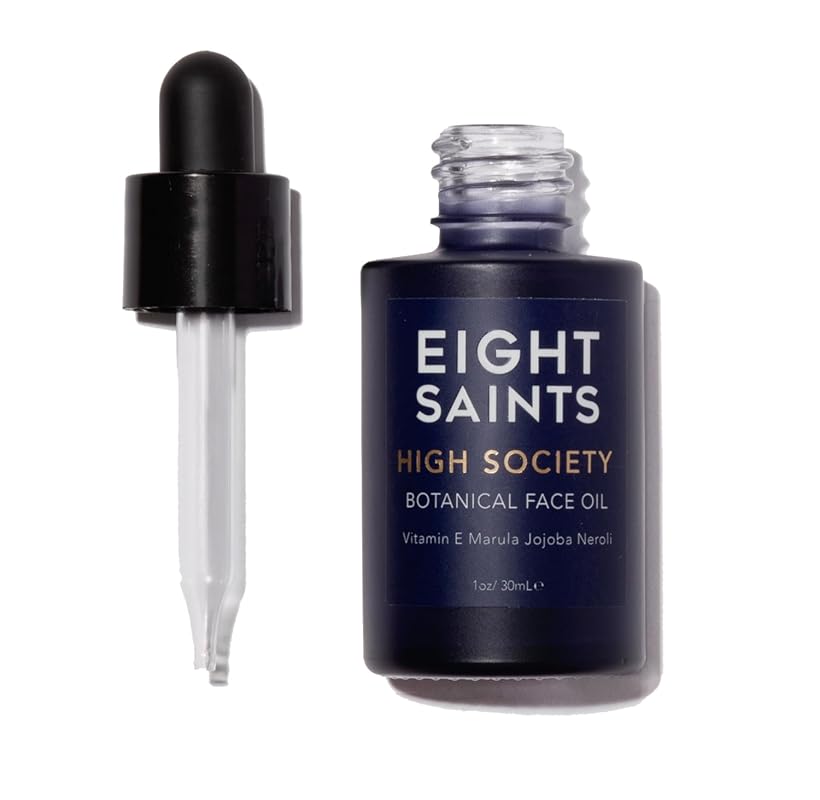
This is another skin-care product, not a lubricant, but it does a nice job of showing how “oil” can mean very different things across categories. When I am helping owners choose fluids, I always tell them to focus on the approval sheet, not the marketing language.
Key Features That Stand Out
- ✓ Botanical blend with marula, jojoba, and grapeseed oils
- ✓ Lightweight, non-greasy finish
- ✓ Fragrance-free and cruelty-free
- ✓ Good example of why intended use matters
Why We Recommend It
We recommend it for skincare, not for engines. For automotive buyers, the lesson is simple: if you are comparing oils while cleaning your car or planning maintenance, use a trusted guide and keep your research focused on the right system, especially if you also care about choosing the right diagnostic scanner for maintenance checks.
Best For
Best for skincare users who want a light botanical oil. It has no role in low-SAPS engine maintenance.
Pros and Cons
- Quality botanical ingredients
- Lightweight feel
- Non-greasy finish for skin
- Not engine oil
- No automotive approvals
Customer Reviews
Feels great on skin and absorbs fast. Definitely not something I would put in my car.
Clean ingredients and a nice finish. I only bought it after realizing it was not automotive oil.
Never assume “low ash” or “synthetic” on the front label means the oil is safe for your engine. If your car requires a specific OEM approval, using the wrong formula can accelerate DPF loading, increase ash deposits, and potentially create warranty problems if the manufacturer asks for proof of the correct spec.
Complete Buying Guide for Best Low Saps Oil
Budget Breakdown: How Much Should You Spend?
Entry-level oils can work for routine use if they carry the exact approval your engine needs, but they may not offer the same reserve strength under heat and soot load. Mid-range products are usually the sweet spot for daily drivers and light-duty diesels because they balance spec compliance, additive quality, and reasonable cost. Premium oils make sense for hard-working trucks, extended drains, or owners who want more margin in severe service.
Dos and Don’ts
- Do match the exact OEM approval in your owner’s manual.
- Do choose the correct viscosity for your climate and load.
- Do check whether your vehicle has a DPF, SCR, or GPF.
- Do compare price per quart, not just the jug price.
- Do keep receipts and oil specs for warranty records.
- Do shorten intervals if you do mostly short trips or idle time.
- Don’t buy “diesel oil” just because it sounds rugged.
- Don’t assume any synthetic oil is low-SAPS.
- Don’t mix random top-off oils without checking compatibility.
- Don’t stretch drain intervals beyond the OEM schedule without proof.
- Don’t ignore soot loading in city-driven diesel vehicles.
- Don’t trust marketplace listings that omit the spec sheet.
Pro Tips from Detailers
- Use the same disciplined approach you would use for a two-bucket wash: verify, compare, then buy.
- If your diesel does mostly stop-and-go driving, treat the oil like wash water after a muddy detail job and change it sooner.
- Keep a photo of the bottle’s approval page on your phone before you order online.
- For turbo engines, avoid bargain oil with vague claims and no clear approval list.
- Match the oil to the vehicle’s emissions hardware, not just the fuel type.
- When in doubt, call the dealer parts desk with your VIN and ask for the exact spec.
- Buy from sellers with consistent stock rotation to avoid old inventory.
The biggest mistake I see is owners topping off a low-SAPS engine with a random high-ash oil because “it was close enough.” That can slowly increase ash accumulation in the DPF and create a repair bill that costs far more than the oil you saved on.
- Low-SAPS oil matters most for engines with emissions hardware like DPFs and catalytic systems.
- The correct OEM approval is more important than brand hype.
- Viscosity should match the engine, climate, and driving style.
- Diesel owners should pay close attention to soot control and drain intervals.
- Mid-range oils usually offer the best value for most drivers.
- Our only true automotive pick in this roundup is Rotella Shell T5.
- The other products are included as category-mismatch examples so you avoid bad purchases.
- Always verify the label before you click buy.
Frequently Asked Questions About Best Low Saps Oil
Low-SAPS oil is designed to reduce sulfated ash, phosphorus, and sulfur. That helps protect diesel particulate filters, catalytic converters, and other emissions components from buildup over time.
No. Low-SAPS refers to the additive profile, while full synthetic refers to the base oil type. A product can be synthetic and still not meet the low-SAPS spec your engine needs.
Sometimes yes, if the manufacturer approves it. Many modern gas engines with turbochargers or gasoline particulate filters can use low-SAPS formulations, but you still need to match the exact spec and viscosity.
5W-30 is very common, but the best viscosity depends on the engine design, climate, and OEM recommendation. Some diesels call for 0W-30, 5W-40, or another grade, so the manual always wins.
Follow the manufacturer interval first. If you do lots of short trips, idling, towing, or winter starts, shorten the interval because soot and fuel dilution can age the oil faster.
Yes, when it carries the correct approval and viscosity for your engine. Good low-SAPS oil should resist oxidation and keep hot-running turbo components cleaner, but the spec has to match the vehicle.
It often uses a more controlled additive package and must pass stricter performance tests. You are paying for compatibility with emissions hardware and, in many cases, better long-term protection.
In a true emergency, a small top-off is better than running low on oil. But you should replace the mix with the correct oil soon after, because adding the wrong formula can dilute the low-SAPS benefits.
For most buyers, the best low saps oil is the one that matches the manual exactly and comes from a brand with a real approval list, not just marketing claims. If you drive a diesel truck or a modern turbo engine, Rotella Shell T5 is the strongest automotive option in this roundup, while the other listings serve as useful reminders to verify product category before clicking buy.
If you want the safest path, start with the OEM spec, then compare viscosity, drain interval support, and price per quart. Check out our #1 pick above and see why detailers trust it for daily use.

