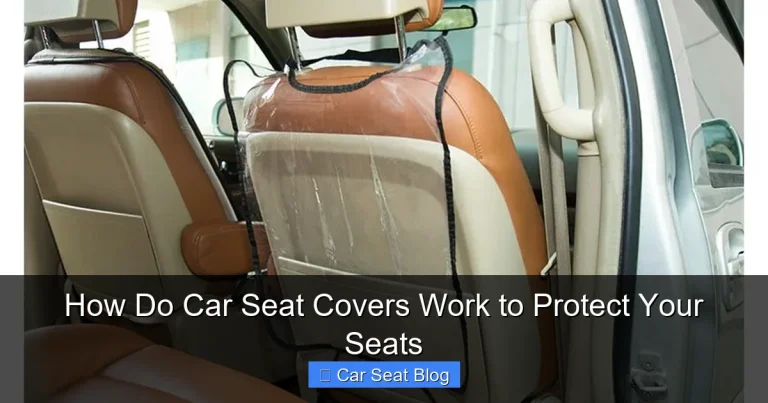
Are Car Seat Covers Necessary for Your Vehicle

Car seat covers can protect your vehicle’s interior, improve comfort, and maintain resale value. This guide helps you decide if they’re right for your lifestyle and how to choose the best ones.
Quick Answers to Common Questions
Tip/Question?
Can I wash my seat covers in the washing machine?
Yes, if they’re made of machine-washable fabric like polyester or neoprene. Always check the care label first and use a gentle cycle with cold water.
Tip/Question?
Do seat covers work with heated seats?
Most modern seat covers are designed to be compatible with heated seats, but avoid thick, insulating materials that block heat transfer. Look for “heated seat safe” labels.
Tip/Question?
Will seat covers void my car’s warranty?
No, installing seat covers does not void your vehicle’s warranty. Just ensure they don’t interfere with airbags or sensors.
Tip/Question?
How often should I clean my seat covers?
Clean them every 1–2 months, or immediately after spills. Regular maintenance extends their life and keeps your car smelling fresh.
Tip/Question?
Can I install seat covers myself?
Absolutely! Most covers come with instructions and require no tools. Installation typically takes 15–30 minutes per seat.
Are Car Seat Covers Necessary for Your Vehicle?
So, you’re wondering: Are car seat covers really necessary? The short answer? Not always—but for most drivers, they’re a smart, practical upgrade. Whether you’ve just bought a new car or you’re trying to keep your current ride in top shape, seat covers can make a big difference. In this guide, we’ll walk you through everything you need to know about car seat covers—why they matter, when they’re worth it, how to choose the right ones, and how to install and maintain them properly.
By the end of this article, you’ll have a clear understanding of whether seat covers are right for your vehicle and lifestyle. We’ll cover the benefits, types, installation tips, and even troubleshoot common issues. Let’s get started!
Why Consider Car Seat Covers?
Car seat covers aren’t just about looks—they serve real, everyday purposes. Here’s why many drivers swear by them:

Visual guide about Are Car Seat Covers Necessary for Your Vehicle
Image source: dirtroads.com.au
Protect Your Original Upholstery
Factory seats are expensive to replace or reupholster. Even high-quality fabric or leather can stain, fade, or tear over time. Seat covers act as a barrier against spills (think coffee, soda, or muddy shoes), pet claws, and general wear. If you have kids or pets, this protection is almost essential.
Maintain Resale Value
A car with clean, undamaged seats will always fetch a higher price on the resale market. Seat covers help preserve the original condition of your seats, which can pay off when it’s time to sell or trade in your vehicle.
Enhance Comfort
Some seat covers are designed with extra padding or breathable materials that improve comfort, especially on long drives. Neoprene covers, for example, stay cool in summer and warm in winter. Heated seat covers are also available for colder climates.
Personalize Your Interior
Want your car to stand out? Seat covers come in countless colors, patterns, and textures—from sleek black leather to bold camo prints. They’re an easy way to refresh your car’s look without a full interior overhaul.
Easy to Clean and Replace
Unlike built-in upholstery, most seat covers can be removed and cleaned. Many are machine-washable or simply wiped down with a damp cloth. If they get too worn, you can replace them without touching the original seats.
When Are Car Seat Covers Most Useful?
While seat covers aren’t mandatory, they’re highly recommended in certain situations:
If You Have Pets
Dogs and cats shed, drool, and sometimes have accidents. A durable, waterproof seat cover can save your seats from fur, odors, and stains. Look for pet-specific designs with non-slip backing and side flaps for extra protection.
If You Have Young Children
Car seats, snacks, and sippy cups are a recipe for mess. Waterproof and stain-resistant covers make cleanup a breeze. Some even come with built-in seat protectors to prevent damage from child car seats.
If You Live in Extreme Climates
In hot areas, leather seats can get scorching. In cold regions, fabric seats can feel icy. Seat covers made from breathable mesh or insulated materials can regulate temperature and improve comfort.
If You Use Your Car for Work or Outdoor Activities
Construction workers, campers, and delivery drivers often track dirt, grease, or moisture into their vehicles. Heavy-duty seat covers can handle the abuse and keep your car looking professional.
Types of Car Seat Covers
Not all seat covers are created equal. Here are the most common types and their pros and cons:
Neoprene Seat Covers
Made from the same material as wetsuits, neoprene is waterproof, durable, and resistant to mildew. It’s great for wet climates or people who sweat a lot. It also provides a snug, custom-like fit. However, it can be pricey and may trap heat in very hot weather.
Leather and Faux Leather
Leather looks luxurious and is easy to wipe clean, but real leather can crack over time and gets hot in the sun. Faux leather (also called PU leather) is more affordable and resistant to fading, but may not last as long.
Polyester and Fabric Covers
These are budget-friendly and come in many colors and patterns. They’re comfortable and breathable but may not be as durable or stain-resistant as other materials. Look for treated fabrics with water-repellent coatings.
Mesh and Breathable Covers
Ideal for hot climates, mesh covers allow air to circulate, reducing sweat and discomfort. They’re lightweight but may not offer as much protection against spills.
Custom-Fit vs. Universal Fit
Custom-fit covers are tailored to your specific car model and provide a sleek, factory-like appearance. Universal covers are cheaper and fit a range of vehicles but may bunch up or slip. For best results, go custom.
How to Choose the Right Seat Covers
Picking the perfect seat covers involves more than just color. Follow these steps to make the right choice:
Step 1: Assess Your Needs
Ask yourself: Do I need waterproofing? Extra padding? Pet protection? Your lifestyle will dictate the best material and features.
Step 2: Measure Your Seats
Even if you’re buying custom-fit covers, double-check your seat dimensions. Note whether you have side airbags, seat heaters, or adjustable headrests—these affect compatibility.
Step 3: Check Compatibility
Ensure the covers are designed for your car’s make, model, and year. Some covers won’t work with side airbags unless they have special stitching or openings.
Step 4: Read Reviews
Look for feedback on durability, fit, and ease of installation. Real customer photos can show how the covers look after months of use.
Step 5: Set a Budget
Prices range from $20 for basic universal covers to $300+ for premium custom sets. Balance cost with quality—cheap covers may wear out quickly.
How to Install Car Seat Covers
Installing seat covers is usually straightforward, but doing it right ensures a clean, secure fit.
Step 1: Clean Your Seats
Vacuum and wipe down your seats before installation. Any dirt or crumbs can get trapped underneath and cause discomfort.
Step 2: Remove Headrests (If Needed)
Most covers require you to take off the headrests. Check your car’s manual if you’re unsure how.
Step 3: Slide the Cover On
Start from the top and work your way down. Pull the cover snugly over the seat, making sure it aligns with seams and contours.
Step 4: Secure with Straps and Hooks
Use the included straps, hooks, or Velcro to anchor the cover. Tighten them evenly to prevent shifting.
Step 5: Reattach Headrests and Adjust
Put the headrests back in place and adjust the cover so it lies flat. Smooth out any wrinkles or bunching.
Step 6: Test for Airbag Compatibility
If your car has side airbags, make sure the cover doesn’t block the deployment path. Look for labels or stitching that indicate airbag-safe design.
Troubleshooting Common Issues
Even the best seat covers can have problems. Here’s how to fix common ones:
Covers Keep Slipping
This usually happens with universal covers or loose straps. Try tightening all fasteners or switching to a custom-fit model. Non-slip liners can also help.
Wrinkles or Bunching
Reinstall the cover, pulling it tighter from the top. Some materials (like neoprene) relax over time—give it a few days to settle.
Fading or Staining
Avoid direct sunlight when possible. Use UV-protectant sprays for fabric covers. For stains, clean promptly with the recommended cleaner for your material.
Unpleasant Odors
Wash removable covers regularly. For non-washable types, use odor-neutralizing sprays or baking soda treatments.
Airbag Warning Light On
If your car’s airbag light comes on after installation, the cover may be interfering with the sensor. Remove the cover and check for obstructions. Consult a mechanic if the issue persists.
Do You Really Need Seat Covers?
So, back to the original question: Are car seat covers necessary? The truth is, they’re not legally required—but they’re highly beneficial for most drivers. If you value cleanliness, comfort, and long-term vehicle value, seat covers are a worthwhile investment. They’re especially useful if you have kids, pets, or a busy lifestyle.
That said, if you drive a classic car with irreplaceable original upholstery, or if you rarely use your vehicle, you might skip them. But for the average driver, seat covers offer peace of mind and practical advantages that far outweigh the cost.
🎥 Related Video: don’t buy seat 💺 covers!why?
📺 CarSutra
Final Thoughts
Car seat covers are more than just accessories—they’re protective gear for your vehicle’s interior. Whether you’re shielding against spills, adding comfort, or boosting style, the right covers can make your driving experience better. Take the time to choose quality materials, ensure a proper fit, and maintain them regularly. Your seats (and your future self) will thank you.