Are Car Seat Covers Good for Your Vehicle

Car seat covers are more than just a style upgrade—they protect your seats from spills, stains, and wear. This guide breaks down the pros and cons, helps you choose the right material, and shows you how to install them for long-lasting results.
Quick Answers to Common Questions
Tip/Question?
Can I install seat covers myself?
Yes! Most covers are designed for easy DIY installation. Just follow the instructions and allow 20–30 minutes.
Tip/Question?
Do seat covers work with heated seats?
Yes, but choose thin, breathable materials like neoprene or mesh. Avoid thick fleece, which can block heat.
Tip/Question?
Are seat covers safe with airbags?
Only if they’re labeled “airbag compatible.” Never use covers that block side airbag deployment.
Tip/Question?
How often should I wash my seat covers?
Every 2–4 weeks, or immediately after spills. Check the care label for washing instructions.
Tip/Question?
Can seat covers increase my car’s value?
Yes! Protected, clean seats make your car more appealing to buyers and can boost resale price.
Are Car Seat Covers Good for Your Vehicle?
If you’ve ever spilled coffee on your car seat or watched your dog track mud across the upholstery, you’ve probably wondered: *Are car seat covers good?* The short answer is yes—when chosen and used correctly, car seat covers are a smart investment for any vehicle owner. They protect your seats, improve comfort, and can even boost your car’s resale value.
But not all seat covers are created equal. In this complete guide, you’ll learn everything you need to know about car seat covers—from the benefits and types to installation tips and common mistakes to avoid. Whether you drive a compact sedan or a rugged SUV, this guide will help you decide if seat covers are right for you and how to get the most out of them.
Why Use Car Seat Covers? The Top Benefits
Car seat covers do more than just look nice. They serve practical, long-term purposes that can save you time, money, and stress.
1. Protect Against Wear and Tear
Daily use takes a toll on your car’s interior. Sunlight fades fabric, friction wears down materials, and spills leave permanent stains. Seat covers act as a barrier, absorbing the damage so your original seats stay in great shape. This is especially important if you have kids, pets, or frequently transport passengers.
2. Resist Spills and Stains
Accidents happen. Whether it’s a dropped sandwich, a leaking water bottle, or muddy shoes, seat covers can prevent liquids from soaking into your upholstery. Many modern covers are water-resistant or waterproof, making cleanup as simple as wiping with a damp cloth.
3. Keep Pet Hair and Dander Under Control
Pet owners know the struggle of vacuuming fur out of car seats. Seat covers—especially those made from easy-clean materials like neoprene or polyester—trap hair and can be removed and washed regularly. Some even come with non-slip backing to keep pets secure during rides.
4. Improve Comfort and Temperature Control
Leather seats can get scorching hot in summer or freezing in winter. Fabric seats may lack cushioning on long drives. Seat covers can add padding, reduce heat buildup, and provide better grip. For example, neoprene covers stay cool in summer and warm in winter, offering year-round comfort.
5. Enhance Aesthetic Appeal
Want to give your car a fresh look? Seat covers come in countless colors, patterns, and textures—from sleek black leather to bold racing stripes. You can customize your interior without the cost of a full upholstery job.
6. Increase Resale Value
A clean, well-maintained interior is a major selling point. By protecting your seats with covers, you preserve the original upholstery, which can significantly boost your car’s resale value. Buyers are more likely to pay a premium for a vehicle that looks cared for.
Types of Car Seat Covers: Which One Is Right for You?
Not all seat covers are the same. The best choice depends on your lifestyle, climate, and vehicle type. Here’s a breakdown of the most popular materials:
1. Neoprene Seat Covers
Made from the same material as wetsuits, neoprene is durable, water-resistant, and flexible. It’s ideal for people who live in wet climates or enjoy outdoor activities like fishing or hiking. Neoprene resists fading, mildew, and odors, and it provides a snug, custom-like fit.
Best for: SUVs, trucks, outdoor enthusiasts, and pet owners.
2. Leather and Faux Leather Covers
Leather covers offer a premium, luxurious look and are easy to wipe clean. Faux leather (also called vegan leather) is a more affordable and eco-friendly alternative that mimics the real thing. Both are great for adding sophistication to your ride.
Best for: Luxury vehicles, business professionals, and those who want a sleek appearance.
3. Polyester and Mesh Covers
Lightweight and breathable, polyester covers are budget-friendly and come in many designs. Mesh versions improve airflow, making them great for hot climates. However, they may not be as durable as other materials.
Best for: Everyday drivers, students, and those on a tight budget.
4. Sheepskin and Fleece Covers
These soft, plush covers provide extra warmth and comfort, especially in cold weather. They’re perfect for winter driving but may trap heat in summer.
Best for: Cold climates, long commutes, and comfort seekers.
5. Custom-Fit vs. Universal Fit
Custom-fit covers are designed specifically for your car’s make and model, offering a tailored look and better protection. Universal covers are cheaper and fit a range of vehicles but may not hug the seat as tightly.
Tip: Always check compatibility with side airbags and seat heating/cooling systems before buying.
How to Choose the Right Car Seat Covers
Picking the perfect seat covers involves more than just color. Follow these steps to make the right choice:
Step 1: Measure Your Seats
Use a tape measure to check the width, depth, and height of your front and rear seats. Note any unique features like headrests, armrests, or built-in seat belts. This ensures a proper fit.
Step 2: Consider Your Lifestyle
Ask yourself:
– Do you have kids or pets?
– Do you drive in rain, snow, or extreme heat?
– Do you frequently eat or drink in the car?
Your answers will help narrow down the best material and features.
Step 3: Check Safety Compatibility
Never compromise safety. Make sure the covers you choose don’t block airbags, seat belt buckles, or child seat anchors. Look for covers labeled “airbag compatible” or “side-impact safe.”
Step 4: Read Reviews and Compare Brands
Check customer reviews on trusted sites like Amazon, AutoZone, or CarID. Look for feedback on fit, durability, and ease of cleaning. Avoid no-name brands with no return policy.
Step 5: Set a Budget
Seat covers range from $20 to $300+. While cheaper options may seem tempting, they often wear out quickly or don’t fit well. Invest in quality—your seats will thank you.
How to Install Car Seat Covers (Step-by-Step)
Installing seat covers is easier than you think. Most are designed for DIY setup in under 30 minutes.
Step 1: Clean Your Seats
Vacuum and wipe down your seats to remove dust, crumbs, and debris. A clean surface helps the covers stay in place.
Step 2: Unpack and Identify Parts
Lay out all pieces and check the instructions. Most kits include covers for front seats, rear bench, headrests, and straps or hooks.
Step 3: Start with the Front Seats
– Remove the headrest (if needed).
– Slide the cover over the seat, aligning it with the contours.
– Use included straps, hooks, or Velcro to secure the cover underneath.
– Reattach the headrest through the designated slot.
Step 4: Install Rear Seat Covers
– Fold down the rear seats if necessary.
– Drape the cover over the seat and backrest.
– Tuck excess fabric into gaps and secure with straps.
– Ensure seat belts remain accessible.
Step 5: Adjust and Tighten
Smooth out wrinkles and pull straps tight to prevent slipping. Sit in the seat to test comfort and fit.
Pro Tip: Take photos before removing old covers—this helps with reinstallation later.
Maintaining Your Car Seat Covers
To keep your covers looking great, follow these care tips:
– Wash regularly: Machine-wash removable covers every 2–4 weeks (check care label).
– Spot clean spills immediately: Use a damp cloth and mild detergent.
– Air dry: Avoid dryers, which can shrink or damage materials.
– Use protectant sprays: Apply fabric or leather protectors to repel stains and UV rays.
– Rotate covers: If you have multiple sets, switch them to extend lifespan.
Troubleshooting Common Issues
Even the best covers can have problems. Here’s how to fix them:
Problem: Covers Keep Slipping
Solution: Use non-slip pads or double-sided tape underneath. Make sure straps are tight and hooks are secure.

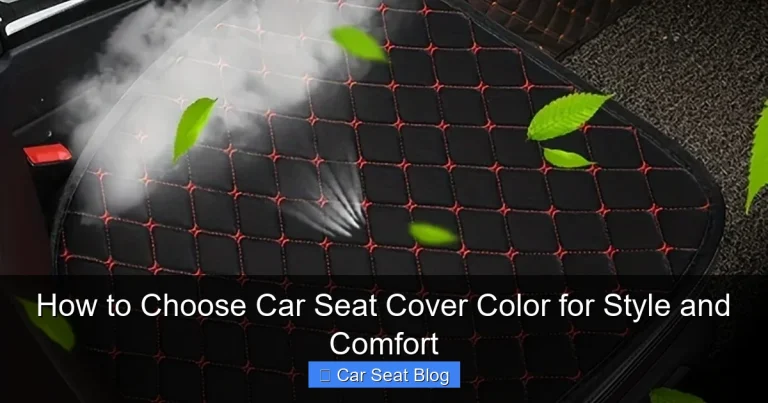
Visual guide about Are Car Seat Covers Good for Your Vehicle
Image source: ultracarmats.com
Problem: Wrinkles or Bunching
Solution: Reinstall the cover, tucking fabric into seat crevices. Some materials relax after a few days of use.
Problem: Fading or Discoloration
Solution: Park in the shade or use a sunshade. Choose UV-resistant materials for long-term protection.
Problem: Odors
Solution: Sprinkle baking soda, let sit for 15 minutes, then vacuum. Use odor-neutralizing sprays for persistent smells.
Are Car Seat Covers Worth It? Final Verdict
So, are car seat covers good? Absolutely—if you choose wisely and maintain them properly. They protect your investment, enhance comfort, and keep your car looking sharp. Whether you’re shielding against kids, pets, or daily wear, the right seat covers are a small expense with big rewards.
Remember: Quality matters. Skip the cheapest options and go for durable, well-fitting covers that match your needs. With the right care, they’ll last for years and keep your vehicle’s interior in top condition.
Conclusion
Car seat covers are more than an accessory—they’re a practical upgrade that pays off in protection, comfort, and style. From preventing stains to boosting resale value, the benefits are clear. By understanding the types, installation process, and maintenance tips in this guide, you’re ready to make an informed decision. So go ahead—give your seats the care they deserve.
🎥 Related Video: don’t buy seat 💺 covers!why?
📺 CarSutra