Cold slows your battery. Heat wears it out. Here’s how temperature affects battery performance, how to test it fast, and simple steps to protect your car so it starts every time—no shop visit needed.
If your car won’t start on a freezing morning or cranks weak after a hot day, you’re feeling how temperature affects battery health. Don’t stress. I’ll show you how to check your battery at home, what the numbers mean, and smart ways to protect it in any season. You’ll learn why cold kills starting power, why heat shortens battery life, and how to fix the most common issues fast—and cheap.
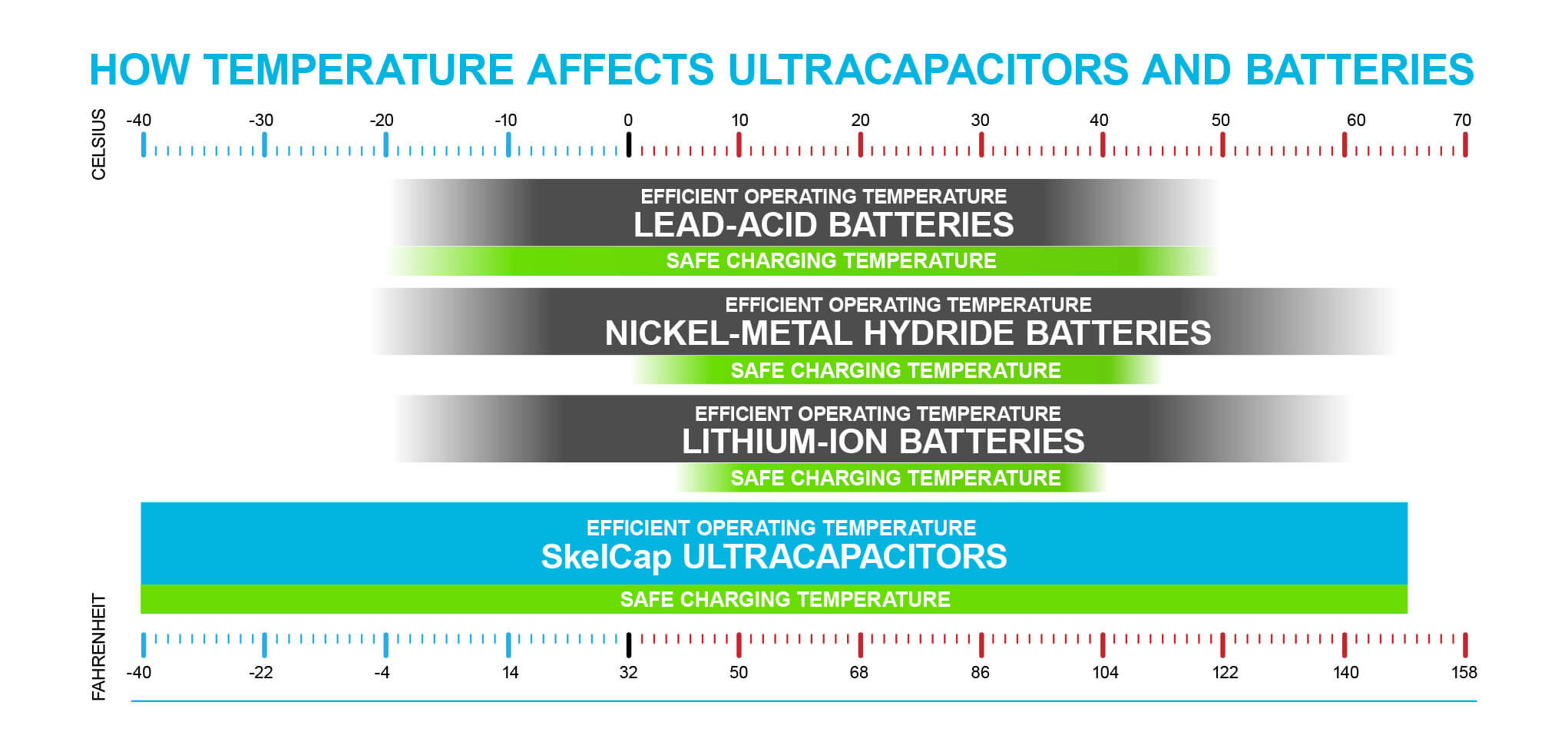
How temperature affects battery
Temperature changes how your car battery works at a chemical level. Cold slows the reaction inside the battery, so your engine cranks slower. Heat speeds reactions but also damages materials, so the battery wears out faster. If you know what to expect in hot and cold weather, you can test early, prevent failure, and avoid a tow.

Quick definition: what “temperature effect” really means
In cold weather, a battery’s available cranking amps drop. Your engine oil thickens, so it needs more power to turn. That’s a double hit. In hot weather, the battery can still crank fine, but heat cooks the plates and evaporates fluid. It may die sooner even if it seemed strong all summer.
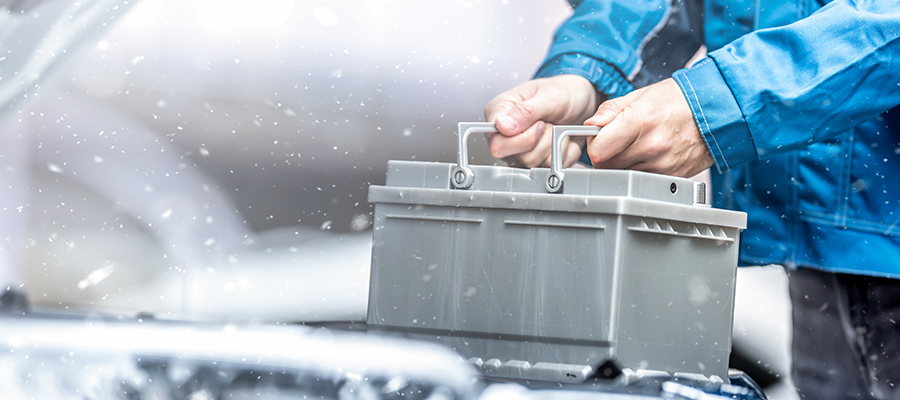
Key takeaways for everyday drivers
– Cold = weak starts today.
– Heat = early replacement tomorrow.
– Measure voltage before replacing the battery.
– Keep it charged. Keep it cool. Keep terminals clean.
 alternator, or starter?”
style=”max-width: 100%; height: auto; border: 2px solid black; border-radius: 10px; display: block; margin: 0 auto;”
loading=”lazy”
/>
Why cold weather makes your battery feel “dead”
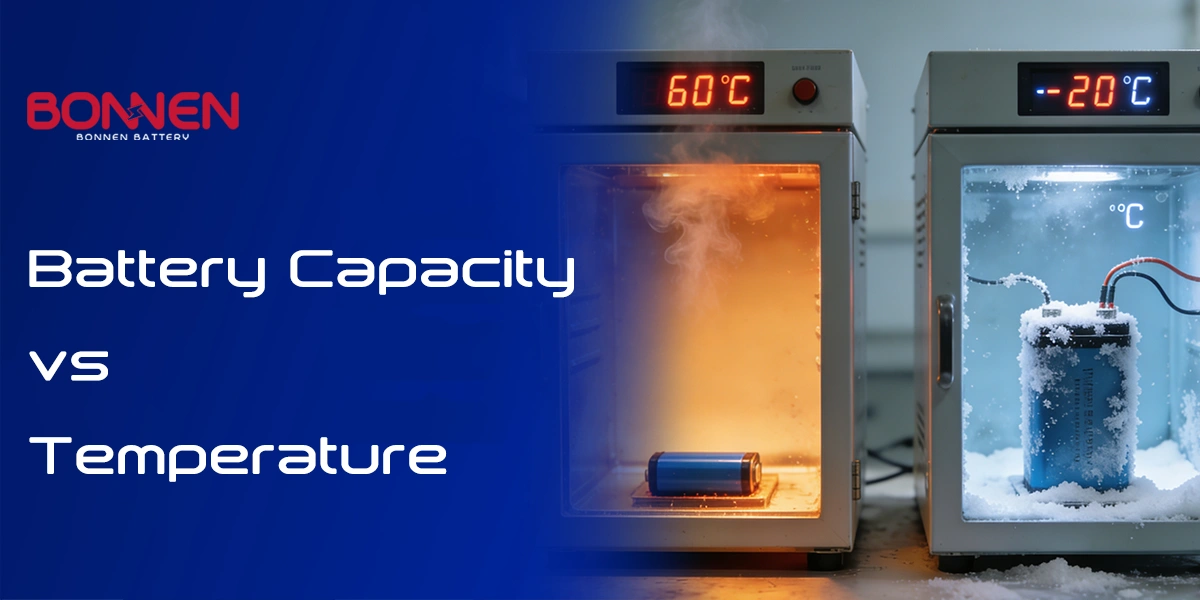
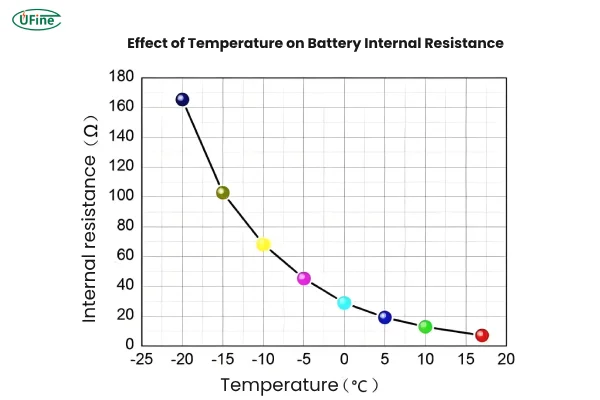
On a cold morning, the battery can lose 30–60% of its power. Your engine wants more energy to crank because oil thickens. If your battery was only “okay” in fall, winter will expose it. That’s why many cars fail the first cold snap of the season.

What cold does inside a lead-acid battery
– Chemical reactions slow down, so voltage and current drop.
– Internal resistance rises, which limits power to the starter.
– Capacity shrinks, so you get less usable energy.
Real-world signs in winter
– Slow cranking, even after a short drive.
– One click or rapid clicking from the starter relay.
– Dim dome lights when you try to start.
– It starts after a jump but dies again later.
Why hot weather shortens battery life
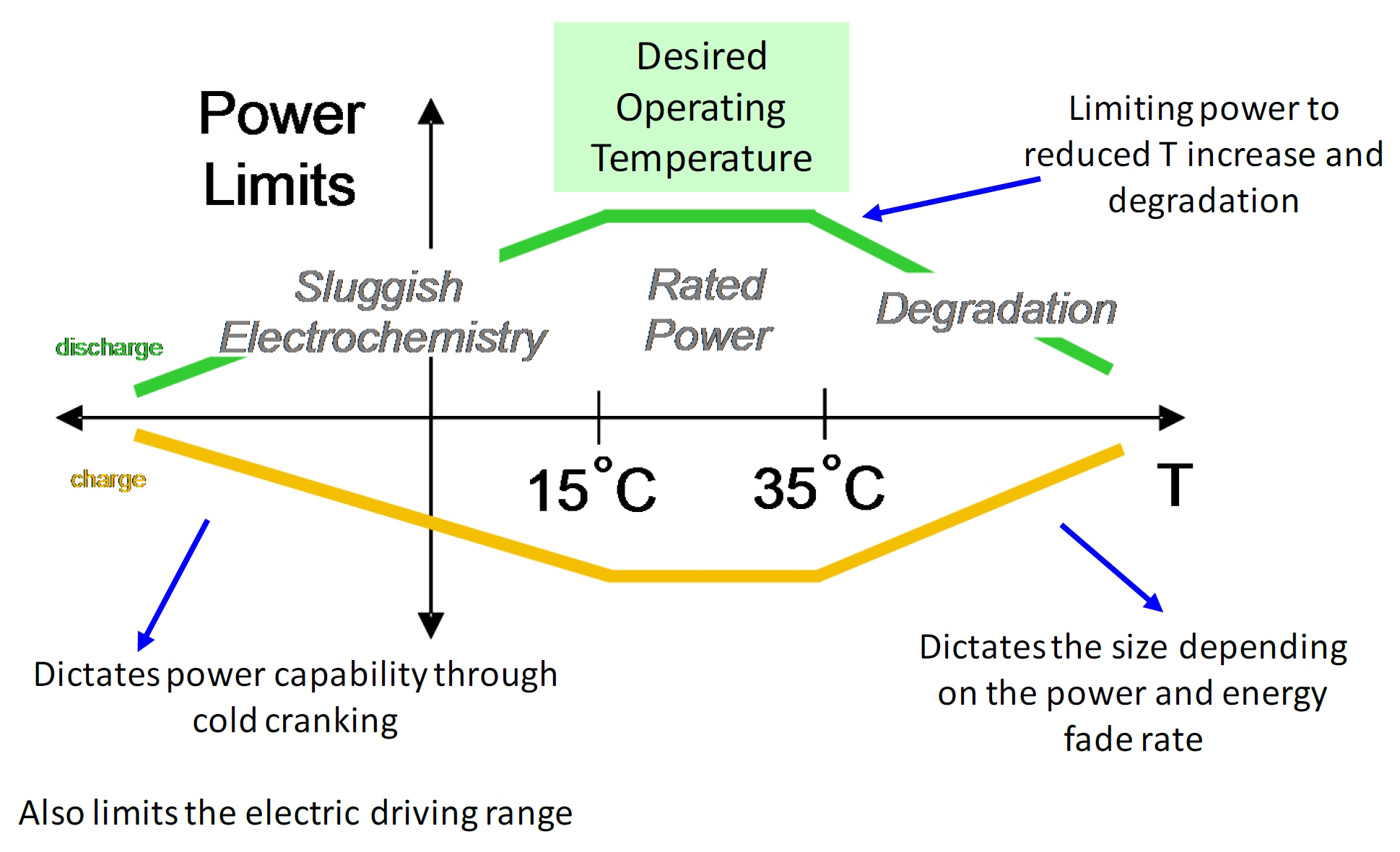
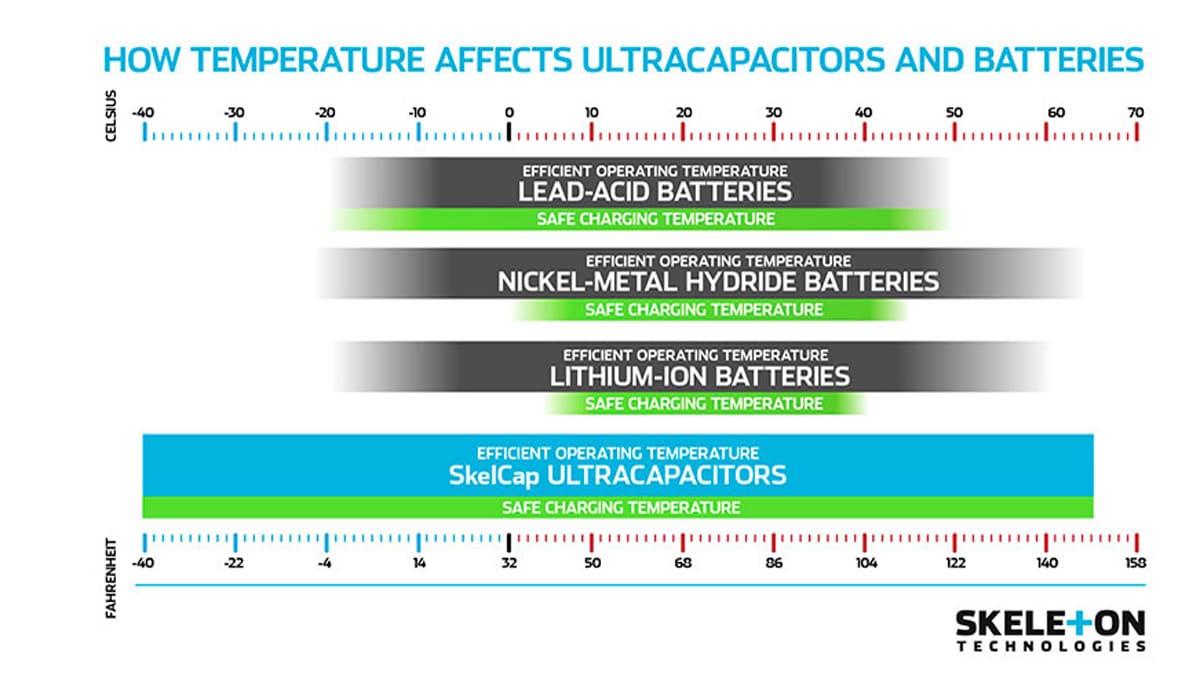
Heat is your battery’s silent killer. Your car may start fine in summer, but high temperatures speed up wear. You may notice sudden failure in the first cold week of fall. That battery was weakened by summer heat.
What heat does inside your battery
– Evaporates water in flooded batteries, exposing plates.
– Warps and sheds active material off the plates.
– Boosts corrosion at the terminals and inside the cells.
– Raises self-discharge rate, so it drains faster when parked.
Real-world signs in summer
– Strong starts but a sulfur smell (overcharge or boiling).
– Swollen battery case after long hot drives.
– White/green crust on terminals (corrosion).
– Battery dies early, even if it seemed “okay” in spring.
Quick diagnosis: battery, alternator, or starter?
If the car won’t start, don’t guess. Do a 60-second check so you don’t replace the wrong part.
Fast checklist
– Lights bright but click only: starter issue or weak connection.
– Dim lights and slow crank: weak battery or poor terminals.
– Starts after a jump, then dies while driving: alternator or belt.
– Battery drains overnight: parasitic draw or interior light left on.
Simple driveway voltage tests
– Resting battery: 12.6–12.8V is healthy. 12.2V is low. 12.0V is near dead.
– Cranking: should stay above ~9.6V for 2–3 seconds.
– Running: alternator should show 13.8–14.7V at idle, lights on.
Tools you need for fast battery checks
Keep a few basics in your trunk or garage. They pay for themselves after one save.
- Digital multimeter (auto-ranging is easiest)
- Jumper cables or a lithium jump starter
- Wire brush or terminal cleaning tool
- Baking soda and water mix (for corrosion)
- Gloves and eye protection
- Dielectric grease and a 10mm wrench
- Battery charger or smart maintainer (2–10A)
Step-by-step: test your battery in any weather
Use this simple process before you buy a new battery. It works in hot or cold conditions.
-
Look and smell
– Check for swelling, cracks, leaks, or a rotten egg smell.
– If damaged or leaking: replace now.
-
Inspect the connections
– Are the terminals tight? Wiggle by hand. They should not move.
– Clean corrosion with a brush. Rinse baking soda solution if needed.
-
Measure resting voltage
– Car off for 30+ minutes.
– Red probe to positive, black to negative.
– 12.6–12.8V is full. 12.4V is about 75%. 12.2V is about 50%.
-
Cranking test
– Watch the meter while a helper turns the key.
– Voltage should not drop below ~9.6V for 2–3 seconds.
– If it dives lower, battery is weak or sulfated.
-
Charging system test
– Engine running: 13.8–14.7V is normal.
– Rev to 2,000 rpm. Turn on headlights and AC.
– If under 13.5V or over 15.0V, have the alternator checked.
-
Parasitic drain clues
– If it dies after sitting overnight but tests good running, you may have a drain.
– Common causes: glove box light, bad door switch, aftermarket stereo, dash cam.
Battery voltage and temperature reference chart
Use this table to see state of charge and how temperature changes expected voltage and cranking power.
| State of Charge | Open-Circuit Voltage (70°F) | Open-Circuit Voltage (32°F) | Cranking Power vs Rated | How temperature affects battery (notes) |
|---|---|---|---|---|
| 100% | 12.6–12.8V | ~12.6V | ~100% at 80°F; ~65–70% at 0°F | Cold keeps voltage near same, but current output drops hard |
| 75% | ~12.4V | ~12.4V | ~80–85% at 80°F; ~50–55% at 0°F | May crank fine in summer; struggles in freezing temps |
| 50% | ~12.2V | ~12.2V | ~60–65% at 80°F; ~35–40% at 0°F | Likely slow crank in cold; recharge soon |
| 25% | ~12.0V | ~12.0V | ~40–45% at 80°F; ~20–25% at 0°F | High risk of no-start in cold; charge or replace |
| 0% | <11.9V | <11.9V | ~20–25% at 80°F; <10% at 0°F | Deeply discharged; may be sulfated |
Step-by-step: start your car in extreme cold
Here’s a no-drama routine I use on frosty mornings. Short, safe, and it works.
-
Turn everything off
– Lights, blower, rear defrost, radio.
– You want max power to the starter.
-
Press the brake and clutch (manual)
– Reduces load on the starter motor.
-
Try a 3–5 second crank
– If it doesn’t start, stop. Wait 30 seconds.
– Repeat once or twice. Don’t hold the key.
-
Warm the battery fast (no tools)
– Turn the headlights on for 30–60 seconds, then off.
– This tiny load can “wake” a cold battery’s chemistry.
-
Jump start if needed
– Connect red to dead positive, red to good positive, black to good negative, black to engine metal on dead car.
– Start donor, then start your car.
-
Let it run 20–30 minutes
– Drive, don’t idle, if safe. The alternator charges faster on the road.
Cold-weather power boosters
– Use a smart charger or maintainer overnight.
– Park indoors or away from wind. Even a few degrees help.
– Consider a battery blanket or engine block heater in very cold regions.
Step-by-step: protect your battery in extreme heat
Heat damage builds up over time. Use these habits to make your battery last longer through summer.
-
Park in shade or a garage
– Lower under-hood temps mean slower wear.
-
Limit short, back-to-back trips
– Short hops with AC and fans on heavy can drain more than you recharge.
-
Check electrolyte (flooded batteries)
– If serviceable, top with distilled water to the correct level.
-
Keep terminals clean
– Corrosion increases resistance and heat. Clean and apply dielectric grease.
-
Verify charging voltage
– Over 15V can overcook a battery. If high, have the alternator/regulator checked.
-
Insulate when needed
– Many cars include a battery heat shield. Make sure it’s in place.
Common symptoms vs likely causes vs fixes
Match what you see to a fast solution. This is the table I wish every glove box had.
| Symptom | Likely Cause | Quick Fix |
|---|---|---|
| Slow crank on cold morning | Weak battery, low charge, thick oil | Load test, recharge, use 0W/5W oil grade if spec allows |
| Strong crank in summer, sudden fail in fall | Heat-aged battery now exposed by cold | Test and replace if underperforming |
| Clicking, no start | Low voltage, corroded terminals, bad starter relay | Clean/tighten terminals, test battery, check relay |
| Starts only with a jump | Battery weak or alternator not charging | Check running voltage; if low, inspect alternator/belt |
| Battery dies after sitting overnight | Parasitic draw, interior light, dash cam | Pull fuses to isolate, fix the draw, use a maintainer |
| Swollen case or sulfur smell | Overcharging, high heat, internal short | Stop driving; replace battery; check charging system |
| White/green crust on posts | Electrolyte vapor corrosion, heat | Neutralize with baking soda, clean, grease, tighten |
Battery types and how they handle temperature
Not all 12V car batteries behave the same in heat and cold. Pick the right type for your climate and driving habits.
Flooded lead-acid (standard)
– Most common and affordable.
– Sensitive to heat: fluid loss, plate shedding.
– Cold: big drop in cranking amps.
– Best for normal driving without huge electrical loads.
AGM (Absorbent Glass Mat)
– Better in cold starts and vibrations.
– Handles heat and deep cycles better than flooded.
– Great for cars with start-stop, big audio, or lots of accessories.
– Needs proper charging voltage; avoid old-school “dumb” chargers.
EFB (Enhanced Flooded Battery)
– Midpoint between standard and AGM.
– Improved durability and charge acceptance.
– Often used in light start-stop systems.
Lithium (12V LiFePO4 retrofit)
– Very light, high power, but sensitive to cold charging.
– Many have built-in battery management systems.
– Not a drop-in for all cars; check compatibility and charging limits.
Cold vs heat: which is worse?
Cold causes no-starts today. Heat shortens life and sets you up for failure next season. If I had to pick the bigger enemy, it’s heat. It silently ages the battery until the first cold snap finishes it off.
Plan by season
– Before summer: clean terminals, check charging voltage, verify heat shield.
– Before winter: load test, top up charge, consider a maintainer, replace if marginal.
How to charge your battery safely in hot or cold
Charging is different in extreme weather. Do it right to avoid damage or a dead cell.
-
Use a smart charger
– It adjusts current and voltage based on battery type and temperature.
-
Charge slow in the cold
– 2–10A is safer and more effective for a cold, low battery.
-
Avoid overcharging in heat
– High heat + high voltage cooks batteries. Monitor case temp by touch.
-
Ventilate
– Batteries release hydrogen gas. Keep the area open and avoid sparks.
-
Check with a voltmeter when done
– Resting (after 1–2 hours off the charger): about 12.6–12.8V for healthy lead-acid.
Temperature-smart driving and parking habits
Small changes matter. These steps reduce stress on your battery year-round.
- Take a longer drive once a week. Alternators need time.
- Don’t idle to charge. It’s slow and wastes fuel.
- Limit accessories at startup: blower, seat heaters, rear defrost.
- Park in shade or indoors in summer; block wind in winter.
- Use a maintainer for cars that sit more than a week.
My quick winter emergency kit
This compact kit lives in my trunk from November to March. It solves 90% of cold-start calls.
- Jump starter (lithium pack)
- Jumper cables (4- or 6-gauge, 12–16 ft)
- Work gloves and small flashlight
- Multimeter
- Small battery maintainer
- Ice scraper and a warm hat
Real-world scenarios and fast fixes
Here are common stories I hear from readers, and the fast way out.
“It started fine yesterday. Today it only clicks.”
– Likely: cold weakened an already low battery.
– Fix: clean terminals, attempt a jump, then test voltage while running.
– If running voltage is okay, replace the battery soon.
“Strong starts all summer. Then first frost, it died.”
– Likely: heat-aged battery failed under cold load.
– Fix: replace with the right group size and CCA. Consider AGM if you have extras like dash cams or heavy accessories.
“New battery, but still slow cranking when hot.”
– Likely: heat soak. Starter or cables have high resistance.
– Fix: inspect grounds and starter cables for corrosion. Test voltage drop from battery to starter when cranking.
“Battery keeps dying after sitting 3–4 days.”
– Likely: parasitic draw from a module that won’t sleep or an accessory.
– Fix: pull fuses one by one while watching draw with a meter. Add a hardwire kit with low-voltage cutoff for dash cams.
CCA, reserve capacity, and temperature
Know two ratings when you shop. They tell you how the battery will behave in real weather.
Cold Cranking Amps (CCA)
– Measures how much current the battery can deliver at 0°F for 30 seconds while holding 7.2V.
– More CCA helps in cold states but doesn’t fix a failing battery.
Reserve Capacity (RC)
– Minutes a battery can deliver 25 amps at 80°F before dropping below 10.5V.
– Higher RC helps during short trips and accessory use.
Voltage drop: wiring and grounds in heat and cold
A perfect battery still fails if power can’t reach the starter. Temperature makes corrosion worse.
- Clean and protect terminals with dielectric grease.
- Check engine and chassis grounds. Replace corroded straps.
- Test voltage drop: more than ~0.5V total on the start circuit is trouble.
Maintenance schedule by season
Use this simple plan to prevent most battery problems.
Spring
– Inspect for winter corrosion. Clean and grease.
– Load test if the battery is 3+ years old.
Summer
– Check charging voltage on a hot day.
– Make sure heat shields are in place. Park in shade when possible.
Fall
– Test resting and cranking voltage before first freeze.
– Replace borderline batteries before winter, not after.
Winter
– Keep a maintainer on cars that sit.
– Turn off heavy loads before starting.
Safety tips you should never skip
Battery work is simple. Stay safe and you’ll be fine.
- Wear eye protection and gloves.
- Work in a ventilated area. Avoid flames and sparks.
- Connect jumper negatives to engine metal, not battery negative, to reduce spark risk.
- Secure batteries firmly. Vibration kills them early.
- Dispose and recycle old batteries at parts stores.
Battery myths vs facts
Let’s clear up a few popular myths that cause bad choices.
- Myth: “Idling for 10 minutes will fully recharge my battery.” Fact: It won’t. Drive 20–30 minutes or use a charger.
- Myth: “Bigger CCA always solves cold starts.” Fact: If wiring, oil, or the starter is the problem, more CCA won’t fix it.
- Myth: “All batteries hate cold more than heat.” Fact: Cold causes no-starts; heat shortens life more.
- Myth: “You can charge any battery the same way.” Fact: AGM and lithium need specific voltages.
Expert tips to extend battery life
These small steps can add a year or more to your battery’s life.
- Use a smart charger if you mostly drive short trips.
- Clean terminals twice a year. Corrosion is extra resistance and heat.
- Keep the battery topped up before freezing temps arrive.
- Replace at 4–5 years in hot states; 5–6 in cooler regions (if tests show aging).
- Match battery type to the car’s needs (AGM for start-stop or heavy accessories).
Table: fast voltage targets by weather
Use this as a quick reference before you decide to charge or replace.
| Condition | Target Voltage | What It Means | Next Step |
|---|---|---|---|
| Resting (70°F) | 12.6–12.8V | Healthy, full | No action |
| Resting (below 32°F) | 12.5–12.7V | Good, but power will be lower | Keep warm or maintain |
| Cranking (any weather) | >9.6V | Starter draw acceptable | OK |
| Cranking (drops to 8–9V) | 8–9V | Weak battery or high resistance | Charge, retest, check cables |
| Running (idle) | 13.8–14.7V | Alternator charging | OK |
| Running (>15.0V) | >15.0V | Overcharging risk | Check regulator/alternator |
When to replace vs when to recharge
Make the right call and save money. Here’s how I decide for customers and friends.
- Recharge if: resting 12.2–12.4V, clean terminals, under 3–4 years old, and it passes a load test after charging.
- Replace if: swollen case, leaks, sulfur smell, or fails cranking/load tests even after a full charge.
- Strong hint to replace: 4–6 years old and lived through hot summers with frequent short trips.
Picking the right replacement battery
Choose by vehicle spec and climate. Don’t chase the cheapest option only to buy again next winter.
- Match group size and terminal layout to fit your tray and cables.
- Pick CCA that meets or exceeds OEM spec, especially in cold states.
- Choose AGM for start-stop systems or heavy accessory loads.
- Check manufacturing date; newer is better. Aim for less than 6 months old.
Trusted guidance and data sources
Clear, tested advice matters when you’re stuck. You can learn more about seasonal battery behavior and maintenance as explained by AAA, and see maintenance recommendations for reliability according to the National Highway Traffic Safety Administration. Battery shopping and testing tips are also well covered by Consumer Reports.
- as explained by AAA
- according to the National Highway Traffic Safety Administration
- based on Consumer Reports guidance
FAQ: temperature and your car battery
Quick answers you can use right now.
-
How cold is “too cold” for my battery?
Below 0°F, many batteries lose around half their cranking power. If your battery is over 4 years old, test it before deep winter.
-
Why does my car die after short trips in winter?
Heater, lights, and defrosters draw a lot. Short drives don’t recharge enough. Take a 20–30 minute drive or use a maintainer.
-
Is heat really worse than cold?
Yes for lifespan. Heat speeds up internal damage. The battery often fails when the first cold snap arrives.
-
What voltage means my battery is bad?
Below 12.2V resting is low. But replace only if it fails a load or cranking test after a full charge.
-
Should I buy a battery with the highest CCA?
Meet or exceed your car’s spec. More CCA helps in cold states but won’t fix bad cables or a weak alternator.
-
Can I charge a freezing battery?
Avoid charging below 32°F if the battery is very low. Warm it to room temp first if possible. Use a smart charger.
-
Why does my battery smell like rotten eggs?
It’s likely overcharging or a failing cell. Stop charging and replace. Check your alternator voltage, too.
Conclusion
Cold steals power today. Heat steals life over time. Now you know how temperature affects battery performance and what to do about it. Check your voltage, clean your connections, and test before you replace. Use a smart charger, park smart, and plan by season. Do these simple steps and your car will start strong—no matter the weather. If your battery is aging or fails a test, replace it before it strands you. You’ve got this.