Quick Summary: Car battery chemistry explained in plain English. Learn how it works, why it fails, and exactly how to test, charge, and choose the right battery—fast, safe, and step by step.
Your car won’t start? Lights flicker? Don’t guess—understand what’s going on inside the battery. In this guide, you’ll get car battery chemistry explained so you can test voltage, spot early failure, and fix common issues at home. I’ll show you simple steps, safe charging, and when to replace. You’ll learn battery types, how they work, and how to make them last longer, even in heat or snow.
Car Battery Chemistry Explained: The Simple Science Under Your Hood
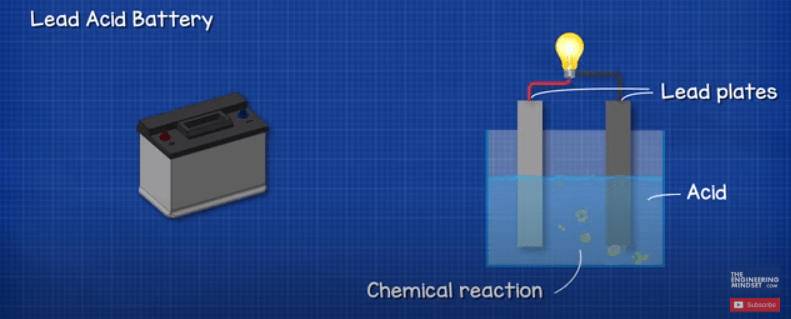
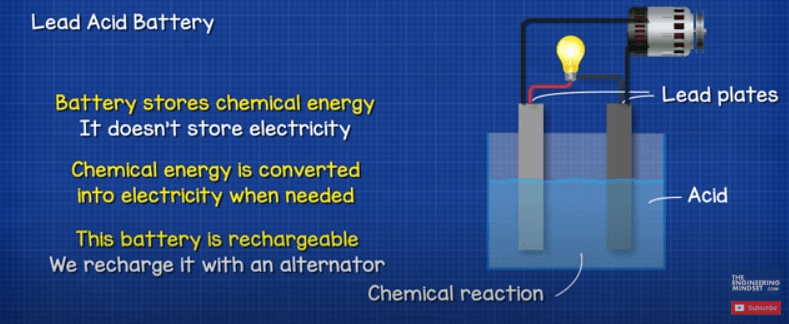
Every car battery is a small chemical power plant. It turns a chemical reaction into the surge of electricity that starts your engine. Most cars use lead-acid chemistry, where lead plates, lead dioxide plates, and sulfuric acid react to deliver energy. Understanding this helps you diagnose weak starts, dim lights, and charging issues with confidence.
The 12-Volt System, Simplified
Your “12-volt” battery is actually about 12.6 volts when fully charged. It has six cells. Each cell makes around 2.1 volts. Together, they power the starter, lights, and electronics. When the engine runs, the alternator charges the battery to about 13.8–14.7 volts.
Why Chemistry Matters for Starting Power
Starting an engine needs a fast jolt of current (cold cranking amps). That jolt depends on healthy plates, the right acid strength, and clean connections. Any weak link—age, corrosion, cold weather—slows the reaction. That’s when you get clicks, slow cranks, or no start.
Battery Types by Chemistry (And Which One You Need)
Not all car batteries are the same. The chemistry affects starting power, life, vibration resistance, and price. Here’s what matters for daily drivers, stop‑start cars, and performance builds.
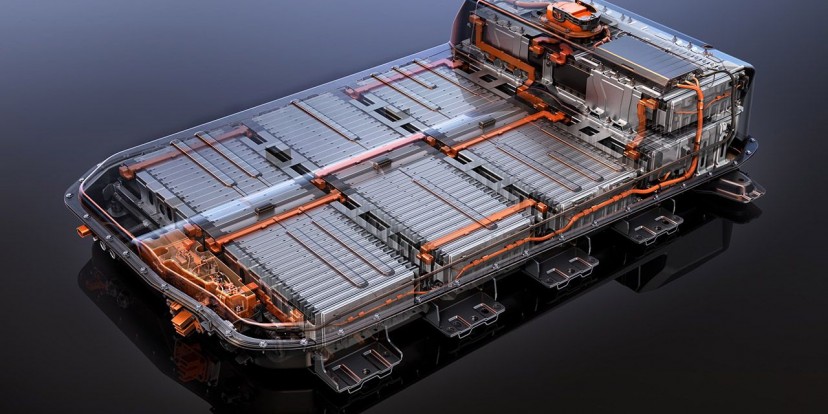
Flooded Lead-Acid (FLA)
This is the classic “wet-cell” battery. It uses liquid sulfuric acid and lead plates. It’s affordable and reliable. It needs ventilation and can spill if tipped. Good for most standard vehicles without heavy electrical loads.

AGM (Absorbent Glass Mat)
AGM uses fiberglass mats to hold the acid. It’s spill-proof, charges faster, resists vibration, and handles deep cycles better. Ideal for start-stop systems, premium audio, and cold climates. Costs more but lasts longer in tough use.

EFB (Enhanced Flooded Battery)
EFB is an upgraded flooded design. Better plate design and acid circulation make it tougher than standard flooded. Often used in light start-stop cars. Cheaper than AGM, but not as strong under extreme cycles.

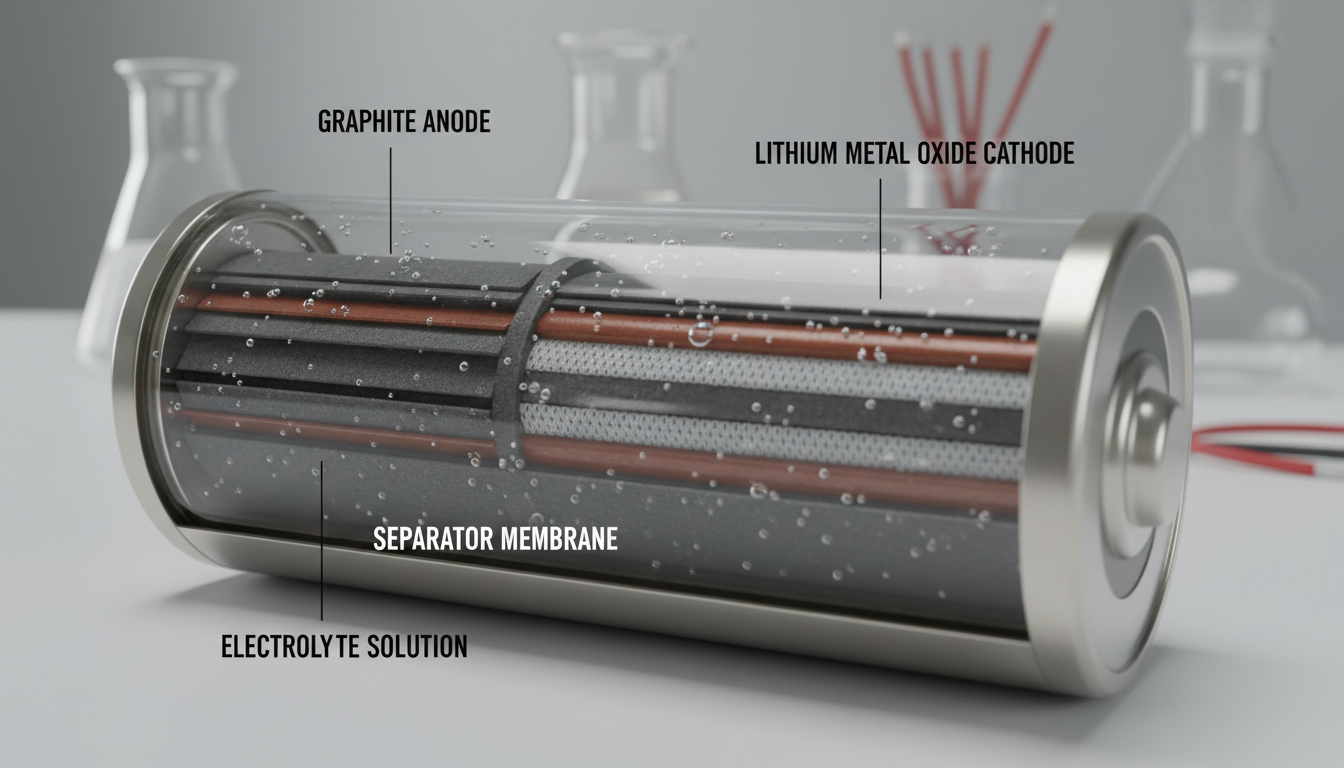
Lithium Iron Phosphate (LiFePO4/LFP) for Automotive
Some aftermarket options use lithium chemistry. They’re light and hold charge well. But they need special charging control and don’t like freezing temps. Not common in everyday stock cars. More for racing or special builds.
How a Lead-Acid Battery Works (Step by Step)
Lead-acid chemistry is simple but smart. Here’s the life cycle from charge to start and back again:
- Charge stage: The alternator or charger pushes current in. Lead sulfate on the plates turns back into lead (negative) and lead dioxide (positive). Acid strength increases.
- Resting: Voltage settles around 12.6–12.8V when full. No load? It sits happy if kept above 12.4V.
- Cranking: You turn the key. The chemical reaction gives up electrons fast. Voltage dips under load. Healthy batteries stay above 10V while cranking.
- Discharge: Lead and lead dioxide react with sulfate, forming lead sulfate. Acid gets weaker. Too many deep discharges cause sulfation, which hardens and reduces capacity.
- Recharge: Engine running? Alternator restores charge. A smart charger can do a better, gentler job if the battery is low.
Voltage, State of Charge, and Battery Health
Voltage is your first, easiest check. You only need a $15 multimeter. Test after the car sits for 3+ hours for a true reading. Here’s how to read it fast.
| Open-Circuit Voltage (12V Battery) | State of Charge | What It Means |
|---|---|---|
| 12.7–12.8V | 100% | Fully charged and healthy |
| 12.6V | 90–95% | Good. Ready to go |
| 12.4V | 75% | Okay, but recharge soon |
| 12.2V | 50% | Weak. Battery strain starts |
| 12.0V | 25% | Very low. Likely no start |
| 11.8V or less | Dead/Severely Discharged | Recharge or replace. Check for parasitic drain |
Tip: While starting, voltage should not dip below 9.6–10V. If it does, the battery may be failing, or the starter is drawing too much current.
Common Problems, Causes, and Fast Fixes
Most “dead battery” events are preventable. Here are the usual suspects and how to fix them yourself, fast.
| Symptom | Likely Cause | DIY Fix |
|---|---|---|
| Click, no start | Weak battery, corroded terminals | Clean terminals, jump start, test voltage and CCA |
| Slow crank, then start | Battery aging, cold weather | Charge overnight. Test after charge. Consider AGM in cold regions |
| Lights dim at idle | Low charge, alternator weak | Measure 13.8–14.7V engine on. If low, check belt/alternator |
| Random electrical glitches | Loose ground, dirty posts | Tighten/clean connections with baking soda/water |
| Battery dies after sitting | Parasitic drain, interior light on | Check for lights on. Do parasitic draw test with multimeter |
| Swollen case, rotten egg smell | Overcharging, internal short | Stop driving. Replace battery. Check alternator regulator |
| Frequent dead battery on short trips | Not enough recharge time | Use a maintainer weekly. Take 20+ minute highway drives |
How to Diagnose Your Battery at Home (Step-by-Step)
You can test a battery in 10 minutes with simple tools. Do this before you buy a new one. It saves money and hassle.
Tools You Need
Multimeter (digital), safety glasses, gloves, baking soda, water, old toothbrush, paper towels, and a smart charger if you have one.
Safety First
Work in fresh air. Wear eye protection. Keep flames away. Battery acid can burn skin and clothes. If you see a cracked or swollen case, replace the battery—do not try to charge it.
Step 1: Visual Check
Look for leaks, bulges, or cracks. Check cables for corrosion (white/green crust). Make sure clamps are tight. Fix issues before you test voltage.
Step 2: Clean the Terminals
Mix baking soda and water to neutralize acid on clamps. Scrub gently with a toothbrush. Rinse with clean water. Dry fully. A clean connection can restore starting power.
Step 3: Open-Circuit Voltage Test
Let the car sit for three hours or overnight. Set the multimeter to DC volts. Red lead to positive (+), black to negative (−). Read the number. Compare it to the voltage table above to see state of charge.
Step 4: Cranking Voltage Test
Have a helper start the engine while you watch the meter. If voltage drops under 9.6–10V, the battery may be weak. If it stays high but cranks slow, the starter or cables may be the problem.
Step 5: Charging System Test
Engine running? Check voltage at the battery. Healthy systems show 13.8–14.7V. If higher, the alternator may be overcharging. If lower, the alternator or belt could be failing.
Step 6: Parasitic Draw Check (If Battery Dies Overnight)
Turn everything off. Remove the negative cable. Set multimeter to amps and connect it in series between the battery post and cable. Normal draw is often 20–50 mA for modern cars. Over 100 mA? Pull fuses one by one to find the circuit causing the drain.
Charging Methods and Best Practices
Charging the right way restores capacity and extends life. The wrong way can cook a battery. Here’s what to use and when.
Smart Charger (Preferred)
A smart charger senses the battery’s state. It adjusts current and prevents overcharge. Use it to recover low or weak batteries. Many have “AGM” modes. Follow the manual and connect positive first, then negative to a good ground on the chassis.
Trickle Charger or Maintainer
Maintainers keep a battery topped up. Perfect for cars that sit, short-trip cars, and cold winters. Set it and forget it. This is the best way to avoid sulfation when a vehicle is parked for weeks.
Jump-Starting Safely
Use quality jumper cables or a lithium jump pack. Connect positive to positive. Connect the negative clamp to a clean, unpainted metal part on the dead car’s engine block, not the battery negative. Start the donor or pack, then the dead car. Remove in reverse order. As explained by AAA, proper connection reduces sparks and risk.
Cold Weather, Heat, and Driving Habits: Real-World Impacts
Weather and habits beat up batteries. Plan around them to avoid the dreaded morning click.
- Cold weather: Chemical reactions slow down. CCA (cold cranking amps) drops. Keep your battery fully charged in winter. Consider AGM for better cold performance. As explained by AAA, weak batteries often fail on the first cold snap.
- Heat: High heat evaporates electrolyte and accelerates corrosion. Park in shade. Check under-hood airflow. Heat kills more batteries than cold over the year.
- Short trips: The alternator may not replace the charge used to start the car. Combine errands. Take a 20–30 minute highway drive weekly. Use a maintainer if you mostly do 5–10 minute trips.
- Heavy loads: Big audio systems, lighting, and accessories need stronger batteries and sometimes upgraded alternators. AGM handles these loads better.
Battery Myths vs. Facts
Let’s clear up common myths so you don’t waste money or damage parts.
- Myth: A 12-volt battery should always read 12.0V. Fact: A healthy battery reads about 12.6–12.8V at rest.
- Myth: Idling 5 minutes fully recharges a dead battery. Fact: It doesn’t. Use a smart charger or take a long drive.
- Myth: Disconnecting the battery while running tests the alternator. Fact: Dangerous. You can fry electronics. Use a multimeter instead.
- Myth: All batteries are the same. Fact: AGM, EFB, and flooded behave differently, especially with start-stop and cold weather.
- Myth: New batteries don’t need maintenance. Fact: Keep terminals clean and fully charged to prevent early failure.
Choosing the Right Battery (Size, Chemistry, and CCA)
Pick the right battery and your car will start strong for years. Choose by fit, specs, and how you drive—not just price.
- Group size: Match the physical size, top/bottom posts, and hold-downs. Check your manual or old battery label.
- CCA (Cold Cranking Amps): Higher CCA helps in cold climates. Match or exceed the OEM spec.
- Reserve capacity: More is better if you run accessories or live in heat/cold.
- Chemistry: Flooded for budgets and simple cars. EFB for light start-stop. AGM for start-stop, lots of electronics, or harsh climates.
- Brand and warranty: Longer free-replacement periods add value. Keep your receipt.
| Battery Type | Best For | Strengths | Watch Outs |
|---|---|---|---|
| Flooded Lead-Acid | Standard daily drivers | Low cost, widely available | Spill risk, less vibration resistance |
| EFB | Light start-stop systems | Improved durability over flooded | Not as strong as AGM under heavy cycles |
| AGM | Start-stop, cold weather, heavy electronics | Fast charge, deep-cycle capable, spill-proof | Higher price, needs correct charging |
| Lithium (LFP) | Performance, weight savings | Very light, stable voltage | Expensive, cold sensitivity, special management |
Maintenance Tips to Extend Battery Life
Simple habits add years to your battery. Here’s the routine I use in my garage for friends and family.
- Keep it charged: Use a maintainer if you drive short trips or park long-term.
- Clean connections: Neutralize corrosion with baking soda and water. Coat with dielectric grease.
- Secure the battery: Tighten hold-downs. Vibration destroys plates over time.
- Check voltage monthly: Catch a weak battery before cold weather hits.
- Mind the accessories: Don’t leave chargers or dash cams plugged in overnight unless wired to switched power.
- Service the charging system: A weak alternator can cook or starve a battery. Check belt tension and output yearly.
Signs It’s Time to Replace (And How to Recycle Right)
Batteries don’t last forever. Most go 3–5 years. Harsh heat or heavy use can cut that in half. Replace before a trip or winter if your tests show weakness.
- Frequent jumps or slow cranks
- Voltage won’t hold above 12.4V after a full charge
- Fails load test (under 9.6–10V during crank)
- Swollen case or strong sulfur smell
Recycling matters. Lead-acid batteries are almost 99% recyclable. Most auto parts stores give a core credit when you return the old one. For safe disposal tips, see guidance from the EPA on battery recycling.
Voltage, Load, and Chemistry: Quick Reference Table
Use this snapshot when you troubleshoot at home. It ties voltage, load, and chemistry into a single, simple view—car battery chemistry explained in one place.
| Test | Healthy Range | What You See | What To Do |
|---|---|---|---|
| Open-Circuit Voltage | 12.6–12.8V | Battery full | No action needed |
| Cranking Voltage | 10.0–11.5V | Steady crank | Normal. If under 9.6V, test battery aging |
| Charging Voltage (Engine On) | 13.8–14.7V | Alternator OK | If not in range, inspect belt/alternator |
| Chemistry Fit | Flooded/EFB/AGM | Depends on use and climate | AGM for start-stop/cold; EFB for light start-stop; Flooded for basic use |
| Special Note | Car battery chemistry explained | Voltage + load + environment | Match chemistry to driving and climate for best life |
How Temperature Changes Battery Performance
Temperature changes the speed of the chemical reaction. This affects starting power, charge acceptance, and lifespan. Plan your charging and maintenance around your climate.
- At 0°F: Available capacity can drop by 30–50%. A weak battery may fail to start the engine.
- At 32°F: CCA matters most. Keep batteries fully charged at night. Park indoors if you can.
- At 95°F+: Electrolyte can evaporate. Internal corrosion speeds up. Check voltage more often in summer.
- Best practice: Test monthly in extreme seasons. A maintainer helps offset both cold cranking losses and heat stress.
Charging Profiles: Flooded vs. AGM vs. Lithium
Different chemistries need different charging profiles. Using the wrong one can shorten life or trigger safety issues.
- Flooded: Bulk 14.4V max, then absorb/float around 13.2–13.6V. Avoid long high-voltage overcharge.
- AGM: Often prefers a slightly higher absorb voltage (check the label). Sensitive to overvoltage—use a smart charger with AGM mode.
- Lithium (LFP): Needs a battery management system (BMS). Do not charge below freezing. Use chargers rated for lithium.
Alternator, ECU, and Smart Charging in Modern Cars
New cars often use “smart charging.” The ECU may let the battery rest around 12.4–12.6V during cruise to save fuel, then charge harder during decel. That’s normal and not a sign of failure.
- If you retrofit an AGM where a flooded was used, make sure the car’s charging profile is compatible.
- For start-stop cars, always replace like-for-like chemistry (AGM with AGM, EFB with EFB). This protects the alternator and system logic.
- For deeper guidance, Consumer Reports offers testing insights on battery performance across vehicle types.
Jump Packs vs. Jumper Cables
Both can get you moving. But they’re not the same. Choose the right tool for your kit.
- Jumper cables: Need a donor car. Good cables are thick (4-gauge or better). Follow safe connection order.
- Lithium jump pack: Portable and easy. Keep it charged. Store it inside the cabin in winter so it stays warm.
- Safety: As noted by the National Highway Traffic Safety Administration, follow the owner’s manual for your specific car.
Real-World Scenarios (And Fast Fixes)
Here are common “it won’t start” moments I see and how I fix them in minutes.
- After work, car clicks once: Clean terminals, jump, then drive 20–30 minutes. Test voltage at home. If it won’t hold 12.4V after charge, plan a replacement.
- Cold morning, slow crank: Charge overnight. If the battery is 4+ years old, test CCA at a parts store. Consider AGM if winters are harsh.
- New battery, still dead after a week: Do a parasitic draw test. Many times, a glove box or trunk light sticks on. Fix the switch, not the battery.
- Intermittent start, dash resets: Tighten the negative ground strap to the body and engine. Loose grounds mimic a bad battery.
How Store Testing Works (And What Numbers Matter)
Most parts stores will test for free. Know the numbers so you can decide with confidence.
- Open-circuit voltage: Confirms state of charge. Anything under 12.4V needs charging before more tests.
- Load/CCA test: Measures output under stress. If it fails at rated CCA, it’s time to replace.
- Charging system test: Checks alternator output and ripple. High ripple can damage a new battery fast.
What to Do Before a Road Trip
Don’t roll the dice with a marginal battery. Pre-trip checks prevent roadside drama.
- Check resting voltage (12.6–12.8V is ideal).
- Clean terminals and inspect cables.
- Verify alternator output (13.8–14.7V).
- If the battery is 4–5 years old, consider proactive replacement, especially before winter.
Storage Tips for Seasonal Vehicles
Storing a car? Keep the battery healthy so it’s ready when you are.
- Use a maintainer all season. It’s the single best thing you can do.
- If you remove the battery, store it in a cool, dry place. Not on concrete? That old myth no longer matters, but avoid dampness.
- Top it to 12.6–12.8V monthly if you don’t use a maintainer.
Safety Reminders You Should Never Ignore
Batteries are safe when handled right. A few rules keep you and your car protected.
- Wear eye protection and gloves when working near batteries.
- Keep sparks and flames away. Hydrogen gas can ignite.
- Always connect and disconnect in the correct order to reduce spark risk.
- Dispose properly. Don’t throw batteries in the trash—recycle at auto stores or follow EPA guidance.
Glossary: Fast Definitions
Keep these terms handy as you shop and test. They make spec sheets easy to read.
- CCA (Cold Cranking Amps): Starting power in cold weather. Higher is better for winter.
- RC (Reserve Capacity): Minutes a battery can deliver a set current at 80°F. More RC helps with accessories.
- Sulfation: Hardened lead sulfate reduces capacity. Avoid by keeping the battery charged.
- AGM: Absorbent Glass Mat. Spill-proof, deep-cycle capable, and vibration resistant.
- EFB: Enhanced Flooded Battery. Upgraded flooded design for light start-stop use.
- Open-circuit voltage: Battery voltage measured at rest with no load.
FAQs
How long does a car battery usually last?
Most last 3–5 years. Heat, short trips, and heavy loads shorten life. Use a maintainer and clean terminals to extend it.
Can I test my battery without tools?
You can guess by symptoms, but a $15 multimeter is better. Measure resting voltage after a few hours. 12.6–12.8V is healthy.
Is 12.2 volts enough to start a car?
Maybe, but it’s a weak state of charge. Charge the battery. If it keeps dropping below 12.4V, it may be aging or there’s a drain.
Do I need AGM if my car didn’t come with it?
Not always. But AGM is great for start-stop, cold weather, and heavy electronics. If your car has start-stop, replace AGM with AGM.
Will idling charge a dead battery?
Not well. It’s slow and can stress the alternator. Use a smart charger or take a longer drive to restore charge safely.
How do I know if it’s the battery or alternator?
Test at the battery with the engine on. 13.8–14.7V means the alternator is charging. If it’s under that, the alternator or belt may be failing.
What should I do with my old battery?
Recycle it. Auto parts stores take them and offer a core credit. You can also follow EPA recycling guidance for safe disposal.
Conclusion
You now have car battery chemistry explained in practical terms. Check resting voltage. Watch cranking voltage. Keep terminals clean. Charge smart, and match battery chemistry to your car and climate. If your battery can’t hold 12.4V after a full charge, plan a replacement before winter or a road trip. With a multimeter and a few habits, you’ll prevent most no-start surprises, save money, and stay on the road with confidence.

