Quick Summary: AGM vs Lead Acid battery explained in plain terms. AGM is sealed, stronger, and handles vibration and cold better. Flooded lead-acid is cheaper but needs more care. If you want low maintenance and better reliability, choose AGM. On a tight budget with a simple car, flooded works. I’ll help you test, choose, and maintain the right one today.
If your car cranks slow or won’t start, your battery is the first suspect. Wondering if an AGM vs lead-acid battery is better for your vehicle and budget? You’re not alone. As a mechanic-minded car nerd, I’ll help you decide fast. In this guide, you’ll learn differences, real costs, charging tips, and simple tests you can do at home to fix starting problems.

AGM vs Lead Acid Battery: Quick Definitions
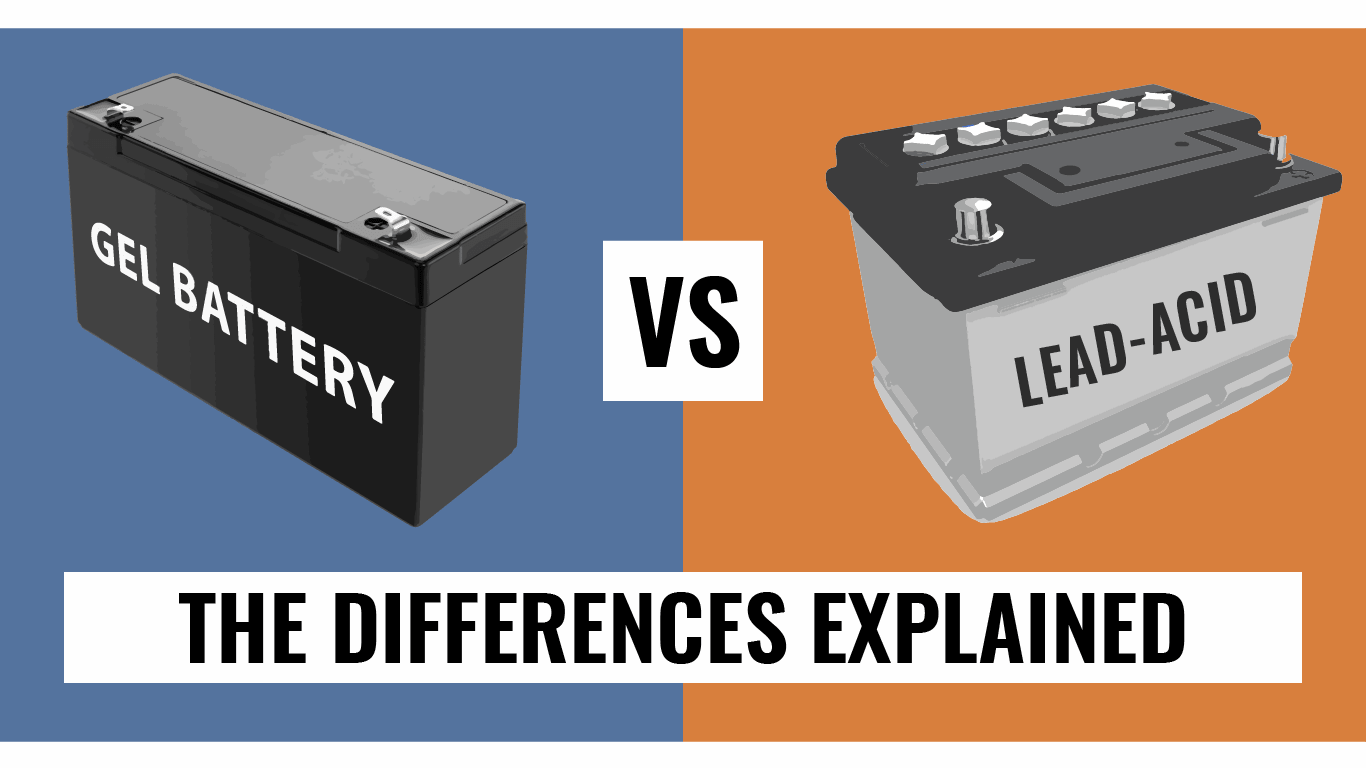
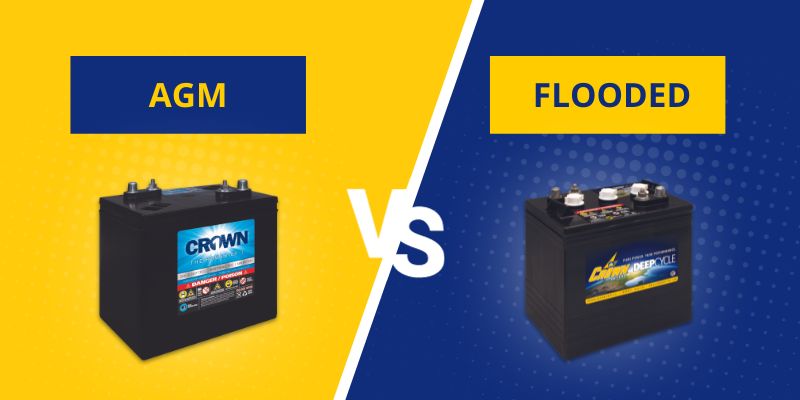
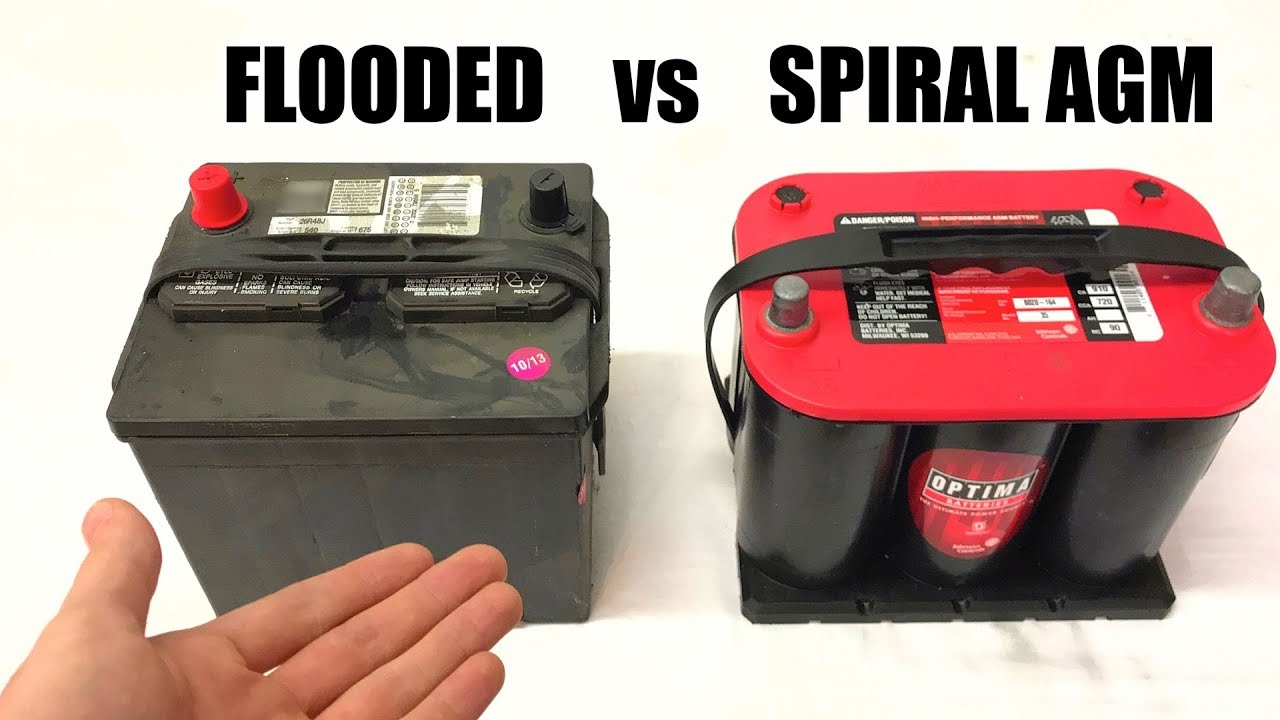
Both are lead-acid batteries. The difference is how the acid is held. A flooded lead-acid battery has liquid acid that can spill. You must keep it upright and often vented. An AGM (Absorbent Glass Mat) battery traps acid in fiberglass mats, so it is sealed, spill-proof, and more shock resistant. AGM handles deep discharge and vibration better than flooded.
AGM vs Lead Acid Battery: What’s the Difference?
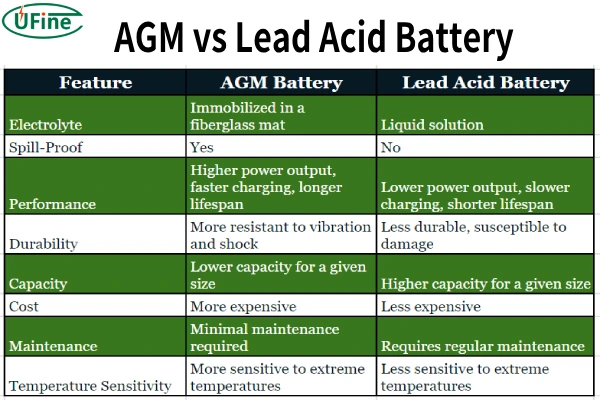
Let’s break it down in everyday terms. Think of flooded lead-acid as the classic workhorse. It’s cheaper and gets the job done. AGM is the modern upgrade. It’s tougher, charges faster, and delivers power better under stress. If your car has start-stop, lots of electronics, or you live in tough weather, AGM often pays off.
| Feature | AGM vs Lead Acid Battery (AGM) | Flooded Lead-Acid (Standard) |
|---|---|---|
| Design | Sealed, acid absorbed in glass mats | Liquid electrolyte, vented caps |
| Spill Risk | Spill-proof, mount in more positions | Can spill, must stay upright |
| Vibration Resistance | Excellent (off-road, trucks, boats) | Fair to good |
| Cold Starts | Better cranking in winter | Good, but voltage sags more |
| Charging Speed | Faster with a smart AGM charger | Slower, can accept trickle well |
| Deep Discharge Tolerance | Better (less damage) | Worse (sulfates faster) |
| Maintenance | Maintenance-free | May need water checks (serviceable types) |
| Heat Sensitivity | Better sealed, still heat-sensitive | Electrolyte can evaporate faster |
| Cost | Higher | Lower |
| Typical Use | Start-stop, premium cars, off-road, audio builds | Basic commuters, budget replacements |
Which One Do You Actually Need?
Match the battery to your car and how you drive. You need reliability, not guesswork. Use these real-world cases to pick the right type the first time. If you see heavy electronics or harsh weather, AGM shines. For a simple daily, flooded can be fine and cheap.
- Budget daily driver (few accessories): Flooded lead-acid is OK. Save money upfront.
- Start-stop system (engine shuts off at lights): AGM is required in most cars.
- Truck/SUV with towing or winch: AGM handles vibration, heat, and heavy loads better.
- Off-road/overland: AGM resists shock and can mount in more ways.
- Big audio system (amplifiers/subs): AGM delivers stable voltage and quicker recovery.
- Short trips, city driving: AGM copes better with frequent starts and low charging time.
- Classic car stored winters: AGM reduces corrosion and sulfation, holds charge longer.
- RV/boat house battery (deep cycle): Choose a deep-cycle AGM for longer run time and resilience.
How to Tell What Battery You Have (and If It’s Healthy)
Not sure what’s under the hood? You can identify the type and check health in minutes. All you need is your eyes and a simple multimeter. If you can read a label and touch two test leads, you’ve got this.

Step 1: Identify Your Battery Type
Look at the label on top or the side. It may say AGM, VRLA (valve regulated lead-acid), Gel, or Flooded. AGM is a type of VRLA. If the case has removable caps for adding water, it is almost always flooded lead-acid. Many AGM batteries say “sealed maintenance-free” on the label.

Step 2: Check Size and Specs
Find your group size (like Group 24, 35, 48) and CCA (cold cranking amps). Group size affects fitment. CCA affects starting power in cold weather. Match or exceed the original CCA when you replace a battery.
Step 3: Test Voltage with a Multimeter
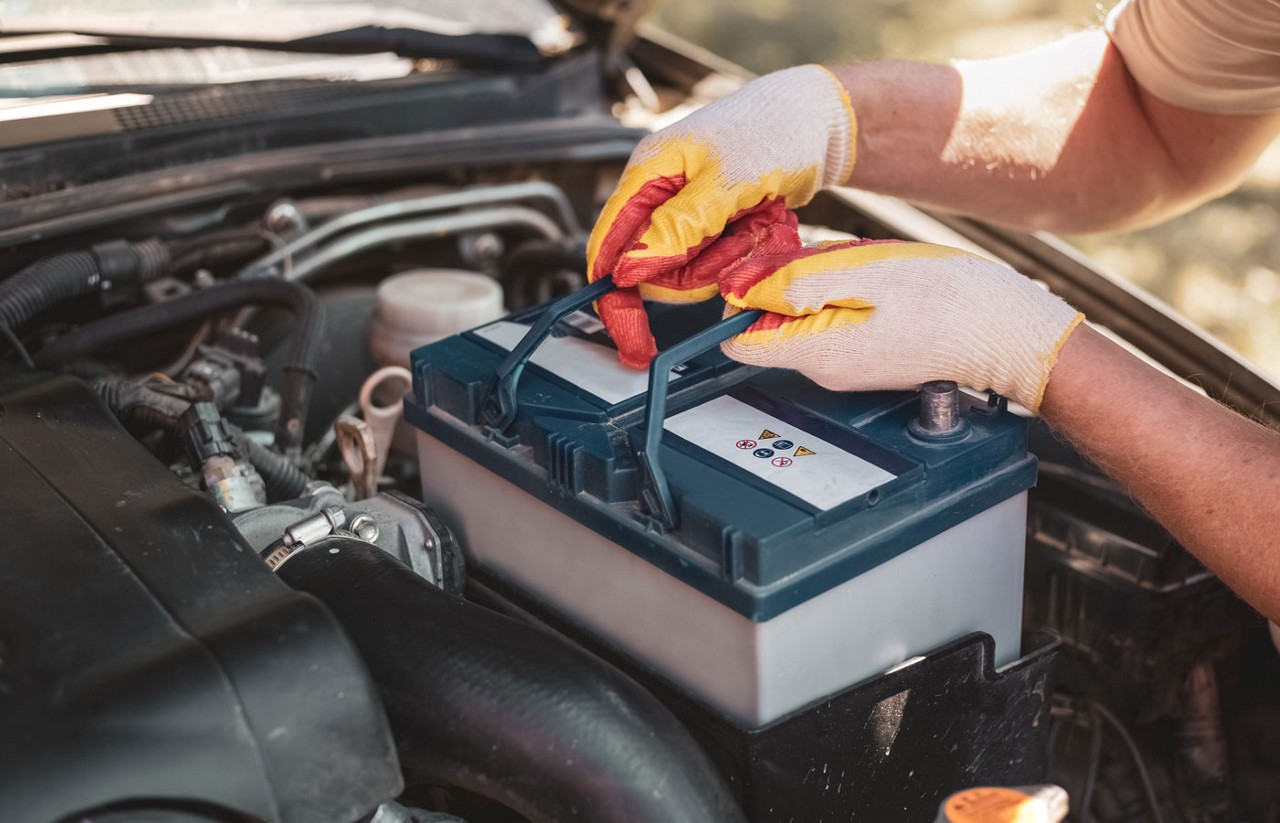
Car off for at least 3 hours (overnight is best). Set your meter to DC volts. Touch red to positive, black to negative. Read the voltage. This gives a quick look at state of charge. Low voltage can mean weak charge or a failing battery.
| State of Charge | AGM & Flooded Open-Circuit Voltage (12V) | What It Means |
|---|---|---|
| 100% | 12.7–12.9V (AGM ~12.9V; Flooded ~12.6–12.7V) | Fully charged and healthy |
| 75% | 12.5V | Good, may need a top-up soon |
| 50% | 12.2V | Needs charging; avoid cranking |
| 25% | 12.0V | Very low; charge immediately |
| 0% | 11.8V or less | Discharged; may be damaged if left low |
Step 4: Check Cranking Voltage
Have a helper start the car while you watch the meter. If voltage dips below ~9.6V during crank, the battery or cables may be weak. Short trips and cold weather can make this worse. Charge first, then retest before replacing.

Step 5: Test Charging System
With the engine running, check voltage at the battery. A healthy alternator shows about 13.8–14.7V. AGM may prefer 14.4–14.7V under charge. If you see 15V+ for long periods, the regulator may be faulty and can cook any battery.
For more guidance on testing and replacement timing, see what is explained by AAA. They share simple signs and steps drivers can use at home.
Common Symptoms, Likely Causes, and Fast Fixes
When your car acts up, time matters. Use this quick map to go from symptom to cause to fix. Most issues are simple—weak charge, bad connections, or a tired battery. You can check many of these in your driveway.
| Symptom | Likely Cause | DIY Fix |
|---|---|---|
| Slow crank, then starts | Low charge, weak battery, cold weather | Charge overnight with a smart charger; clean terminals |
| Clicking, no start | Dead battery, corroded terminals, bad ground | Jump-start; clean/tighten cables; test voltage drop |
| Dim lights at idle | Low alternator output, slipping belt | Check running voltage; inspect belt and tension |
| Battery dies overnight | Parasitic draw (dash cam, module staying awake) | Pull fuses to isolate; add a battery maintainer when parked |
| Rotten egg smell | Overcharging, boiling electrolyte (more common in flooded) | Stop driving; test charging system; replace if swollen |
| White/green crust on posts | Corrosion from acid vapor (flooded) or loose clamp | Clean with baking soda/water; apply dielectric grease |
| Car dies at lights (start-stop car) | Wrong battery type or weak AGM | Replace with correct AGM/EFB; reset battery monitor |
Charging Differences: AGM vs Flooded (Get This Right)
Charging rules are not the same for all batteries. AGM likes a controlled, slightly higher voltage and a gentle finish. Flooded is more forgiving but can lose water if overcharged. Use a smart charger with an AGM mode when possible.
Safe Charging Steps (Both Types)
Park in a ventilated area. Turn off the car. Connect charger positive to battery positive. Connect charger negative to chassis ground (not the battery negative post) if the maker says so. Set battery type on the charger. Start charging. Let it reach full before disconnecting.
Recommended Charging Targets
Most smart chargers handle this for you, but targets help. AGM bulk/absorption is often 14.4–14.7V. Flooded bulk/absorption is often 14.2–14.5V. Float is ~13.2–13.6V for both. Avoid “equalization” mode on AGM unless the maker says it’s OK.
Alternator Reality Check
Modern alternators manage voltage well, but short trips hurt both types. If you do many tiny trips, use a maintainer once a week. For cars with battery monitors, some need a reset or “registration” after battery replacement so charging stays accurate.
For independent testing insights on battery performance and proper charging, see guidance from Consumer Reports. Their lab work can help you choose the right style and size.
Cost, Lifespan, and Warranty: What to Expect
Flooded lead-acid is cheaper up front. AGM costs more but often lasts longer in hard use. Value depends on how and where you drive. If you drain the battery often or face harsh temps, AGM can pay off by avoiding early failure.
| Factor | AGM Battery | Flooded Lead-Acid |
|---|---|---|
| Typical Price (12V starting) | Higher ($180–$350+) | Lower ($100–$200) |
| Average Lifespan | 4–6 years (can be longer with care) | 3–5 years (varies widely) |
| Warranty Range | Often 3 years free replacement | 1–3 years free replacement |
| Best Use Case | Heavy electrical loads, start-stop, vibration, cold | Budget cars, mild climates, light accessory use |
| Hidden Costs | Needs AGM-capable charger for best life | May need distilled water (serviceable types) |
Cold, Heat, and Real-World Driving: What Actually Happens
Weather is hard on batteries. Cold slows chemical reactions. Heat speeds them up and dries them out. Your habits matter too. Short trips, long sits, and heavy electronics all change the game. Here’s how it plays out on the road.
Winter Starts
Below freezing, you need strong cranking amps. AGM usually holds voltage better during cranking and recovers faster. Flooded can work fine, but make sure it is fully charged and has enough CCA for your climate.
Summer Heat
High heat is brutal. It can evaporate electrolyte in flooded batteries and age any battery fast. Park in the shade. Keep the engine bay clean to boost airflow. If your battery lives near the exhaust or turbo, heat soak is real.
Short Trip City Life
Frequent starts with little driving time means low charge. AGM handles partial state-of-charge better, but no battery likes it forever. Use a smart maintainer. Plan one longer drive per week to top the battery off.
Long Storage
Store at full charge. Disconnect or use a maintainer. AGM self-discharges slower and resists sulfation better. Flooded can sulfate and lose capacity if it sits low. A maintainer solves both problems.
Installation and Maintenance: Do It Right the First Time
Swapping a battery is easy when you plan. Wrong steps can lock windows, clear radio presets, or confuse the charging system. Read this before you loosen a bolt. It will save time and headaches.
Tools You’ll Need
10mm/12mm wrenches or sockets. Battery terminal brush. Dielectric grease. Smart charger or maintainer. Memory saver (optional). Gloves and eye protection. A rag and baking soda solution for cleanup.
Step-by-Step: Replace a Car Battery
Turn off the car and remove the key. If you use a memory saver, plug it in. Loosen and remove the negative cable first. Then remove the positive. Remove the hold-down. Lift out the old battery. Clean the tray and terminals. Drop in the new battery. Reinstall the hold-down. Connect positive first, then negative. Smear a light film of dielectric grease on terminals. Start the car and check charging voltage.
Special Notes for Flooded Lead-Acid
If your battery has caps, check electrolyte level a few times a year. Add only distilled water. Keep the top clean and dry. Make sure vent tubes (if any) are clear. Corrosion is more common, so keep clamps tight and protected.
Special Notes for AGM
Use an AGM-capable charger. Avoid overvoltage and “equalization” modes. If the car has a battery monitoring sensor, reset or register the new battery so the alternator charges it correctly. Keep it clean to avoid small parasitic losses.
Safety Tips You Should Not Skip
Even “maintenance-free” batteries can be dangerous if handled wrong. Acid can burn. Hydrogen gas can ignite. Shorts can melt tools. Take a minute to stay safe and you’ll do fine.
- Always wear eye protection and gloves.
- Work in a ventilated area. Keep sparks and flames away.
- Remove jewelry. A ring can short a battery.
- Disconnect negative first. Reconnect negative last.
- Never lean over a battery while cranking.
- Neutralize acid with baking soda and water before cleanup.
- Use the right charger mode for AGM or flooded.
Tools and Gear I Recommend Keeping in Your Trunk
A small kit can turn a bad day into a quick fix. These items are cheap and can save a tow. Keep them in a small bag so they don’t roll around. You will thank yourself later.
- Compact lithium jump starter
- Heavy-duty jumper cables (4-gauge)
- Digital multimeter
- Socket set and 10mm wrench
- Terminal brush and small wire brush
- Nitrile gloves and safety glasses
- Smart battery maintainer (for garage use)
AGM vs Lead Acid Battery: Myths vs Facts
Let’s clear up the most common misunderstandings. These myths cost drivers money and time. The facts are simple once you see them. Use them to make a confident choice.
- Myth: AGM always lasts twice as long. Fact: It can last longer in tough use, but heat and charging habits matter more than type alone.
- Myth: Any charger works for AGM. Fact: Use an AGM mode. Wrong voltage can shorten life.
- Myth: Flooded batteries are junk. Fact: They’re solid and budget-friendly for many cars.
- Myth: Higher CCA is always better. Fact: Match the maker’s spec. Too big or small can hurt performance or fitment.
- Myth: A new battery will fix any starting issue. Fact: Bad cables, grounds, or alternators cause similar symptoms.
- Myth: You must fully drain to “recalibrate.” Fact: Deep discharges damage lead-acid batteries. Keep them charged.
Step-by-Step: Diagnose a No-Start in 10 Minutes
When your car won’t start, don’t panic. You can do a fast, simple check with no special skills. Follow this order and you’ll know your next step with confidence. Most drivers can do this in their driveway.
- Turn on headlights. Are they bright? If dim or dead, the battery is low.
- Check terminals. Are they tight and clean? Wiggle by hand.
- Listen while cranking. One click = battery or connection. Rapid clicks = very low charge.
- Measure voltage. Less than 12.2V at rest? Charge first, then retest.
- Jump-start the car. If it starts, battery or cables are likely the issue.
- With engine running, check charging. 13.8–14.7V is normal. Too low or too high means alternator/regulator trouble.
- If it dies again soon, check for parasitic drain or a battery past its life.
Deep Dive: Why AGM Handles Abuse Better
AGM’s secret is the glass mat that holds the acid. It keeps the plates tightly packed, which reduces vibration damage. It also lowers internal resistance. That means more stable voltage under load and faster charging. Great for winching, audio, and start-stop systems.
Sulfation and Partial Charge
All lead-acid batteries sulfate when left low. AGM slows the damage and can recover better when recharged soon. Flooded batteries sulfate faster and may need a reconditioning charge to recover. Don’t let either type sit below 12.4V for long.
Why Start-Stop Cars Need AGM
Start-stop cars crank the engine many times a day. They also power accessories with the engine off. AGM handles these short, heavy bursts and partial charges better. Many systems are tuned for AGM. Using flooded can cause early failure.
Choosing the Right Size and Specs (No Guesswork)
The best battery is the right type, the right size, and the right power. Don’t eyeball it. A proper fit protects the case and cables. The right CCA ensures quick starts in winter. Use the owner’s manual or a fitment guide.
- Group size: Physical size and terminal layout (e.g., 24F, 35, 48, 94R).
- CCA: Match or exceed OEM for your climate.
- Reserve capacity (RC): Longer run time with engine off.
- Terminal type and location: Top or side post; polarity must match.
- Venting: Flooded often needs a vent tube in the cabin/trunk.
Parasitic Drain: Stop the Overnight Killers
Some electronics keep pulling power when parked. A dash cam, OBD dongle, or aging module can drain a battery. Both AGM and flooded suffer here. Find the draw before you buy a new battery you don’t need.
Simple Drain Hunt
Charge the battery. Set the multimeter to measure amps in series with the negative cable. Wait 20–40 minutes for the car to sleep. Normal is often under 50mA. Pull fuses one at a time to find the culprit. Fix or unplug it when parked.
AGM vs Lead Acid Battery for Audio, Off-Road, and RV
Big accessories need stable voltage. Audio amps, light bars, winches, and inverters all hit the battery hard. AGM holds voltage better when the load spikes. If you camp or tailgate, consider a second deep-cycle AGM for house loads.
- Audio builds: AGM under hood, plus a rear AGM or capacitor bank if needed.
- Off-road: AGM tolerates bouncing and water crossings better (sealed).
- RV/Boat: Use deep-cycle AGM for house power; keep a starting battery for the engine.
When to Replace vs When to Recharge
Don’t toss a battery that only needs a good charge. But don’t fight a lost cause either. A battery near end of life wastes your time and can strain the alternator. Use these rules to decide fast.
- Recharge if: Voltage is low after sitting, but the battery is under 4 years old and cranks OK after charging.
- Replace if: It fails load tests, swells, leaks, or is over 4–5 years and unreliable.
- Recharge and retest if: Cranking dips below 9.6V, but cables were dirty and now are clean.
- Replace if: Your start-stop AGM was replaced with a flooded unit and keeps failing.
Eco and Disposal Notes (Do the Right Thing)
Lead-acid batteries are highly recyclable. Most parts stores give a core credit when you return the old one. Do not throw it in the trash. The lead, plastic, and acid get reused. It keeps costs down and protects the environment.
FAQ: AGM vs Lead Acid Battery
Quick answers to the most common questions drivers ask me in the shop.
Is AGM worth it over a regular lead-acid battery?
Yes, if you have start-stop, heavy accessories, short trips, or harsh weather. AGM holds up better. For a basic commuter in mild weather, flooded is okay and cheaper.
Can I replace a flooded battery with an AGM?
Usually yes, if it fits your group size and terminal layout. Make sure your charging system is healthy. Use an AGM-capable charger at home.
How long do AGM batteries last?
About 4–6 years on average. Some last longer with good charging habits and mild weather.
Do AGM batteries charge faster?
Yes. Lower internal resistance means they accept charge quicker. Use the AGM setting on a smart charger for best results.
Can I use a trickle charger on AGM?
Use a smart maintainer with an AGM mode. Old-school constant trickle chargers can overcharge and reduce life.
What voltage is a bad battery?
At rest, under 12.2V means it’s at or below 50% charged. Charge it, then retest. If it still cranks weak or drops below 9.6V during start, it may be worn out.
Why does my battery die after short trips?
Short trips don’t give the alternator enough time to recharge after starts. Add a weekly maintainer session or plan a longer drive.
Conclusion
AGM vs lead-acid is simple when you match the battery to your life. AGM costs more but handles tough use, start-stop systems, and cold starts better. Flooded is cheaper and fine for basic cars and mild driving. Test your voltage, inspect the cables, and charge before you replace. When it’s time, choose the right group size and CCA, and use an AGM-capable charger for best battery life. Check yours today so your next start is strong and stress-free.