Choosing the right car seat cover protects your seats, enhances comfort, and improves your car’s interior look. This guide helps you pick the best type based on material, fit, and lifestyle needs.
Quick Answers to Common Questions
Tip/Question?
Should I buy a seat cover for my new car?
Yes! Even new cars benefit from seat covers. They protect against early wear and help maintain resale value.
Tip/Question?
Can I install seat covers myself?
Absolutely. Most covers come with instructions and take 15–30 minutes to install. No tools needed.
Tip/Question?
Are seat covers safe with side airbags?
Only if they’re labeled “airbag safe.” Look for covers with designated seams that allow airbags to deploy.
Tip/Question?
Do seat covers reduce seat comfort?
Not if you choose the right material. Neoprene and microfiber add cushioning, while mesh improves breathability.
Tip/Question?
Can I wash my seat covers in the washing machine?
Check the label first. Many neoprene and polyester covers are machine washable—just use cold water and gentle cycles.
What Type of Car Seat Cover Is Best for Your Vehicle?
Your car’s seats take a beating. From coffee spills and muddy paws to daily wear and tear, they’re one of the most used parts of your vehicle. That’s where car seat covers come in—they protect your original upholstery, add comfort, and can even boost your car’s resale value. But with so many options on the market, how do you know what type of car seat cover is best for your vehicle?
In this guide, we’ll walk you through everything you need to know to make the smartest choice. Whether you drive a compact sedan, a rugged SUV, or a family minivan, we’ll help you pick the perfect seat cover based on material, fit, lifestyle, and budget. By the end, you’ll feel confident choosing a cover that looks great, lasts long, and keeps your seats in top shape.
Step 1: Understand the Main Types of Car Seat Covers
Before diving into materials and brands, it’s important to know the basic types of seat covers available. Each has pros and cons, so matching the right type to your needs is the first step.
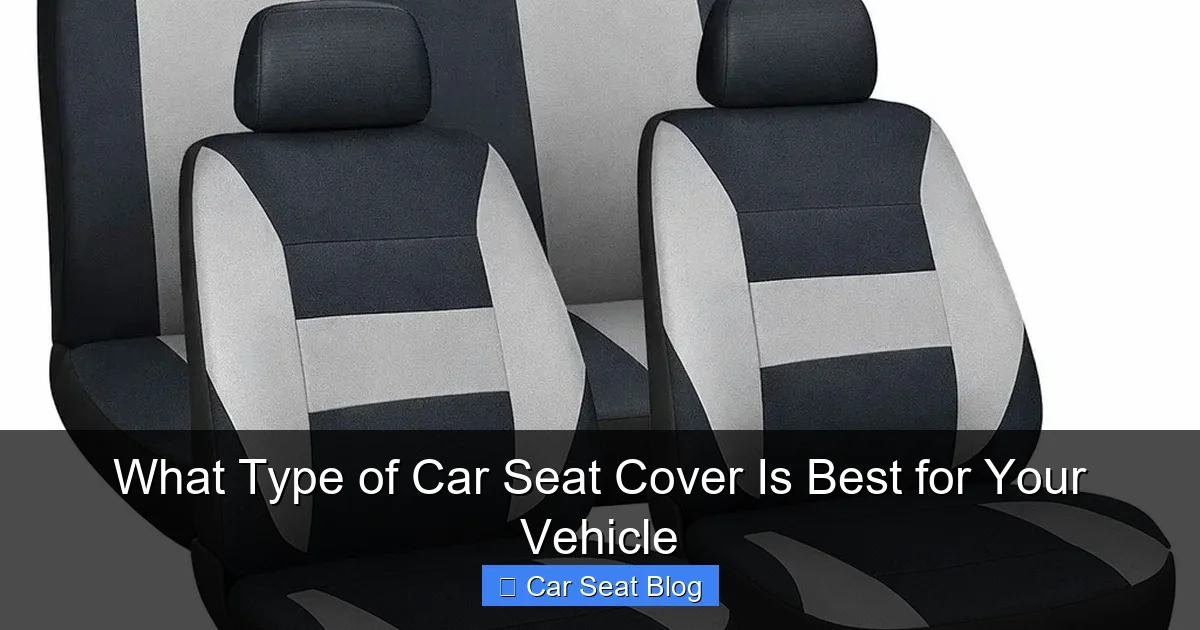
Visual guide about What Type of Car Seat Cover Is Best for Your Vehicle
Image source: odo-cdn.imgix.net
Universal Fit Seat Covers
These are designed to fit a wide range of vehicles. They’re usually made from stretchy materials like spandex or polyester and come in one-size-fits-most designs. Universal covers are affordable and easy to find, making them a popular choice for budget-conscious drivers.
However, they often don’t fit as snugly as custom options. You might notice wrinkles, gaps, or shifting during use. They’re best for temporary use or if you frequently change vehicles.
Semi-Custom Seat Covers
These are a middle ground between universal and custom. Semi-custom covers are designed for specific car models or categories (like SUVs or trucks) but may not match every trim level exactly. They offer a better fit than universal covers and are more affordable than full custom sets.
If you want a neat look without breaking the bank, semi-custom is a solid choice. Just double-check compatibility with your vehicle’s year, make, and model before buying.
Custom-Fit Seat Covers
These are tailored to your exact vehicle model, including seat shape, headrests, armrests, and airbag locations. Custom-fit covers provide the best protection, appearance, and safety—especially since they’re designed to work with side airbags.
They’re more expensive, but the precision fit makes them worth it for long-term use. Brands like Coverking and CalTrend specialize in custom options.
Step 2: Choose the Right Material for Your Needs
The material of your seat cover affects comfort, durability, and ease of cleaning. Here are the most common options and who they’re best for.
Neoprene
Neoprene is a synthetic rubber material known for its water resistance and durability. It’s the same stuff used in wetsuits, so it’s great for wet climates or active lifestyles. Neoprene seat covers are soft, stretchy, and mold to your seats for a snug fit.
They’re ideal for people who live near the beach, enjoy outdoor adventures, or have kids and pets. Neoprene resists spills, sweat, and sand, and it’s easy to wipe clean. Just avoid direct sunlight for long periods, as it can fade over time.
Leather (Real or Faux)
Leather seat covers offer a sleek, luxurious look. Real leather is durable and ages beautifully, but it’s expensive and can get hot in summer. Faux (or vegan) leather is more affordable, easier to clean, and animal-friendly.
Both types resist stains and are great for formal or professional settings. However, they can crack in extreme heat or cold if not maintained. Use leather conditioners regularly to keep them looking new.
Polyester and Microfiber
These are budget-friendly, lightweight materials that come in many colors and patterns. Polyester seat covers are easy to clean and resist fading, making them a popular choice for families.
Microfiber is softer and more absorbent, great for comfort but less water-resistant. It’s best for dry climates or indoor use. Avoid these if you frequently spill liquids or have pets that shed.
Mesh and Breathable Fabrics
If you live in a hot climate, breathable materials like mesh or bamboo fabric can keep you cool. These covers allow air to flow, reducing sweat and discomfort on long drives.
They’re lightweight and often machine washable, but not as durable as neoprene or leather. Great for summer use or gym-goers who want to stay fresh.
Canvas and Heavy-Duty Fabrics
For trucks, work vehicles, or off-road adventures, heavy-duty materials like canvas or Cordura are tough and long-lasting. They resist tears, abrasions, and dirt.
These are perfect for contractors, farmers, or anyone who uses their vehicle for rugged tasks. They’re not the most stylish, but they’re built to last.
Step 3: Match the Cover to Your Lifestyle
Your daily habits play a big role in choosing the right seat cover. Ask yourself: What do I use my car for most?
Families with Kids
If you’re shuttling kids to school, sports, and activities, spills and messes are inevitable. Choose waterproof, stain-resistant covers like neoprene or heavy-duty polyester. Look for easy-clean surfaces and covers that won’t trap crumbs or dirt.
Bonus: Some covers come with built-in cup holders or extra padding for comfort during long rides.
Pet Owners
Pets bring joy—and fur, claws, and accidents. Opt for covers made from durable, scratch-resistant materials. Neoprene and canvas are excellent choices because they’re easy to wipe down and resist odors.
Look for covers with non-slip backing to keep them in place, even when your dog jumps in and out. Some brands even offer pet-specific designs with raised edges to contain messes.
Outdoor Enthusiasts
Hikers, campers, and beachgoers need covers that can handle sand, mud, and moisture. Neoprene is the top pick here—it’s waterproof, quick-drying, and tough.
Consider seat covers with extra padding for comfort on rough terrain. And if you tow gear, make sure the cover doesn’t interfere with seat belts or anchors.
Commuters and Professionals
If you spend hours in traffic or use your car for work, comfort and style matter. Leather or microfiber covers offer a clean, professional look and are comfortable for long drives.
Choose neutral colors that match your interior and resist showing wear. Bonus points if they’re wrinkle-free and low-maintenance.
Step 4: Ensure a Secure and Safe Installation
A great seat cover is useless if it doesn’t stay in place. A loose cover can slide around, bunch up, or even interfere with airbags—posing a safety risk.
Check for Airbag Compatibility
Never buy a seat cover that blocks side airbags. Most quality covers have built-in stitching or seams that allow airbags to deploy properly. Look for labels like “airbag safe” or “side-impact compatible.”
Use Straps, Hooks, and Elastic Edges
The best covers come with attachment systems. Elastic edges help them hug the seat, while straps and hooks secure them underneath. Some even use Velcro or snap buttons for a tighter fit.
Take a few minutes to install the cover correctly. A snug fit looks better and lasts longer.
Test the Fit Before Finalizing
After installing, sit in the seat and move around. Does the cover shift? Are the headrests easy to remove and replace? Make sure seat belts are accessible and functional.
If something feels off, adjust the straps or contact the manufacturer for guidance.
Step 5: Maintain Your Seat Covers for Long-Lasting Use
Even the best seat covers need care to stay in great condition. Follow these tips to extend their life.
Clean Regularly
Wipe down covers weekly with a damp cloth to remove dust and spills. For deeper cleaning, check the care label. Many neoprene and polyester covers are machine washable.
Avoid harsh chemicals that can damage fabric or cause fading. Mild soap and water usually do the trick.
Air Dry When Possible
Heat can shrink or warp certain materials. Let covers air dry after washing. If using a dryer, choose a low-heat setting and remove while slightly damp.
Store Properly When Not in Use
If you remove your covers (like switching from winter to summer sets), store them in a cool, dry place. Fold neatly and avoid crushing to prevent creases.
Troubleshooting Common Issues
Even with the best planning, problems can happen. Here’s how to fix common seat cover issues.
Cover Keeps Slipping
This usually means the fit isn’t tight enough or the attachment system is weak. Try tightening straps, adding non-slip pads underneath, or switching to a custom-fit model.
Fading or Discoloration
Caused by sun exposure or harsh cleaners. Park in the shade when possible and use UV-protectant sprays. Stick to gentle cleaning products.
Odors Build Up
Especially common with fabric covers. Sprinkle baking soda on the surface, let it sit for an hour, then vacuum. For persistent smells, use an enzyme-based cleaner.
Zippers or Straps Break
Contact the manufacturer—many offer replacement parts. Avoid forcing zippers or over-tightening straps to prevent damage.
Conclusion
Choosing the best car seat cover doesn’t have to be overwhelming. Start by identifying your vehicle type and lifestyle needs. Then, pick a material that matches your climate and usage. Whether you go for custom-fit neoprene for your SUV or stylish leather for your sedan, the right cover will protect your investment and make every drive more comfortable.
Remember: a good seat cover is more than just a shield—it’s an upgrade. It keeps your car looking fresh, adds value, and gives you peace of mind. So take the time to choose wisely, install properly, and maintain regularly. Your seats (and your passengers) will thank you.

