Best Material for Car Seat Covers That Lasts Longer

Choosing the right material for car seat covers can save you money and keep your car looking fresh. This guide breaks down the top options—like neoprene, leather, and polyester—so you can pick the one that fits your lifestyle and lasts the longest.
Quick Answers to Common Questions
Tip/Question?
Can I wash neoprene seat covers in the washing machine?
Yes, but use a gentle cycle with cold water and air dry. Avoid fabric softeners and high heat, which can damage the material.
Tip/Question?
Do leather seat covers crack in cold weather?
They can if not conditioned. Use a leather conditioner in winter to keep the material flexible and prevent cracking.
Tip/Question?
Are universal seat covers worth buying?
Not usually. They often fit poorly and wear out faster. Custom-fit covers offer better protection and durability.
Tip/Question?
How often should I clean my seat covers?
Vacuum weekly and spot-clean spills immediately. Deep clean every 1–3 months depending on use.
Tip/Question?
Can seat covers damage my original upholstery?
Rarely, but low-quality covers with rough backing or poor fit can cause friction. Choose soft, non-abrasive materials and ensure a snug fit.
Introduction: Why Material Choice Matters for Car Seat Covers
Your car’s seats take a beating—spills, sunlight, pet hair, kids’ snacks, and daily wear. That’s why choosing the best material for car seat covers isn’t just about looks. It’s about protection, comfort, and long-term value. The right cover can prevent fading, tearing, and stains, saving you from costly upholstery repairs or replacements.
In this guide, we’ll walk you through the top materials used in car seat covers, comparing their durability, comfort, ease of cleaning, and cost. Whether you drive a family SUV, a rugged truck, or a sleek sedan, you’ll learn how to pick a cover that lasts longer and fits your lifestyle. Let’s dive in.
Step 1: Understand Your Driving Lifestyle
Before picking a material, ask yourself: How do you use your car? Your daily routine plays a big role in which seat cover will hold up best.
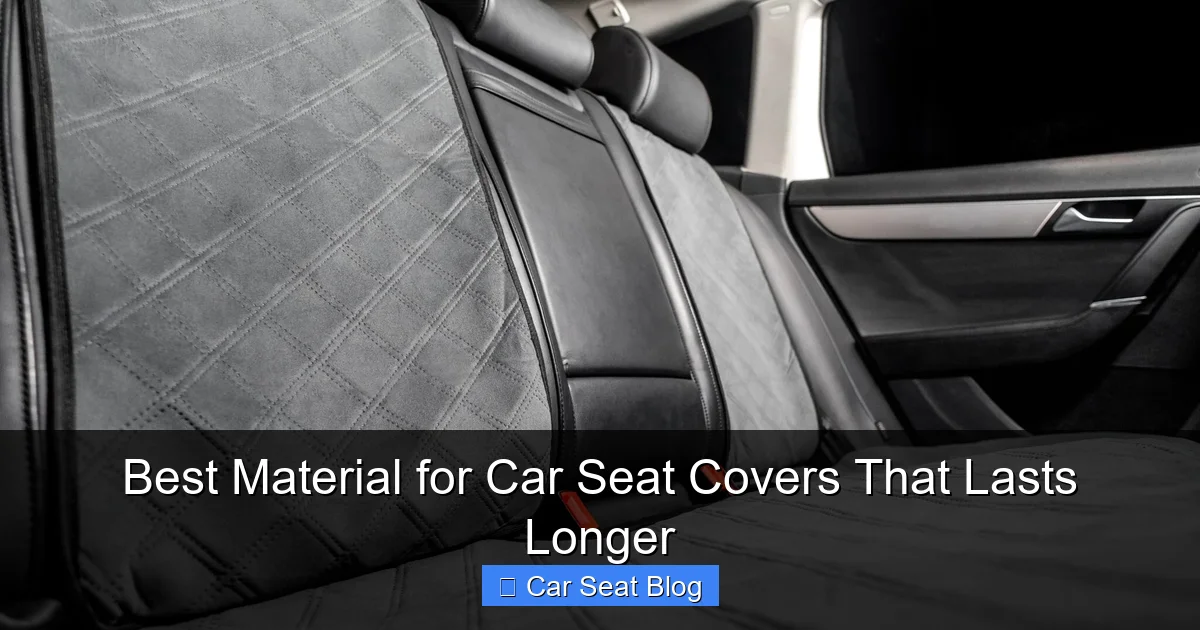
Visual guide about Best Material for Car Seat Covers That Lasts Longer
Image source: d1fpslrlhpinmq.cloudfront.net
Are you a parent with young kids?
If so, you need something stain-resistant and easy to wipe clean. Spills and crumbs are inevitable, so prioritize materials that don’t absorb liquids.
Do you have pets that ride in the car?
Pet owners should look for scratch-resistant, waterproof fabrics that repel fur and odors.
Do you live in a hot or humid climate?
Breathable materials prevent sweat and mildew. Avoid anything that traps heat.
Are you frequently on road trips or outdoor adventures?
Durable, UV-resistant covers will protect against sun damage and rough use.
Step 2: Compare the Top Materials for Car Seat Covers
Now that you know your needs, let’s explore the most popular materials and how they perform over time.
Neoprene: The All-Weather Champion
Neoprene is a synthetic rubber originally used in wetsuits. It’s now a favorite for car seat covers because it’s waterproof, flexible, and incredibly durable.
- Pros: Resists water, oil, and dirt. Stretches to fit snugly. Great for spills and wet clothes.
- Cons: Can get hot in direct sunlight. Slightly more expensive than basic fabrics.
- Best for: Families, pet owners, boaters, and anyone who values waterproof protection.
Example: If you take your dog to the beach every weekend, neoprene covers will survive sand, saltwater, and muddy paws without a stain.
Leather (Genuine or Synthetic)
Leather seat covers scream luxury and can last decades with proper care. But not all leather is created equal.
- Genuine leather: Soft, breathable, and ages beautifully. However, it’s pricey and needs conditioning to prevent cracking.
- Synthetic (faux) leather: More affordable and easier to clean, but may peel or crack over time, especially in extreme heat.
Leather resists stains and looks sharp, but it can get scorching hot in summer and slippery when wet. Use seat protectors or sunshades to extend its life.
Polyester: The Budget-Friendly Workhorse
Polyester is one of the most common materials due to its low cost and wide availability. It’s lightweight and comes in many colors and patterns.
- Pros: Affordable, machine-washable, and resists fading.
- Cons: Less durable than neoprene or leather. Can pill or tear under heavy use.
Great for city drivers or occasional use, but may not survive years of daily abuse. Look for reinforced polyester with added coatings for better longevity.
Canvas: Tough and Breathable
Canvas is a heavy-duty cotton or cotton-blend fabric known for its ruggedness. It’s often used in work trucks and off-road vehicles.
- Pros: Highly durable, breathable, and resistant to abrasion.
- Cons: Absorbs liquids unless treated. Can fade in direct sunlight.
Ideal for construction workers, farmers, or anyone who needs a no-nonsense cover that can handle dirt and tools. Choose water-resistant canvas for better protection.
Velvet and Velour: Soft but High-Maintenance
These plush fabrics feel luxurious and add a touch of elegance. However, they’re not practical for most drivers.
- Pros: Soft, stylish, and warm in cold weather.
- Cons: Traps pet hair and dust. Stains easily and hard to clean.
Best reserved for classic cars or show vehicles—not daily drivers.
Step 3: Prioritize Key Features for Longevity
Even the best material won’t last if it lacks important protective features. Here’s what to look for:
UV Resistance
Sunlight breaks down fabrics over time, causing fading and brittleness. Choose covers with UV inhibitors to protect against sun damage.
Water and Stain Resistance
Look for covers treated with hydrophobic coatings that repel liquids. This is crucial for spills, rain, or pet accidents.
Breathability
Non-breathable materials trap heat and moisture, leading to mildew and discomfort. Mesh panels or perforated designs improve airflow.
Reinforced Seams and Edges
Double-stitched seams and thick edges prevent fraying and tearing, especially in high-stress areas like seat bolsters.
Step 4: Ensure a Proper Fit
A poorly fitting cover will shift, bunch, or tear—no matter how durable the material. Always choose custom-fit or semi-custom covers designed for your car’s make, model, and year.
- Universal covers may be cheaper, but they rarely fit well.
- Check for compatibility with side airbags—some covers have built-in airbag flaps.
- Look for elastic straps, hooks, or Velcro to secure the cover in place.
Step 5: Install and Maintain Your Seat Covers Correctly
Even the toughest material needs proper care to last. Follow these tips:
Installation Tips
- Clean your seats thoroughly before installing.
- Follow the manufacturer’s instructions—don’t force the cover on.
- Smooth out wrinkles to prevent premature wear.
Cleaning and Maintenance
- Vacuum regularly to remove dirt and debris.
- Spot-clean spills immediately with a damp cloth and mild soap.
- Machine-wash removable covers (if labeled safe).
- Condition leather covers every 3–6 months.
- Avoid harsh chemicals that can degrade fabric or coatings.
Troubleshooting Common Issues
Even with the best material, problems can arise. Here’s how to fix them:
Cover Slipping or Bunching
This usually means the cover is too loose or not secured properly. Use additional straps or non-slip pads underneath.
Fading or Discoloration
Caused by UV exposure. Use a windshield sunshade and park in the shade when possible. Reapply UV protectant sprays if recommended.
Odors or Mildew
Result of trapped moisture. Air out the car regularly. Use odor-neutralizing sprays and ensure the cover is completely dry before reinstalling.
Cracking or Peeling (Especially Faux Leather)
Often due to heat and lack of maintenance. Keep the car cool and apply a vinyl/leather conditioner designed for synthetic materials.
Conclusion: Choose Smart, Drive Longer
The best material for car seat covers depends on your needs, but durability, fit, and maintenance are universal keys to longevity. Neoprene shines for active lifestyles, leather offers timeless style, and polyester provides budget-friendly protection. No matter your choice, prioritize quality construction, protective features, and proper care.
Investing in the right seat cover now means fewer replacements, a cleaner car, and better resale value down the road. Take the time to match the material to your life—and your seats will thank you for years to come.