When Should You Use a Car Seat Cover for Best Protection

Using a car seat cover at the right time can significantly extend the life of your vehicle’s interior and maintain its resale value. This guide covers when and why to use a seat cover, from daily commutes to family trips and pet travel.
Quick Answers to Common Questions
Tip/Question?
Should I use a seat cover if my car has leather seats?
Yes! Leather can fade, crack, and stain. A cover protects it from sun damage, spills, and daily wear while preserving resale value.
Tip/Question?
Can I use a seat cover with a built-in car seat?
Yes, but ensure the cover is compatible and doesn’t interfere with the car seat’s installation or the vehicle’s seatbelt system.
Tip/Question?
Do seat covers affect airbag deployment?
Only if they block the airbag seams. Always choose airbag-safe covers with proper cutouts.
Tip/Question?
How often should I wash my seat cover?
Every 2–4 weeks, or immediately after spills. Machine-washable covers make this easy.
Tip/Question?
Are universal seat covers a good choice?
They’re cheaper but often fit poorly. Custom-fit covers offer better protection and safety.
When Should You Use a Car Seat Cover for Best Protection
Your car’s seats take a beating—every day. From morning coffee spills to muddy soccer cleats, sun exposure, and pet paws, your upholstery faces constant threats. That’s where a car seat cover comes in. But knowing when to use one is just as important as choosing the right one. This guide will walk you through the best times and situations to use a car seat cover so you can protect your investment, keep your car looking fresh, and ensure safety and comfort for years to come.
Whether you’re a daily commuter, a parent shuttling kids to school, or a pet owner who loves road trips, understanding when to use a seat cover can save you time, money, and stress. We’ll cover practical scenarios, installation tips, and how to maintain your covers for long-term protection.
1. Daily Commuting and High-Traffic Use
If you drive to work every day—especially in stop-and-go traffic or during rush hour—your seats are under constant stress. Friction from getting in and out, exposure to dirt and grime, and temperature changes can degrade your upholstery over time.

Visual guide about When Should You Use a Car Seat Cover for Best Protection
Image source: cochaser.com
Why It Matters
Even small amounts of dirt and moisture can seep into fabric or leather, causing discoloration, odors, and eventual wear. A seat cover acts as a barrier, absorbing the brunt of daily use.
When to Use
- You drive more than 20 minutes each way to work.
- You frequently transport coworkers, clients, or ride-share passengers.
- Your car is parked outside and exposed to sun, rain, or snow.
Best Cover Type
For daily drivers, neoprene or polyester covers are ideal. They’re durable, water-resistant, and easy to clean. Neoprene, in particular, offers excellent protection against spills and resists fading from UV rays.
2. Families with Young Children
Kids bring joy—and messes. From juice boxes to snack crumbs, sticky fingers, and car seat harnesses that rub against fabric, children can quickly damage your car’s interior.
Why It Matters
Children’s car seats often leave indentations and stains on your upholstery. Plus, spills are almost guaranteed. A seat cover protects your original seats and makes cleanup a breeze.
When to Use
- You regularly transport children under 8.
- You use a forward- or rear-facing car seat.
- Your kids eat or drink in the car.
Best Cover Type
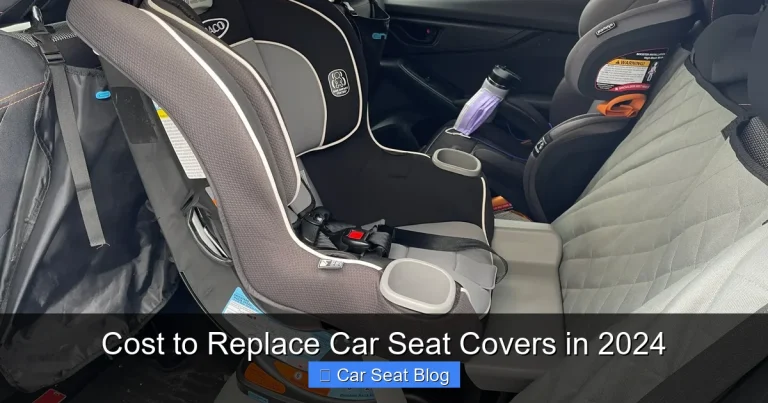
Look for waterproof, machine-washable covers with non-slip backing. Covers with extra padding also help protect your seats from the pressure of car seat bases. Some brands even offer covers specifically designed to work with car seats, preventing damage from LATCH systems and harnesses.
Pro Tip
Choose a cover with a smooth surface under the car seat. Rough textures can shift the seat, reducing safety. Always check that the cover doesn’t interfere with the car seat’s installation or the vehicle’s seatbelt.
3. Pet Owners and Animal Transport
Dogs and cats love car rides, but their claws, fur, and occasional accidents can wreak havoc on your seats. Even well-behaved pets can track in mud, shed excessively, or drool on long trips.
Why It Matters
Pet hair embeds deeply into fabric, and urine or vomit can cause permanent stains and odors if not cleaned quickly. A seat cover protects your upholstery and makes post-trip cleanup simple.
When to Use
- You take your pet on regular walks, vet visits, or road trips.
- Your pet rides in the back seat or on the passenger side.
- You have a long-haired or shedding breed.
Best Cover Type
Heavy-duty, waterproof covers with non-slip backing are best for pets. Look for materials like ballistic nylon or reinforced polyester that resist scratches. Some covers even have side flaps to protect door panels from claw marks.
Pro Tip
Use a cover with a hammock-style design if your pet rides in the back. It protects both the seat and the floor, and prevents your pet from falling into the footwell.
4. Harsh Weather and Climate Conditions
Extreme heat, cold, rain, and snow can damage your car’s interior. Sunlight fades colors and cracks leather, while moisture leads to mold and mildew.
Why It Matters
UV rays break down fabric fibers and dry out leather, causing it to crack. In winter, salt and snow tracked in from boots can stain and corrode upholstery.
When to Use
- You live in a sunny, hot climate (e.g., Arizona, Florida).
- You park outside with no garage or carport.
- You drive in snowy or rainy regions.
Best Cover Type
For sun protection, choose UV-resistant covers in light colors to reflect heat. In cold climates, insulated or fleece-lined covers add comfort and protect against salt damage. Leather or vinyl covers are easy to wipe down after snowy days.
Pro Tip
Even if you have leather seats, a cover can prevent fading and cracking. Leather conditioners help, but a cover provides an extra layer of defense.
5. Maintaining Resale Value
If you plan to sell or trade in your car someday, keeping the interior in excellent condition is crucial. Buyers pay attention to seat condition—and stained or worn seats can significantly lower your car’s value.
Why It Matters
A clean, well-maintained interior can increase your car’s resale value by hundreds of dollars. Seat covers preserve the original upholstery, making your car more attractive to buyers.
When to Use
- You drive a newer or high-end vehicle.
- You plan to sell your car within the next 3–5 years.
- You want to keep your car looking “like new.”
Best Cover Type
Choose custom-fit covers that match your car’s interior style. High-quality neoprene or leather-look covers give a premium appearance while protecting the original seats.
Pro Tip
Keep the original seat covers or upholstery clean and stored safely. When selling, remove the protective cover and show the pristine original seats—this proves you’ve taken great care of the vehicle.
6. After Spills, Stains, or Accidents
Even if you don’t use a seat cover full-time, it’s smart to have one on hand for emergencies. A sudden coffee spill, a child’s accident, or a pet mishap can happen anytime.
Why It Matters
Quick action prevents permanent damage. A seat cover can be installed immediately to absorb liquids and protect the seat until you can clean it properly.
When to Use
- You’ve had a recent spill that hasn’t been fully cleaned.
- You’re expecting guests who might spill food or drinks.
- You’re traveling and want extra protection in unfamiliar conditions.
Best Cover Type
Keep a foldable, waterproof cover in your trunk for emergencies. These are lightweight, easy to install, and can be washed and reused.
7. Installing and Using Seat Covers Safely
Using a seat cover isn’t just about protection—it’s also about safety. Improper installation can interfere with airbags, seatbelts, or child seat anchors.
Check for Airbag Compatibility
Most modern cars have side airbags built into the seat. Never use a cover that blocks or covers the airbag seams. Look for covers labeled “airbag-safe” or with designated cutouts.
Ensure Proper Fit
Ill-fitting covers can slip or bunch up, creating a distraction or hazard. Choose custom-fit covers designed for your car’s make and model.
Secure All Straps and Hooks
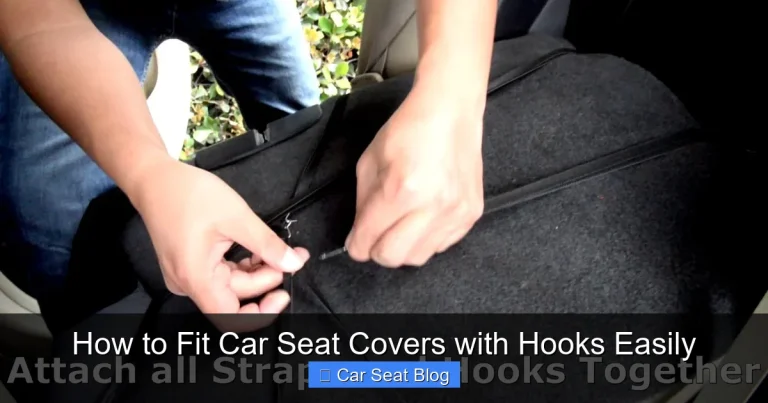
Most covers come with straps, hooks, or elastic bands to keep them in place. Always fasten these securely to prevent shifting while driving.
Test Seatbelt Function
After installation, buckle and unbuckle the seatbelt several times to ensure it moves freely. The cover shouldn’t restrict movement or cause the belt to twist.
Troubleshooting Common Issues
Cover Slips or Bunches Up
This usually happens with universal-fit covers. Solution: Upgrade to a custom-fit model or use non-slip seat pads underneath.
Odors Develop Over Time
Even waterproof covers can trap moisture. Solution: Remove and wash covers regularly. Use baking soda to deodorize if needed.
Cover Fades in the Sun
Cheap materials degrade quickly. Solution: Invest in UV-resistant covers and use sunshades when parked.
Difficult to Clean
Some covers require hand-washing or special cleaners. Solution: Choose machine-washable options for easy maintenance.
Conclusion
Using a car seat cover isn’t just about keeping your car clean—it’s a smart, practical step to protect your investment, enhance comfort, and maintain safety. Whether you’re a busy parent, a pet lover, or a daily commuter, there’s a perfect time and reason to use a seat cover. From preventing daily wear to safeguarding against spills and UV damage, the right cover can extend the life of your upholstery and keep your car looking great for years.
Remember: choose the right material for your lifestyle, install it correctly, and clean it regularly. With the right approach, a car seat cover becomes an essential part of your vehicle care routine—not an afterthought.