How to Hand Wash Car Seat Cover for a Clean Look

Hand washing your car seat cover is a gentle and effective way to remove dirt, stains, and odors without risking damage from machine washing. This guide walks you through every step—from removing the cover to drying it properly—so your car interior looks and smells fresh.
Key Takeaways
- Check the care label first: Always read manufacturer instructions to avoid damaging materials or voiding warranties.
- Use mild detergent and cold water: Harsh chemicals and hot water can degrade fabric and weaken stitching over time.
- Spot-treat stains before washing: Pre-treating with a gentle cleaner helps lift tough grime without scrubbing too hard.
- Hand wash gently in sections: Avoid wringing or twisting; instead, press water through the fabric to protect padding and shape.
- Air dry completely before reinstalling: Never reinstall a damp cover—moisture can lead to mold, mildew, and unpleasant odors.
- Reinstall carefully to maintain fit: Take photos before removal so you can reattach straps, hooks, and clips correctly.
- Wash regularly for long-term cleanliness: Aim to clean your seat covers every 3–6 months, or more often if you have kids or pets.
Why Hand Washing Is the Best Choice for Car Seat Covers
Car seat covers take a beating. Whether it’s spilled coffee, muddy paw prints, or just everyday dust and sweat, these fabric protectors absorb it all. While tossing them in the washing machine might seem like the easiest fix, most car seat covers aren’t designed for machine agitation—especially those with foam backing, Velcro straps, or delicate stitching. That’s why hand washing your car seat cover is often the safest and most effective method.
Hand washing gives you full control over water temperature, detergent strength, and scrubbing intensity. It’s especially ideal for covers made from sensitive materials like microfiber, neoprene, or leather blends. Plus, you can target problem areas without risking shrinkage, fading, or structural damage. In this guide, we’ll walk you through a complete, step-by-step process to hand wash your car seat cover and restore it to like-new condition—without the guesswork.
What You’ll Need Before You Start
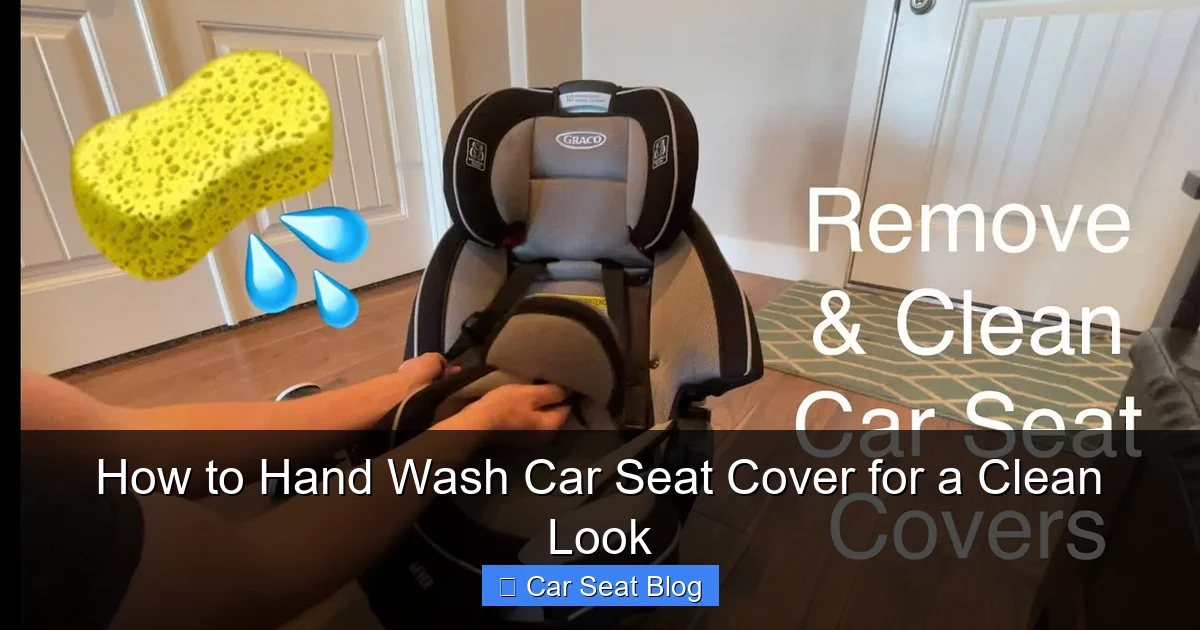
Visual guide about How to Hand Wash Car Seat Cover for a Clean Look
Image source: i.ytimg.com
Before diving in, gather these supplies to make the process smooth and efficient:
- A large basin, bathtub, or clean sink
- Mild laundry detergent (preferably free of bleach and fabric softeners)
- White vinegar (optional, for odor removal)
- Soft-bristle brush or clean sponge
- Clean microfiber towels
- Stain remover or pre-treatment spray (for tough stains)
- Gloves (to protect your hands)
- Hangers or a drying rack
- Vacuum cleaner with upholstery attachment (for pre-cleaning)
Having everything ready beforehand saves time and prevents mid-process interruptions.
Step 1: Remove the Car Seat Cover Safely
The first step in how to hand wash car seat cover is proper removal. Rushing this part can damage clips, straps, or the seat itself.
Check the Owner’s Manual
Start by consulting your vehicle’s manual or the seat cover manufacturer’s guide. Some covers are designed to stay on during cleaning, but most should be removed for thorough washing.
Take Photos for Reference
Before disconnecting anything, snap a few photos of how the cover is attached. This will help you remember where straps, hooks, and fasteners go during reinstallation.
Unfasten Straps and Clips
Gently unhook all straps, Velcro strips, and plastic clips. If your cover uses elastic bands, stretch them carefully—don’t yank. Set all hardware aside in a small container so nothing gets lost.
Lift the Cover Off
Once all attachments are free, slowly lift the cover off the seat. Be mindful of any foam padding or side airbags—don’t force it if it feels stuck.
Step 2: Pre-Treat Stains and Loosen Dirt
Now that the cover is off, it’s time to prep it for washing. Pre-treatment ensures deeper cleaning and reduces the need for aggressive scrubbing.
Vacuum the Surface
Use a vacuum with an upholstery attachment to remove loose dirt, crumbs, and pet hair. Pay extra attention to seams and crevices where debris hides.
Identify Stains
Look for visible stains like coffee rings, grease spots, or mud. Mark them lightly with a piece of tape if needed.
Apply Stain Treatment
Spray a small amount of stain remover or a mix of mild detergent and water onto each stain. Let it sit for 5–10 minutes—but don’t let it dry. For organic stains (like food or vomit), a paste of baking soda and water works well. For grease, a drop of dish soap can help break it down.
Step 3: Prepare the Washing Solution
Fill your basin, tub, or sink with cold or lukewarm water—never hot. Hot water can set stains and shrink fabrics.
Add Detergent
Pour in a small amount of mild detergent—about 1–2 tablespoons is usually enough. Avoid using too much, as excess suds are hard to rinse out and can leave residue.
Optional: Add Vinegar
For extra odor-fighting power, add ½ cup of white vinegar to the water. Vinegar is natural, non-toxic, and helps break down odors without harming most fabrics.
Mix Gently
Swirl the water with your hand to dissolve the detergent. You should see light suds—not a mountain of bubbles.
Step 4: Hand Wash the Seat Cover
Now comes the main event: washing the cover by hand. This step requires patience and care to avoid damaging the material.
Submerge the Cover
Place the seat cover in the water and press it down gently so it soaks completely. Let it sit for 5–10 minutes to loosen embedded dirt.
Clean in Sections
Using a soft sponge or brush, gently scrub one section at a time. Work in circular motions, focusing on stained or heavily soiled areas. Avoid scrubbing too hard—especially on printed designs or delicate fabrics.
Rinse Frequently
Dip your sponge in clean water often to avoid spreading dirt around. If the water gets too dirty, drain and refill with fresh solution.
Press, Don’t Wring
After scrubbing, press the fabric between your hands to release water. Never twist or wring the cover, as this can distort its shape or damage internal padding.
Step 5: Rinse Thoroughly
Residual detergent can attract more dirt and cause skin irritation, so rinsing is crucial.
Drain the Soapy Water
Empty the basin and refill it with clean, cold water.
Repeat the Rinsing Process
Submerge the cover again and press out the water. Repeat this 2–3 times until the water runs clear and no suds remain.
Check for Soap Residue
Run your fingers over the fabric—if it feels slimy, it still has detergent. Rinse again until it feels clean and smooth.
Step 6: Dry the Seat Cover Properly
Drying is just as important as washing. Improper drying can lead to mildew, odors, and fabric damage.
Remove Excess Water
Lay the cover flat on a clean towel. Roll it up tightly to absorb as much moisture as possible. Unroll and repeat with a dry towel if needed.
Hang to Air Dry
Hang the cover on a drying rack or hanger in a well-ventilated area—preferably outdoors in the shade or indoors near a fan. Avoid direct sunlight, which can fade colors and weaken fibers.
Flip Occasionally
Turn the cover every few hours to ensure even drying. Make sure both sides get airflow.
Never Use a Dryer
Even on low heat, a dryer can shrink, warp, or melt certain materials. Always air dry.
Step 7: Reinstall the Seat Cover
Once the cover is completely dry—usually after 12–24 hours—it’s time to put it back.
Check for Moisture
Before reinstalling, feel the fabric thoroughly. Any dampness can lead to mold growth inside the seat.
Refer to Your Photos
Use the photos you took earlier to guide reattachment. Start with the main body of the cover, then reattach straps, clips, and Velcro in the correct order.
Smooth Out Wrinkles
Once secured, smooth the fabric to eliminate wrinkles and ensure a snug fit. A well-fitted cover looks better and functions more safely.
Troubleshooting Common Issues
Even with careful washing, problems can arise. Here’s how to handle them:
Stubborn Stains Won’t Come Out?
Try a mixture of hydrogen peroxide and dish soap (1:1 ratio) on white fabrics. Test on a small area first. For colored fabrics, stick to enzyme-based cleaners.
Cover Still Smells After Washing?
Sprinkle baking soda over the dry cover, let it sit for an hour, then vacuum it off. This neutralizes lingering odors.
Fabric Feels Stiff After Drying?
This is often due to detergent residue. Rinse again with a cup of vinegar in the final rinse to soften fibers.
Cover Shrank or Lost Shape?
Unfortunately, this can happen with improper washing. In the future, stick to cold water and avoid wringing. If the cover no longer fits, consider replacing it.
Tips for Maintaining a Clean Car Seat Cover
To extend the time between washes and keep your car looking fresh:
- Use seat protectors or towels when transporting pets or messy items.
- Vacuum the cover monthly to prevent dirt buildup.
- Address spills immediately with a damp cloth and mild soap.
- Park in the shade or use a sunshade to reduce UV damage.
- Rotate covers if you have spares to reduce wear.
Final Thoughts
Learning how to hand wash car seat cover might take a little extra time, but the results are worth it. You’ll protect your investment, maintain your car’s resale value, and enjoy a cleaner, more comfortable ride. With the right tools, techniques, and a bit of patience, even the dirtiest seat cover can look brand new. Follow this guide regularly, and your car interior will stay fresh, clean, and inviting for years to come.