Choosing the right car seat covers can protect your seats, improve comfort, and enhance your car’s interior. This guide walks you through everything you need to know—from measuring your seats to selecting the best materials—so you can pick car seat covers that fit perfectly and last for years.
Key Takeaways
- Measure your seats accurately: Use a tape measure to get the length, width, and depth of your seats before shopping.
- Choose the right material: Neoprene, leather, and polyester each offer different benefits in terms of durability, comfort, and ease of cleaning.
- Prioritize safety and compatibility: Ensure the covers don’t interfere with airbags, seat belts, or LATCH systems.
- Check for custom-fit options: Vehicle-specific covers offer the best fit and protection compared to universal ones.
- Consider ease of installation and maintenance: Look for covers with simple installation steps and machine-washable fabrics.
- Match your lifestyle: Pet owners, families, and commuters should choose materials that suit their daily needs.
- Read reviews and check return policies: Real customer feedback helps you avoid poor-quality products.
How to Pick Car Seat Covers That Fit Perfectly
So, you’ve decided to protect your car seats—great choice! Whether you’re dealing with spills, pet hair, or just want to keep your interior looking fresh, car seat covers are a smart investment. But with so many options out there, how do you pick car seat covers that actually fit your seats like a glove? The truth is, not all covers are created equal. Some are too loose, others too tight, and many don’t account for important safety features.
In this guide, we’ll walk you through a simple, step-by-step process to help you choose car seat covers that fit perfectly, look great, and stand up to daily wear and tear. You’ll learn how to measure your seats, pick the right material, ensure safety compliance, and avoid common mistakes. By the end, you’ll feel confident in your decision—and your car seats will thank you.
Step 1: Know Your Seat Type and Model
Before you even start shopping, it’s essential to know what kind of seats you have. Car seats vary widely between vehicle makes and models. A seat in a Honda Civic won’t match one in a Ford F-150, and even seats within the same car can differ (front vs. rear, bench vs. bucket).
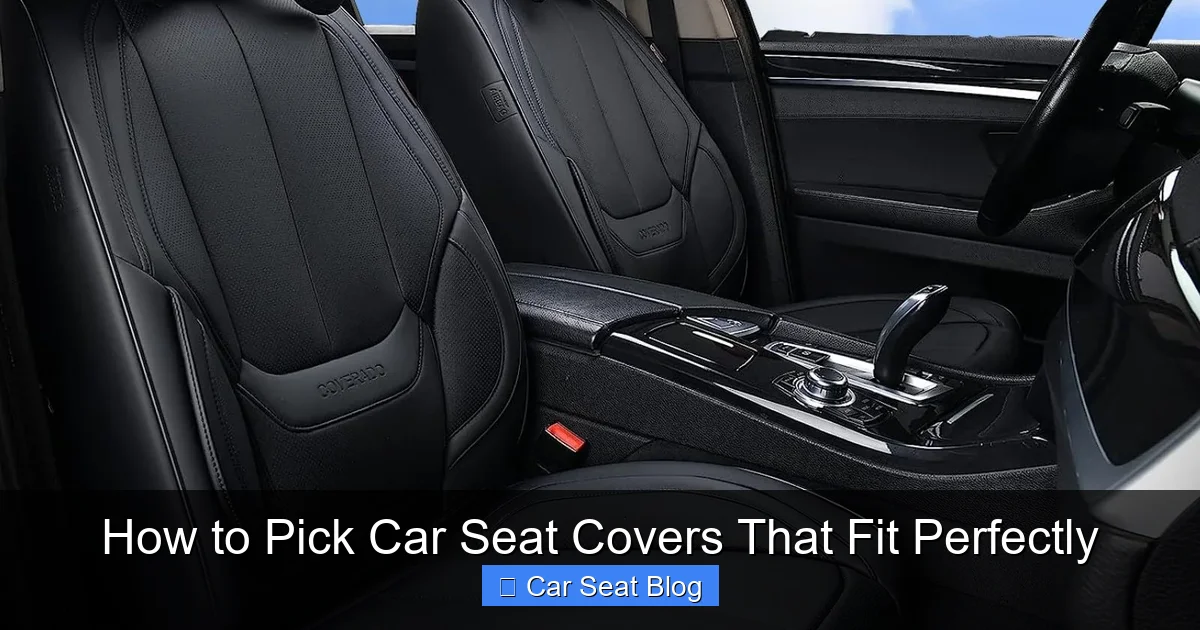
Visual guide about How to Pick Car Seat Covers That Fit Perfectly
Image source: m.media-amazon.com
Identify Your Seat Configuration
- Bucket seats: Individual front seats, common in most sedans and coupes.
- Bench seats: Long, single-piece rear seats, often found in SUVs and trucks.
- Split seats: Rear seats divided into sections (e.g., 60/40 split), which may require separate covers.
Check Your Vehicle’s Year, Make, and Model
Most high-quality seat cover brands design products specifically for certain vehicles. For example, a 2020 Toyota Camry will have different seat dimensions than a 2020 Camry Hybrid. Always double-check your car’s exact model and trim level. You can usually find this info on your registration, owner’s manual, or by checking the VIN.
Look for Built-in Features
Modern seats often come with built-in features like:
- Side airbags
- Heated or cooled seat elements
- Seat belt buckles integrated into the seat
- LATCH anchors for child seats
These features affect how seat covers should be designed. A poorly fitting cover could block an airbag or interfere with a child seat—so always choose covers that are compatible with these systems.
Step 2: Measure Your Seats Accurately
Even if you’re buying custom-fit covers, it’s smart to measure your seats yourself. This helps you verify the product description and avoid surprises.
Tools You’ll Need
- Flexible measuring tape (a fabric tape works best)
- Notepad and pen
- Smartphone camera (to take reference photos)
How to Measure
- Seat Back: Measure from the top of the headrest down to the bottom edge of the seat back. Then measure the width from left to right at the widest point.
- Seat Bottom: Measure from the front edge to the back where it meets the seat back. Then measure the width.
- Headrest: Measure the height and width of the headrest, especially if it’s detachable.
- Side Bolsters: Note any raised edges or contours on the sides of the seat—these affect how tightly a cover will fit.
Pro tip: Take photos of your seats from multiple angles. This helps when comparing product images online or showing a retailer what you need.
Step 3: Choose the Right Material
The material of your seat cover affects comfort, durability, and ease of cleaning. Here’s a breakdown of the most popular options:
Neoprene
Neoprene is a synthetic rubber material that’s water-resistant, stretchy, and great for active lifestyles. It’s commonly used in wetsuits, which means it handles moisture well—perfect for beach trips, gym clothes, or rainy commutes.
- Pros: Waterproof, durable, snug fit, resists fading
- Cons: Can get hot in summer, more expensive
- Best for: Pet owners, outdoor enthusiasts, families
Leather (Real or Faux)
Leather covers offer a premium, luxurious look. Real leather ages beautifully but requires maintenance. Faux (or vegan) leather is more affordable and easier to clean.
- Pros: Stylish, easy to wipe clean, long-lasting
- Cons: Can crack over time (real leather), slippery when wet
- Best for: Luxury vehicles, professional drivers, style-focused buyers
Polyester and Microfiber
These are budget-friendly, lightweight options that come in many colors and patterns. They’re machine-washable and resist stains well.
- Pros: Affordable, variety of designs, easy to clean
- Cons: Less durable, may fade or pill over time
- Best for: Daily commuters, students, temporary use
Canvas and Heavy-Duty Fabrics
Designed for tough conditions, these materials are ideal for trucks, work vehicles, or off-roading.
- Pros: Extremely durable, resistant to tears and abrasions
- Cons: Heavier, less comfortable in extreme temperatures
- Best for: Contractors, farmers, outdoor workers
Step 4: Prioritize Safety and Compatibility
Never compromise safety for style. A seat cover that blocks an airbag or interferes with seat belts can put you and your passengers at risk.
Check for Airbag Compatibility
Side airbags deploy from the seat itself, not the door. Look for seat covers labeled “airbag compatible” or “side-airbag safe.” These have built-in seams or tear lines that allow the airbag to deploy properly.
Ensure Seat Belt Access
The cover should not obstruct the seat belt buckle or retractor. Some covers have openings or flaps designed to accommodate seat belts—make sure these are functional and secure.
Verify LATCH System Access
If you use child car seats, ensure the covers don’t cover the LATCH anchors (the metal hooks between seat cushions). Many quality covers have labeled cutouts or removable sections for this purpose.
When in doubt, consult your vehicle’s owner’s manual or contact the seat cover manufacturer directly. Reputable brands will provide compatibility charts or customer support to help you choose safely.
Step 5: Decide Between Custom-Fit and Universal Covers
This is one of the most important decisions you’ll make. The fit of your seat cover directly impacts its performance and appearance.
Custom-Fit Seat Covers
These are designed specifically for your vehicle’s make, model, and year. They contour to your seats precisely, including headrests, armrests, and side bolsters.
- Pros: Perfect fit, better protection, looks factory-installed
- Cons: More expensive, limited style options
Universal Seat Covers
These are one-size-fits-most designs that use elastic straps and hooks to secure to various seat types.
- Pros: Affordable, widely available, easy to switch between vehicles
- Cons: Loose fit, may shift or wrinkle, less protection
For most drivers, custom-fit covers are worth the extra cost. They stay in place, look better, and offer superior protection. Universal covers can work in a pinch, but they’re best for temporary use or older vehicles.
Step 6: Consider Installation and Maintenance
Even the best seat covers aren’t helpful if they’re a pain to install or clean.
Ease of Installation
Look for covers with clear instructions, elastic edges, and hook-and-loop fasteners. Some come with installation videos or tools. Avoid covers that require you to remove the entire seat—this should be rare.
Cleaning and Care
Ask yourself: How often will I need to clean these?
- Machine-washable covers are ideal for families and pet owners.
- Wipe-clean materials like leather or neoprene are great for quick spills.
- Avoid covers that require special cleaners or dry cleaning—they’re high maintenance.
Also, check if the covers are fade-resistant, especially if your car gets a lot of sun. UV-resistant fabrics will keep their color longer.
Step 7: Match Covers to Your Lifestyle
Your daily habits should influence your choice. Here’s how different lifestyles affect cover selection:
Families with Kids
Choose stain-resistant, machine-washable materials like polyester or neoprene. Look for extra padding for comfort during long drives.
Pet Owners
Go for waterproof, scratch-resistant covers. Neoprene or heavy-duty canvas works best. Some covers even have built-in pet seat belts or non-slip backing.
Commuters and Professionals
Prioritize comfort and style. Microfiber or faux leather offers a clean look and is easy to maintain.
Outdoor Enthusiasts
Neoprene or waterproof canvas is ideal for handling mud, sand, and moisture.
Troubleshooting Common Issues
Even with careful planning, you might run into problems. Here’s how to fix them:
Cover Is Too Loose or Slips Around
This usually means you bought a universal cover that doesn’t match your seat shape. Try using additional straps or non-slip seat pads underneath. Or, consider upgrading to a custom-fit model.
Cover Blocks Airbag or Seat Belt
Stop using the cover immediately. Return it and choose one specifically designed for your vehicle with proper cutouts.
Material Pills or Fades Quickly
This often happens with low-quality polyester. Invest in higher-grade materials or brands with good warranties.
Difficult to Install
Watch installation videos from the manufacturer. Sometimes, warming the fabric (with a hair dryer) makes it more pliable and easier to stretch.
Final Tips for a Perfect Fit
- Read reviews: Look for comments about fit, durability, and ease of use.
- Check return policies: Buy from retailers that allow returns in case the fit isn’t right.
- Buy front and rear together: Some brands offer package deals that ensure consistent style and quality.
- Don’t rush: Take your time measuring and researching. A well-chosen cover lasts for years.
Conclusion
Picking car seat covers that fit perfectly doesn’t have to be overwhelming. By knowing your seat type, measuring accurately, choosing the right material, and prioritizing safety, you can find covers that protect your investment and enhance your driving experience. Whether you’re shielding your seats from kids, pets, or daily wear, the right covers make all the difference.
Remember: a perfect fit isn’t just about looks—it’s about function, safety, and longevity. Take the time to do it right, and your car’s interior will stay fresh, clean, and comfortable for miles to come.

