How to Fit Car Seat Cover in 5 Easy Steps

Fitting a car seat cover doesn’t have to be frustrating. This guide walks you through a simple 5-step process to install your seat cover securely and neatly. Get professional-looking results at home—no tools required.
Key Takeaways
- Choose the right cover: Match your cover to your car’s make, model, and seat type for a snug fit.
- Clean your seats first: Remove dirt and debris to prevent wrinkles and ensure a smooth installation.
- Start with the headrest: Remove it if possible to make slipping the cover on easier.
- Work from top to bottom: Pull the cover down evenly to avoid bunching or gaps.
- Secure all straps and hooks: Tighten adjustable straps and tuck in excess fabric for a clean finish.
- Check for safety: Ensure airbags and seat belts aren’t blocked after installation.
- Maintain regularly: Wash and re-tighten your cover every few months to keep it looking fresh.
How to Fit Car Seat Cover in 5 Easy Steps
Upgrading your car’s interior with a new seat cover is one of the easiest ways to protect your upholstery, boost comfort, and add a personal touch. Whether you’re shielding your seats from spills, pet hair, or everyday wear and tear, a well-fitted car seat cover makes a big difference. But let’s be honest—installing one can sometimes feel like solving a puzzle blindfolded.
Don’t worry! Fitting a car seat cover doesn’t have to be a headache. With the right approach, you can get a snug, professional-looking fit in just a few minutes. In this guide, we’ll walk you through how to fit a car seat cover in five simple steps. No special tools, no frustration—just clear, easy-to-follow instructions that work for most seat types.
By the end of this guide, you’ll know exactly how to install your seat cover neatly, securely, and safely. Whether you’re using universal-fit covers or custom-fit ones, these steps will help you achieve a clean, tailored look that lasts.
Step 1: Prepare Your Seats and Cover
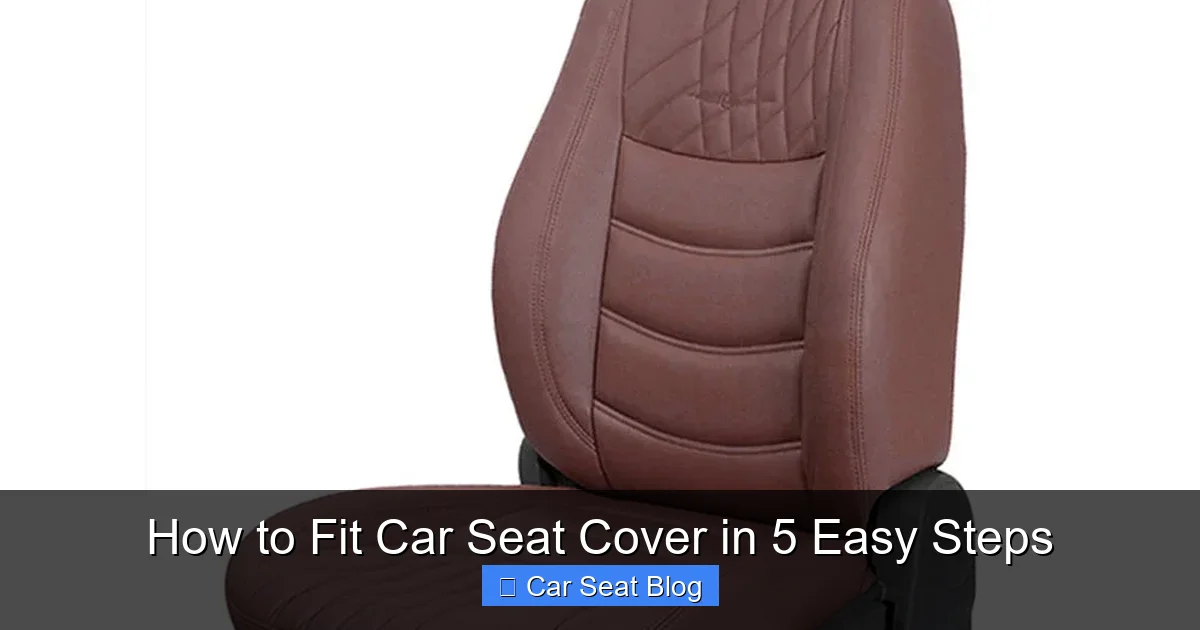
Visual guide about How to Fit Car Seat Cover in 5 Easy Steps
Image source: 5.imimg.com
Before you even think about slipping that cover on, preparation is key. A little prep work now saves you time and frustration later.
Clean Your Seats Thoroughly
Start by vacuuming your seats to remove dust, crumbs, pet hair, and any loose debris. If your seats are fabric, use a mild upholstery cleaner to spot-treat stains. For leather seats, wipe them down with a damp cloth and let them dry completely. Any dirt or moisture trapped under the cover can cause wrinkles, odors, or even mold over time.
Check the Seat Cover for Damage
Unpack your new seat cover and inspect it for tears, loose stitching, or missing parts like straps or hooks. Make sure all pieces are included—most covers come with separate parts for the seat bottom, backrest, headrest, and armrests (if applicable).
Read the Instructions
Even if you’ve installed seat covers before, take a moment to read the manufacturer’s guide. Some covers have specific installation tips, especially if they’re designed for side airbags or heated seats. Skipping this step could lead to improper fitting or even safety risks.
Remove Obstacles
Clear the area around your seats. Move floor mats, child seats, or any items that might get in the way. If your car has seat-mounted airbags, make sure the cover is compatible and won’t interfere with deployment.
Step 2: Remove the Headrest (If Possible)
This step might seem small, but it makes a huge difference in how easily the cover slides on.
Locate the Release Mechanism
Most headrests have a button or lever on the side or back of the seat post. Press or pull it to release the headrest. Some models require you to press the button while gently pulling the headrest upward.
Lift the Headrest Out
Once released, lift the headrest straight up and set it aside. Keep the posts clean—don’t let dirt or grease build up, as this can make reinstallation difficult.
Why This Helps
Removing the headrest gives you a clear path to slide the cover over the top of the seat. It prevents stretching, tearing, or misalignment. Plus, it makes it easier to tuck fabric neatly around the seat frame.
Pro Tip: If your headrest doesn’t come out (some newer models are fixed), don’t force it. Instead, look for a cover with a split or stretchable top panel designed for non-removable headrests.
Step 3: Slide the Cover Over the Seat
Now comes the main event—putting the cover on. Take your time here. Rushing can lead to wrinkles, bunching, or misaligned seams.
Start at the Top
Begin by aligning the top of the cover with the top of the seat back. Make sure any logos, patterns, or ventilation holes match up correctly. If your cover has a “front” label, ensure it’s facing the right way.
Gently Pull Downward
Slowly pull the cover down over the seat back, smoothing out any wrinkles as you go. Use both hands to distribute the fabric evenly. Avoid tugging too hard—this can stretch the material or damage elastic bands.
Work Around the Sides
As you pull the cover down, guide it around the sides of the seat. Tuck excess fabric into the gaps between the seat back and bottom cushion. This creates a clean, tailored look and prevents the cover from shifting.
Address the Seat Bottom
Once the backrest is covered, move to the seat bottom. Slide the cover over the front edge first, then pull it back toward the seat base. Again, smooth out wrinkles and tuck fabric into the crevices.
Pro Tip: If your cover has elastic straps or hooks, don’t attach them yet. Focus on getting the fabric in place first. You’ll secure everything in the next step.
Step 4: Secure Straps, Hooks, and Fasteners
This is where your seat cover goes from “kind of on” to “securely fitted.” Proper fastening prevents slipping, bunching, and uneven wear.
Locate All Attachment Points
Most covers come with a combination of:
- Elastic straps with hooks
- Velcro or snap fasteners
- Buckles or clips
- Under-seat ties
Check your cover’s design and identify where each fastener should go.
Attach Straps Under the Seat
Reach under the seat and connect the straps to the hooks or anchor points. Pull them tight—but not so tight that they warp the seat shape. The goal is a snug fit, not a stretched one.
Secure Side and Back Fasteners
If your cover has side straps or rear clips, fasten them now. These help keep the cover from riding up when you slide in and out of the seat.
Tuck in Excess Fabric
Any loose fabric should be tucked neatly into the gaps between seat sections. Use your fingers or a soft tool (like a plastic spatula) to push fabric into tight spaces without damaging the cover.
Reinstall the Headrest
Once the cover is secure, reinsert the headrest. Make sure it clicks into place and sits level. If the cover has a headrest flap or opening, align it properly so the headrest doesn’t push against the fabric.
Pro Tip: For extra security, use seat cover clips or anti-slip pads under the seat bottom. These prevent the cover from shifting during long drives.
Step 5: Final Adjustments and Safety Check
You’re almost done! This final step ensures your cover looks great and doesn’t compromise safety.
Smooth Out Wrinkles
Run your hands over the cover to remove any remaining creases. Pay special attention to the shoulders and lower back areas, where fabric tends to bunch.
Check for Gaps or Loose Areas
Look for spots where the cover isn’t lying flat. If you see gaps, gently pull and re-tuck the fabric. Avoid over-stretching—most covers are designed to fit snugly without force.
Test Seat Functionality
Adjust your seat forward, backward, up, and down. Make sure the cover doesn’t restrict movement or get caught in the mechanisms.
Verify Airbag and Seat Belt Access
This is critical. Ensure that:
- Side airbag seams are not blocked or covered
- Seat belt buckles are fully accessible
- No fabric is interfering with belt retraction
If your cover has airbag-compatible stitching (look for “explosive seam” labels), make sure it’s positioned correctly.
Take a Test Drive
Sit in the seat and move around as you normally would. Do you feel the cover shifting? Are there uncomfortable bumps? Make minor adjustments as needed.
Troubleshooting Common Issues
Even with careful installation, you might run into a few hiccups. Here’s how to fix the most common problems:
Cover Won’t Stay in Place
If your cover keeps sliding, check that all straps are tightened and hooks are securely attached. Consider adding non-slip seat pads or extra clips for better grip.
Wrinkles or Bunching
This usually happens when fabric isn’t tucked properly. Remove the cover, re-tuck the excess, and reinstall. For stubborn wrinkles, lightly spray the area with water and let it dry—this can help the fabric relax.
Headrest Doesn’t Fit
If the headrest won’t go back in, double-check that the cover’s headrest opening is aligned. Some covers have stretchable panels—gently pull them to create more space.
Cover Feels Too Tight or Too Loose
Universal covers may not fit perfectly on all seats. If it’s too tight, avoid forcing it—this can damage the material. If it’s too loose, look for a custom-fit cover designed for your car model.
Straps Are Hard to Reach
Use a long, thin tool (like a coat hanger or strap puller) to guide straps under the seat. Some covers come with extendable straps for easier access.
Maintaining Your Seat Cover
A well-fitted cover lasts longer and looks better with regular care.
Wash According to Instructions
Most fabric covers are machine-washable. Use mild detergent and avoid bleach. Air-dry to prevent shrinkage. Leather or synthetic covers can be wiped down with a damp cloth.
Re-Tighten Straps Monthly
Over time, straps can loosen. Check and tighten them every few weeks to maintain a snug fit.
Protect from Sun and Heat
UV rays can fade and weaken fabric. Use sunshades or park in the shade when possible.
Address Spills Immediately
Blot—don’t rub—liquid spills to prevent staining. The sooner you act, the easier it is to clean.
Conclusion
Fitting a car seat cover doesn’t have to be a chore. With the right preparation and a little patience, you can install a cover that looks custom-made and protects your seats for years. By following these five easy steps—preparing your seats, removing the headrest, sliding on the cover, securing fasteners, and doing a final check—you’ll achieve a clean, professional fit every time.
Remember, the key to success is taking your time and paying attention to details like straps, tucks, and safety features. A well-fitted cover not only enhances your car’s interior but also extends the life of your original upholstery.
So go ahead—give your seats the upgrade they deserve. With this guide, you’ve got everything you need to fit your car seat cover like a pro.