
Installing car seat covers with straps doesn’t have to be complicated. This guide walks you through each step—from preparation to final adjustments—so your covers stay snug, secure, and stylish. Perfect for beginners and seasoned drivers alike!
Key Takeaways
- Preparation is key: Always clean your seats and read the manufacturer’s instructions before starting.
- Start from the top: Begin installing the cover at the headrest and work your way down to ensure proper alignment.
- Use all straps and hooks: Secure every strap, buckle, and anchor point to prevent slipping or bunching.
- Tighten gradually: Adjust straps evenly to avoid wrinkles and maintain a smooth fit.
- Check for obstructions: Make sure seat belts, airbags, and adjustment levers remain fully functional after installation.
- Test before driving: Sit in the seat and move around to confirm comfort and stability.
- Maintain regularly: Re-tighten straps periodically and clean covers as needed to prolong their life.
How to Install Car Seat Covers with Straps in Simple Steps
So, you’ve just bought a set of stylish, durable car seat covers with straps—great choice! Whether you’re protecting your seats from spills, pets, or daily wear and tear, installing them correctly ensures they look good and stay put. The good news? It’s easier than you think. With a little patience and the right approach, you can have your new seat covers installed in under 30 minutes.
In this guide, we’ll walk you through how to install car seat covers with straps in clear, simple steps. No tools required—just your hands, a bit of focus, and maybe a friend to help with the back seats. By the end, you’ll have a snug, professional-looking fit that keeps your car interior looking fresh and protected.
Why Use Seat Covers with Straps?
Not all seat covers are created equal. While some slip-on models rely solely on elastic edges, covers with straps offer a much more secure fit. The straps anchor the cover to the seat frame, preventing shifting, bunching, or sliding—especially important if you have kids, pets, or frequently transport cargo.
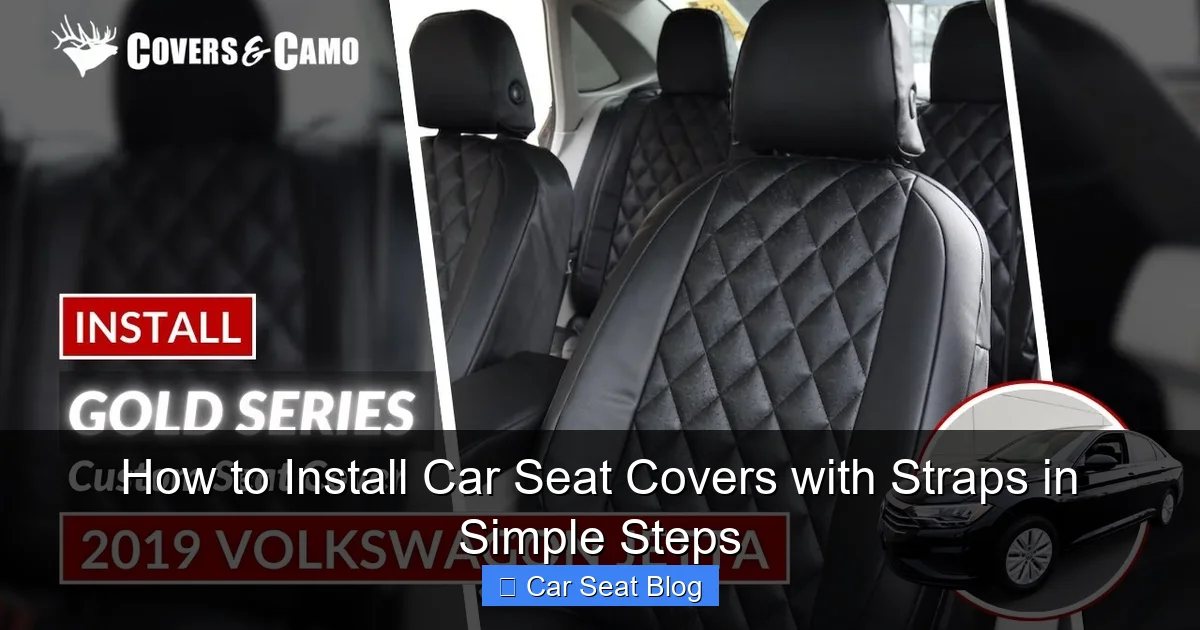
Visual guide about How to Install Car Seat Covers with Straps in Simple Steps
Image source: i.ytimg.com
Straps also help the cover conform to the shape of your seat, reducing wrinkles and ensuring a clean, tailored appearance. Plus, many modern seat covers are designed with safety in mind, featuring cutouts for airbags and seat belt access. When installed correctly, they enhance both comfort and safety.
What You’ll Need
Before you begin, gather these items to make the process smooth:
- Your new car seat covers with straps
- A clean interior (wipe down seats first)
- A few minutes of uninterrupted time
- Optional: A soft cloth or brush for cleaning
- Optional: A friend to help with larger seats
Most seat covers come with all necessary straps, hooks, and instructions. If anything is missing, contact the manufacturer before starting.
Step 1: Prepare Your Car Seats
The first step to a successful installation is preparation. Even the best seat covers won’t look good if your seats are dirty or greasy.
Clean the Seats Thoroughly
Use a vacuum to remove crumbs, dust, and pet hair from the seat surfaces, crevices, and under the cushions. Then, wipe down the seats with a damp cloth or a mild upholstery cleaner. Let them dry completely before installing the covers. Moisture can cause mildew or make the fabric slippery, leading to poor fit.
Check for Seat Features
Take a moment to inspect your seats. Note the location of:
- Headrests (removable or fixed)
- Seat belt buckles and retractors
- Side airbags (usually marked with “SRS Airbag” labels)
- Seat adjustment levers or buttons
- Heated or ventilated seat controls
You’ll need to work around these features during installation. Most quality seat covers are pre-cut for these, but double-check the packaging or instructions.
Step 2: Remove the Headrest (If Possible)
Many seat covers are easier to install with the headrest removed. This gives you better access to the top of the seat and allows the cover to slide on smoothly.
How to Remove the Headrest
Look for a release button or lever on the side or base of the headrest. Press or lift it while gently pulling the headrest upward. Some models may require you to squeeze both sides simultaneously. If you’re unsure, consult your vehicle’s manual.
Tip: Take a photo of the headrest position before removing it, so you can reinstall it at the same height later.
If your headrest doesn’t come off, don’t worry—many covers are designed to fit over fixed headrests. Just be extra careful when pulling the cover over the top.
Step 3: Slide the Cover Over the Seat
Now it’s time to put the cover on. Start with the front seats, as they’re usually simpler than the rear bench.
Begin at the Top
Hold the cover by the top edge and align it with the seat back. Slide it down over the seat, starting from the headrest area. Make sure the front of the cover (the side with the logo or design) is facing outward.
Work Your Way Down
Gently pull the cover down over the seat back, then over the seat bottom. Use your hands to smooth out any wrinkles as you go. Don’t force it—if it feels tight, adjust the angle or pause to reposition.
Pro Tip: If the cover has a split design (separate pieces for the seat back and cushion), install the back piece first, then the bottom.
Step 4: Secure the Straps
This is where the magic happens. The straps keep the cover from moving, so take your time to secure each one properly.
Locate All Straps and Anchors
Most seat covers come with multiple straps:
- Top straps: Attach to the headrest posts or seat frame at the top.
- Side straps: Connect to hooks or loops on the sides of the seat.
- Bottom straps: Run under the seat and clip to the opposite side or a fixed anchor.
- Elastic bands or hooks: Help grip the seat edges.
Refer to your cover’s instruction sheet to identify each strap’s intended location.
Attach the Top Straps First
If your headrest is removed, thread the top straps through the headrest posts and buckle them. If the headrest is still in place, look for loops or hooks that wrap around the posts. Pull tight, but don’t over-tighten—this can warp the cover.
Secure the Side and Bottom Straps
Next, fasten the side straps. These usually clip to metal hooks on the seat frame or tuck under the seat. For bottom straps, reach under the seat and connect them to the opposite side or a fixed point. Use a mirror or flashlight if visibility is poor.
Tip: If a strap is too long, tuck the excess into the seat crease or use a strap clip to shorten it.
Step 5: Adjust and Smooth the Cover
Once all straps are attached, it’s time to fine-tune the fit.
Tighten Evenly
Go back to each strap and pull gently to remove slack. Work in a circular pattern—top, sides, bottom—to ensure even tension. Avoid pulling too hard on one side, which can cause the cover to shift or wrinkle.
Smooth Out Wrinkles
Run your hands over the cover to flatten any bumps or folds. Pay special attention to the seat edges and corners. A smooth surface not only looks better but also reduces wear over time.
Check for Gaps
Look for areas where the cover doesn’t hug the seat closely. If you see gaps, loosen the nearest strap slightly, reposition the fabric, and re-tighten.
Step 6: Reinstall the Headrest
If you removed the headrest, now’s the time to put it back.
Align and Insert
Line up the headrest posts with the seat holes and push down firmly until you hear a click. Make sure it’s secure and at the correct height (refer to your earlier photo if needed).
Safety Note: Never drive with a loose or missing headrest—it’s a critical safety feature in a collision.
Step 7: Test the Fit and Functionality
Before hitting the road, do a quick safety and comfort check.
Test Seat Belts and Airbags
Make sure seat belts retract smoothly and buckle easily. Confirm that airbag covers (if present) are not blocked. If your cover has airbag flaps, ensure they open freely when the airbag deploys.
Check Seat Controls
Adjust the seat forward, backward, up, and down. Test any heating, cooling, or massage functions. The cover shouldn’t interfere with movement or controls.
Sit and Move Around
Sit in the seat and shift your weight side to side. The cover should stay in place without slipping. If it bunches or rides up, revisit the straps and tighten as needed.
Troubleshooting Common Issues
Even with careful installation, you might run into a few hiccups. Here’s how to fix them:
Problem: Cover Keeps Slipping
Solution: Double-check that all straps are secured and tight. If the cover is too loose, look for additional anchor points under the seat or use non-slip seat pads underneath.
Problem: Wrinkles or Bunching
Solution: Loosen the straps, smooth the fabric by hand, and re-tighten gradually. Avoid over-stretching the material.
Problem: Straps Are Too Long or Short
Solution: Most straps are adjustable. Use the buckle to shorten or lengthen as needed. For extra-long straps, tuck the excess into the seat crease or trim (only if the manufacturer allows it).
Problem: Cover Blocks Seat Belt
Solution: Reposition the cover so the seat belt path is clear. Never cover or obstruct the belt mechanism—safety first!
Maintaining Your Seat Covers
To keep your seat covers looking great and lasting longer, follow these simple maintenance tips:
- Clean regularly: Vacuum weekly and spot-clean spills immediately.
- Wash as needed: Follow the care label—many covers are machine washable.
- Re-tighten straps: Check them every few weeks, especially after long trips or heavy use.
- Avoid sharp objects: Keep keys, tools, and pet claws away from the fabric.
- Use seat protectors: For extra protection with kids or pets, add a waterproof liner underneath.
Final Thoughts
Installing car seat covers with straps is a simple yet effective way to protect your vehicle’s interior. With the right preparation and a little patience, you can achieve a clean, secure fit that enhances both comfort and style. Remember: take your time, follow the steps, and always prioritize safety.
Whether you’re shielding your seats from coffee spills, muddy paws, or daily wear, a well-installed cover makes all the difference. So grab your covers, roll up your sleeves, and give your car the upgrade it deserves.
Now that you know how to install car seat covers with straps, you’re ready to enjoy a cleaner, more comfortable ride—every single day.