Are Car Seat Covers Breathable and Comfortable for Summer

Car seat covers can be breathable and comfortable in summer—if you choose the right materials. This guide explains how breathable fabrics like mesh, bamboo, and neoprene work, and how to pick covers that keep you cool, dry, and stylish all season long.
Quick Answers to Common Questions
Tip/Question?
What’s the most breathable material for car seat covers?
Mesh fabric is the most breathable, thanks to its open weave that allows maximum airflow. It’s ideal for extremely hot climates.
Tip/Question?
Can leather seat covers be breathable?
Yes—perforated leather has small holes that allow air to pass through, making it more breathable than solid leather.
Tip/Question?
Do dark-colored seat covers get hotter?
Yes, dark colors absorb more sunlight and heat up faster. Light-colored covers reflect heat and stay cooler.
Tip/Question?
How often should I wash breathable seat covers?
Wash every 4–6 weeks, or sooner if they get dirty. Regular cleaning keeps pores open and maintains breathability.
Tip/Question?
Can I use seat covers with heated seats?
Yes, but choose thin, heat-conductive materials like neoprene or mesh. Avoid thick padding that blocks heat transfer.
Are Car Seat Covers Breathable and Comfortable for Summer?
Summer driving should be about sunshine, open roads, and comfort—not sticky seats and sweaty backs. If you’ve ever slid into a hot car and instantly regretted it, you’re not alone. Many drivers turn to car seat covers for protection and style, but a big question remains: Are car seat covers breathable? The short answer? It depends—mostly on the material, fit, and design.
In this guide, you’ll learn how to choose breathable car seat covers that keep you cool, dry, and comfortable all summer long. We’ll break down the best fabrics, explain how breathability works, and give you step-by-step tips to pick and install the right covers for your vehicle. Whether you’re dealing with scorching asphalt or long road trips, this guide will help you beat the heat—without sacrificing style or protection.
Why Breathability Matters in Summer
When temperatures rise, your car’s interior can turn into an oven. Seats absorb heat from sunlight, and without proper ventilation, they become uncomfortably hot to sit on. Non-breathable materials trap body heat and moisture, leading to sweat, discomfort, and even skin irritation.
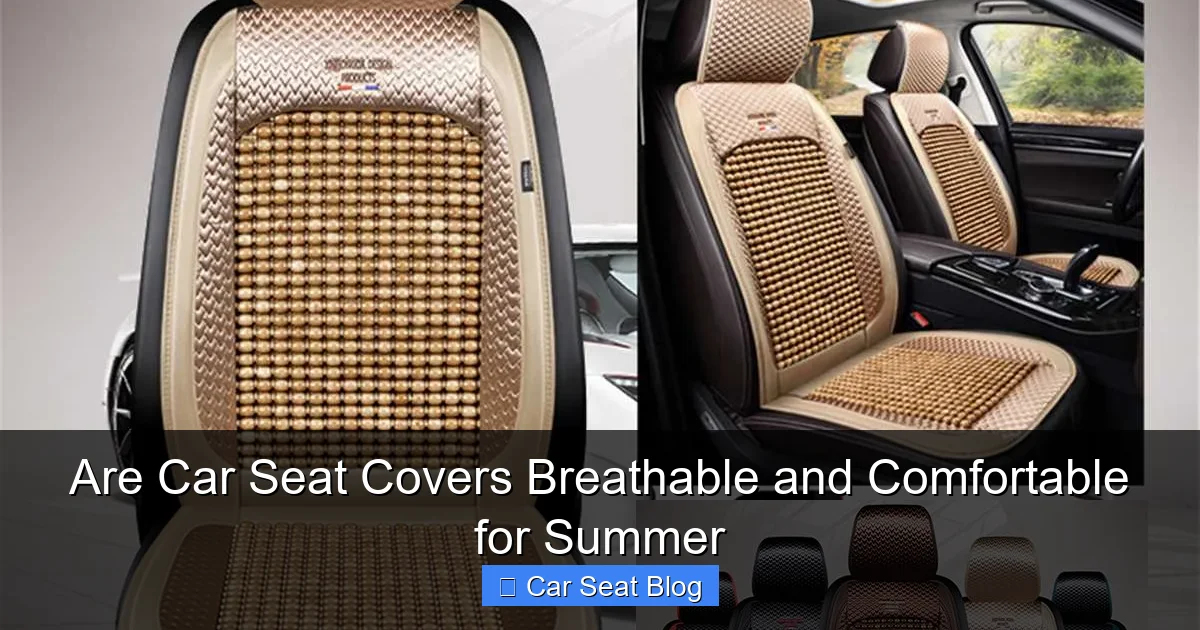
Visual guide about Are Car Seat Covers Breathable and Comfortable for Summer
Image source: images.nexusapp.co
Breathable seat covers solve this by allowing air to circulate between your body and the seat. This airflow helps regulate temperature and wicks away sweat, making long drives more pleasant. Plus, breathable covers reduce the risk of mold and odors caused by trapped moisture—especially important if you live in a humid climate.
How Breathability Works
Breathability refers to a fabric’s ability to let air and moisture pass through. Think of it like a window screen: it blocks bugs but lets air flow. In seat covers, breathable materials have tiny pores or open weaves that allow ventilation while still protecting the original seat.
Materials like mesh, bamboo, and perforated leather are naturally breathable. Synthetic fabrics can also be engineered for airflow—look for terms like “ventilated,” “moisture-wicking,” or “airflow-enhanced” on product labels.
Best Breathable Materials for Summer Seat Covers
Not all seat covers are created equal. Some materials are designed to keep you cool, while others can make you feel like you’re sitting on a sauna bench. Here’s a breakdown of the top breathable options for summer:
1. Mesh Fabric
Mesh is one of the most breathable materials available. Its open weave allows maximum airflow, making it ideal for hot climates. Many mesh covers are also lightweight and quick-drying, so they won’t stay damp after a sweaty drive.
Pros: Excellent ventilation, lightweight, dries fast.
Cons: Less durable than thicker fabrics, may not offer as much cushioning.
Best for: Drivers in extremely hot areas or those who prioritize airflow above all else.
2. Bamboo Fiber
Bamboo fabric is naturally breathable, antimicrobial, and moisture-wicking. It’s soft to the touch and regulates temperature well, keeping you cool in summer and warm in winter.
Pros: Eco-friendly, naturally odor-resistant, soft and comfortable.
Cons: Can be more expensive, may require gentle washing.
Best for: Eco-conscious drivers who want comfort and sustainability.
3. Perforated Leather or Faux Leather
Traditional leather can get scorching hot in the sun, but perforated versions have small holes that allow airflow. Faux leather (also called PU leather) is often more breathable than real leather and easier to clean.
Pros: Stylish, durable, easy to wipe clean.
Cons: Can still get warm if not well-ventilated, may crack over time.
Best for: Drivers who want a premium look without sacrificing some breathability.
4. Neoprene (Ventilated Version)
Neoprene is popular for its water resistance and snug fit, but standard neoprene can trap heat. Look for ventilated neoprene with built-in airflow channels or mesh panels.
Pros: Waterproof, durable, great for active lifestyles.
Cons: Can be heavy, non-ventilated versions are not breathable.
Best for: Outdoor enthusiasts, pet owners, or those in rainy climates who still want summer comfort.
5. Cotton and Cotton Blends
Natural cotton is breathable and soft, but pure cotton can absorb moisture and take longer to dry. Blends with polyester or spandex add stretch and durability.
Pros: Comfortable, affordable, widely available.
Cons: May fade or shrink, not as moisture-wicking as technical fabrics.
Best for: Casual drivers looking for budget-friendly, comfortable options.
How to Choose the Right Breathable Seat Covers
Now that you know which materials breathe best, here’s how to pick the perfect covers for your car and lifestyle.
Step 1: Check the Material Label
Always read the product description. Look for keywords like “breathable,” “ventilated,” “moisture-wicking,” or “airflow design.” Avoid covers made entirely of vinyl, thick polyester, or non-perforated leather—these trap heat.
Step 2: Consider Your Climate
If you live in a hot, humid area, prioritize mesh or bamboo. In drier heat, perforated leather or ventilated neoprene may work well. For mixed climates, a cotton blend offers a good balance.
Step 3: Match the Color to the Season
Dark colors absorb heat—think of how a black shirt feels in the sun. Choose light gray, beige, or white covers to reflect sunlight and stay cooler. Some brands even offer heat-reflective coatings.
Step 4: Ensure a Snug Fit
Loose covers can wrinkle and block airflow. Look for custom-fit or semi-custom designs that match your car’s make and model. Elastic edges, straps, and hooks help keep covers in place.
Step 5: Test for Comfort
If possible, sit on a sample or read detailed reviews. Pay attention to comments about heat, slipping, or discomfort during long drives. Some covers feel great in the store but fail in real-world summer conditions.
Installing Your Seat Covers for Maximum Breathability
Even the most breathable cover won’t help if it’s installed incorrectly. Follow these steps to ensure proper airflow and comfort.
Step 1: Clean Your Seats First
Dirt and oils can clog fabric pores over time. Vacuum and wipe down your seats before installing new covers.
Step 2: Follow the Manufacturer’s Instructions
Each brand has its own installation method. Some use straps, others rely on elastic bands. Take your time—rushing can lead to wrinkles or gaps that reduce breathability.
Step 3: Secure All Straps and Hooks
Loose covers can shift while driving, creating hot spots. Make sure all attachment points are tight and even.
Step 4: Check for Airflow Channels
If your covers have built-in vents or mesh panels, ensure they’re not blocked by straps or folds. These features are key to staying cool.
Step 5: Test Drive and Adjust
Take a short drive and feel for comfort. If you notice bunching or heat buildup, adjust the fit or consider a different style.
Troubleshooting Common Breathability Issues
Even with the best covers, problems can arise. Here’s how to fix the most common issues.
Problem: Covers Still Feel Hot
Solution: Your material may not be breathable enough. Try switching to mesh or bamboo. Also, park in the shade or use a sunshade to reduce seat temperature before driving.
Problem: Covers Slip or Wrinkle
Solution: Re-tighten straps or consider a custom-fit model. Non-slip backing or silicone grips can also help.
Problem: Moisture Builds Up
Solution: Choose moisture-wicking fabrics and avoid sitting on wet clothes. Open windows or use the AC to circulate air.
Problem: Odors Develop
Solution: Wash removable covers regularly. Use baking soda to absorb odors, and avoid eating in the car.
Maintaining Breathable Seat Covers
To keep your covers performing well all summer, follow these care tips:
- Wash regularly: Follow care labels—most mesh and cotton covers are machine washable.
- Air dry: Avoid high heat, which can damage fibers and reduce breathability.
- Vacuum weekly: Remove dust and debris that can clog pores.
- Use fabric protector: A light spray can repel spills without blocking airflow.
Conclusion
So, are car seat covers breathable and comfortable for summer? Absolutely—if you choose wisely. The right materials, fit, and installation can transform your driving experience, keeping you cool, dry, and comfortable even on the hottest days.
Focus on breathable fabrics like mesh, bamboo, and perforated leather, avoid dark colors, and always prioritize a snug fit. With proper care, your seat covers will protect your car and your comfort for seasons to come. Don’t let summer heat ruin your drive—upgrade to breathable seat covers and enjoy every mile in cool, confident comfort.
🎥 Related Video: How do I install the universal fit car seat covers? #follow #usa #freesoo #america #carseatcovers
📺 FREESOO
Copy this link and open in your browser to get yours: https://bit.ly/4afQQaI #usa #america #youtubeshorts #youtubemadeforyou …