You should hand wash your car when the paint needs extra care, when the vehicle is heavily contaminated, or when you want a deeper clean than an automatic wash can usually provide. I also recommend hand washing for fresh paint, matte finishes, ceramic-coated cars that need gentle maintenance, and during seasons when salt, sap, or bug residue build up fast.
If you’ve ever stood in the driveway wondering whether to wash by hand or drive through an automatic wash, I get it. The right choice depends on your paint, the weather, how dirty the car is, and how much time you have.
In this guide, I’ll break down when hand washing makes the most sense, when an automatic wash is fine, and how to decide quickly without overthinking it.
When Should You Hand Wash Instead of Using an Automatic Car Wash?
Hand washing is the better choice when your car needs a gentler touch or a more detailed clean. It gives you more control over pressure, soap, and contact points, which can help protect delicate finishes and remove stubborn grime more thoroughly.
Situations Where Hand Washing Is the Better Choice
I usually choose hand washing when the car has special paint, a wrap, or a finish that needs careful attention. It’s also the better option after long highway drives, winter weather, or any time the car has stuck-on dirt that an automatic wash may leave behind.
Automatic washes can be convenient, but they often rely on the same brushes or cloths for many vehicles. That means the risk of light surface marring can be higher than with a careful hand wash.
Times When an Automatic Wash Is Usually Fine
An automatic wash is usually fine when the car is only lightly dusty, the paint is in good shape, and you just need a quick clean. If your schedule is tight and the vehicle does not have a delicate finish, a modern touchless or well-maintained automatic wash can be a practical choice.
I’d also consider an automatic wash when the car is already due for a full detail later and you just want to remove everyday road film for now.
Paint and Finish Conditions That Make Hand Washing the Safer Option
Some finishes are simply more sensitive than others. If your car falls into one of the groups below, hand washing is often the safer move.
Fresh Paint, Ceramic Coatings, and Newly Refinished Panels
Fresh paint needs time and care. If a panel was recently repainted or refinished, I’d avoid anything aggressive until the paint has fully cured. A gentle hand wash is usually the safer way to keep the surface clean without adding stress.
Ceramic-coated cars can also benefit from hand washing, especially if you want to preserve the coating’s water behavior and reduce the chance of contamination buildup. For coating care, I like to follow the guidance from the vehicle or product maker, such as Tesla’s owner manual care instructions, which explain how to maintain painted surfaces and finishes.
Cars With Swirl Marks, Scratches, or Delicate Clear Coat
If your paint already has swirl marks or fine scratches, an automatic wash may make them easier to notice over time. That does not mean every automatic wash will damage paint, but hand washing gives you more control over how the surface is cleaned.
For cars with soft clear coat, I prefer a careful hand wash with clean mitts and plenty of lubrication. The goal is to reduce friction, not scrub the paint.
Vehicles With Matte Paint, Wraps, or Specialty Finishes
Matte finishes and vinyl wraps need special care. Harsh chemicals, stiff brushes, and strong polishing methods can change the look of the surface. Hand washing lets you stay gentle and avoid products that are not meant for specialty finishes.
📝 Note If your vehicle has a wrap or matte paint, always check the care directions from the manufacturer or installer before using any wash method.
Weather and Seasonal Conditions That Call for Hand Washing
Weather plays a big role in how dirty your car gets and how hard that dirt sticks. In some seasons, hand washing is the best way to keep the car clean without leaving behind grime.
Winter Road Salt, Slush, and Heavy Grime
Winter is one of the biggest reasons to hand wash. Road salt and slush can cling to lower panels, wheel wells, and underbody areas. A quick automatic wash may help, but hand washing gives you a better chance to target the buildup before it causes long-term corrosion concerns.
If you live where roads are salted, it helps to wash more often during the season. The U.S. Environmental Protection Agency has useful information on stormwater and runoff impacts at the EPA website, which is a good reminder that wash water and road chemicals can matter.
Spring Pollen, Tree Sap, and Bug Residue
Spring can be rough on paint. Pollen coats everything, sap can stick fast, and bug residue can bake onto the front end after a few warm drives. Hand washing gives you more control over how long those contaminants sit on the surface.
I especially like hand washing after highway trips in warm weather, since bug residue can become stubborn if left too long.
Hot Sun, Extreme Heat, and Water Spot Risk
Very hot weather makes washing trickier. Water can dry fast and leave spots, especially on dark paint or glass. If you must wash in heat, hand washing lets you work in sections and dry as you go.
Do not let soap or rinse water dry on the paint in direct sun. That can leave spots and make the job harder later.
When Hand Washing Is Worth It for Deep Cleaning and Detail Work
Sometimes the question is not just “Can I wash it?” but “How clean do I want it to be?” That’s where hand washing really shines.
Removing Brake Dust, Tar, and Stubborn Contamination
Brake dust, tar, and road film often need more than a quick pass through an automatic wash. Hand washing lets you focus on problem areas and use the right products for each type of contamination.
For example, wheels often need separate attention because brake dust can stick tightly. A careful hand wash helps you clean them without blasting dirt around the paint.
Cleaning Tight Areas Automatic Washes Miss
Automatic washes usually miss small gaps, emblems, mirror edges, door handles, fuel doors, and lower trim areas. Hand washing lets you reach those spots and remove the grime that builds up over time.
If you like a truly clean look, those hidden areas matter more than most people think.
When You Want a Showroom-Level Finish
If you want the car to look its best for a meet, sale, road trip, or photo shoot, hand washing is the better route. It gives you control over drying, finishing touches, and any extra cleaning needed to make the car look sharp.
If you are preparing a car for sale or display, hand wash it the day before so you have time to inspect the finish in good light and catch anything you missed.
When You Should Avoid Hand Washing Your Car
Hand washing is not always the best answer. In some situations, it can be less effective or even risky if you do not have the right setup.
If You Don’t Have Safe Water, Soap, or Clean Towels
If your towels are dirty, your soap is not made for automotive use, or your water is full of grit, hand washing can do more harm than good. Clean tools matter as much as the wash method itself.
I always say this: a careful automatic wash is better than a sloppy hand wash with contaminated towels.
If the Car Is Extremely Dirty and Needs Pre-Rinse Equipment
When a vehicle is caked in mud, heavy salt, or thick road grime, it may need a strong pre-rinse first. In that case, a self-serve wash bay or a professional wash setup can be safer than trying to scrub everything by hand right away.
If you rub heavy grit across the paint before loosening it, you raise the chance of scratching.
If You’re Short on Time and Need a Basic Clean Only
Sometimes the best choice is the one that fits your day. If you only need to knock off dust before a meeting or clean up a light layer of road film, an automatic wash may be the practical option.
Hand washing takes more time, so I would not force it when a simple clean is all you need.
Pros and Cons of Hand Washing Your Car at the Right Time
Here’s a simple side-by-side look at when hand washing helps most and where it has limits.
Pros of Hand Washing
- Better control over pressure and contact
- Safer for delicate paint and specialty finishes
- More effective on stuck-on grime and tight areas
- Better for detailed cleaning and drying
- Takes more time than an automatic wash
- Needs clean tools and good technique
- Can leave spots if done in harsh sun
- May be harder when the car is extremely dirty
Cons of Hand Washing
Hand washing is not always faster or easier. It takes more effort, more supplies, and more attention to detail. If you rush it, you can leave streaks, water spots, or even light scratches.
It also may not be the best choice when the car is covered in heavy mud or when you need a quick clean before heading out.
Hand Wash vs. Automatic Wash at a Glance
| Situation | Hand Wash | Automatic Wash |
|---|---|---|
| Fresh paint or refinished panels | Usually better | Use caution |
| Light dust and everyday dirt | Good if you want detail | Usually fine |
| Heavy salt, tar, or bug buildup | Usually better | May not clean enough |
| Matte paint or vinyl wrap | Safer choice | Often not ideal |
| Short on time | Only if you can do it right | Usually better |
How to Decide Whether to Hand Wash Today
When I am deciding whether to hand wash, I keep it simple. I look at the dirt, the weather, and the paint, then choose the method that fits the car best.
Check the Dirt Level, Weather, and Paint Condition
Start with the basics. Is the car lightly dusty or covered in road grime? Is it hot and sunny, or cool and shaded? Does the paint look healthy, or does it need gentle care?
Those three questions usually point you in the right direction.
Decide Based on Finish Type and Protection Level
If your car has a delicate finish, a wrap, matte paint, or fresh coating, hand washing usually makes more sense. If the paint is normal, protected, and only lightly dirty, an automatic wash may be enough for the day.
Use a Simple Yes/No Decision Checklist
- Choose hand washing for delicate or specialty finishes
- Choose hand washing for heavy contamination
- Choose hand washing when you want a detailed finish
- Hand wash with dirty towels or weak soap
- Hand wash in direct heat without drying plans
- Hand wash when a quick automatic wash is enough
Hand Washing Tips to Get the Best Results When It Matters Most
If you decide to hand wash, a few simple habits can make a big difference in the result.
Use the Two-Bucket Method to Reduce Scratches
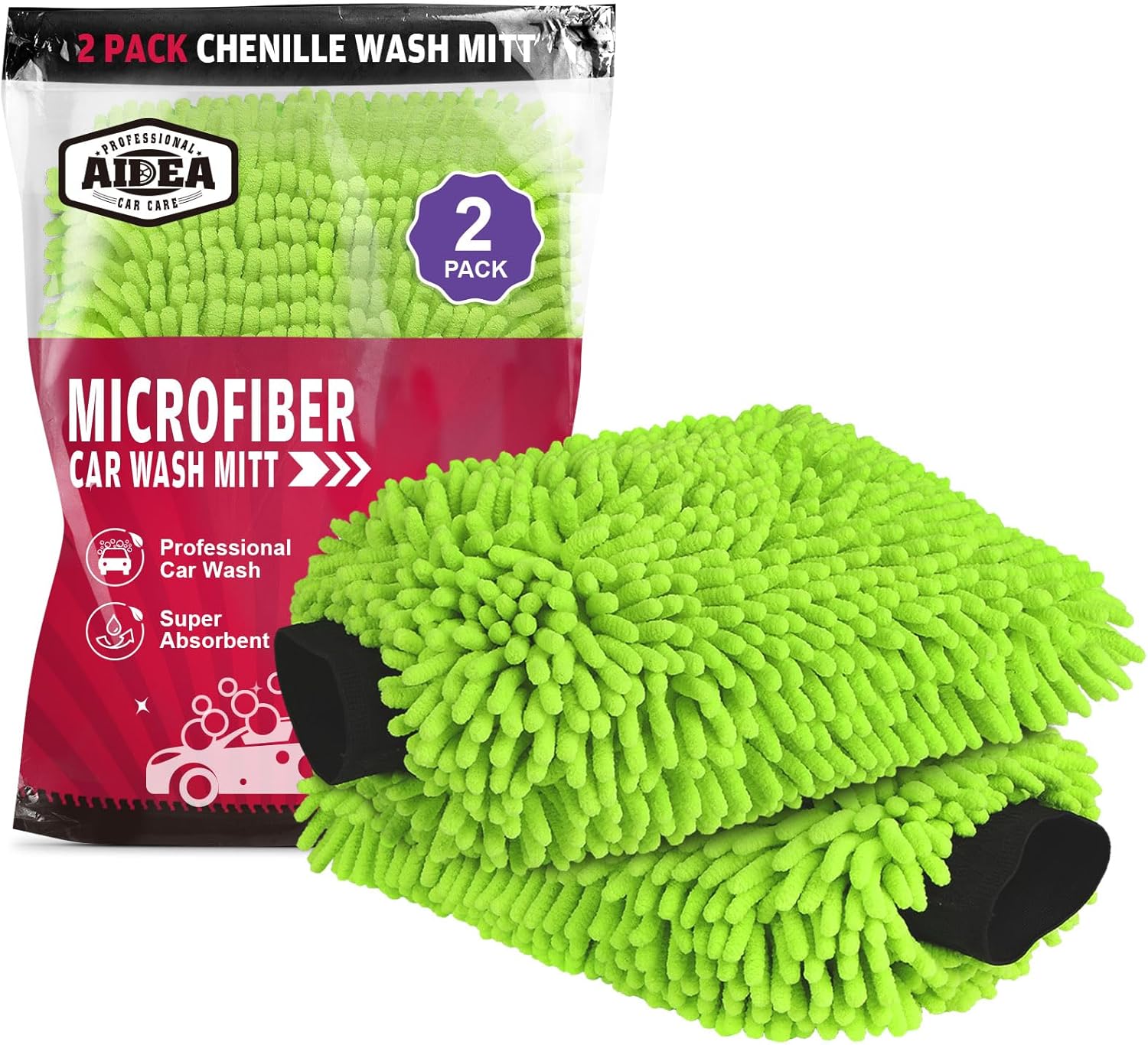
One bucket holds clean soapy water, and the other holds rinse water for your wash mitt. That helps keep grit out of the soap bucket and lowers the chance of rubbing dirt back into the paint.
Wash From Top to Bottom
Start with the roof, glass, and upper panels first. The lower parts of the car are usually the dirtiest, so saving them for last helps keep your mitt cleaner for as long as possible.
Dry Properly to Prevent Water Spots
Drying matters just as much as washing. Use clean microfiber towels or a safe drying towel and work methodically so water does not sit on the paint and leave spots.
Choose the Right Soap and Microfiber Towels
Use car wash soap made for automotive paint, not dish soap or household cleaners. Pair it with soft microfiber towels and wash mitts that are clean and free of trapped grit.
You notice paint damage, peeling clear coat, or rough contamination that does not come off with normal washing. A body shop or detailing professional can tell you whether the surface needs repair, decontamination, or a safer cleaning method.
Hand wash your car when the finish needs extra care, the dirt is stubborn, or you want a deeper, more controlled clean. If the car is only lightly dusty and you need a quick wash, an automatic wash is often enough.
Common Questions About When You Should Hand Wash
No. Hand washing is better for care and detail, but an automatic wash is often fine for quick cleaning and light dirt. The best choice depends on the car’s finish, how dirty it is, and how much time you have.
That depends on driving conditions and weather. Many drivers hand wash every one to two weeks, but cars exposed to salt, sap, or heavy road grime may need it more often.
Yes. Dirty towels, poor technique, or harsh scrubbing can create swirl marks or scratches. That is why clean tools, lubrication, and gentle washing matter so much.
Not always, but it is often a smart choice. Hand washing helps maintain the coating and gives you better control over dirt removal without stressing the surface.
Early morning, late afternoon, or a shaded spot is usually best. Cooler conditions reduce the chance of soap and water drying too quickly and leaving spots.
- Hand wash when the paint is delicate, fresh, or specialty finished.
- Choose hand washing for winter salt, bug splatter, tar, and heavy grime.
- Use an automatic wash when the car is lightly dirty and you need speed.
- Avoid hand washing if your tools are dirty or the car is caked in mud.
- Clean towels, gentle soap, and proper drying make the biggest difference.