Wash Frequency Mistakes Drivers Make and How to Fix Them

The right wash frequency depends on where you drive, where you park, and what your car faces each week. A good schedule keeps dirt, salt, pollen, and road film from sitting on the paint too long, while avoiding unnecessary wear from harsh washing methods.
Most drivers do well with a weekly to biweekly wash, but winter, coastal air, heavy pollen, and outdoor parking can mean you need to wash more often.
I’m Ethan Miles, and I see the same problem a lot: drivers either wait too long to wash their car, or they wash it in ways that create new damage. The tricky part is that the “right” schedule is not the same for everyone.
In this guide, I’ll walk through the most common wash frequency mistakes and the fixes that actually help. I’ll also show you how to build a simple schedule that fits your driving habits, climate, and budget.
Why Wash Frequency Matters for Paint, Clear Coat, and Interior Health
Road grime does not just sit on top of your car. Over time, it can hold moisture, trap contaminants, and make cleaning harder the longer it stays there.
How dirt, salt, pollen, bird droppings, and road film damage surfaces over time
Different contaminants cause different problems. Dirt and road film can scratch paint when you wipe them off. Salt can speed up corrosion if it stays on metal parts and underbody areas. Pollen and tree sap can cling to trim and glass, then become harder to remove after baking in the sun.
Bird droppings are a bigger issue than many drivers think. They can be acidic and may etch clear coat if left too long. Even dust inside the cabin can affect comfort, especially if it builds up on vents, seats, and touch points.
For a broader look at vehicle care and materials, I like pointing readers to the FTC’s car care guidance, which is useful for spotting services and habits that protect your vehicle over time.
What happens when you wash too often versus not often enough
Washing too often is usually less risky than washing the wrong way, but it can still wear down weak sealants, fade trim if products are too harsh, and create micro-scratches if towels or brushes are dirty. If you use a rough wash process every few days, the finish can start to look tired.
Washing too rarely is usually worse for long-term appearance. Contaminants sit longer, bond harder, and can leave stains or light damage that becomes harder to fix later. The goal is not “as little washing as possible.” The goal is “clean enough, often enough, and safely.”
The Most Common Wash Frequency Mistakes Drivers Make
- Wash based on conditions, not just appearance.
- Use gentle products and clean towels.
- Adjust your schedule by season.
- Wait until grime is baked on.
- Use harsh brushes or dirty wash media.
- Ignore winter salt, pollen, or coastal exposure.
Washing only when the vehicle looks dirty
This is one of the biggest mistakes. A car can look “fine” and still be covered in invisible road film, salt, or fine dust. By the time you notice it, the contamination may already be bonded to the surface.
Fix: use a schedule based on exposure. If the car is driven daily, parked outside, or exposed to salt and pollen, wash it before buildup becomes obvious.
Overwashing with harsh products or automatic brushes
Frequent washing is not the problem by itself. The problem is frequent washing with rough mitts, dirty towels, stiff brushes, or strong chemicals that are not needed for routine cleaning.
Fix: choose gentler wash methods and products that match the job. A safe wash done more often is usually better than a harsh wash done less often.
Ignoring seasonal changes in wash frequency
Many drivers keep the same schedule all year, but the car faces different threats in different seasons. Winter road salt, spring pollen, summer bugs, and fall leaf debris each call for a different level of attention.
Fix: build a flexible schedule. Wash more often in harsh seasons and scale back when conditions are mild.
Assuming one wash schedule works for every vehicle and climate
A garage-kept weekend car in a dry climate does not need the same routine as a daily commuter in a snowy city. The same goes for coastal drivers, rideshare vehicles, and outdoor-parked SUVs.
Fix: match the schedule to your reality. Think about mileage, parking, weather, and how much contamination your car picks up each week.
Skipping undercarriage and wheel cleaning during winter or rainy months
Wheels and the undercarriage collect some of the worst grime on the car. In winter, they take the hit from salt and slush. In rainy months, they hold mud and road debris that can linger longer than you expect.
Fix: make wheel and undercarriage cleaning part of the routine when conditions are wet, salty, or muddy. If your wash service offers underbody rinsing, use it when it makes sense.
How to Tell If Your Current Wash Schedule Is Too Infrequent
- Paint feels rough after a light wash.
- Glass shows film or streaking that returns quickly.
- Wheels stay dark even after cleaning.
- Trim collects grime in seams and edges.
- Interior surfaces look dusty soon after vacuuming.
Visible signs of buildup on paint, glass, trim, and wheels
If your car looks dull soon after washing, that can be a sign the schedule is too long. Watch for a gray film on the paint, hazy glass, brake dust on wheels, and grime around badges, mirrors, and trim pieces.
Another clue is how the surface feels. If paint feels gritty or rough, contaminants may be sitting on top of the clear coat.
Warning signs of damage from contaminants and grime
Left too long, some contamination can leave stains, etching, or stubborn buildup that needs more than a basic wash. Water spots can become more visible too, especially when minerals dry on hot paint or glass.
Warning: if you see spots that do not come off with normal washing, do not scrub harder right away. That can create more damage. Use a safer spot treatment or get help if the mark looks etched.
When odor, stains, or interior dust mean the schedule needs adjusting
Wash frequency is not only about the outside. If the cabin smells stale, the floor mats stay dirty, or dust returns quickly on the dash, your schedule may be too slow for your driving conditions.
That is especially true for families, pet owners, and drivers who keep windows open often. Interior care needs its own rhythm, even if it is lighter than the exterior routine.
How to Tell If You’re Washing Too Often or Washing the Wrong Way
- Paint stays glossy and clean between washes.
- Trim still looks healthy and even in color.
- Washing removes grime without leaving marks.
- Swirls appear after repeated washing.
- Paint looks hazy or flat in sunlight.
- Micro-scratches show up around handles and panels.
Swirl marks, haze, and dullness from excessive washing
If you wash often but the car looks worse over time, the process may be the issue. Swirl marks often come from dirty mitts, poor drying habits, or automatic equipment that is too rough for the finish.
Fix: switch to cleaner wash tools, rinse more thoroughly, and reduce contact when the car only needs a light clean.
Trim fading, sealant wear, and towel-induced scratches
Some products strip protection faster than others. Strong cleaners can dry out trim, and rough towels can leave fine marks on soft paint. Even a good wash can cause damage if the drying step is rushed.
Fix: use soft microfiber towels, gentle soap, and drying methods that do not drag dirt across the surface.
When frequent washing is actually beneficial
Frequent washing can be a good thing when the car faces salt, pollen, bugs, or heavy dust. The key is to keep each wash gentle. A clean car washed carefully is usually better than a dirty car left alone for weeks.
If you use protective products such as wax or sealant, frequent washing may be even easier because grime does not bond as strongly. Many carmakers also publish care advice in owner resources, and it is worth checking your vehicle brand’s recommendations on the manufacturer’s site.
The Best Wash Frequency by Driving Conditions and Climate
| Driving condition | Typical wash frequency | Main reason |
|---|---|---|
| Daily drivers in city traffic | Every 1 to 2 weeks | Traffic film, brake dust, and general grime build up fast |
| Highway commuters | Every 1 to 2 weeks | Bugs, tar, and road film can stick after long drives |
| Vehicles parked outdoors | Weekly or as needed | More exposure to dust, tree sap, bird droppings, and weather |
| Winter driving with salt and slush | Weekly, sometimes more often | Salt and moisture need to be removed quickly |
| Hot, dusty, coastal, or pollen-heavy environments | Weekly to biweekly | Airborne contamination sticks to paint and trim |
Daily drivers in city traffic
City driving leaves behind brake dust, soot, and film from traffic. For most daily drivers, a weekly or biweekly wash works well. If the car is parked outside, lean toward weekly.
Highway commuters
Highway miles can mean fewer stop-and-go contaminants, but bugs and road tar can still build up fast. I usually suggest checking the front end after long trips and washing when buildup starts to spread.
Vehicles parked outdoors
Outdoor parking means more exposure to pollen, sap, dust, bird droppings, and weather changes. These cars often need a tighter schedule than garage-kept vehicles.
Winter driving with salt and slush
Winter is where wash frequency matters most. Salt can cling to paint, wheels, and the undercarriage, so weekly washing is a smart starting point. If roads are heavily treated, add extra rinses when needed.
For winter road safety and salt-related maintenance concerns, I also recommend checking guidance from your local transportation agency or a national road safety source such as the National Highway Traffic Safety Administration.
Hot, dusty, coastal, or pollen-heavy environments
Heat can bake grime onto paint. Dust can build up quickly. Coastal air can leave salt residue, and pollen can coat the whole car in a matter of days. In these conditions, a more frequent wash schedule helps keep contamination from sticking around.
Fixing Your Wash Frequency: Practical Schedules That Work
Look at how often you drive, where you park, and what your car faces most days. That gives you a realistic baseline.
Pick weekly, biweekly, or monthly based on exposure. Keep it easy enough that you can follow it.
Wash more often during winter, pollen season, or after storms. Ease up when conditions are mild.
Spot clean bird droppings, bugs, or fresh sap right away so they do not sit and bond.
A simple weekly, biweekly, and monthly wash plan
Weekly: best for outdoor parking, winter driving, coastal areas, and cars that pick up grime fast.
Biweekly: a solid middle ground for many daily drivers in mild conditions.
Monthly: usually works only for low-mileage cars that are garage-kept and lightly exposed.
How to adjust frequency after storms, road trips, or seasonal transitions
After a storm, the car may need a rinse even if it was washed recently. After a road trip, bugs and tar may need attention before they harden. Seasonal changes are also a good time to reset your routine.
If a car has been exposed to salt, mud, or heavy pollen, I would rather wash it sooner with a gentle method than wait for a “perfect” wash day.
When to add quick rinses, spot cleaning, or detail sprays between washes
Quick rinses are useful when the car only needs a light reset. Spot cleaning is best for bird droppings, bug splatter, and fresh stains. Detail sprays can help between full washes when the surface only needs a light refresh.
Tip: keep a clean microfiber towel and a safe detail spray in the trunk so you can handle fresh contamination before it sets.
Best Washing Methods to Match the Right Frequency
- Use two buckets or a rinse-heavy method to keep dirt off the wash mitt.
- Wash from top to bottom so the dirtiest areas are handled last.
- Dry with a clean microfiber towel or blower to reduce water spots.
- Clean wheels and lower panels separately from the paintwork.
Touchless wash vs. hand wash vs. soft-touch wash
Touchless washes are useful when you want less physical contact, especially in winter or when salt is a concern. They may not remove every bit of grime, but they reduce rubbing on the paint.
Hand washes give you the most control and are often best for preserving finish quality when done carefully.
Soft-touch washes can be convenient, but the condition of the equipment matters. Clean, well-maintained systems are much better than worn or dirty ones.
Safe products that reduce wear from frequent washing
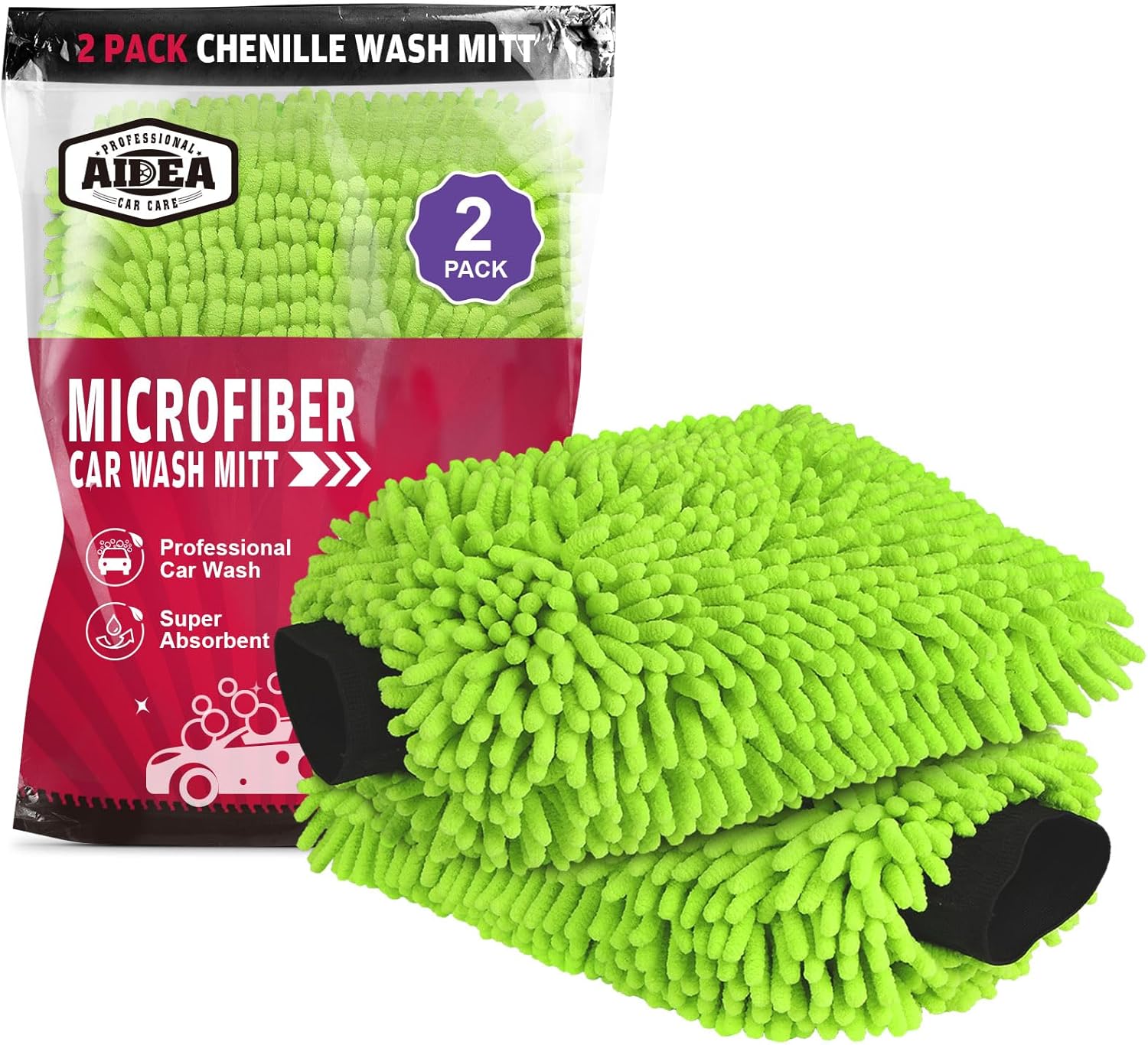
Look for pH-balanced car shampoo, soft microfiber wash mitts, and clean drying towels. If you use a drying aid or spray sealant, make sure it is compatible with your paint protection.
Warning: dish soap, old bath towels, and dirty sponges can make frequent washing harder on the finish than it needs to be.
Drying methods that help prevent water spots and micro-scratches
Drying is where a lot of damage happens. Letting water air-dry can leave spots, especially in hard-water areas. Rubbing too hard with a rough towel can leave fine scratches.
A clean microfiber drying towel, a blower, or a gentle blotting method is usually safer. The less you drag across the paint, the better.
Cost, Time, and Protection Tradeoffs of Different Wash Frequencies
Lower-frequency washing: savings vs. higher contamination risk
Washing less often can save money and time, but dirty surfaces can become harder to clean later. That means more scrubbing, more product use, and a greater chance of stains or wear.
Higher-frequency washing: better appearance vs. more time and product use
More frequent washing keeps the car looking better and helps remove contaminants before they settle in. The tradeoff is simple: you spend more time and use more supplies.
Where waxing, sealants, and ceramic coatings change the equation
Protection products do not remove the need to wash, but they can make washing easier and safer. Wax and sealants help grime release more easily. Ceramic coatings can also reduce how strongly dirt sticks, though they still need proper care.
That is why a protected car may tolerate a more flexible wash schedule, while an unprotected car may need a tighter one to stay in good shape.
You notice rust starting around wheel wells, persistent stains that do not wash off, or water intrusion smells inside the cabin. Those are not just wash schedule issues anymore.
The best wash frequency is the one that matches your driving conditions and protects the finish without creating extra wear. For most cars, that means washing often enough to keep contaminants from building up, but gently enough to avoid scratches, haze, and trim damage.
Common Questions About Wash Frequency and the Right Fixes
In winter, weekly washing is a good starting point for many drivers, especially if roads are salted. If conditions are harsh, add an undercarriage rinse or extra quick wash as needed.
It can be enough for a low-mileage, garage-kept car in mild conditions. For daily drivers, outdoor parking, or winter use, once a month is often too infrequent.
No. Rain can move some loose dust, but it usually leaves behind dirt, spots, and contaminants. In some cases, it can make the car look worse once the water dries.
Yes, if the washing method is rough or the tools are dirty. Frequent washing with soft mitts, clean towels, and gentle soap is much safer than washing less often with harsh tools.
Use a gentle soap, clean microfiber mitts and towels, and a careful drying method. If possible, reduce contact on very dirty areas until they are rinsed well first.
Usually yes. Outdoor parking exposes the car to dust, pollen, bird droppings, tree sap, and weather, so contamination builds up faster than on a garage-kept vehicle.
- Wash frequency should match climate, parking, and driving habits.
- Waiting until the car looks dirty is often too late.
- Harsh brushes and dirty towels can cause more damage than washing often.
- Winter salt, pollen, bugs, and outdoor parking usually mean more frequent washing.
- Gentle products and careful drying matter as much as the schedule itself.