
Making your own car seat cover at home is easier than you think. With basic sewing skills and affordable materials, you can create a custom-fit, washable cover that protects your seats and adds style. This guide walks you through every step—from measuring to stitching—so you can DIY with confidence.
Key Takeaways
- Custom Fit Matters: Accurate measurements ensure your cover fits snugly without slipping or bunching.
- Choose the Right Fabric: Durable, stretchable, and easy-to-clean materials like neoprene or canvas work best.
- Sewing Skills Are Helpful but Not Required: Beginners can use fabric glue or no-sew methods for a quick fix.
- Elastic Edges Improve Fit: Adding elastic around the bottom helps the cover stay in place during use.
- Washability Is Key: Opt for machine-washable fabrics to keep your cover fresh and clean.
- Safety First: Avoid covering airbag areas or blocking seatbelt mechanisms.
- Personalize Your Design: Add pockets, patterns, or colors to match your car’s interior or your style.
How to Make Car Seat Cover at Home Easily
Whether you’re protecting your car seats from pets, kids, or daily wear and tear, a custom-made car seat cover is a practical and stylish solution. Store-bought covers can be expensive and often don’t fit perfectly. The good news? You can make a car seat cover at home easily—no professional skills required. With a few basic tools and some creativity, you’ll have a durable, washable cover that fits like a glove.
In this step-by-step guide, we’ll show you how to measure your seats, choose the right fabric, and sew (or no-sew!) a cover that’s both functional and fashionable. Whether you’re a beginner or a seasoned DIYer, this project is fun, affordable, and totally doable in a weekend.
Why Make Your Own Car Seat Cover?
Before diving into the process, let’s talk about why making your own cover is worth the effort. First, custom-fit covers stay in place better than generic ones. Off-the-shelf options often slide around or leave gaps, especially on contoured seats. A handmade cover, tailored to your specific seat shape, offers superior protection.
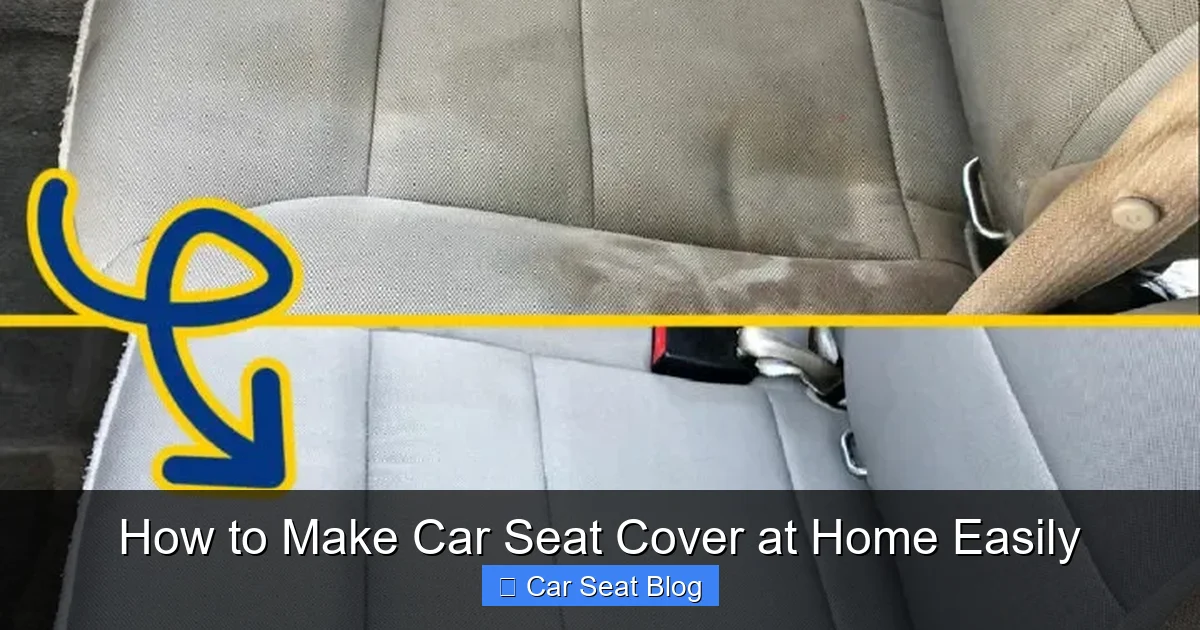
Visual guide about How to Make Car Seat Cover at Home Easily
Image source: i2.wp.com
Second, you control the materials. Want something waterproof for muddy paws? Go for neoprene. Prefer breathable fabric for summer drives? Choose cotton canvas. You can also match your car’s interior or add fun patterns—something mass-produced covers rarely offer.
Finally, it’s cost-effective. High-quality seat covers can cost $50–$150. With fabric and basic supplies, you can make one for under $30. Plus, you can make multiple covers for different seasons or uses.
Materials and Tools You’ll Need
Before starting, gather these supplies. Most can be found at craft stores, fabric shops, or online.
Essential Materials:
- Fabric: 2–3 yards (depending on seat size). Recommended options:
- Neoprene (waterproof, stretchy, great for pets)
- Canvas (durable, easy to clean)
- Microfiber (soft, absorbent)
- Outdoor fabric (UV-resistant, long-lasting)
- Elastic band: 1–2 yards (¼ to ½ inch wide)
- Thread: Matching or contrasting color
- Pins or fabric clips
- Measuring tape
- Fabric scissors
Tools (Optional but Helpful):
- Sewing machine (or needle for hand-sewing)
- Fabric marker or chalk
- Iron (for pressing seams)
- Safety pins (for temporary hold)
- No-sew fabric glue (if skipping stitches)
Step 1: Measure Your Car Seat
Accurate measurements are the foundation of a well-fitting cover. Start by removing any headrests if possible—this makes measuring easier.
How to Measure:
- Width: Measure across the widest part of the seat bottom and backrest.
- Depth: Measure from the front edge of the seat to the backrest base.
- Height: Measure from the seat base up the backrest to the top.
- Side Bolsters: Note any raised edges or contours that need coverage.
Pro tip: Use a soft measuring tape and take measurements at multiple points. Seats aren’t always perfectly rectangular. Add 1–2 inches to each dimension for seam allowances and ease.
Example: If your seat is 20” wide, 22” deep, and 24” tall, cut your fabric to 22” x 24” x 26” (including extra for seams and stretch).
Step 2: Choose the Right Fabric
Not all fabrics are created equal. The best choice depends on your needs.
Best Fabrics for Car Seat Covers:
- Neoprene: Waterproof, stretchy, and great for pets or spills. Slightly more expensive but very durable.
- Canvas: Heavy-duty and breathable. Ideal for daily use and easy to wipe clean.
- Microfiber: Soft and absorbent. Good for light use but may pill over time.
- Outdoor/Marine Fabric: UV-resistant and water-repellent. Perfect for convertibles or sunny climates.
Avoid delicate fabrics like silk or thin cotton—they won’t hold up to regular use. Also, skip fabrics that fray easily unless you plan to finish the edges with bias tape or a serger.
Step 3: Create a Pattern (Optional but Recommended)
For a professional fit, make a paper pattern first. This helps you visualize the shape and catch mistakes early.
How to Make a Pattern:
- Lay newspaper or butcher paper on your seat.
- Use a marker to trace the seat’s outline, including curves and bolsters.
- Add 1 inch around the edges for seam allowance.
- Cut out the pattern and test it on the seat. Adjust as needed.
If your seat has a split bottom (like many front seats), create separate patterns for each section. This ensures a snug fit.
Step 4: Cut the Fabric
Once your pattern is ready, transfer it to the fabric.
Cutting Tips:
- Place the pattern on the fabric and pin it in place.
- Use fabric scissors for clean cuts—don’t use regular scissors!
- Cut slowly, especially around curves.
- Label pieces (e.g., “backrest,” “seat bottom”) to avoid confusion.
If you’re making a one-piece cover (common for bucket seats), cut a single large piece that wraps around the seat. For bench seats, you may need multiple pieces sewn together.
Step 5: Sew the Cover (or Use No-Sew Methods)
Now comes the fun part—turning fabric into a cover. You can sew by hand or machine, or skip sewing entirely.
Sewing Method:
- Place fabric pieces right sides together.
- Pin along the edges to hold them in place.
- Sew with a ½-inch seam allowance using a straight stitch.
- Backstitch at the beginning and end to secure the thread.
- Press seams open with an iron for a cleaner look.
For stretchy fabrics like neoprene, use a zigzag stitch or a walking foot on your sewing machine to prevent puckering.
No-Sew Method:
- Use fabric glue or iron-on hem tape to bond edges.
- Apply glue along the seam and press firmly for 30 seconds.
- Reinforce with safety pins until dry.
- This method works best for simple, flat designs.
No-sew covers are great for temporary use or beginners, but they may not hold up as well over time.
Step 6: Add Elastic for a Snug Fit
Elastic helps the cover stay in place, especially on the bottom edge.
How to Add Elastic:
- Measure the perimeter of the seat bottom.
- Cut elastic 2–3 inches shorter than the measurement (it will stretch).
- Sew the elastic into a loop.
- Pin the elastic to the inside edge of the cover, stretching it slightly as you sew.
- Use a zigzag stitch to attach it securely.
Pro tip: Sew a casing (a fabric tunnel) along the edge and thread the elastic through it. This hides the elastic and makes adjustments easier.
Step 7: Test and Adjust
Once your cover is complete, test it on the seat.
Check for:
- Snug fit without pulling or bunching
- Full coverage of high-wear areas
- Clear access to seatbelts and airbags
- No obstruction of controls or vents
If the cover is too loose, add more elastic or take in the seams. If it’s too tight, let out the seams slightly or use a larger piece of fabric next time.
Safety Tips and Common Mistakes to Avoid
While making your own cover is safe and fun, keep these tips in mind:
Safety First:
- Never cover airbags. Most side airbags deploy from the seat itself. Covering them can prevent proper deployment.
- Don’t block seatbelt buckles or anchors. Ensure full access for safety.
- Avoid loose fabric. It can interfere with driving or get caught in mechanisms.
Common Mistakes:
- Skipping measurements: Leads to ill-fitting covers.
- Using weak fabric: Tears easily with regular use.
- Ignoring stretch: Non-stretch fabric won’t conform to contoured seats.
- Forgetting to pre-wash fabric: Shrinkage can ruin the fit after washing.
Troubleshooting Common Issues
Even with careful planning, issues can arise. Here’s how to fix them:
Cover Slips Off Seat:
Add more elastic or use non-slip fabric on the underside. You can also sew small loops to attach to seat hooks.
Fabric Pills or Wears Quickly:
Switch to a more durable fabric like canvas or neoprene. Avoid low-thread-count materials.
Seams Come Undone:
Reinforce with double stitching or fabric glue. Use a stronger thread next time.
Cover Looks Wrinkled:
Press with an iron (if fabric allows) or steam out wrinkles. Choose smoother fabrics for a polished look.
Personalize Your Car Seat Cover
Now that your cover fits perfectly, make it uniquely yours!
Customization Ideas:
- Add zippered pockets for phones, snacks, or tissues.
- Use contrasting thread for a pop of color.
- Embroider your name or a fun design.
- Sew on Velcro straps to secure the cover to headrest posts.
- Use reversible fabric for two looks in one.
Get creative—your car is an extension of your personality!
Conclusion
Making a car seat cover at home is a rewarding DIY project that saves money, improves fit, and lets you express your style. With the right materials, accurate measurements, and a little patience, you can create a cover that protects your seats and looks great doing it.
Whether you’re sewing by machine or using no-sew methods, the process is simple and adaptable. Remember to prioritize safety, choose durable fabrics, and test your cover before daily use. In no time, you’ll have a custom seat cover that’s as functional as it is fashionable.
So grab your fabric, measure your seat, and start crafting. Your car—and your passengers—will thank you!