Car seat covers can protect leather seats from wear, spills, and UV damage—but only if you choose the right type and install them properly. This guide explains how seat covers work, what materials offer the best protection, and how to maintain both your covers and leather seats for lasting results.
Quick Answers to Common Questions
Tip/Question?
Can I use any seat cover on leather seats?
No—avoid thin, non-breathable, or poorly fitting covers. Choose materials like neoprene or canvas that protect without trapping moisture.
Tip/Question?
Do seat covers void my car’s warranty?
Generally, no—unless they cause damage. Use airbag-safe, non-abrasive covers and follow manufacturer guidelines to stay safe.
Tip/Question?
Should I remove seat covers in winter?
It’s a good idea in humid climates. Letting leather breathe prevents moisture buildup and mold.
Tip/Question?
Can seat covers improve comfort?
Yes—some materials like neoprene add cushioning and stay cooler in heat, enhancing ride comfort.
Tip/Question?
How often should I clean my seat covers?
Clean them monthly or as needed after spills. Deep clean every 3–6 months depending on use.
Do Car Seat Covers Protect Leather Seats Effectively?
If you’ve invested in a vehicle with leather seats, you know how luxurious—and vulnerable—they can be. Leather adds elegance and comfort, but it’s also prone to cracking, fading, staining, and wear from daily use. That’s where car seat covers come in. But do they really protect your leather seats effectively?
The short answer is: yes—when chosen and used correctly. High-quality, well-fitted seat covers act as a protective barrier between your leather and the elements that degrade it. In this guide, we’ll walk you through everything you need to know about using seat covers to safeguard your leather upholstery, from choosing the right material to installing and maintaining them properly.
Why Protect Leather Seats?
Before diving into seat covers, it’s important to understand why leather seats need protection in the first place.
Leather is a natural material that reacts to heat, sunlight, moisture, and friction. Over time, exposure to UV rays can cause fading and brittleness. Spills—especially acidic ones like soda or coffee—can stain or etch the surface. Pets, kids, and even sharp objects like keys or belt buckles can scratch or tear the leather. And let’s not forget body oils and sweat, which can break down the finish over time.
Even with regular cleaning and conditioning, leather seats are susceptible to damage. That’s why adding a protective layer—like a seat cover—can significantly extend their life and keep your car’s interior looking sharp.
How Seat Covers Protect Leather Seats
Seat covers work by creating a physical barrier between your leather seats and potential hazards. Here’s how they help:
1. Shield Against Spills and Stains
One of the biggest threats to leather is liquid spills. Water, juice, coffee, and even sunscreen can seep into leather and leave permanent marks. Seat covers—especially water-resistant ones—prevent liquids from reaching the leather. Neoprene and vinyl-backed fabrics are excellent for this.
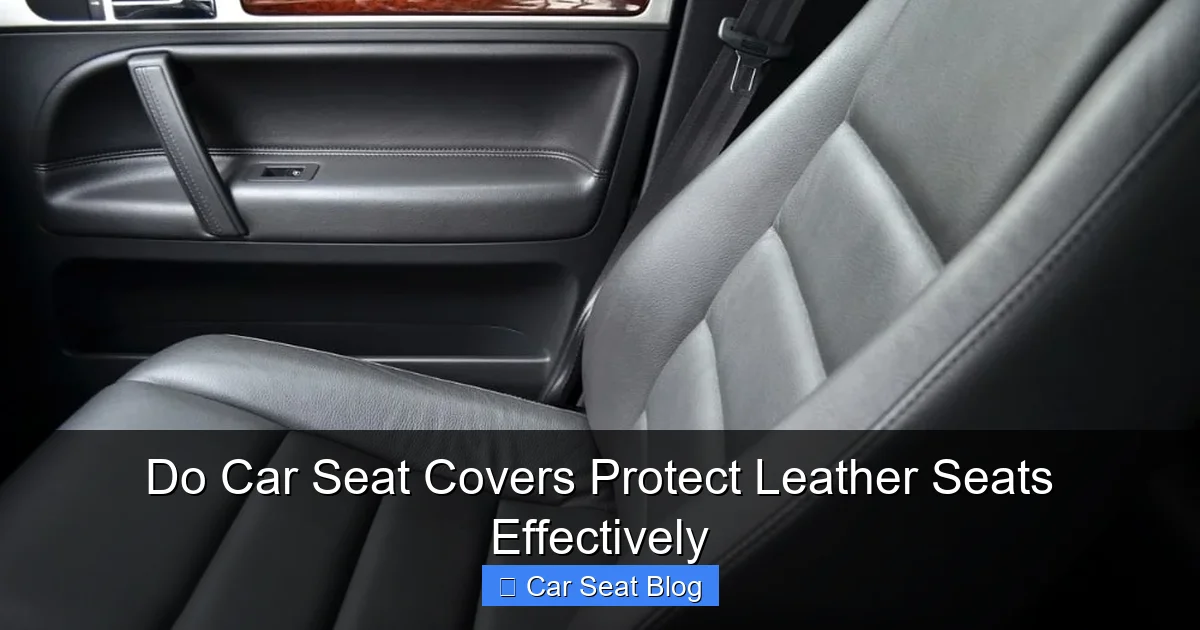
Visual guide about Do Car Seat Covers Protect Leather Seats Effectively
Image source: cdn.mominformed.com
2. Prevent UV Damage
Sunlight is leather’s worst enemy. Prolonged exposure causes fading, drying, and cracking. Many modern seat covers are made with UV-resistant materials that reflect or absorb harmful rays, keeping your leather supple and vibrant.
3. Reduce Wear and Tear
Daily use means constant friction from getting in and out of the car. Seat covers absorb this wear, especially in high-contact areas like the seat base and backrest. This is especially helpful if you have kids, pets, or frequently transport passengers.
4. Block Pet Hair and Claws
If you travel with pets, you know how quickly fur accumulates and claws can scratch leather. Durable, pet-friendly seat covers (like canvas or heavy-duty polyester) protect against both.
5. Maintain Resale Value
Well-maintained leather seats can boost your car’s resale value. Seat covers help preserve the original upholstery, so when it’s time to sell, your seats look nearly new.
Choosing the Right Seat Cover Material
Not all seat covers are created equal. The material you choose determines how well your leather seats are protected. Here are the top options:
Neoprene
Neoprene is a synthetic rubber that’s water-resistant, durable, and soft to the touch. It’s ideal for protecting leather from spills and UV damage. It also resists odors and is easy to wipe clean. Great for families, outdoor enthusiasts, or anyone who wants all-weather protection.
Canvas
Heavy-duty canvas is tough, breathable, and resistant to tears and abrasions. It’s perfect for trucks, SUVs, or vehicles used for work or adventure. While not as sleek as other materials, it offers excellent protection for high-use vehicles.
Polyester with Water-Resistant Coating
High-quality polyester covers with a waterproof or water-resistant backing are affordable and effective. Look for those with reinforced stitching and non-slip backing to prevent shifting.
Leatherette (Synthetic Leather)
Leatherette mimics the look of real leather but is more durable and easier to clean. It’s a good middle ground if you want style and protection. However, ensure it’s breathable to avoid trapping moisture against your real leather seats.
Avoid Thin or Non-Breathable Fabrics
Cheap, thin covers made from low-grade polyester or non-breathable materials can trap heat and moisture. This creates a breeding ground for mold and mildew, which can damage both the cover and the leather underneath. Always choose breathable, high-density fabrics.
Ensuring a Proper Fit
A seat cover is only effective if it fits correctly. A loose or ill-fitting cover can shift, wrinkle, or rub against the leather, causing abrasion and potential damage over time.
Measure Your Seats
Before buying, measure your seat dimensions—width, depth, and height. Compare these to the manufacturer’s sizing chart. Universal covers may seem convenient, but they often don’t provide full coverage or secure attachment.
Choose Custom or Semi-Custom Fit
Custom-fit covers are designed specifically for your vehicle’s make, model, and year. They hug the contours of your seats and include cutouts for headrests, armrests, and seat belts. Semi-custom offers a close fit at a lower price point.
Check for Airbag Compatibility
Many modern cars have side airbags built into the seats. Using a cover that blocks or interferes with airbag deployment is dangerous. Always choose covers labeled “airbag-safe” or “side-airbag compatible.” These have built-in seams that split open when the airbag deploys.
Installing Seat Covers Correctly
Even the best seat cover won’t protect your leather if it’s installed poorly. Follow these steps for a secure, wrinkle-free fit.
Step 1: Clean Your Leather Seats
Before installing, thoroughly clean and dry your leather seats. Use a leather cleaner and conditioner to remove dirt, oils, and residue. This ensures the cover sits smoothly and doesn’t trap grime underneath.
Step 2: Remove Headrests (If Needed)
Some covers require headrest removal for installation. Check the instructions. If so, gently pull the headrest out, slide the cover over the seat, then reattach the headrest through the cover’s designated slot.
Step 3: Position the Cover
Start by aligning the cover with the seat base. Pull it over the seat back, making sure it’s centered. For covers with straps or hooks, secure them underneath the seat to prevent shifting.
Step 4: Smooth Out Wrinkles
Use your hands to smooth out any wrinkles or bunching. Pay special attention to the sides and corners. A tight, flat fit prevents friction and ensures even protection.
Step 5: Secure All Fasteners
Tighten any buckles, Velcro, or elastic straps. Make sure the cover doesn’t slide when you sit in it. Test the seat belt and adjustability to ensure full functionality.
Maintaining Your Seat Covers and Leather Seats
Protection doesn’t end at installation. Regular maintenance keeps both your covers and leather in top condition.
Clean Seat Covers Monthly
Wipe down fabric covers with a damp cloth and mild detergent. For neoprene or leatherette, use a specialized cleaner. Machine-washable covers should be cleaned according to the manufacturer’s instructions—usually on a gentle cycle with cold water.
Condition Leather Every 3–6 Months
Even with covers, leather needs conditioning to stay soft and prevent cracking. Use a high-quality leather conditioner every few months. Apply it to the areas not covered (like under the cover edges) or during cover removal for deep cleaning.
Inspect for Moisture Buildup
Check under the covers occasionally, especially after rainy weather or spills. Lift the edges to ensure no moisture is trapped. If you notice dampness, remove the cover and let the seat air dry completely before re-covering.
Rotate or Remove Covers Seasonally
If you live in a humid climate, consider removing covers during cooler months to let the leather breathe. This prevents long-term moisture retention and potential mold growth.
Troubleshooting Common Issues
Even with the best care, problems can arise. Here’s how to handle common seat cover issues:
Covers Keep Slipping
If your cover shifts when you sit down, check the fasteners. Add non-slip pads or rubberized mats underneath for extra grip. Ensure the cover is the correct size—too loose is a common cause.
Wrinkles or Bunching
Reinstall the cover, smoothing it out as you go. For persistent wrinkles, try using a fabric steamer to relax the material, then re-secure tightly.
Odors Under the Cover
Trapped moisture or spills can cause mildew smells. Remove the cover, clean the leather with a mild cleaner, and let it air dry completely. Wash the cover thoroughly and ensure it’s dry before reinstalling.
Fading or Discoloration
If your leather shows fading under the cover, it may be due to heat buildup. Switch to a lighter-colored, breathable cover, or remove it during extreme heat. Use sunshades when parked to reduce overall interior temperature.
Conclusion
So, do car seat covers protect leather seats effectively? Absolutely—when you choose the right material, ensure a proper fit, and maintain both the covers and the leather underneath. Seat covers are a smart, cost-effective way to preserve your vehicle’s interior, prevent damage, and maintain resale value.
By following the steps in this guide, you can enjoy the luxury of leather seats without the constant worry of stains, scratches, or sun damage. Whether you drive a family SUV, a rugged truck, or a sleek sedan, the right seat cover acts like a shield, keeping your leather looking and feeling like new for years to come.
Invest in quality, install carefully, and maintain regularly—and your leather seats will thank you.

