Are Car Vacuum Cleaners Effective for Daily Cleaning?

Yes. Car vacuum cleaners are effective for daily cleaning when you target light messes. They handle crumbs, dust, lint, sand, and loose pet hair well. They do not replace a full-size vacuum for deep carpet cleaning, but they make daily upkeep faster and easier.
You open your car door and spot crumbs, grit, and lint again. That mess adds up faster than most drivers expect.
I’m Ryan Carter, and I focus on practical car care that saves time. I’ve compared handheld vacuums, 12V units, and wet/dry models in daily use. Let’s look at what works, what fails, and what helps most.
- Car vacuum cleaners work best on light daily messes.
- Daily use matters more than maximum power claims.
- Filters, tools, and storage habits affect results more than price alone.
- Cordless models win on speed, while 12V models offer steady power.
Why do car vacuum cleaners work well for daily messes?
They work because daily debris sits on the surface first. Surface dirt needs less power and less time to remove.
That simple fact changes everything. A small vacuum struggles with packed-in dirt, but it handles fresh crumbs fast.
What kinds of dirt do they handle best?
Car vacuum cleaners do best with dry, loose debris. Think crumbs, road dust, lint, dry leaves, and light sand.
They also help with small pet hair patches on seats. A brush tool usually improves results on fabric.
- Crumbs: Easy to lift from seats, seams, and mats.
- Dust: Quick to remove from dashboards, carpets, and door pockets.
- Sand: Manageable when cleaned early and often.
- Pet hair: Easier in light amounts with a brush attachment.
- Lint: Simple to remove from cloth seats and trunk liners.
Where do they struggle?
They struggle when dirt packs deep into carpet fibers. Thick pet hair and dried mud also slow them down.
Cheap nozzles can miss debris near seat rails. Small bins fill fast in family cars and larger SUVs.
- Deep carpet grit: Often needs stronger suction.
- Heavy pet hair: May need a rubber brush first.
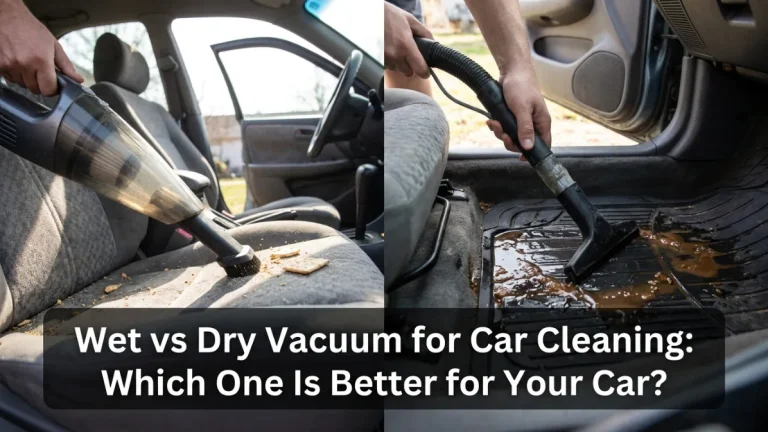
- Wet spills: Need a wet/dry model, not a dry-only unit.
- Large interiors: Need longer runtime or a power cord.
Use your vacuum before dirt gets packed down. Five short cleanups beat one hard cleanup every week.
Here’s where it gets interesting. The vacuum itself matters, but the right features matter more.
What features matter most if you clean your car every day?
The most important features are usable suction, good tools, and easy maintenance. Daily cleaning fails when the vacuum feels slow, awkward, or annoying.
Marketing claims can distract you here. Real-world ease often beats flashy power numbers.
How much suction do you need?
You need enough suction for dust, crumbs, and light grit. For daily use, steady airflow matters more than peak power claims.
Many brands advertise watts, amps, or kPa. Those numbers help, but nozzle design and filter condition matter just as much.
James Dyson helped popularize cyclonic separation in consumer vacuums. That design keeps airflow more stable as the bin fills.
Dyson uses that idea in premium handheld models. Other brands now use similar airflow paths at lower prices.
A dirty filter cuts suction fast. That’s why a clean mid-power unit can beat a clogged high-power one.
Are cordless or 12V models better?
Both can work well, but they solve different problems. Cordless models win on speed, while 12V models win on consistent power.
| Type | Best For | Main Strength | Main Weakness |
|---|---|---|---|
| Cordless car vacuum | Fast daily cleanup | Easy to grab and use | Short runtime |
| 12V plug-in vacuum | Longer cleaning sessions | Steady power from the car | Limited reach and cord drag |
| Wet/dry auto vacuum | Spills and heavy debris | Handles more mess types | Bulkier storage |
| Home or shop vacuum | Deep cleaning days | Strong suction and larger bins | Less convenient for daily use |
BLACK+DECKER helped make handheld vacuums common in many U.S. homes. That matters because daily car cleaning depends on grab-and-go convenience.
Armor All leans more into auto-focused wet/dry tools. Those models make sense if your car sees mud, drinks, or winter slush.
Which tools make daily cleaning easier?
The right tools can save more time than extra power. A weak vacuum with a good crevice tool often beats a stronger one with no reach.
- Crevice tool: Best for seat rails, console gaps, and door pockets.
- Soft brush: Best for vents, cloth seats, and dashboards.
- Rubber tool: Helps pull pet hair from fabric.
- Flexible hose: Helps in trucks, SUVs, and third rows.
- HEPA filter: Helps trap fine dust inside the vacuum.
HEPA filtration matters most if you clean often or have allergies. The EPA explains indoor dust and air quality in plain language.
Now let’s move from features to actual use. This is where most people win or lose.
How should you use a car vacuum for fast daily cleaning?
You should follow the same short routine every time. Daily cleaning works because it stays simple and repeatable.
Start at the highest surfaces and work down. That keeps dust from falling onto places you already cleaned.
What is the five-minute routine?
This routine works for commuters, parents, and ride-share drivers. It focuses on the areas that get dirty first.
- Open all doors and remove bottles, wrappers, and large trash.
- Use a brush tool on seats, cup holders, and the center console.
- Switch to a crevice tool for rails, seams, and door pockets.
- Vacuum floor mats next, then the carpet under each seat.
- Empty the bin right away if it is half full.
This routine works because it targets the dirtiest areas first. It also keeps the job under five minutes.
Which mistakes cut performance?
The biggest mistake is waiting too long. Dirt gets harder to lift after people step on it for days.
The next mistake is using the wrong tool. A wide nozzle misses dirt in narrow seams and corners.
- Ignoring the filter: Airflow drops fast after dust builds up.
- Overfilling the bin: Pickup gets weaker and messier.
- Using dry-only models on damp messes: This can damage the unit.
- Cleaning too fast: Slow passes lift more grit from mats.
- Skipping seat rails: Debris hides there and spreads later.
Do not vacuum wet spills with a dry-only vacuum. Water can damage the motor and create odor problems inside the unit.
The good news is that daily cleaning needs less effort than deep cleaning. But you still need the right tool for the job.
Are car vacuum cleaners better than a home vacuum or gas station vacuum?
They are better for convenience, not raw power. A car vacuum wins when speed and access matter most.
A full-size home vacuum or shop vac still wins on deep cleaning. Gas station vacuums also hit harder for packed dirt.
When is a car vacuum the better choice?
A car vacuum is the better choice when you want quick control. It shines in daily cleanup, not monthly rescue jobs.
- Before work: Clean driver footwells in two minutes.
- After kids eat: Catch crumbs before they spread.
- After pet rides: Remove loose hair before it mats down.
- In apartments: Store a small unit without needing a garage.
- For ride-share drivers: Reset the cabin between trips.
When should you use something else?
Use something stronger when dirt sits deep or covers large areas. That includes winter salt, wet spills, and thick pet hair.
Shark makes several handheld tools that cross over between home and car. That can help if you want one device for both jobs.
For heavy cleanup, a garage shop vac or car wash vacuum still makes more sense. That is why many smart owners use both tools.
So what does that mean for you? Buy for daily upkeep, then deep clean less often.
Who should buy a car vacuum cleaner and who can skip it?
You should buy one if your car gets dirty often. You can skip one if you rarely drive or already keep a strong vacuum nearby.
The best buyers are people with repeat messes. The weakest buyers are people who only clean once a month.
What drivers get the most value?
- Parents: Snacks create crumbs every day.
- Pet owners: Hair spreads fast across fabric and mats.
- Commuters: Dust and grit build up from shoes and bags.
- Ride-share drivers: Clean cabins support better rider impressions.
- Beach or trail visitors: Sand and dirt appear after every trip.
- Allergy-sensitive users: Frequent dust removal can help comfort.
When is it not worth it?
It may not be worth it if you already use a garage vacuum nearby. It also makes less sense if your car stays clean most days.
Small two-seat cars with light use need less cleanup. In those cases, a monthly home vacuum might be enough.
Match the vacuum to your mess. Choose brush tools for hair, crevice tools for crumbs, and wet/dry units for spills.
Now let’s protect your investment. A good vacuum only stays good with basic care.
How do you make a car vacuum last longer?
You make it last longer by cleaning it often and storing it smartly. Most vacuum problems start with heat, full bins, or dirty filters.
This matters more with portable units. Small motors lose performance faster when airflow gets blocked.
How often should you empty and clean it?
Empty the dust bin after each use or when it reaches half full. That keeps airflow stronger and cleanup easier.
Wash or tap out the filter on the schedule in the manual. For daily users, that often means weekly or biweekly care.
A clean filter can restore lost pickup right away. That is why maintenance beats chasing bigger power numbers.
How do you store it safely in heat and cold?
Store it in a cool, dry place when possible. Heat is the biggest enemy of cordless battery life.
Do not leave a lithium-ion model in a hot parked car all summer. Cabin temperatures can climb fast during sunny weather.
If you keep it in the vehicle, secure it well. The NHTSA warns about loose cargo safety during sudden stops.
A trunk organizer helps here. It keeps the vacuum, tools, and charger in one place.
Routine care also fits good car maintenance habits. The AAA basic car maintenance guidance shows how small habits prevent larger problems.
But there’s one more thing. Some messes change the whole buying decision.
What expert tips and edge cases should you know?
Pet hair, sand, and kid messes all change what “effective” means. The best vacuum for crumbs may fail on beach sand.
That is why daily cleaning still needs a smart match. Use case matters more than hype.
How do pet hair, sand, and child messes change the choice?
Pet hair needs grip as much as suction. A rubber brush or motorized head helps more than raw power alone.
Sand needs strong airflow and slow passes. If sand sits for days, it sinks deeper into carpet and mat grooves.
Child messes often include sticky bits and spills. In that case, a wet/dry model has clear value.
- Pet owners: Look for a brush or rubber tool.
- Beach drivers: Look for strong airflow and easy bin emptying.
- Families: Look for wet/dry support and larger bins.
- Truck and SUV owners: Look for longer runtime or a hose.
What trends are shaping portable car vacuums?
In 2024, more portable vacuums used lithium-ion batteries and USB charging. That makes daily top-ups easier for busy drivers.
Brushless motors are also spreading across better models. They often run cooler and last longer than older designs.
Filters are improving too. HEPA-style systems now appear in more mid-range handheld units than before.
The short answer stays the same, though. Better design helps, but daily use still matters most.
What’s the bottom line on daily use?
Yes, car vacuum cleaners are worth it for daily cleaning when your mess stays light. They save time, cut buildup, and keep your cabin easier to manage.
Choose the type that fits your mess, not the loudest marketing claim. Then use it often enough that dirt never gets a head start.
If your car gets messy every week, start with a short daily routine. I’m Ryan Carter, and that simple habit gives the best results.
Frequently Asked Questions
Do car vacuum cleaners work on pet hair?
Yes, they can work on pet hair when the amount is light. A brush or rubber tool improves results more than suction alone.
Can a handheld vacuum clean car seats well?
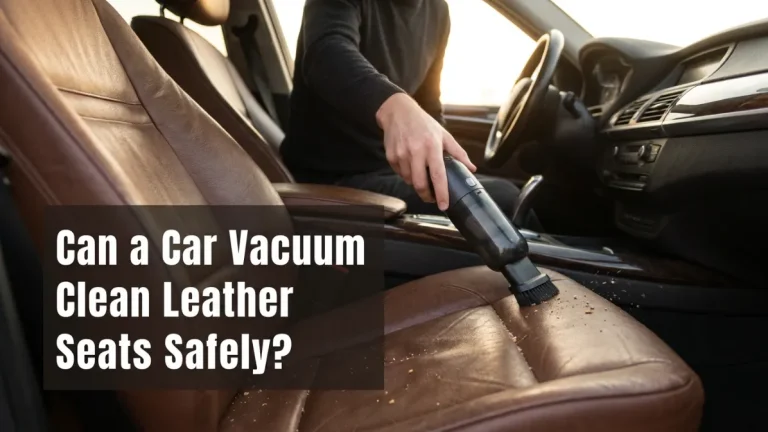
Yes, a handheld vacuum can clean car seats well for dust, crumbs, and loose hair. Fabric seats usually need a brush attachment for better pickup.
Is a cordless car vacuum better than a 12V model?
It depends on your routine. Cordless models are faster to grab, while 12V models offer longer steady use.
How often should you vacuum your car?
Vacuum your car as often as new mess appears. For most daily drivers, two to five short cleanups each week works well.
Why does my car vacuum lose suction so fast?
It usually loses suction because the filter is dirty or the bin is too full. A blocked nozzle can also reduce airflow right away.
Can a car vacuum replace a gas station vacuum?
No, not fully. A car vacuum replaces quick daily cleanup, but a gas station vacuum still works better for deep dirt and large interiors.