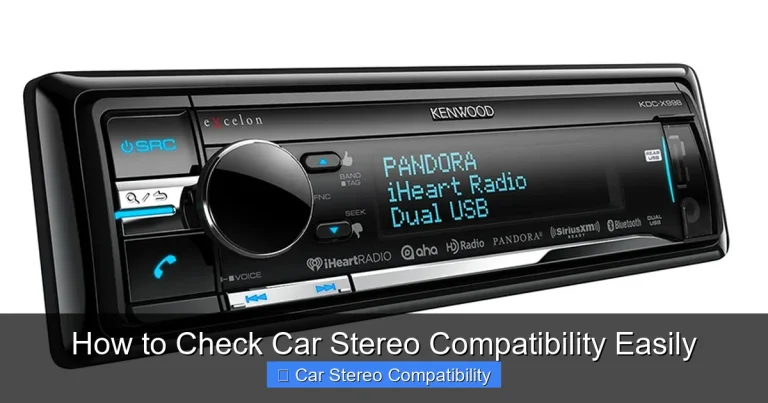
How to Determine Car Stereo Size Easily and Accurately

Knowing your car stereo size is essential for a seamless upgrade or replacement. This guide walks you through simple methods to measure and identify your stereo’s dimensions accurately, ensuring compatibility with aftermarket units.
How to Determine Car Stereo Size Easily and Accurately
Upgrading your car stereo can transform your driving experience—better sound, modern features like Bluetooth and Apple CarPlay, and a sleeker look. But before you buy that shiny new head unit, there’s one critical step: determining your car stereo size. Installing a stereo that doesn’t fit can lead to frustration, extra costs, and even damage to your dashboard.
Don’t worry—figuring out your car stereo size isn’t rocket science. With a few simple tools and a bit of patience, you can identify the right size quickly and accurately. In this guide, we’ll walk you through every step, from checking your owner’s manual to measuring your dash opening and using online resources. By the end, you’ll know exactly what size stereo your car needs.
Why Car Stereo Size Matters
Car stereos come in standard sizes, but not all vehicles follow the same rules. The most common sizes are single DIN and double DIN, but some cars have custom or oversized openings. Installing the wrong size can result in:
- A loose or wobbly stereo that doesn’t stay in place
- Gaps around the edges that look unprofessional
- Damage to the dashboard or stereo mounting brackets
- Inability to use features like touchscreens or climate controls
Getting the size right ensures a clean, secure, and functional installation. It also saves you from returning incompatible units or buying expensive adapters unnecessarily.
Step 1: Check Your Owner’s Manual
The easiest way to determine your car stereo size is to consult your vehicle’s owner’s manual. Most manufacturers include information about the audio system, including the stereo dimensions and whether it uses a standard DIN size.
How to Find the Info
Look for sections labeled “Audio System,” “Entertainment,” or “Dashboard Components.” Some manuals even include diagrams of the stereo slot. If your car came with a factory stereo, the manual will often specify if it’s single DIN, double DIN, or a custom size.
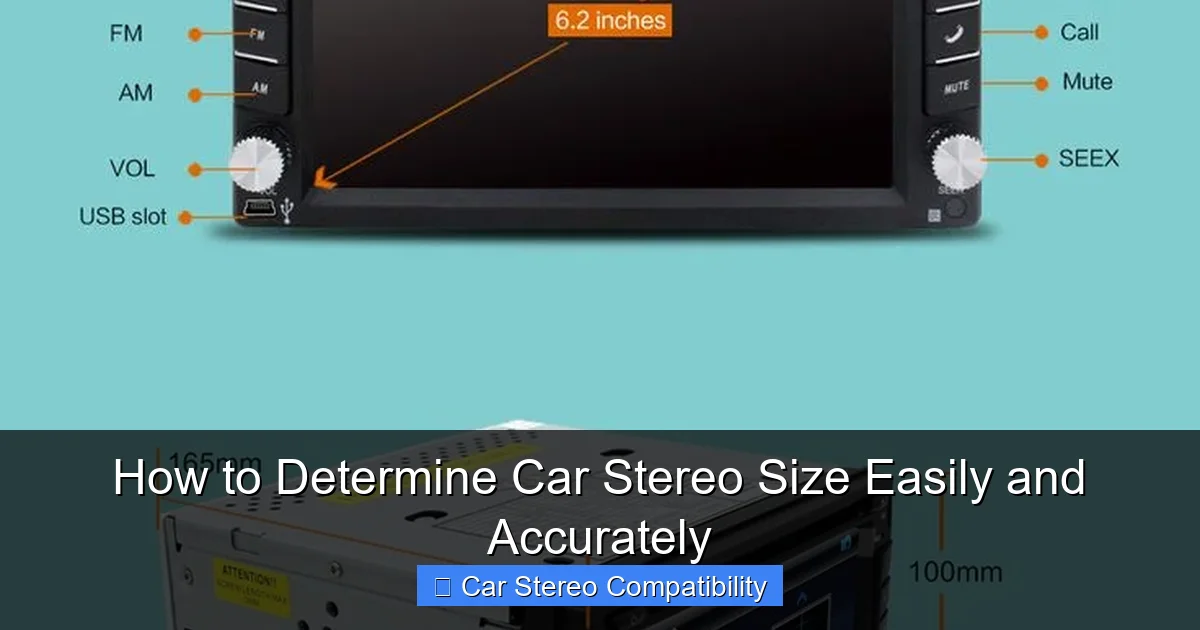
Visual guide about How to Determine Car Stereo Size Easily and Accurately
Image source: i.pinimg.com
What If You Don’t Have the Manual?
No problem. You can usually download a digital copy from the manufacturer’s website using your car’s make, model, and year. Sites like ManualsLib or the automaker’s official support page are great resources.
Step 2: Identify Standard DIN Sizes
Most aftermarket car stereos are designed to fit one of two standard sizes defined by the German standard DIN (Deutsches Institut für Normung). Knowing these helps you quickly narrow down your options.
Single DIN (7″ x 2″)
This is the most common size, measuring approximately 7 inches wide by 2 inches tall (180mm x 50mm). It’s found in many older cars and compact vehicles. Single DIN stereos are compact and ideal for basic audio upgrades.
Double DIN (7″ x 4″)
Double DIN units are twice as tall as single DIN, measuring about 7 inches wide by 4 inches tall (180mm x 100mm). They’re popular in modern cars and allow for larger displays, touchscreens, and advanced features like navigation and smartphone integration.
Other Sizes and Custom Fitments
Some vehicles—especially trucks, SUVs, and luxury models—use non-standard sizes. For example, Ford trucks often have oversized openings, while some European cars have deeper or wider slots. In these cases, you may need a custom dash kit or adapter.
Step 3: Measure the Dash Opening
If you can’t find the info in the manual or aren’t sure about the size, measuring the dash opening is the most reliable method. Important: Measure the slot in the dashboard—not the stereo itself.
Tools You’ll Need
- A flexible tape measure or ruler
- A flashlight (to see into tight spaces)
- Removal keys or a flathead screwdriver (optional)
How to Measure
- Turn off the car and remove any keys from the ignition.
- Use a flashlight to inspect the stereo slot. Look for the metal frame or bezel around the opening.
- Measure the width from the inside edges of the left and right sides of the opening.
- Measure the height from the top to the bottom inside edges.
- Record both measurements in inches or millimeters.
Example
If your opening is 7 inches wide and 2 inches tall, it’s a single DIN. If it’s 7 inches wide and 4 inches tall, it’s double DIN. If it’s larger or an unusual shape, you may have a custom setup.
Step 4: Remove the Stereo (If Needed)
Sometimes, the only way to get accurate measurements is to remove the stereo. This is especially true if the unit is recessed or has a trim bezel that hides the actual opening.
Safety First
Before removing anything, disconnect the car battery to avoid electrical shorts or damage to the stereo. Wait a few minutes after disconnecting to let the system power down.
Using Removal Keys
Most aftermarket stereos come with removal keys—thin metal tools that slide into slots on the sides of the unit. Insert the keys evenly and pull gently to release the stereo from the dash.
Using a Screwdriver
If your stereo has visible screws or clips, use a flathead screwdriver to carefully pry off the trim bezel. Then unscrew or unclip the stereo and slide it out.
Measure the Stereo Faceplate
Once removed, measure the faceplate of the stereo (the visible front part). Compare it to standard DIN sizes. Also, check the depth of the unit to ensure a new stereo will fit without hitting wires or the back of the dash.
Step 5: Use Online Compatibility Tools
Many stereo manufacturers and retailers offer online tools to help you find the right size. These are especially helpful if you’re unsure or driving a less common vehicle.
How They Work
Enter your car’s make, model, and year into a compatibility checker (like those on Crutchfield, Best Buy, or Amazon). The tool will show you compatible stereos and confirm the DIN size.
Benefits
- Saves time and reduces guesswork
- Recommends dash kits and wiring harnesses
- Shows user reviews and installation tips
Tip
Even if you’ve measured manually, double-check with an online tool. It can alert you to special requirements, like needing a pocket for single DIN units or a specific mounting bracket.
Troubleshooting Common Issues
“My measurements don’t match standard sizes.”
This is common in older cars, trucks, or imported vehicles. Look for a dash kit designed for your specific model. These kits include brackets and trim pieces to adapt a standard stereo to a non-standard opening.
“The stereo won’t stay in place after installation.”
This usually means the mounting brackets aren’t secure or the stereo is the wrong size. Use a dash kit with proper support brackets and ensure the stereo is fully seated in the opening.
“I can’t remove the stereo.”
Some factory stereos are bolted in or have hidden clips. Check online forums or YouTube for your car model—there are often step-by-step videos showing how to remove the unit safely.
“The new stereo sticks out too far.”
This happens when the stereo is too deep for the dash. Check the depth specification before buying. Some stereos come with extension brackets or shallow-mount options.
Final Tips for a Perfect Fit
- Double-check measurements: Measure twice, buy once. Even a small error can cause fit issues.
- Buy a dash kit: Even for standard sizes, a dash kit ensures a clean, professional look and secure fit.
- Consider future upgrades: If you plan to add a backup camera or steering wheel controls, choose a stereo with those features built-in.
- Watch installation videos: Seeing the process in action can help you understand how the stereo fits and what tools you’ll need.
Conclusion
Determining your car stereo size doesn’t have to be complicated. By following these steps—checking your manual, measuring the dash, using online tools, and removing the stereo if needed—you can confidently find the right fit for your vehicle. Whether you’re upgrading to a single DIN for better sound or a double DIN with a vibrant touchscreen, getting the size right is the first step to a successful installation.
Remember, accuracy is key. A few minutes of careful measurement can save hours of frustration and extra costs. With the right size stereo, you’ll enjoy better audio, modern features, and a sleek look that enhances your driving experience.
Now that you know how to determine car stereo size easily and accurately, you’re ready to shop with confidence. Happy upgrading!