Battery Lifespan By Type: 2026 Comparison & Care Tips

Quick Summary: Battery lifespan by type ranges from 3–5 years for standard lead-acid, 4–7 years for AGM, 4–6 years for EFB, and 8–15 years for EV packs. Heat, short trips, and poor charging kill batteries fast. Test voltage at home, fix drains, use a smart charger, and pick the right type for your car and driving.
If your car cranks slow, lights dim, or dies after work, you’re not alone. Understanding battery lifespan by type helps you plan before you get stranded. I’ll show you how to test your battery at home, spot warning signs, and choose the right replacement. You’ll see easy steps, safety tips, and real fixes you can do today. By the end, you’ll know how long each battery type should last and how to make yours live longer.

Battery lifespan by type: what to expect
Not all car batteries age the same. Chemistry, design, and your driving style all change how long they last. Here’s a clear view of expected battery lifespan by type, plus what affects it most in real-world driving.

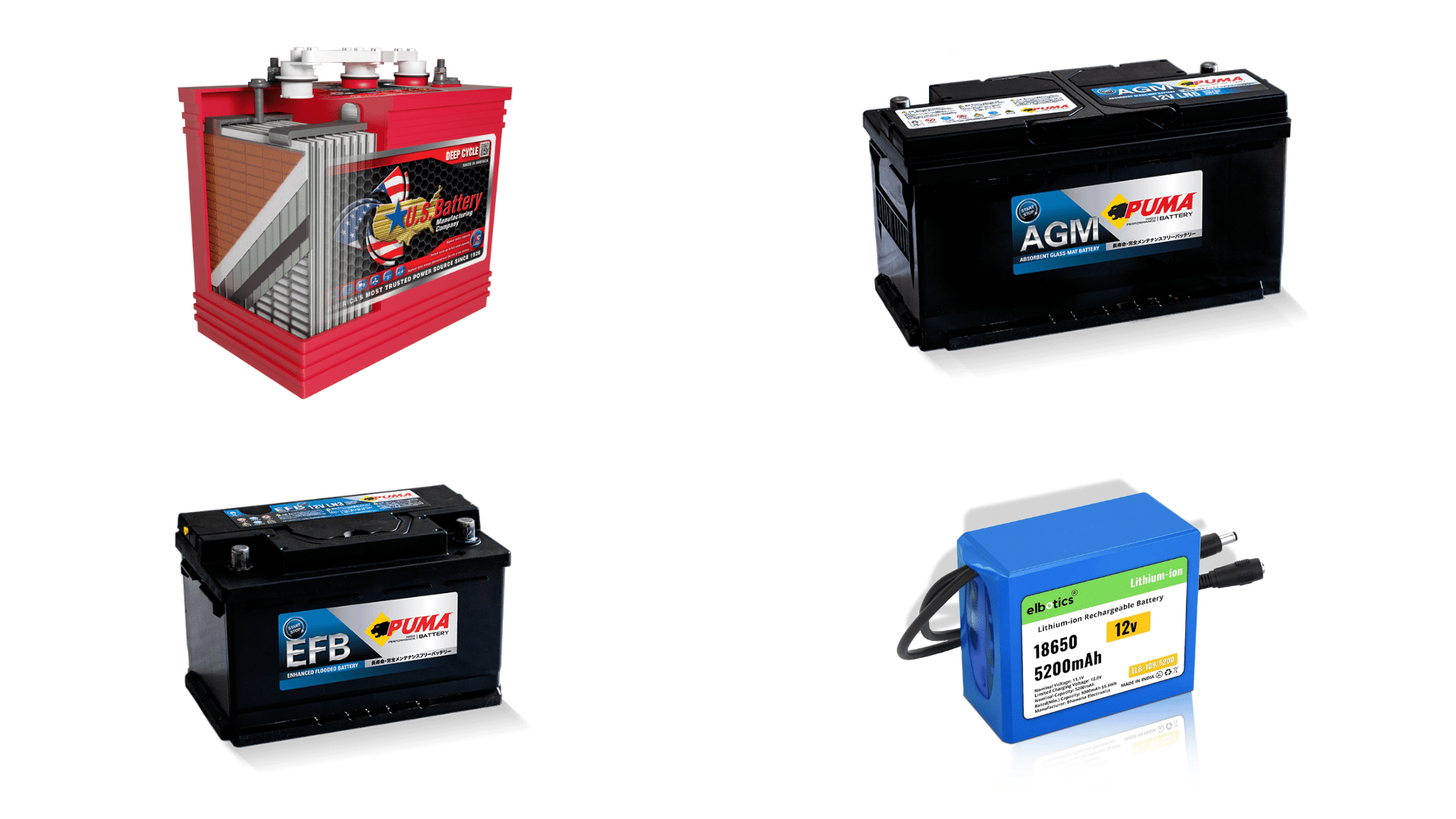
| Battery Type | Typical Lifespan (Years) | Best For | Weak Spots | Notes |
|---|---|---|---|---|
| Flooded Lead-Acid (Wet Cell) | 3–5 | Standard cars, mild climates | Heat, low water (serviceable types), vibration | Most common and lowest cost |
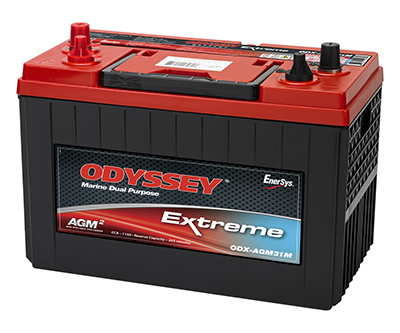
| AGM (Absorbent Glass Mat) | 4–7 | Start-stop, high electrical loads, cold weather | Overcharging, high under-hood heat | Spill-proof, better deep-cycle tolerance |
| EFB (Enhanced Flooded Battery) | 4–6 | Basic start-stop systems | Repeated deep discharges | Stronger than flooded; cheaper than AGM |
| Gel Cell | 4–6 | Vibration-prone, specialty uses | Hates fast charging | Less common in modern cars |
| 12V Lithium (LiFePO4) | 6–10 | Lightweight builds, infrequent use | Cold cranking below freezing | Needs lithium-specific charger/BMS |
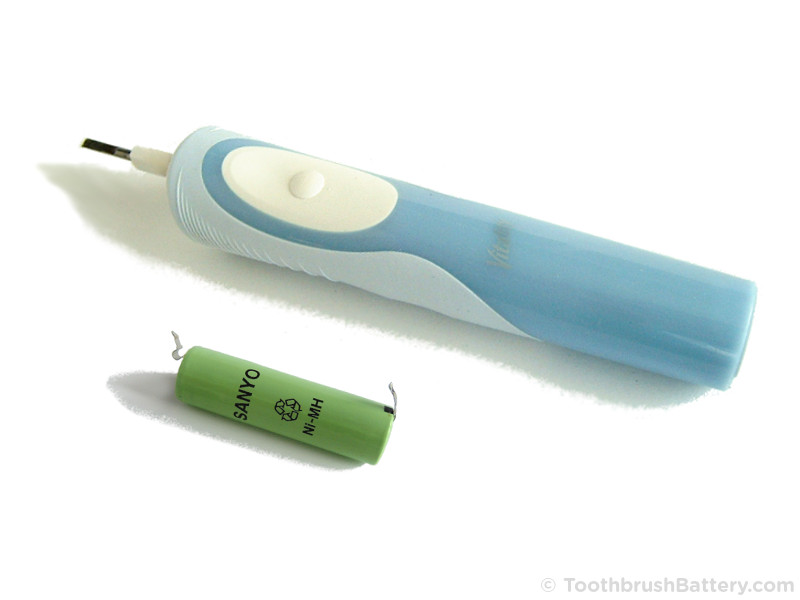
| Hybrid Traction (NiMH) | 8–12 | Hybrid systems (e.g., older Toyota/Lexus) | Heat, lack of use | Module balancing extends life |
| EV Traction (Li-ion) | 8–15 | All-electric driving | High heat, frequent 100% charges | Capacity loss is gradual; long warranties |
Your climate matters. Heat speeds up internal wear. Short trips starve the battery of a full charge. Good charging and smart habits can add years to any type.
How to tell your battery is dying
Most batteries fail slowly. Your car gives clues before the big no-start moment. Catch them early, and you can save money and stress.

- Slow crank or clicking when starting
- Dim headlights or flickering dash lights
- Electrical gremlins: radio resets, window lag, warning lights
- Swollen case or rotten-egg smell (sulfur)
- White or green crust on battery terminals
- Battery light flickers while driving
| Symptom | Likely Cause | Quick Fix |
|---|---|---|
| Slow crank on cold mornings | Weak/aging battery, cold reduces power | Charge overnight; test voltage and CCA; consider AGM for cold |
| Dim lights at idle but bright when revved | Low battery charge or weak alternator output | Test charging voltage; check belt; fix alternator if low |
| Click-click no start | Dead battery or bad terminal connection | Clean terminals; jump-start; test battery health |
| Battery light on while driving | Alternator or belt issue | Measure 13.8–14.8V while running; repair alternator/belt |
| Rotten-egg smell | Overcharge or internal short (sulfur gas) | Shut off charger; ventilate; replace battery if case is hot or swollen |
| Random electrical glitches | Low voltage, loose ground, parasitic drain | Charge battery; tighten grounds; do a parasitic draw test |
Quick voltage checks and what they mean
A $15 multimeter can tell you a lot in under five minutes. Check before you buy a new battery. Voltage shows state of charge and basic health.
| Battery Type | Condition | Voltage (Engine Off) | What It Means |
|---|---|---|---|
| 12V Lead-Acid/AGM | 100% charged | 12.6–12.8V | Healthy and full |
| 12V Lead-Acid/AGM | ~75% charged | 12.4V | Good, may need topping up |
| 12V Lead-Acid/AGM | ~50% charged | 12.2V | Low; charge soon to avoid sulfation |
| 12V Lead-Acid/AGM | Discharged | 12.0V or less | Very low; charge now or test for failure |
| 12V Lead-Acid/AGM | Dead/failed cell | Below 11.8V | Likely bad; confirm with load test |
| Alternator Output | Engine idling | 13.8–14.8V | Normal charge range |
| Alternator Output | Engine idling | Below 13.5V | Weak charge; check alternator/belt |
| 12V LiFePO4 | Near full | 13.2–13.4V | Normal higher resting voltage |
- Measure after the car sits 3+ hours for an accurate reading.
- If voltage bounces back fast after a start attempt, the battery may be sulfated.
- AGM will rest slightly higher than flooded. That’s normal.
Step-by-step: test your battery at home
You can diagnose most battery problems in under 20 minutes. You need a multimeter, safety glasses, and a clear space. Follow these simple steps.
Tools you’ll need
Keep it simple. You don’t need a shop full of gear to get this done today.
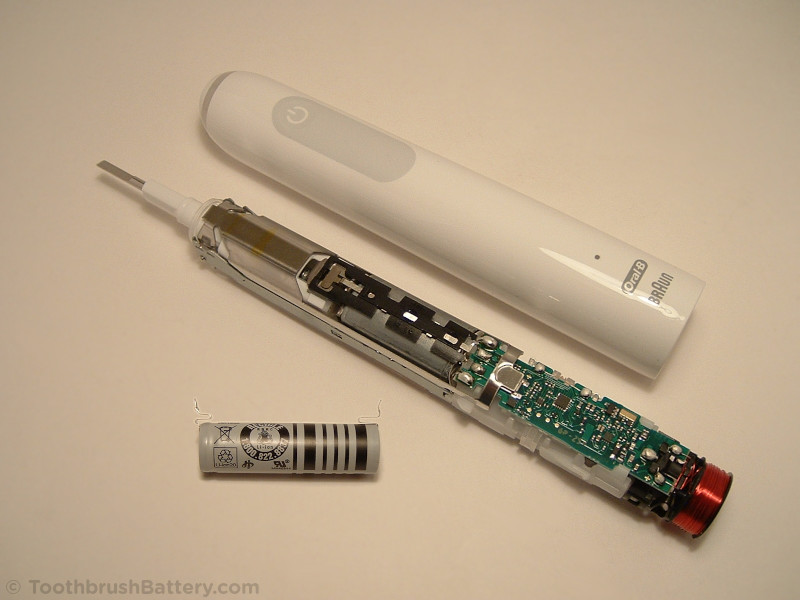
- Digital multimeter (DC volts and amps)
- Smart battery charger or tender
- Jumper cables or a jump pack
- Wire brush or terminal cleaner
- Gloves and eye protection
1) Visual check
Look first. Many battery issues are visible. A two-minute scan can save hours.

- Check the case for swelling, cracks, or leaks.
- Inspect terminals for corrosion or loose clamps.
- Confirm the battery is the correct size and anchored tight.
- Look for aftermarket add-ons tied to the battery (dash cams, lights).
2) Resting voltage test
This is your baseline. It tells you state of charge and hints at health.
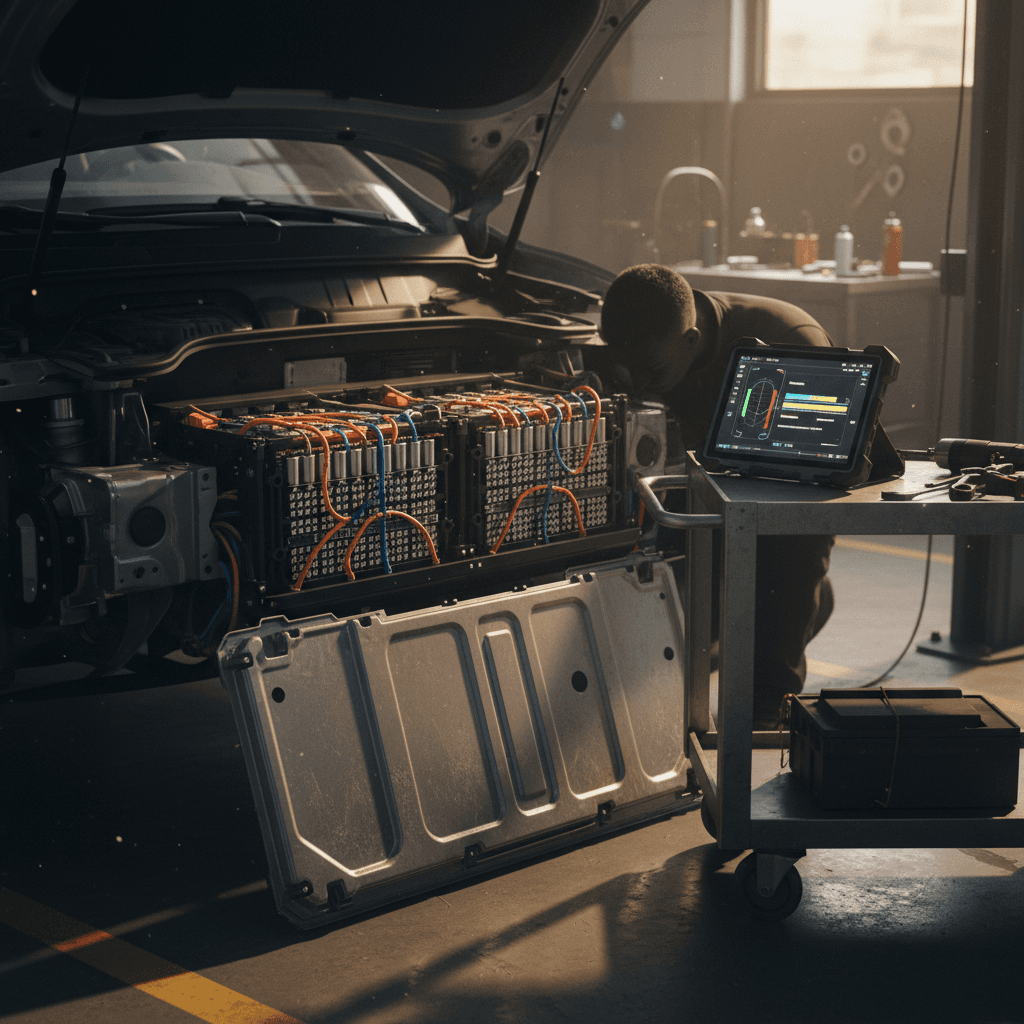
- Let the car sit for 3+ hours or overnight.
- Set the meter to DC volts. Touch red to + and black to -.
- Read and compare to the voltage chart above.
- If under 12.4V, charge the battery before more tests.
3) Cranking test (basic load test)
This mimics a start. A weak battery will dip too low under load.

- Have a helper start the car while you watch voltage.
- Healthy batteries usually stay above ~9.6V during crank.
- If it drops below ~9V, the battery may be weak or sulfated.
- Recharge and retest to confirm before replacing.
4) Charging system test
The alternator must refill the battery. If it cannot, even a good battery dies early.
- Start the engine. Turn off accessories.
- Measure across the battery: 13.8–14.8V is normal.
- Turn on headlights, AC, rear defrost. Recheck voltage.
- If under ~13.5V, you may have a charging problem.
5) Parasitic draw test (advanced but doable)
Hidden drains can kill a battery overnight. This test finds them.
- Key off. Close doors. Wait 15–30 minutes for modules to sleep.
- Set meter to DC amps. Place in series with the negative cable (disconnect negative, meter between cable and post).
- Normal sleep draw is often 20–50 mA. Over 100 mA is high.
- Pull fuses one by one to find the circuit causing the drain.
- Use a memory saver if you worry about radio codes.
- On modern cars, watch airbag circuits. Be gentle and safe.
Why some batteries last longer
Batteries live and die by heat, charge level, and how deep they discharge. The chemistry and build also matter. Here’s what sets long-life units apart.
- Thicker plates: Handle deep discharges better.
- AGM separators: Hold electrolyte and resist vibration.
- Higher reserve capacity (RC): Run accessories longer without stalling.
- Right charging: Smart voltage prevents gassing and sulfation.
- Cooler location: Away from engine heat slows aging.
Heat is the silent killer. It speeds up corrosion inside the battery. Cold does not kill batteries as fast as heat, but it lowers cranking power. If you live in the Sun Belt, expect shorter life unless you use AGM or shield the battery from heat.
Real-world factors that shorten battery life
Most early failures come from daily habits, weather, or charging problems. Fix these, and your battery can last years longer.
- Short trips: The alternator has no time to recharge after a start.
- High heat: Under-hood temps cook batteries in summer traffic.
- Parasitic drains: Dash cams, trackers, and weak modules pull power at night.
- Loose belts: Reduce alternator output and charge rate.
- Corrosion: Raises resistance and starves the battery.
- Wrong charger: Overcharges flooded cells; damages AGM and gel.
Simple fixes work. Drive 20–30 minutes once a week. Use a smart charger if you do short hops. Clean terminals twice a year. Check belt tension. If you park long-term, use a maintainer.
Maintenance and charging by battery type
Each battery type has a sweet spot. Use the right charger, set the right voltage, and avoid deep discharges. That’s the whole game.
Flooded lead-acid (wet cell)
These are the budget workhorses. Treat them right and they’ll give you 3–5 solid years.
- Charging: 14.4V max for bulk, 13.6–13.8V float.
- Maintenance: Clean posts. On serviceable types, check water level every 3–6 months and top with distilled water only.
- Avoid: Deep discharges below 12.2V. They cause sulfation fast.
AGM (Absorbent Glass Mat)
Great for start-stop and high demand. They hate overvoltage, so charge smart.
- Charging: 14.4–14.7V bulk, 13.6–13.8V float. Use AGM mode if your charger has it.
- Pros: Better in cold, resists vibration, handles deep cycles better.
- Watch for: Overcharging and engine-bay heat. Shield if near turbo or exhaust.
EFB (Enhanced Flooded Battery)
Built tougher than standard flooded. Common in basic start-stop cars.
- Charging: Similar to flooded. Avoid cheap trickle chargers that never taper down.
- Tip: If your car came with EFB, do not downgrade to standard flooded.
- Life: 4–6 years with smart charging and weekly longer drives.
Gel cell
Gel is stable but picky. It does not like fast or high-voltage charging.
- Charging: 14.1V bulk, 13.5–13.8V float. Use a gel-specific profile.
- Pros: Good for vibration-heavy setups.
- Cons: Slower charge acceptance. Rare in modern passenger cars.
12V Lithium (LiFePO4)
Light and long-lasting. But low-temp cranking can be weak without self-heating.
- Charging: Use a lithium-compatible charger. 14.2–14.6V bulk, no float or very low float per maker.
- Pros: 6–10 years. Low self-discharge. Great for storage and weekend cars.
- Cons: Cold weather starts can be slow. Built-in BMS may cut off below freezing.
Hybrid traction batteries (NiMH)
These live in controlled packs, not like a 12V. Your driving and cooling make the difference.
- Lifespan: 8–12 years is common with good cooling.
- Care: Keep cooling fans and vents clean. Avoid long heat soaks.
- Fix: Reconditioning or module balancing can recover weak packs.
EV traction batteries (Li-ion)
EV packs last longer than most people expect. Heat and high charge levels are the big risks.
- Lifespan: 8–15 years is normal. Many last longer.
- Care: Avoid daily 100% charges. Park in shade. Precondition in heat or cold.
- Warranty: Many packs carry 8-year/100,000-mile coverage or more.
Replacement timing and choosing the right battery
If your battery is over four years old, plan ahead. Test it twice a year. Replace before winter if it tests weak or starts slow.
How to pick the right replacement
Match what the car needs. Do not go cheaper than the system requires. It will cost you more later.
- Group size: Must fit the tray and terminals (check your owner’s manual).
- CCA (Cold Cranking Amps): Match or exceed OEM. Cold states benefit from higher CCA.
- RC (Reserve Capacity): More RC helps during heavy accessory use.
- Type: If your car has start-stop, use EFB or AGM as specified.
- Warranty: Look for free replacement period, not just pro-rated.
DIY replacement steps
This is a simple driveway job for most cars. Use a memory saver if your car is sensitive to voltage loss.
- Wear gloves and eye protection. Turn the car off.
- Use a memory saver if needed.
- Disconnect negative (black) first, then positive (red).
- Remove hold-down clamp. Lift the battery straight up.
- Clean tray and terminals. Install the new battery.
- Connect positive first, then negative.
- Start the car. Verify clock and radio. Check for warning lights.
For cars with smart charging or IBS (battery sensor), register the new battery with a scan tool if required. Some European cars demand this step so the alternator charges correctly.
Jump-starting safely
Jump-starts are simple but easy to mess up. Follow the order and you’ll avoid sparks and damage.
- Park cars nose-to-nose. Turn both off.
- Red clamp to dead battery positive (+).
- Red clamp to donor battery positive (+).
- Black clamp to donor battery negative (-).
- Black clamp to dead car’s bare metal ground (not the battery).
- Start donor. Wait 2–3 minutes. Try starting the dead car.
- Remove in reverse order. Drive 20–30 minutes to recharge.
- Use a jump pack if you have one. It’s safer for modern electronics.
- For hybrids/EVs, check the manual. Many have jump posts in the engine bay.
Seasonal tips and storage
Winter drains power. Summer cooks batteries. Adjust your routine to the season and your battery will last longer.
Cold weather
Cold thickens oil and slows chemical reactions in the battery. Plan ahead before the freeze.
- Test and charge before the first cold snap.
- Use AGM in cold states for stronger cranking.
- Keep a jump pack in the car. Store it indoors to keep it warm.
Hot weather
Heat is the main reason batteries die young in the South. Keep things cool.
- Park in shade or garages when possible.
- Check electrolyte on serviceable batteries more often.
- Shield the battery from engine heat if space allows.
Long-term storage
Stored cars need a plan. Batteries don’t like sitting low. They sulfate and weaken.
- Use a smart maintainer, not a dumb trickle charger.
- Disconnect the negative cable if no maintainer is available.
- For LiFePO4, check maker guidance. Many prefer partial charge with no float.
Cost vs lifespan: is AGM worth it?
AGM costs more up front. But it can save you money if your car has heavy electrical loads or start-stop. Here’s a fast way to decide.
- If you keep the car 5+ years and face heat or cold, AGM can outlast flooded by 1–2 years.
- If you do short trips with many restarts, AGM handles it better.
- If your car came with EFB or AGM, replacing with the same type protects the alternator and electronics.
Consider the total cost of ownership. One AGM that lasts six years can beat two budget flooded batteries that last three years each. Add a smart charger to the mix and you maximize the value.
EV and hybrid battery lifespan in the real world
Hybrid and EV batteries are not like your 12V. They have thermal management and software that guard the pack. With normal use, they last a long time.
- Hybrids (NiMH): 8–12 years is common when cooling systems stay clean.
- EVs (Li-ion): 8–15 years, with gradual capacity loss. Many owners see over 100,000 miles with usable range left.
- Warranty: Many brands offer at least 8 years/100,000 miles on traction batteries.
Avoid repeated full 100% fast charges. Keep the car out of extreme heat when parked. Use preconditioning. As explained by AAA, regular maintenance and smart charging habits help extend both 12V and traction battery life.
For safety and recall info, check your model’s guidance according to the National Highway Traffic Safety Administration. Independent tests and long-term data, as reviewed by Consumer Reports, show modern EV packs aging slower than early models.
Make your battery last: simple daily habits
Small habits add years to your battery. Do these and you’ll avoid most surprise failures.
- Drive at least 20–30 minutes once a week to recharge fully.
- Turn off accessories before shutting down.
- Fix slow drains: glove box lights, dash cams, and weak modules.
- Keep terminals clean and tight; use dielectric grease lightly.
- Use a smart maintainer if you park for weeks.
- Match the charger mode to your battery type.
Battery lifespan by type: quick comparison table
Here’s a one-stop look at battery lifespan by type, key care tips, and what to buy if you want the most years for your money.
| Battery Type | Battery Lifespan by Type (Years) | Care Tips | Best Use Case | When to Avoid |
|---|---|---|---|---|
| Flooded Lead-Acid | 3–5 | Keep charged; avoid deep discharge; check water | Budget daily drivers in mild climates | Hot engine bays; heavy accessory loads |
| EFB | 4–6 | Smart charging; weekly longer drives | Basic start-stop systems | Extreme heat + frequent deep discharge |
| AGM | 4–7 | AGM-specific charging; heat shielding | Start-stop; premium audio; cold climates | Chronic overcharge systems |
| Gel | 4–6 | Use gel profile; slow charging | High vibration, special equipment | Fast charge demands; modern high-load cars |
| LiFePO4 (12V) | 6–10 | Lithium charger; avoid deep cold starts | Weekend cars; storage; weight savings | Very cold daily starts without pack heating |
| Hybrid NiMH (Traction) | 8–12 | Keep cooling fans clean; avoid extreme heat | City and mixed driving | Severe heat + poor cooling |
| EV Li-ion (Traction) | 8–15 | Avoid daily 100%; limit high-heat parking | Commuting; long trips with DC fast as needed | Daily 100% fast charges in hot climate |
Common problems, causes, and fast fixes
Here’s a practical chart you can use when things go wrong. It points you from symptom to solution fast.
| Problem | Most Likely Cause | What To Do First | Tools Needed |
|---|---|---|---|
| Car won’t start after work | Parasitic drain or weak battery | Jump-start; test resting voltage; check for drains | Jump pack, multimeter |
| Battery dies overnight | Glove box/trunk light or aftermarket device | Parasitic draw test and pull fuses | Multimeter (amps) |
| Battery light flickers driving | Loose belt or failing alternator | Check 13.8–14.8V at idle | Multimeter |
| Repeated dead battery in winter | Short trips and cold chemistry | Charge overnight; test CCA; consider AGM | Charger, battery tester |
| Swollen battery case | Overcharge or heat soak | Stop charging; replace battery; test regulator | Charger, multimeter |
| Corroded terminals | Acid vapor and moisture | Clean with brush; apply protectant | Terminal brush |
Safety tips you should not skip
Batteries hold a lot of energy and acid. A minute of safety saves a lot of pain. Keep it simple and smart.
- Wear eye protection. Acid sprays happen during jumps and charges.
- Remove metal jewelry while working near the battery.
- Ventilate the area when charging. Hydrogen gas can build up.
- Connect and disconnect in the right order to avoid sparks.
- Never lean over a battery while cranking or charging.
Charging best practices that extend life
Right charging can add years to your battery. Wrong charging can kill it in weeks. Follow these simple rules.
- Use a smart charger that tapers to float.
- Match charger mode to battery type (AGM, gel, lithium).
- Charge to full after deep discharges to prevent sulfation.
- Do not leave a basic trickle charger on for days.
- Top up after a jump-start with a slow overnight charge.
Alternator myths and facts
Your alternator keeps the battery alive. It is not a fast charger. Treat it that way and your battery and alternator will last longer.
- Myth: The alternator will fully charge a dead battery quickly. Fact: It’s slow and stressful to do so.
- Myth: 12.0V is fine. Fact: 12.0V is nearly empty for lead-acid.
- Myth: Higher voltage always charges faster. Fact: Too high cooks batteries.
When to test, when to replace
Batteries rarely fail at a good time. Test on a schedule and replace before peak winter or a big trip if it’s borderline.
- Test twice a year: before summer and before winter.
- Replace at the first sign of swelling, cracks, leaks, or sulfur smell.
- If CCA tests under spec or voltage sags below 9V while cranking, plan a replacement.
Cold-cranking amps vs reserve capacity
These two numbers tell you how the battery behaves in the real world. Pick the right balance for your climate and driving.
- CCA: Starting power in the cold. Go higher in cold states.
- RC: How long it can run loads if the alternator fails. Great for accessory-heavy use.
- AGM often gives strong CCA and higher RC for the size.
Driving profiles and the right battery
Your commute matters. The best battery for you fits your drive pattern. Match it, and you’ll get the most life for the money.
- Short city trips: AGM or EFB with a weekly smart charge.
- Long highway drives: Flooded or EFB can do great and save cost.
- Cold states: AGM for stronger cold starts.
- High-heat areas: AGM with shielding or a cool battery location.
Real-world examples
These are problems I see often. The fixes are simple and worth doing today.
- Cold snap no-start: Owner had a 4-year-old flooded battery at 12.1V. Overnight smart charge fixed it short-term. Replaced with AGM and the car started strong at -5°F.
- Weekend convertible with parasitic drain: Dash cam live-feed killed the battery weekly. Shifted cam to ignition-power. Added maintainer. No more jumps.
- Southwest heat car: Battery next to turbo kept failing. Heat shield and AGM added 2+ years of life compared to prior units.
FAQs
How long should a car battery last?
Most last 3–5 years for flooded, 4–7 years for AGM, and 4–6 for EFB. Heat, short trips, and charging habits change that fast.
Can I test a battery without special tools?
Yes. Use a cheap multimeter. Check resting voltage and watch the drop while cranking. That tells you a lot.
Is higher CCA always better?
Match or exceed OEM. More CCA can help in cold weather, but do not trade away reserve capacity you need.
Do I need AGM if my car didn’t come with it?
No, unless you added heavy electrical loads or face extreme cold. But AGM is a good upgrade in tough climates.
How often should I use a battery maintainer?
If you park for more than a week often, use it. It keeps the battery full and stops sulfation.
What kills a battery the fastest?
Heat, chronic low charge, and parasitic drains. Fix those and most batteries last years longer.
Should I replace the alternator with the battery?
Not unless it tests bad. Check charging voltage first. Replace only if output is out of range or noisy.
Conclusion
Battery life is not a mystery. Pick the right type for your car and climate. Keep it fully charged. Fix drains. Test twice a year. Flooded lasts 3–5 years, EFB 4–6, AGM 4–7, and lithium 6–10. Hybrids and EVs go even longer with smart charging and cooling. Take these simple steps today, and you’ll skip the tow truck tomorrow. Start by testing voltage, cleaning terminals, and topping up with a smart charger. Your next start will tell you you did it right.