Quick Summary: If your car battery dies overnight, the most common culprits are a parasitic drain (something stays on), a weak or old battery, charging system faults, or temperature extremes. You can diagnose it at home with a multimeter in 30–60 minutes. This guide shows you the exact steps and fixes.
Waking up to a dead car is stressful. You have places to be, and now the engine won’t even click. The good news? Most causes of an overnight battery drain are simple to find and fix. In this guide, I’ll explain why car battery dies overnight, how to test it with basic tools, and what to do right now. You’ll learn quick checks, step-by-step diagnostics, and smart ways to prevent it next time.

Why Car Battery Dies Overnight: The Short Answer and Top Causes
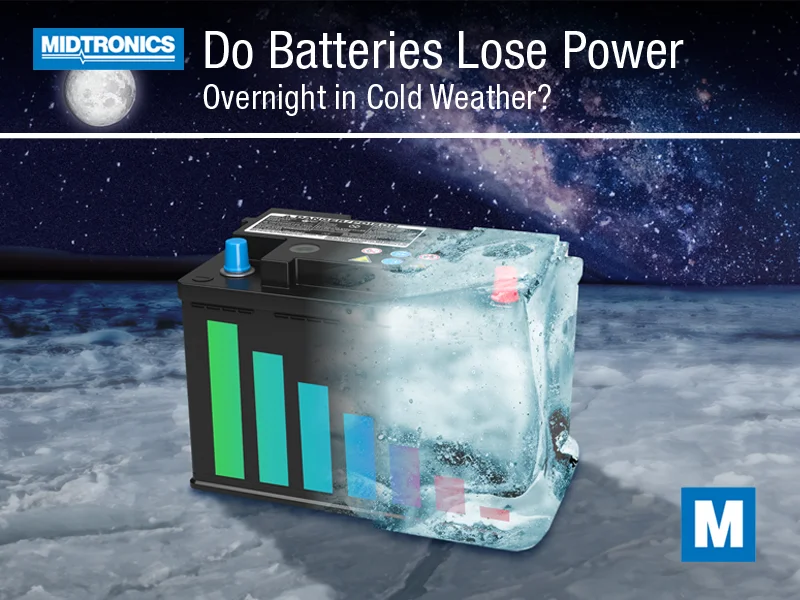
Your car battery can die overnight when power is used while the engine is off, or when the battery is too weak to hold a charge. The leading causes include parasitic drains from electronics, an aging battery, alternator issues, short trips, and extreme temperatures.
- Parasitic drain: A light, module, or accessory stays on
- Old or weak battery: It charges, but cannot hold power
- Alternator fault: Battery never recharges while driving
- Loose or corroded cables: High resistance blocks charging
- Short trips or infrequent use: Never enough time to recharge
- Cold weather: Lower capacity and thicker engine oil
- Aftermarket gear: Dashcams, stereos, trackers, or OBD dongles
- Faulty switches or relays: Stuck circuits that never sleep
How to Diagnose an Overnight Battery Drain (Step-by-Step)
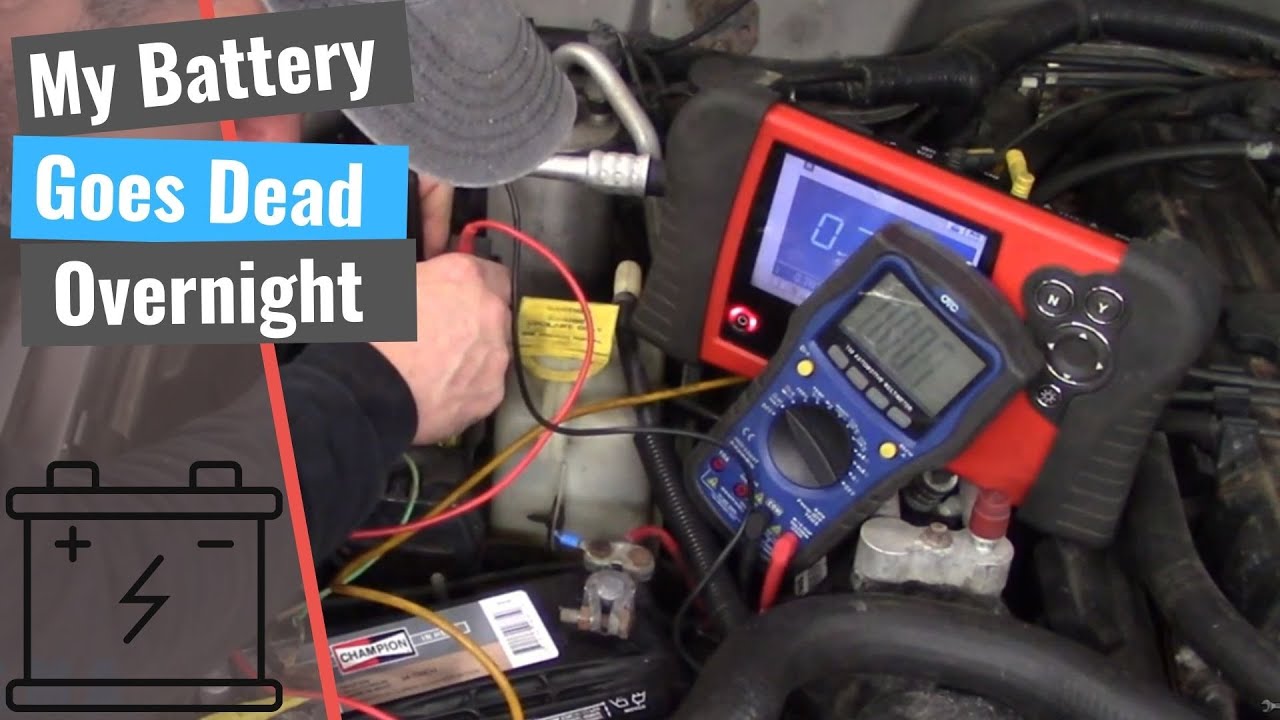
You can find most overnight drains with a digital multimeter, some patience, and a safe setup. Follow these steps in order. Take notes as you go.
Tools You Need
Keep it simple. You likely own most of this already.
- Digital multimeter (with DC volts and at least 10A current range)
- Jumper cables or a jump starter
- Battery charger or smart maintainer (optional but helpful)
- 10mm wrench (common for battery clamps)
- Gloves and eye protection
- OBD2 code reader (optional)
- Clamp meter for DC amps (optional, makes draw tests safer)
Safety First
Batteries store a lot of energy. Work slow. Stay safe.
- Wear eye protection and gloves
- Work in a ventilated area; avoid open flame
- Never short the battery terminals
- If you disconnect the battery, know your radio/security code
- Use a memory saver if needed to preserve settings
Step 1: Check the Basics
Start with quick, free checks. These often solve the problem fast.
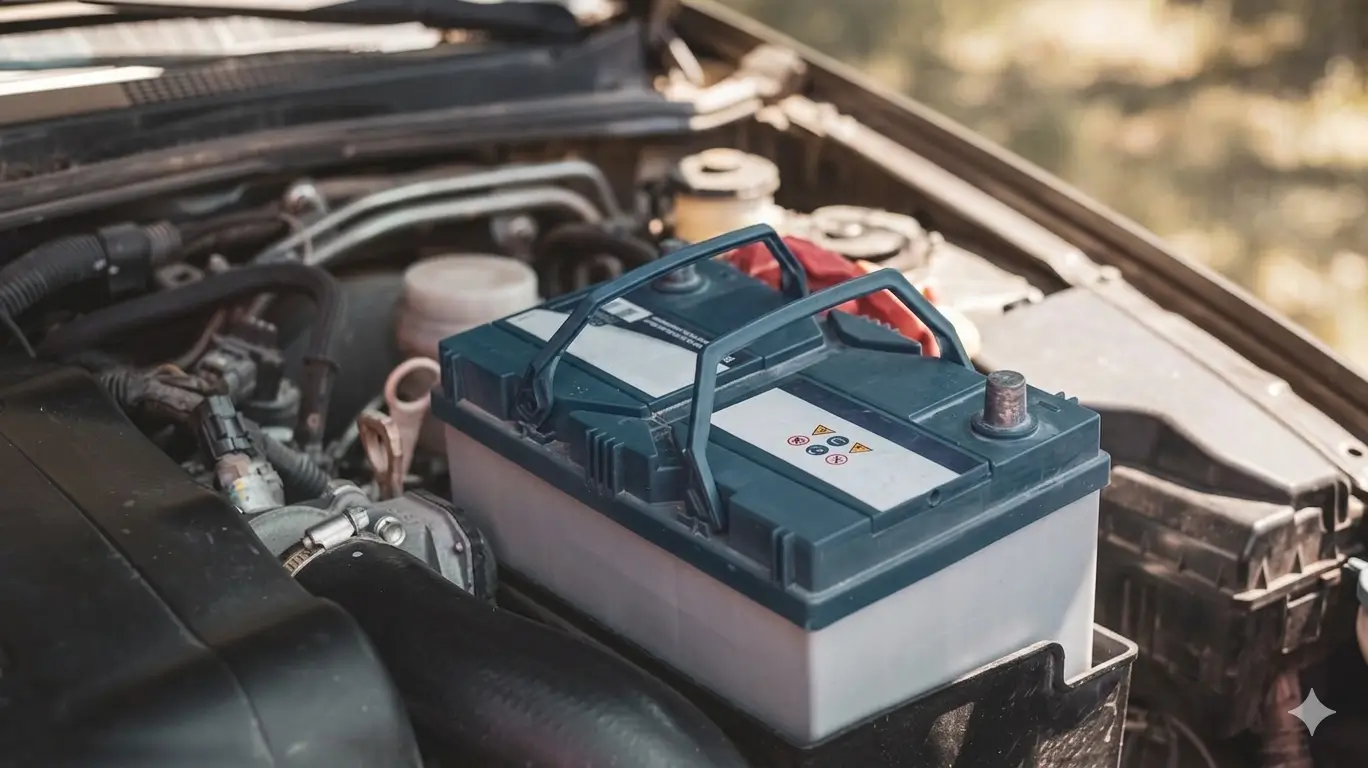
- Close all doors, trunk, and glove box firmly
- Look for any lights still on (dome, trunk, vanity mirrors)
- Unplug chargers and remove any OBD-II dongles
- Listen for a running fan or fuel pump after shutdown
- Make sure nothing is stuck in a power port
Tip: Sit in the car at night. Check for any faint glow from the dash, HVAC panel, or aftermarket gear.
Step 2: Read Battery Voltage with a Multimeter
This tells you if the battery is charged, weak, or dead. Test after the car sits off for at least 30 minutes.

- Set your multimeter to DC volts
- Place red probe on battery positive (+), black on negative (−)
- Read and record the voltage
| Battery State (Engine Off) | Open-Circuit Voltage | Meaning | Action |
|---|---|---|---|
| Fully Charged | 12.6–12.8V | Healthy battery at rest | No charge needed |
| Good | 12.4–12.5V | ~75% charged | Drive or slow charge |
| Borderline | 12.2–12.3V | ~50% charged | Charge and recheck |
| Poor | 12.0–12.1V | ~25% charged | Charge; may be weak |
| Dead/Discharged | 11.8–11.9V | Likely to fail overnight | Charge; test battery |
| Why car battery dies overnight red flag | < 11.8V | Severely discharged or bad cell | Charge and load test ASAP |
If the voltage is low, charge the battery first. Then recheck voltage after an hour. If it drops again fast, the battery may be weak or there is a drain.
Step 3: Jump Start and Charging System Test
If the car is dead now, jump it. Then check the alternator output with the engine running.
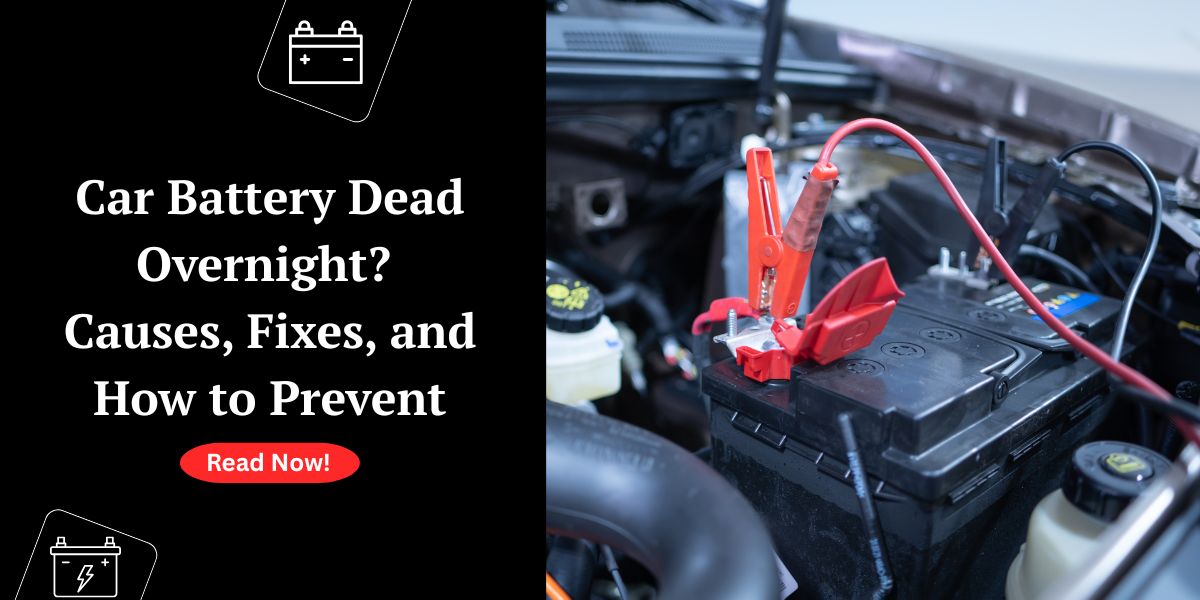
- Jump start the car safely using cables or a jump pack
- With the engine idling, measure battery voltage again
- A healthy alternator shows about 13.8–14.7V
- Below 13.5V? Charging problem
- Above 15.0V? Overcharging, regulator issue
Turn on headlights and rear defogger. Voltage should stay above ~13.6V. If it drops or flickers, the alternator or belt may be at fault.
Step 4: Do a Parasitic Draw Test (Ignition Off Current)
This is the key test for “mystery drains.” You want to measure current flow with the car shut off and asleep.
- Turn everything off. Remove key. Close doors. Wait 20–60 minutes so modules can sleep.
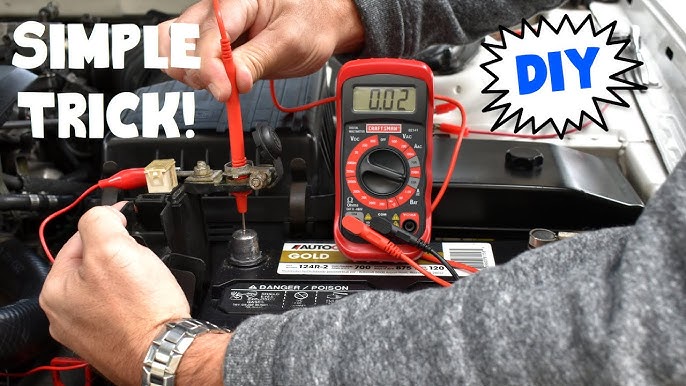
- Set your multimeter to amps (10A range). Move the red lead to the 10A port.
- Disconnect the negative battery cable. Put the meter in series: one probe on the battery negative post, the other on the loose cable.
- Read the current draw (mA). Do not open doors or wake the car.
- Normal modern draw: 20–50 mA
- Up to 100 mA can be normal for some trims
- Over 100 mA after sleep = parasitic drain you must find
Pro tip: Use a DC amp clamp around the negative cable. It’s faster and safer. No disconnection required.
Step 5: Isolate the Faulty Circuit (Pull Fuses)
Now you find which circuit is causing the draw. This part is simple, just be patient.
- With the meter still in series, locate the fuse boxes (engine bay and cabin)
- Pull one fuse at a time while watching the meter
- When current drops sharply, you found the suspect circuit
- Check the label to see what that fuse powers
Examples of drops: From 350 mA down to 30 mA means the circuit you pulled is the problem. Trace the devices on that fuse: lights, infotainment, alarm, module, relay, etc.
Step 6: Common Culprits and How to Test Each
These are the repeat offenders I see in the shop. Each has a fast check.
- Trunk or glove box light: Close the latch with a screwdriver while the trunk/glove box is open. Check if the light goes off.
- Dome/map lights: Switch stuck in ON or a stuck door switch. Toggle to DOOR or OFF. Verify lights shut off after a delay.
- Alternator diode leak: With engine off, unplug the alternator overnight. If the drain is gone, replace or rebuild alternator.
- Aftermarket stereo/amp: Pull the radio fuse. If draw drops, check wiring and amp remote turn-off lead.
- Dashcam/hardwire kits: Use a timer or parking mode cutoff. Better yet, power it from an add-a-circuit with a switched source.
- Phone chargers and USB adapters: Many stay live. Unplug them at night.
- OBD-II dongles: Trackers and scanners often never sleep. Remove when parked.
- Faulty relays: Touch for warmth after shutoff. A warm relay hours later may be stuck.
- HVAC or cooling fans: If they run with the key off, check the fan control module.
- Alarm or keyless entry: Test a night with a spare key and keep the fob far away from the car. Some cars wake when the fob is near.
Common Reasons Your Battery Dies Overnight (In Detail)
Here’s a deeper look at why this happens and how to spot each cause. Understanding the “why” makes the fix easier and faster.
1) Old or Weak Battery (Sulfation and Age)
Most car batteries last 3–5 years. Heat, short trips, and deep discharges shorten life. As they age, lead plates sulfate. They still charge, but they lose capacity. A cold night then pushes them over the edge.
- Clues: Slow cranking, dim lights at start, white/blue build-up on terminals
- Test: Charge fully, then load test. If voltage drops fast under load, replace it
- Fix: New battery. Choose the correct group size and Cold Cranking Amps (CCA)
2) Parasitic Drain from Electronics
A parasitic drain is any power draw with the engine off. Some draw is normal for memory and security. But a stuck light, module, or accessory can pull hundreds of milliamps all night.
- Clues: Battery dies after sitting, but starts fine after a drive
- Test: Key-off current test (draw test) and fuse pulling
- Fix: Repair or replace the device or wiring on the bad circuit
3) Alternator Diode Leak or Charging Fault
The alternator charges the battery while you drive. A weak alternator undercharges the battery. A bad diode can also leak power backward at night and drain it.
- Clues: Battery light flickers, dim lights at idle, whining noise
- Test: Running voltage 13.8–14.7V. AC ripple test if you have a meter with that function
- Fix: Replace or rebuild the alternator; check belt and tensioner
4) Temperature Extremes (Cold and Heat)
Cold slows chemical reactions. It also thickens engine oil. Your starter then needs more power right when your battery has less. Heat cooks batteries over time and speeds up water loss.
- Clues: Dead mornings on cold days only
- Test: Check CCA rating and age; consider a load test in the cold
- Fix: Keep the battery fully charged; use a maintainer; consider a battery blanket in extreme cold
5) Corroded or Loose Battery Connections
Even a great battery fails if power cannot flow. Corrosion and loose clamps raise resistance. The alternator then cannot charge well, and the starter sees a big voltage drop.
- Clues: Intermittent no-start, heavy white/blue/green crust, hot terminals
- Test: Wiggle test; voltage drop test under load
- Fix: Clean with baking soda and water; use a brush; tighten clamps; replace damaged cables
6) Short Trips and Infrequent Driving
Each start uses a big burst of energy. It takes 15–30 minutes of driving to put that back. If you only drive a few miles, the battery may never catch up.
- Clues: City driving only, many short hops, long sits
- Test: Check resting voltage each morning for a week
- Fix: Weekly 30–45 minute drive or use a smart maintainer at home
7) Aftermarket Installs (Stereos, Remote Start, Trackers)
Great gear, but poor wiring can cause drains. Amps need a proper remote turn-off wire. Trackers and dashcams must have sleep modes or timers.
- Clues: Drain started after an install
- Test: Pull the accessory fuse; watch draw drop
- Fix: Rewire to a switched circuit; add a relay, timer, or proper fuse tap
8) Faulty Switches and Stuck Relays
A failed relay can leave a circuit powered all night. Same for a bad door-ajar switch that keeps lights on.
- Clues: Warm relay hours after shutdown; interior light warnings
- Test: Pull suspect relays; swap with a known-good one if identical
- Fix: Replace the relay or switch; check the control circuit
9) Keyless Entry and Proximity Systems
Some cars wake when they detect the key nearby. If your fob sits close to the car, the system may never fully sleep.
- Clues: Draw drops when the key is far away
- Test: Park the key 20–30 feet away overnight
- Fix: Store keys away from the car; disable “walk-up unlock” if the menu allows
Quick Fixes You Can Do Today
Try these simple steps right now. Many drivers solve the problem in minutes.
- Unplug chargers, OBD-II dongles, and dashcams overnight
- Switch dome lights to DOOR, not ON
- Check trunk and glove box lights; close latches fully
- Clean and tighten battery terminals
- Park the key fob far from the car
- Give the car a 30–45 minute highway drive
- Put the battery on a smart maintainer overnight
When Your Car Won’t Start in the Morning: What to Do Now
Here’s a fast plan to get moving without making things worse.
- Check the dome light and headlight switch. Turn everything off.
- Try to start. Clicks only? Stop cranking. Do not flood the engine.
- Use a jump starter or jumper cables. Connect positive-to-positive first, then negative to a clean engine ground.
- Start the engine. Let it idle 5 minutes, then drive 20–30 minutes. Avoid heavy electrical loads.
- Once home, charge the battery fully. Then test voltage at rest.
- If it dies again the next morning, do a parasitic draw test.
Tip: If the starter spins slow and then resets your clock, suspect weak connections. Clean the terminals before you replace parts.
Battery Voltage and Charging Basics (Know Your Numbers)
These numbers help you make fast, confident calls when testing.
| Condition | Voltage | What It Means | Next Step |
|---|---|---|---|
| Resting, healthy battery | 12.6–12.8V | Fully charged | No action |
| Engine running, alternator good | 13.8–14.7V | Charging as expected | Proceed to draw test if needed |
| Running, low voltage | < 13.5V | Undercharging | Check belt, alternator, grounds |
| Running, high voltage | > 15.0V | Overcharging | Check regulator/alternator |
| Morning after, low rest voltage | < 12.2V | Drain or weak battery | Charge, then draw test |
Preventing Overnight Drains: Best Practices
Stop the problem before it starts. These habits keep your battery strong year-round.
Battery Maintenance Routine
A few minutes each month can add years to your battery life.
- Inspect terminals for corrosion; clean and protect with dielectric grease
- Check that the battery is secure; vibration kills batteries
- Test resting voltage monthly; log the number
- Load test each fall before winter
Charging Habits
Give back the energy you take with each start.
- Do one longer drive each week
- Use a smart maintainer if you drive less than 30 minutes most days
- Avoid leaving the car with lights or accessories on
Storage Tips
Cars that sit are prone to drains. Plan for it.
- Use a maintainer for any sit longer than two weeks
- Park in a garage when possible to dodge extreme cold
- For long storage, disconnect the negative cable or use a storage mode
Smart Tech Habits
Modern gadgets are great—until they drain your battery.
- Unplug USB adapters, chargers, and OBD devices when parked
- Set dashcams to use parking mode timers or voltage cutoffs
- Keep key fobs far from the vehicle
Cost Guide: Diagnosis and Repair
Here’s what you can expect to pay and what you can try at home first.
| Symptom (Why car battery dies overnight) | Likely Cause | DIY Fix | Shop Cost (USD) |
|---|---|---|---|
| Dead in the morning; starts after jump | Parasitic drain or weak battery | Draw test; charge; load test | $100–$200 diag; battery $120–$300 |
| Low running voltage | Bad alternator or belt | Check belt tension; replace alternator | $300–$900 parts+labor |
| Intermittent no-start; heavy corrosion | Loose/corroded terminals | Clean/tighten/replace clamps | $0–$30 DIY; $50–$150 shop |
| Drain began after stereo install | Amplifier remote wire or wiring fault | Rewire to switched circuit; add relay | $100–$300 wiring labor |
| Light stays on (trunk/glove/dome) | Bad switch or stuck latch | Adjust/replace switch | $50–$200 |
| Battery older than 4 years, slow crank | Aged/sulfated battery | Replace with correct group and CCA | $120–$300 |
Many shops charge one hour for electrical diagnosis. Tell them what you tried already. Good notes save you money.
AGM vs Flooded vs EFB: Choose the Right Battery
The right battery type can reduce problems and last longer based on your driving style.
- Flooded (traditional lead-acid): Lowest cost, needs good charging habits. Fine for basic cars.
- AGM (Absorbent Glass Mat): Better for high loads, start-stop, and cold weather. Handles deep cycles better.
- EFB (Enhanced Flooded Battery): Midpoint between flooded and AGM. Common on start-stop vehicles.
If your car came with AGM or EFB, stick with that type. Upgrading to AGM can help if you run many accessories. Check your owner’s manual or a trusted battery guide for the right group size and specs.
Real-World Scenarios and What to Do
These are common cases I see, with quick fixes that work.
- Cold snap overnight: Battery was fine yesterday, dead today. Warm the battery if possible. Jump start, then slow charge to full. Consider a maintainer for winter.
- New dashcam installed: Battery dies after 1–2 days. Set a parking timer at 6–12 hours. Use a voltage cutoff at 12.0–12.2V.
- Sits a week often: Dies after weekends. Add a smart maintainer. Or do a weekly 45-minute drive.
- Faint glow in cabin at night: HVAC panel stays lit. Check the infotainment software update or pull that fuse overnight to confirm the drain.
- Older car, short trips only: Upgrade to AGM if budget allows. Weekly long drive or maintainer strongly advised.
Myths vs Facts About Overnight Battery Drains
Let’s clear up the confusion so you can fix the real issue.
- Myth: A new battery cannot die overnight. Fact: It can, if there’s a drain or bad alternator.
- Myth: Short drives are good for batteries. Fact: They often undercharge them.
- Myth: Unused cars are safe. Fact: Sitting accelerates discharge and sulfation.
- Myth: Higher CCA always fixes drains. Fact: It helps cold starts, not parasitic draws.
- Myth: Any USB adapter draws nothing. Fact: Some draw a lot when left plugged in.
Step-by-Step: Full DIY Parasitic Draw Test Walkthrough
Use this detailed path if the quick version didn’t solve your issue. Plan an hour. Patience pays off.
- Charge the battery to at least 12.6V. A weak battery skews results.
- Park safely. Turn off all accessories. Remove key. Close all doors and hood if possible.
- Let the car sleep for 20–60 minutes. Some cars need longer after you lock them.
- Connect your meter in series on the negative side: battery post to meter, meter to cable.
- Read the draw. If it’s over 100 mA after sleep, you likely have a drain.
- Pull fuses one at a time. Watch for a big drop in amps. Note the fuse number and system.
- For interior fuses, keep doors latched. Use the latch trick with a screwdriver and keep dome lights off.
- Found the circuit? Check each device on it: unplug modules, check switches, inspect wiring.
- Fix the root cause. Re-test the draw. Aim for under 50 mA on most cars.
- Check again the next morning. If the battery holds above 12.4V, you nailed it.
Advanced Tips for Tough Cases
Some drains hide. These tricks help find them fast.
- Use a thermal camera or your hand to feel for warm modules after the car sleeps
- Measure voltage drop across fuses instead of pulling them (safer on some cars)
- Check service bulletins for known module wake-up bugs
- Temporarily disconnect the alternator overnight to rule out diode leak
- Log voltage overnight with a Bluetooth battery monitor
Trusted Information and Safety Notes
Battery testing and charging systems can be nuanced. Good data helps you avoid guesswork and keeps you safe.
- For battery testing best practices, see advice as explained by AAA.
- Check for electrical recalls that may cause drains, according to the National Highway Traffic Safety Administration.
- For help choosing the right battery type and size, see this battery guide from Consumer Reports.
Frequently Asked Questions
Short, clear answers to the most common questions I hear from drivers.
-
How do I know if my battery is dead or my alternator is bad?
- Jump the car. If it runs but the voltage with the engine on is under 13.5V, suspect the alternator. If it charges fine but dies again by morning, look for a parasitic drain or a weak battery.
-
What is a normal key-off current draw?
- About 20–50 mA for most cars. Some trims with more tech may sit closer to 60–80 mA. Over 100 mA after sleep is a red flag.
-
Can cold weather kill a good battery overnight?
- Yes. Cold reduces capacity and makes the engine harder to turn. A marginal battery that was fine at 60°F can fail at 10°F.
-
Will driving 10 minutes recharge my battery?
- Usually not. It often takes 15–30 minutes of steady driving to replace the energy from one start, and more if the battery was very low.
-
Is it safe to disconnect the battery overnight to stop the drain?
- It stops the drain, but you’ll lose settings and may trigger alarms. It’s fine as a short-term test. Long-term, fix the root cause.
-
My battery is new but still dies. What now?
- Check for a parasitic drain. Many new batteries die early because of an unseen draw or a weak alternator that undercharges them.
-
Should I upgrade to AGM?
- If your car came with AGM, stay with AGM. If not, AGM can help if you run many accessories, live in the cold, or drive short trips. It costs more but often lasts longer.
Conclusion
When a car battery dies overnight, it’s usually one of a few things: a parasitic draw, a weak or aging battery, a charging fault, or extreme weather. You can diagnose it at home with a multimeter and a steady plan. Check the basics. Measure resting voltage. Verify alternator output. Do a simple draw test. Isolate the circuit by pulling fuses. Then fix what you find—often a light, relay, accessory, or the battery itself.
Keep the battery charged, the terminals clean, and your drives long enough to replenish the energy you use. Unplug gadgets. Store the key fob away from the car. If you stay ahead of it, your car will start strong every morning. You’ve got this—and now you know exactly what to do next.