
Quick Summary: Use this car battery size chart guide to find the right BCI group, dimensions, and specs for your vehicle. Learn how to check fit, match CCA for your climate, test voltage, and install a new battery safely—step by step.
If your car won’t start, your lights dim, or your battery looks swollen, you need answers fast. Picking the wrong battery wastes money and time. This car battery size chart guide shows you the exact steps to find the right size, type, and power. I’ll show you how to check group size, test voltage, diagnose weak starts, and replace a battery the right way. By the end, you’ll know what to buy, how to install it, and how to keep it strong longer.
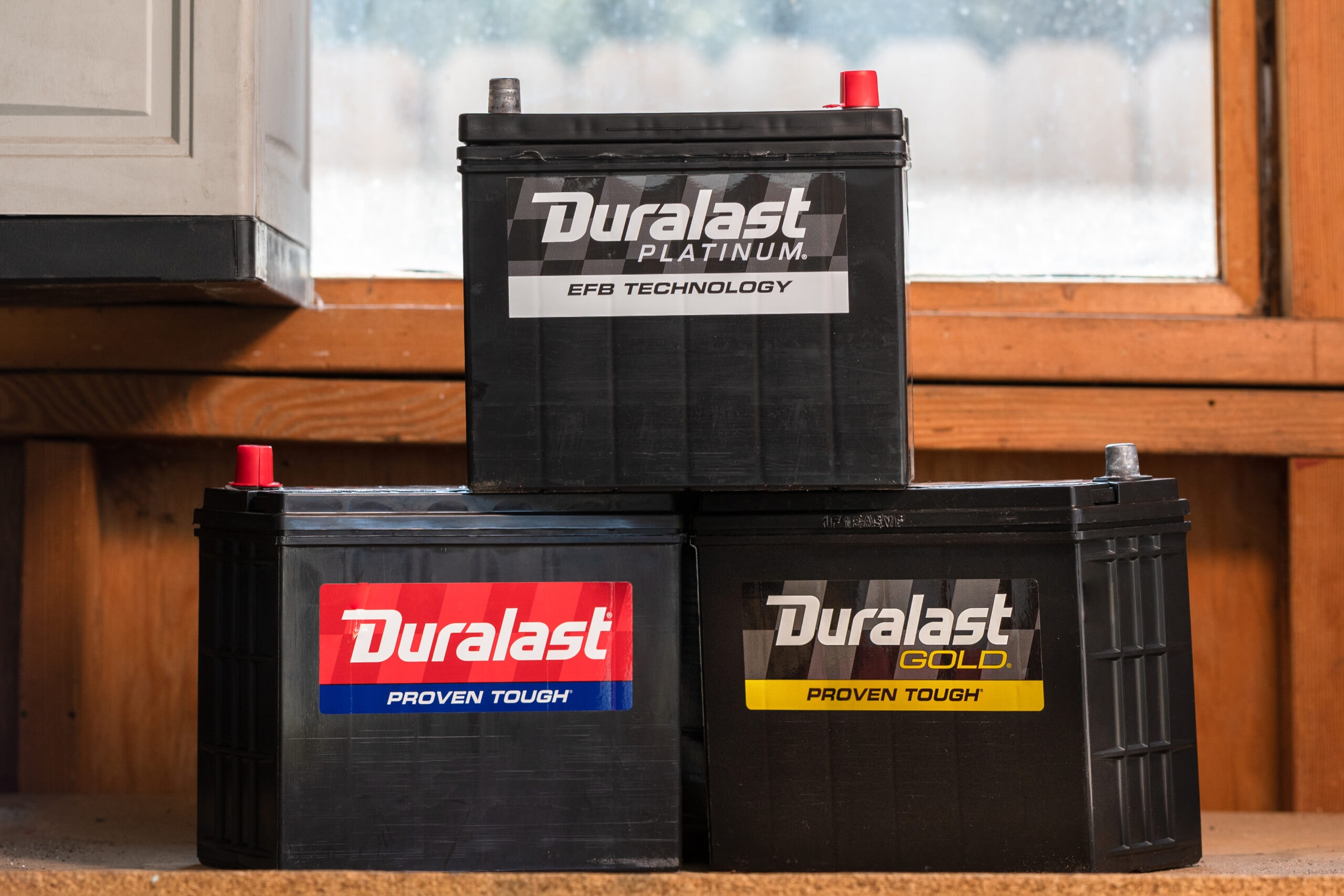
Car Battery Size Chart Guide: What It Is and Why It Matters
A car battery size chart lists standard battery “group sizes” with width, length, and height. These sizes are set by BCI (Battery Council International). The right group size ensures your battery fits the tray, reaches the cables, and clamps down safely. Pick the right size, and your car starts strong and stays reliable.

- Fit matters. A loose battery can vibrate and fail early.
- Terminal position matters. Posts must match cable reach and polarity.
- Power matters. Cold Cranking Amps (CCA) and Reserve Capacity (RC) must match your car and climate.
Group size is about physical fit and terminal layout. Power specs like CCA and RC are about performance. You need both right.
How to Find Your Car’s Battery Size (Step-by-Step)
You can find the correct battery in minutes. Use these steps to check size, terminals, and power. This avoids returns and no-start headaches.
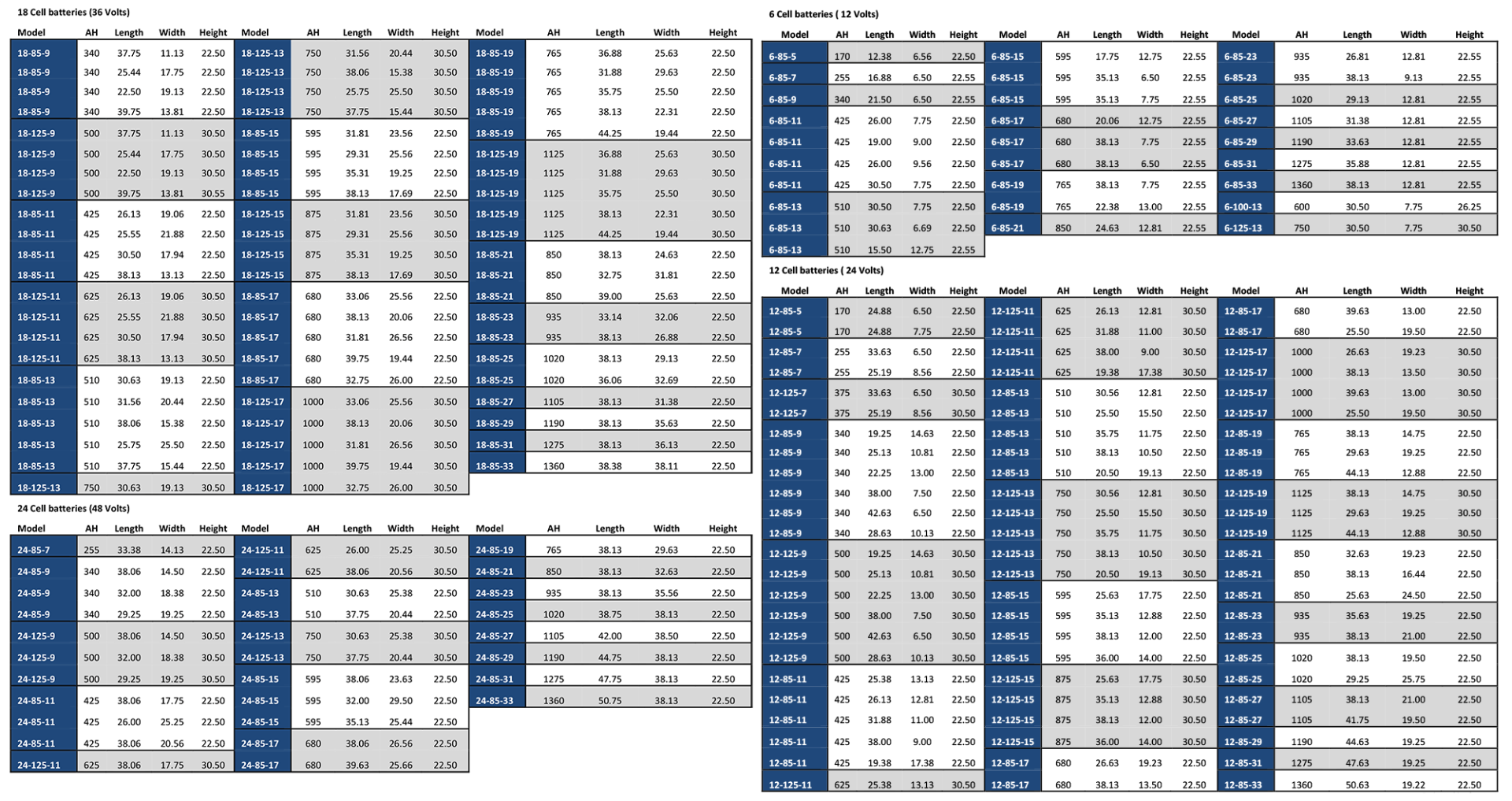
- Check the owner’s manual. Look for “Battery Specifications.” It often lists the BCI group (like 24F, 35, 48/H6, 94R/H7).
- Read the current battery label. Find the group size, CCA, RC, and type (AGM, flooded, EFB). Note the terminal layout and polarity (+ and – positions).
- Measure the tray. Use a tape measure. Length x width x height. Compare to the size chart before buying. This is vital on older or modified cars.
- Check terminal orientation. Top-post vs side-post. Also note if the positive is on left or right when facing the posts. A wrong orientation can make cables too short.
- Confirm hold-down style. Does your car use a top clamp, a bottom lip, or a side bracket? The battery must have the right base for that hold-down.
- Match the power to climate. Cold winters need higher CCA. Hot climates need good heat tolerance and RC.
- Cross-reference brands. Not all brands list both H-series (H5, H6, H7) and BCI (47, 48, 94R). Use a reliable chart to convert.
- Buy fresh stock. Pick the newest date code you can find. Fresh batteries last longer.
Tools You’ll Need to Verify Size and Health
Keep a few simple tools in your garage. They make this easy and save money.

- Tape measure (for tray and old battery)
- Multimeter (for quick voltage checks)
- Terminal brush or sandpaper (for corrosion)
- Phone flashlight (to read labels in tight bays)
- Gloves and safety glasses
BCI Group Sizes Explained (With Common Vehicles)
BCI group sizes are standard sizes like 24F, 35, 47 (H5), 48 (H6), and 94R (H7). Many European cars use H-series codes that match BCI groups. Terminal layout and base rails can differ by brand and model.
| BCI Group | Also Called | Typical Fitment Examples | Terminal Type | Notes |
|---|---|---|---|---|
| 24F | — | Toyota Camry, Corolla, many Hondas | Top post | “F” means reversed terminals vs Group 24 |
| 35 | — | Honda Civic/Accord, Subaru | Top post | Common Japanese compact/midsize |
| 47 | H5 | VW, Audi, BMW (smaller bays), GM compacts | Top post | Shorter than H6; often European |
| 48 | H6 | GM, BMW, Mercedes, many SUVs | Top post | Very common mid-large size |
| 94R | H7 | BMW, Mercedes, Ford F-150 (some), large sedans | Top post | “R” means reversed polarity vs 94 |
| 49 | H8 | European SUVs, large German sedans | Top post | Longer than H7; high capacity |
| 65 | — | Ford trucks and SUVs | Top post | Large group, high CCA |
| 78 | — | GM cars/trucks (older) | Side post | Watch terminal style |
| 34/78 | Dual terminal | GM, mixed fitments | Top + side post | Flexible connections |
| 51R | — | Honda Fit, Civic (some) | Top post | “R” reversed terminals |
If your car lists H6, you can usually shop Group 48. If it lists H7, shop Group 94R. Always confirm dimensions and terminal polarity before buying.
Car Battery Size Chart (Popular Group Sizes)
Use this quick car battery size chart to compare dimensions, power ranges, and fit notes. It helps you match a new battery fast and avoid returns. This is your car battery size chart guide in one glance.
| BCI Group (Car battery size chart guide) | Approx Dimensions (L x W x H) | Typical CCA Range | Typical RC (min) | Common Fit Notes |
|---|---|---|---|---|
| 24F | 10.3″ x 6.8″ x 9.0″ | 550–750 | 90–120 | Asian sedans; reversed terminals vs Group 24 |
| 35 | 9.1″ x 6.9″ x 8.9″ | 500–650 | 90–100 | Honda/Toyota/Subaru compacts |
| 47 (H5) | 9.5″ x 6.9″ x 7.5″ | 600–700 | 100–120 | European compacts; smaller bays |
| 48 (H6) | 11.0″ x 6.9″ x 7.5″ | 680–800 | 120–140 | Very common in midsize and crossovers |
| 94R (H7) | 12.4″ x 6.9″ x 7.5″ | 740–900 | 130–160 | European sedans/SUVs; reversed polarity |
| 49 (H8) | 13.9″ x 6.9″ x 7.5″ | 800–950 | 140–180 | Large SUVs, heavy loads |
| 65 | 12.0″ x 7.5″ x 7.6″ | 700–950 | 130–150 | Ford trucks/SUVs; wide base |
| 78 | 10.3″ x 7.1″ x 7.4″ | 600–800 | 110–130 | GM side-post style |
| 34/78 | 10.2″ x 6.8″ x 7.9″ | 650–850 | 110–140 | Dual terminal, flexible installs |
| 51R | 9.4″ x 5.1″ x 8.8″ | 370–500 | 70–90 | Small bays, reversed terminals |
Dimensions and specs vary by brand. Always compare label specs and measure the tray for a sure fit.
Battery Voltage Chart: What’s Healthy vs Weak
Voltage tells you if your battery is charged, weak, or failing. Use a multimeter across the posts. Do this after the car sits off for 30 minutes to remove surface charge.
| State | 12V Battery (Engine Off) | 12V System (Engine Running) | What It Means | Action |
|---|---|---|---|---|
| Fully charged | 12.6–12.8 V | 13.7–14.7 V | Healthy battery and charging | No action needed |
| 75% charged | 12.4–12.5 V | 13.7–14.7 V | OK but not full | Long drive or charge |
| 50% charged | 12.2–12.3 V | 13.7–14.7 V | Weak charge | Charge and retest |
| Discharged | 12.0–12.1 V | 13.7–14.7 V | Likely no start | Jump or charge |
| Severely low | < 12.0 V | 13.7–14.7 V | Battery may be damaged | Slow charge; test after |
| Overcharge | — | > 15.0 V | Bad regulator/alternator | Diagnose charging system |
| No charge | — | < 13.3 V | Alternator not charging | Check belt/alternator |
If voltage bounces back after a trip but drops overnight, you may have a parasitic drain. We’ll cover that below.
Symptoms vs Causes vs Fixes (Fast Diagnosis)
Use this table to quickly match a symptom to common causes and the fastest fix. It saves time and guesswork when your car won’t start.
| Symptom | Likely Cause | Quick Fix |
|---|---|---|
| Rapid clicking, no crank | Low battery, poor terminal contact | Clean posts; jump-start; charge and test |
| Slow crank, then starts | Weak battery, cold weather, high resistance | Charge battery; test CCA; check terminals |
| No lights, no dash | Dead battery, bad connection, blown main fuse | Test voltage; inspect terminals; check fuses |
| Starts then dies | Alternator not charging; loose belt | Check running voltage; inspect belt; test alternator |
| Battery dies overnight | Parasitic drain (light, module, accessory) | Pull fuses to isolate draw; fix root cause |
| Corrosion on terminals | Acid vapor, loose clamp, overcharge | Clean with baking soda/water; tighten; test charge |
| Battery light on | Charging system fault | Drive to charge; test alternator/regulator |
| Swollen case | Overcharge or heat | Replace battery; inspect charging system |
As explained by AAA, cold weather strains weak batteries and slows chemical reactions. Plan ahead with proper CCA and a fresh, quality battery.
AGM vs Flooded vs EFB: Which Type Fits Your Group Size?
Most group sizes come in multiple battery types. Pick based on your car’s equipment and driving. Many start-stop cars need AGM or EFB. Flooded works fine for standard systems.
- Flooded (wet-cell): Most common and affordable. Good for daily driving without heavy accessories. Needs clean, tight terminals and steady voltage.
- AGM (Absorbent Glass Mat): Handles start-stop, high loads, and vibration. Charges faster, resists deep discharge better. Costs more but lasts longer in tough use.
- EFB (Enhanced Flooded Battery): Middle ground. For light start-stop systems. Cheaper than AGM but stronger than basic flooded.
Many modern cars are calibrated for AGM. If your car came with AGM, replace it with AGM. Swapping types can affect charging and lifespan. For independent testing background, Consumer Reports has long compared battery types and performance across climates.
Can I Upgrade to AGM?
Often yes, if your charging system and hold-down fit are compatible. AGM is ideal for short trips, cold winters, and lots of electronics. Verify size, terminal layout, and alternator health first.
CCA, RC, and AH: Matching Battery Specs to Your Climate
Group size is about fit. CCA, RC, and AH are about performance. Choose the right numbers, and you will start strong in any weather.
- CCA (Cold Cranking Amps): How much starting power at 0°F. More CCA helps in winter. Big engines and diesels need more.
- RC (Reserve Capacity): How long the battery powers basics if the alternator fails. Higher RC is good for accessories and hot climates.
- AH (Amp-Hours): Total storage. Common on European batteries. Higher AH supports more loads.
Live in a northern state? Aim high on CCA within your group size. In the south, heat ages batteries faster. Focus on quality build and good RC. As explained by AAA, heat is a top battery killer, so test often and keep terminals clean.
Right-Sizing CCA Without Overdoing It
More CCA than stock is fine if it fits. But too large a case or wrong type can harm reliability. Match the group size, then go higher on CCA if you like.
When the Size Fits But the Car Still Won’t Start
New battery won’t fix a bad cable, a failing starter, or a dead alternator. If the size and type are right but no start, test the system. You can do this at home in minutes.
Fast Electrical Checks With a Multimeter
Test these three numbers. They tell you a lot.
- Battery at rest: After 30 minutes off, aim for 12.6–12.8 V. Under 12.4 V is weak.
- Cranking voltage: Watch voltage while starting. If it drops under ~9.6 V, the battery is stressed or the starter draws too much.
- Running voltage: At idle with lights on, you want 13.7–14.7 V. Low means no charge. High means overcharge.
Check for Parasitic Draw (Overnight Drain)
If your battery dies overnight, something may be pulling power while parked. You can find it by pulling fuses.
- Charge the battery fully. Turn off everything. Close doors or latch them so lights go off.
- Connect an ammeter in series with the negative cable.
- Wait 20–45 minutes for modules to sleep. Normal draw is often 20–50 mA.
- Pull fuses one at a time. Watch for a drop to normal draw. That circuit is the problem.
Common drains include glove box lights, trunk lights, dash cams, and modules. Fix the cause, then retest voltage the next morning.
Install It Right: Step-by-Step Battery Replacement
Swapping a battery is easy with basic tools. Work slow and safe. Keep sparks away. Wear eye protection and gloves.
What You’ll Need
Gather tools before you start. This avoids delays once the old battery is loose.
- New battery (correct group, type, CCA)
- 10mm/12mm wrench or socket, extension
- Battery terminal brush
- Dielectric grease or anti-corrosion spray
- Memory saver (optional for radio presets)
Replacement Steps
Follow this order to avoid shorts and protect electronics.
- Park safe. Turn off engine. Set parking brake. Open hood.
- Record settings. Use a memory saver if you want to keep presets.
- Remove negative cable first. This reduces spark risk. Then remove positive.
- Remove hold-down clamp. Keep bolts and bracket together.
- Lift out the old battery. It’s heavy. Use proper lifting technique.
- Clean tray and clamps. Neutralize any corrosion with baking soda/water. Dry fully.
- Drop in the new battery. Check terminal orientation before lowering.
- Install hold-down. Tighten snug. Don’t over-torque or crack the case.
- Connect positive first, then negative. Tighten clamps fully.
- Grease terminals. Light coat to resist corrosion.
- Start the car. Check voltage running. Make sure no warning lights stay on.
Dispose of the old battery at the parts store or a recycler. You’ll usually get a core refund.
Maintenance Tips to Extend Battery Life
Small habits make big differences in battery life. These steps prevent most no-start calls. They also help you spot a dying battery before it fails.
- Keep terminals clean and tight. White or blue fuzz means corrosion. Clean and grease.
- Limit short trips. The alternator needs time to recharge after a start. Combine errands.
- Avoid deep discharges. Don’t run accessories with the engine off. Use ACC sparingly.
- Use a maintainer for storage. If you park for weeks, a smart tender keeps it healthy.
- Test seasonally. Before winter and summer. Heat and cold stress batteries the most.
- Watch charging health. If running voltage is off, fix the alternator or belt now.
According to the National Highway Traffic Safety Administration, good maintenance improves overall vehicle reliability and safety. Batteries are part of that picture. Keep them in top shape to avoid roadside emergencies.
Real-World Scenarios and Quick Fixes
Here are common battery problems I see and what I tell drivers. Simple steps solve most of them. You can do these at home or in a parking lot.
It’s Freezing and My Car Won’t Crank
Cold slows the battery’s chemistry. Oil is thicker. Starters draw more current. The fix is about restoring charge and reducing resistance.
- Turn off heater, lights, and radio. All power goes to the starter.
- Try one short crank (no more than 5 seconds), then wait 30 seconds.
- Jump-start with quality cables or a jump pack. Let it idle 15–20 minutes.
- Test battery after a full charge. If CCA is low, replace before the next freeze.
I Left the Lights On—Is My Battery Ruined?
One deep discharge can damage a battery, but many recover. Charge slow and test.
- Slow charge to 100%. Don’t rush with a high-amp boost.
- Let it rest 30 minutes. Check 12.6–12.8 V target.
- Load test or measure cranking voltage. If it drops hard, consider replacement.
Short Trips Keep Killing My Battery
Short trips don’t recharge the battery fully. The fix is to give it more time or help.
- Take one long highway drive each week. 20–30 minutes helps.
- Use a maintainer overnight once a week.
- Check alternator output. A weak alternator won’t refill after starts.
My Alternator Failed on a Road Trip
You can limp to a shop on battery alone for a short time. Save power and plan the route.
- Turn off all non-essential loads.
- Drive in daylight if possible.
- Use hazard lights only when needed. Head straight to service.
Budget Tips: Save Money Without Getting Stranded
Batteries are not cheap. But you can save without giving up reliability. Shop smart and focus on what matters.
- Buy the right size first. Returns waste time.
- Compare warranties. A good free-replacement period is valuable. Pro-rated periods vary.
- Check date codes. Pick the freshest stock on the shelf.
- Test the old battery. Many parts stores load-test for free. If it passes, don’t replace yet.
- Return the core. Get your core deposit back.
- Invest in a maintainer. It can add years of life, which saves big long term.
Troubleshooting Flow: Is It the Battery, Alternator, or Starter?
Follow this quick flow to find the bad actor. It keeps you from replacing the wrong part.
- Test battery at rest. Under 12.4 V? Charge and retest. If it won’t hold 12.6+ V, replace.
- Test running voltage. 13.7–14.7 V is normal. Low means alternator/belt issue. High means bad regulator.
- Listen during crank. One click and lights dim? Bad connection or starter. Rapid clicks? Weak battery or corroded posts.
- Check cables. Tug and twist gently. Loose clamps and corroded lugs cause many no-starts.
- Scan for codes. Some cars log charging faults. A basic OBD2 reader helps.
European Sizes (DIN/EN) vs BCI: Quick Conversions
If your battery lists H5, H6, or H7, you’re seeing EN/DIN sizing. Most US stores stock the BCI equivalent. Always verify dimensions and polarity.
- H5 ≈ BCI Group 47
- H6 ≈ BCI Group 48
- H7 ≈ BCI Group 94R
- H8 ≈ BCI Group 49
Some models need vent tubes for trunk or cabin batteries. Keep the vent in place if your old battery used one.
Safety First: Handling and Charging Basics
Batteries store energy and acid. Be careful. Take a few safety steps every time you work around them. It protects you and your car.
- Wear eye protection and gloves. Acid can burn skin and eyes.
- Work in fresh air. Avoid sparks and flames.
- Disconnect negative first. Reconnect negative last.
- Charge on a stable, non-flammable surface.
- Use the right charger mode for AGM or flooded.
If charging indoors, keep the area ventilated. Hydrogen gas can build during charging. Slow charging is safer and better for battery health.
Jump-Starting the Right Way
Done right, a jump-start is safe and quick. Done wrong, it can fry modules. Follow this order every time. Keep clamps steady and clear of fans and belts.
- Park close, but don’t let cars touch. Turn both cars off.
- Red to the dead battery positive (+).
- Red to the good battery positive (+).
- Black to the good battery negative (–).
- Black to bare metal on the dead car (engine ground).
- Start the good car. Wait one minute.
- Start the dead car. Rev lightly. Let it charge for 15 minutes.
- Remove clamps in reverse order. Don’t let them touch.
If the car dies again soon, test the alternator and look for parasitic drains.
Cold Weather Prep: Build a Winter-Proof Starting System
Winter exposes weak spots. Prep now, and cold mornings won’t scare you. Your battery and charging system will thank you.
- Test battery health each fall. Replace if borderline.
- Choose higher CCA within your group size.
- Check the alternator belt. Cracks or glazing reduce output.
- Use 0W or 5W oil if your manual allows. Thinner oil cranks easier.
- Keep a jump pack in the trunk. Charge it monthly.
AAA notes that extreme temps reduce capacity and cranking power. Plan ahead so your first freeze doesn’t become your first tow.
Hot Climate Tips: Beat the Heat That Kills Batteries
Heat speeds up chemical breakdown and evaporates electrolyte. Your battery may look fine but suddenly fail. A few habits slow this wear.
- Park in shade when possible.
- Keep terminals clean to reduce resistance heat.
- Use a quality battery with strong RC and heat resistance.
- Check running voltage. Overcharge cooks batteries in summer.
- Consider AGM for better heat and vibration tolerance.
Accessories and Audio Systems: Do You Need More Capacity?
Big stereos, winches, and lights draw heavy current. If you love accessories, plan your power. Balance alternator output, battery capacity, and wiring health.
- Upgrade to AGM in the same group size for better deep-cycle tolerance.
- Add a second battery only with proper isolators and heavy wiring.
- High-output alternators help, but confirm belt and wiring can handle it.
- Use fuses at the source for added circuits. Safety first.
How to Read Battery Labels Like a Pro
Labels vary by brand, but they share common specs. Knowing the code helps you pick faster and smarter at the store.
- Group size: 24F, 48 (H6), etc. Fit and terminal layout.
- CCA: 600, 700, 800. Higher cranking power.
- RC or AH: Reserve or Amp-Hours. Capacity indicator.
- Type: AGM, Flooded, EFB. Choose what your car needs.
- Date code: Letter for month, number for year (varies). Newer is better.
If two batteries share the same group and CCA, pick the fresher one. It will likely last longer in real use.
Measure Twice, Buy Once: Tray and Hold-Down Checks
Before you buy, check the physical space. A few minutes of measuring prevents hours of returns and rework. It also ensures a safe, solid install.
- Measure inside the tray (length, width, height).
- Check for obstructions, hoses, or hood liners.
- Note the hold-down style (top bar, side clamp, bottom lip).
- Confirm cable reach and terminal orientation.
- Choose the battery with the right base rail for your hold-down.
Some cars can accept two sizes. If so, choose the larger group size that still fits and clamps down. You’ll get more capacity and CCA.
What If My Car Uses a Trunk or Under-Seat Battery?
Many luxury and European cars place the battery away from heat. These need venting and precise fit. Access can be tricky, but the process is similar.
- Verify vent tube connections. Never block them.
- Use AGM if the car came with it. It’s safer inside the cabin.
- Follow the owner’s manual for registration/reset if required.
- Protect trim. Use blankets or covers when removing panels.
Some cars need a battery registration or sleep cycle reset. Follow the manual or a trusted service procedure to avoid charge issues.
Signs You Need a New Battery Now
Don’t wait for a tow. These red flags mean your battery is living on borrowed time. Replacing early is cheaper and easier than a roadside rescue.
- Cranks slow in mild weather
- Lights dim at idle, brighten with revs
- Swollen or cracked case
- Strong sulfur or rotten egg smell
- Frequent jump-starts needed
- Battery is 4–6 years old (or 3 in harsh climates)
Test yours today if you nod to any of the above. A quick voltage check and a load test will confirm it.
Environmental Tip: Recycle Every Battery
Lead-acid batteries are highly recyclable. Most of the material gets reused. Never throw one in the trash. Stores accept them and pay a core credit.
- Bring your old battery when you buy a new one.
- Ask for a recycling receipt if needed.
- Don’t store old batteries in living spaces.
Recycling protects groundwater and reduces mining demand. It’s the right move for your wallet and the planet.
Frequently Asked Questions
What is a battery group size?
It’s the standard size code (like 35, 48/H6, 94R/H7) that sets the battery’s length, width, height, and terminal layout so it fits your car’s tray.
Can I use a different group size than stock?
Sometimes. If it physically fits, clamps down, and the terminals reach, it can work. But using the listed group size is the safest bet.
How many Cold Cranking Amps do I need?
Match or exceed the factory CCA. In cold climates, choose a higher CCA within the same group size for easier starts.
How long does a car battery last?
Most last 3–5 years. Heat, short trips, and deep discharges shorten life. Maintenance helps you reach the upper end.
Is AGM better than a regular battery?
AGM handles vibration, cold, and accessories better. It costs more. If your car came with AGM or you do lots of short trips, AGM is a smart choice.
Why does my battery keep dying overnight?
You likely have a parasitic drain. It could be a glove box light, a module, or an accessory. Test draw with an ammeter and pull fuses to find the circuit.
Do I need to register a new battery?
Some European and luxury cars require it. It tells the car’s computer about the new battery so it can charge it correctly.
Conclusion
Your car battery has to do two jobs: fit right and power right. Use the car battery size chart guide to confirm the correct BCI group, then match CCA and RC to your climate and driving. Check voltage at rest and running. Clean and tighten terminals. If your car still struggles, test the alternator, starter, and for parasitic drain. With the steps in this guide, you can pick the perfect battery, install it safely, and get reliable starts in any weather. Check your battery today, test the voltage, and drive with confidence.