Battery Charging Cycles: Pro Tips To Maximize Lifespan

Quick Summary: Battery charging cycles are how many times a battery can go from discharge to full charge. Learn to test your car battery, charge it right, and stretch its life. Use a multimeter, follow simple safety steps, and set a smart charging routine to avoid breakdowns and save money.
If your car struggles to start, the battery may be tired or undercharged. The fix is often simple. Understanding battery charging cycles helps you prevent failure and keep your car ready every day. This guide breaks it down in plain English. You’ll learn how cycles work, how to test voltage, how to charge the right way, and how to avoid common mistakes that kill batteries early.

What Are Battery Charging Cycles?
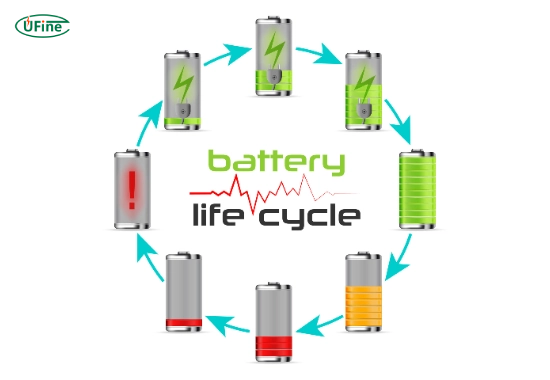
A battery charging cycle is one full use of stored energy and a full recharge. For car owners, it means how many times your battery can discharge during starts, short trips, or accessories, then get charged back by the alternator or a charger. Each cycle adds a small amount of wear. Fewer deep cycles and gentler charging mean a longer battery life.
Why Battery Charging Cycles Matter for Car Owners
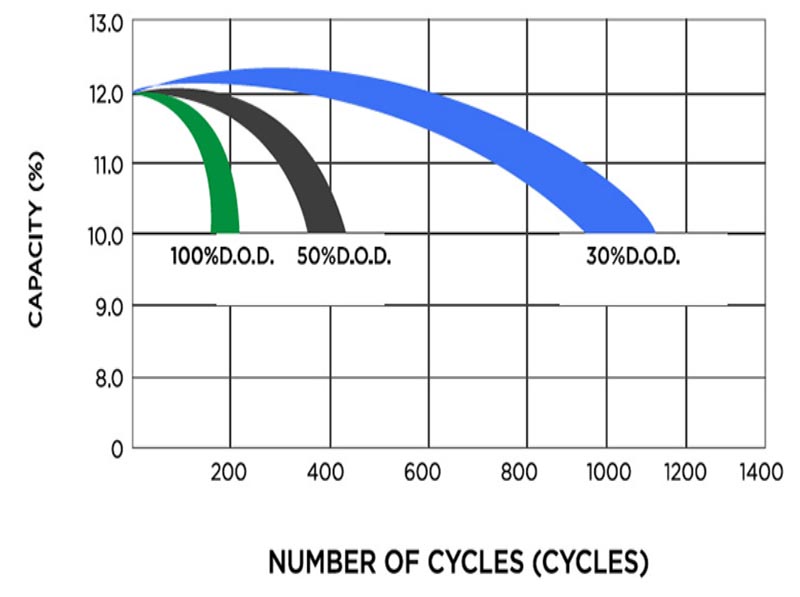
Every battery has a cycle limit. Go beyond it with deep drains and poor charging, and the battery fails sooner. Respect those cycles, and your car starts strong for years. You save money, avoid tow trucks, and prevent that sinking feeling when the engine only clicks.
Battery Types and How Cycles Affect Them
Not all car batteries handle cycles the same way. Some are built for strong starts. Others handle deep drains better. Matching your car and habits to the right battery type helps you avoid early failure.

Flooded Lead-Acid (Standard)
This is the common “wet cell” battery. It’s made to crank the engine with a burst of power. It does not like deep drains. Short trips and long storage can leave it undercharged. That speeds up sulfation, which reduces capacity. Keep it charged and it will last longer.
AGM and EFB
AGM (Absorbent Glass Mat) and EFB (Enhanced Flooded Battery) handle cycles better than standard lead-acid. Many start-stop cars use these. They tolerate more restarts and accessory use at idle. They still prefer shallow cycles and regular top-ups.

Hybrid and EV Lithium-Ion
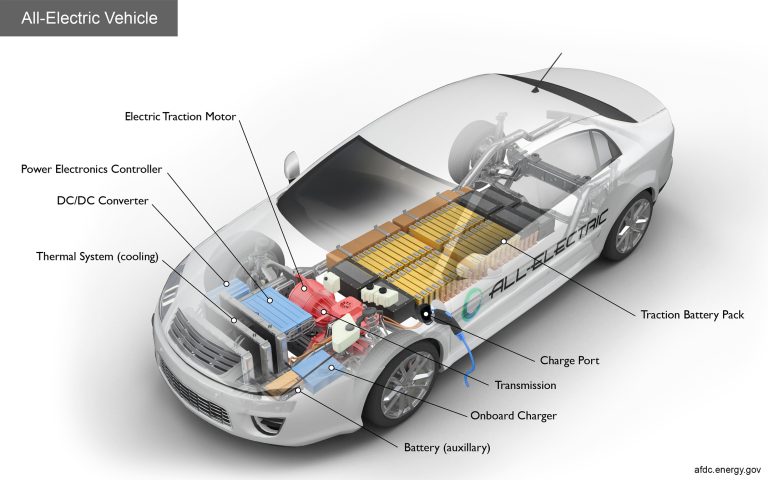
Hybrids and EVs use lithium-ion packs. These work on thousands of shallow cycles and use smart thermal management. They are different from your 12-volt starter battery. Still, the idea is the same: avoid deep drains and extreme heat or cold to extend life.

Fast Diagnosis: Is Your Battery or Alternator the Problem?
Before you think about charging cycles, confirm the cause of your starting trouble. A simple test at home can point you to the battery or the alternator.
- Check for obvious signs. Dim lights? Slow crank? Clicking? Corroded terminals? Loose cables?
- Measure resting voltage. Car off for at least 3 hours. Use a multimeter on DC volts. Red to positive. Black to negative. Read the number.
- Try a start. If it cranks slow or clicks, jump-start to get moving, but test again after.
- Measure charging voltage. With the engine running, check at the battery again. Normal is about 13.8–14.7 volts. If it’s low, the alternator or belt could be bad. If it’s high (over 15 volts), the regulator may be failing.
- Load check (optional). Turn on headlights, rear defroster, and blower. Does the voltage drop a lot? The battery may be weak.
Car Battery Voltage Chart and What To Do
Use this chart to read state of charge and decide your next step. It includes quick notes on battery charging cycles and the best action to take.
| Condition | 12V Resting Voltage | State of Charge (SOC) | What It Means | Recommended Action | Impact on Battery Charging Cycles |
|---|---|---|---|---|---|
| Excellent | 12.6–12.8 V | ~100% | Fully charged and healthy | No action needed | Gentle on battery charging cycles; longest life |
| Good | 12.4–12.5 V | ~75–85% | Usable, slight discharge | Drive 20–30 minutes or top-up with smart charger | Light cycle wear; still safe |
| Fair | 12.2–12.3 V | ~50–65% | Moderate discharge | Charge to full ASAP; check for parasitic drain | More wear per cycle; avoid staying here |
| Poor | 12.0–12.1 V | ~25–40% | Low; may struggle to start | Use smart charger; test battery health after charge | Deepening cycles speed aging |
| Critical | Below 11.9 V | < 20% | Very low; likely no-start | Charge immediately; may need replacement | Severe cycle stress; shortens life fast |
| Charging System Check | 13.8–14.7 V (engine on) | N/A | Alternator output normal | No action; maintain battery | Proper charge control protects cycles |
Tools You Need (Beginner-Friendly)
Basic tools help you diagnose and fix most battery problems at home. You do not need a shop to start.

- Multimeter (digital, DC volts).
- Smart charger or maintainer with AGM mode.
- Jumper cables or a jump pack.
- Wire brush or battery terminal cleaner.
- Safety glasses and gloves.
- Dielectric grease or battery terminal spray.
- OBD-II scanner (optional) for charging system codes.
Step-by-Step: How To Test Your Battery the Right Way
Testing tells you if the battery is low or worn out. Follow these steps in order. Keep it simple and safe.
- Visual check
- Open the hood. Look for white or blue crust on the terminals. That’s corrosion.
- Check for a loose negative cable. It is a common no-start cause.
- Look for swollen sides or leaks. Replace the battery if you see this.
- Resting voltage test
- Let the car sit for 3+ hours, or test first thing in the morning.
- Set the multimeter to DC volts, 20V range if manual.
- Touch red to positive (+), black to negative (−). Read the voltage.
- Compare to the voltage chart above.
- Crank test (simple)
- Watch the meter while someone starts the car.
- If it drops below about 9.6 volts during crank, the battery is weak or discharged.
- Charging voltage test
- With the engine idling, read the battery again.
- Normal is about 13.8–14.7 volts. If lower, test the alternator and belt. If higher, the regulator may be bad.
- Parasitic drain check (basic)
- Shut everything off. Close doors. Wait 10–15 minutes.
- If the battery drops fast while parked, something may be drawing power. A shop can do a draw test, or use an inline ammeter if you’re confident.
Charging 101: Bulk, Absorption, Float (In Plain English)
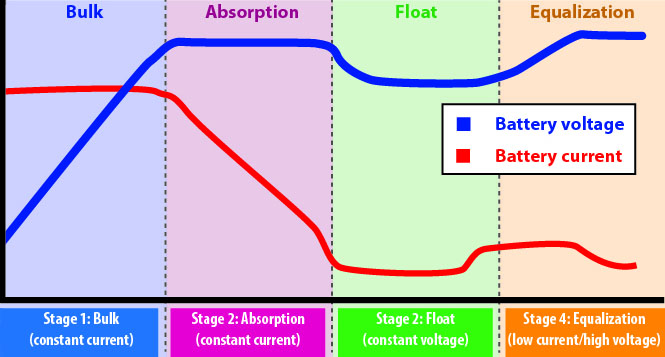
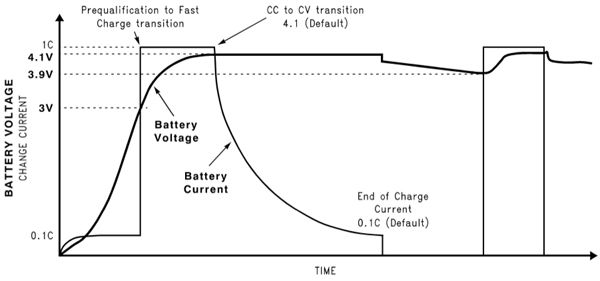
Battery charging cycles improve when you charge the right way. Smart chargers use three steps. Think of it like filling a glass without spilling.
- Bulk
- Fast fill. The charger gives steady current until the battery reaches about 80% full.
- This is where low batteries get a strong push.
- Absorption
- Top-off phase. The charger holds voltage and lowers current.
- This protects the battery while finishing the charge.
- Float (or maintenance)
- Hold steady at a safe low voltage.
- Prevents overcharge. Keeps the battery ready without wear.
Tip: If your charger has an AGM mode, use it for AGM batteries. It sets the right voltage. This protects capacity and cycle life.
Smart Chargers vs Trickle Chargers vs Maintainers
Use the right tool for your car and schedule. The wrong charger can shorten life or fail to charge fully.
- Smart charger
- Best all-around choice.
- Automatic steps: bulk, absorption, float.
- Often has AGM/EFB modes and repair modes.
- Trickle charger
- Old-school slow charger. Constant low current.
- Can overcharge if left on too long.
- Use only if you watch it closely.
- Maintainer (float charger)
- Keeps a full battery topped off.
- Safe for storage. Great for seasonal cars.
- Prevents sulfation from sitting.
Real-World Charging Routines That Work
Match your routine to your driving style. This builds healthy battery charging cycles and avoids deep drains.
Short-Trip Driver (Under 10 Minutes Per Trip)
Short trips don’t let the alternator top off the battery. The voltage may look fine, but the battery stays undercharged. Use a smart charger once a week. Try to take a longer drive (20–30 minutes) on weekends.
Daily Commuter (20–40 Minutes Each Way)
You likely keep a good charge. Still, check voltage monthly. Clean terminals every oil change. If you run lots of accessories, consider an AGM battery for better cycles.
Weekend or Seasonal Car
Use a maintainer. Hook it up after each drive. Storage kills more batteries than mileage. A maintainer is cheap insurance.
Cold Climate (Below 32°F Often)
Cold slows chemical reactions. It also raises oil thickness. You need more power to crank. Keep the battery near full. Use a smart charger before cold snaps. Consider a battery blanket in extreme cold.
Hot Climate (Above 90°F Often)
Heat speeds up internal wear and water loss. Park in shade. Avoid under-hood heat soaks after hard drives. Check voltage more often in summer.
Common Problems, Likely Causes, and Proven Fixes
Most starting problems come down to a few simple issues. Use this table to spot patterns fast and choose the right fix.
| Symptom | Most Likely Cause | Quick Fix | Next Step if Not Fixed |
|---|---|---|---|
| Slow crank in the morning | Low state of charge; cold weather; sulfation | Smart charge overnight; clean terminals | Load test battery; check alternator output |
| Clicking, no start | Loose/dirty terminals; weak battery | Tighten and clean; jump-start | Replace battery if old or fails test |
| Dim lights that brighten with revs | Weak alternator or loose belt | Check belt tension; test charging voltage | Repair/replace alternator or belt |
| Battery dies after sitting 1–3 days | Parasitic draw; undercharged battery | Full charge; remove aftermarket drains | Parasitic draw test; fix the circuit |
| Rotten egg smell | Overcharge; boiling electrolyte | Unplug charger; ventilate | Test regulator/alternator; replace battery if damaged |
| Corrosion on terminals | Acid vapor; loose fit; age | Clean with baking soda/water; apply protectant | Replace terminals or battery if damage is severe |
| Battery light on while driving | Charging system fault | Test alternator output immediately | Repair alternator/regulator; check grounds |
How Charging Cycles Differ by Battery Type
Cycle life depends on depth of discharge, build quality, and temperature. This simple comparison helps you set expectations and choose smarter charging habits.
| Battery Type | Best Use Case | Typical Battery Charging Cycles (to ~80% capacity) | Notes to Maximize Life |
|---|---|---|---|
| Flooded Lead-Acid (Standard) | Daily drivers, mild climates | ~200–400 at 50% depth of discharge | Avoid deep drains; keep fully charged; clean terminals |
| EFB (Enhanced Flooded) | Start-stop systems | ~300–500 at 50% depth of discharge | Use correct charger mode; reduce short trips |
| AGM | High accessory loads, start-stop, cold climates | ~400–700 at 50% depth of discharge | Use AGM mode; avoid heat; keep on maintainer if stored |
| Lithium-Ion (Hybrid/EV traction pack) | Hybrids/EVs, shallow cycles | ~1,000–2,000+ depending on chemistry | Vehicle manages charging; avoid heat; follow service intervals |
Safety First: Charging and Jump-Starting
Take safety seriously. Batteries can spark, vent gas, and leak acid. A few simple habits keep you safe.
- Wear eye protection and gloves.
- Work in a ventilated area. No flames or smoking.
- Connect charger clamps cleanly. Red to positive. Black to negative.
- If you must remove the battery, disconnect negative first, then positive. Reconnect positive first, then negative.
- Jump-start safely:
- Red to dead positive. Red to donor positive.
- Black to donor negative. Black to ground on the dead car, away from the battery.
- Start donor, then start the dead car.
- Remove cables in reverse order.
How To Choose the Right Charger (Simple Checklist)
The right charger builds healthy battery charging cycles. Use this checklist to pick the best one for your garage.
- Match chemistry. Does it support AGM/EFB? Choose a charger with specific modes.
- Pick smart features. Look for automatic bulk/absorption/float control.
- Size current to your needs. 4–10 amps is fine for most 12V car batteries.
- Winter mode helps in cold climates.
- Repair or desulfation mode can revive a lightly sulfated battery. Use with care.
- Quality clamps and clear instructions save headaches.
Fix It Now: Your 15-Minute Battery Rescue Plan
Short on time? Use this quick routine to get ahead of problems and protect future cycles.
- Pop the hood. Check for crust on terminals and loose clamps.
- Measure resting voltage. Use the chart to decide next steps.
- If below 12.4V, hook up a smart charger. Let it run to full.
- Start the car. Verify 13.8–14.7V with the engine running.
- Drive 20–30 minutes to top off if you cannot charge at home.
- Set a reminder: test monthly. Charge weekly if you run many short trips.
Stop the Silent Killer: Parasitic Drains
Small drains can empty a battery over a few days. Fixing them protects battery charging cycles and your wallet.
- Common drains: glovebox light, trunk light, dash cams, OBD trackers, old stereos.
- Unplug chargers and accessories when parked.
- If the battery dies after 1–3 days, ask a shop for a parasitic draw test.
- Aftermarket alarm or remote start? Check wiring quality and fuses.
Climate Rules: Cold and Heat Management
Temperature is a big factor. Cold robs cranking power. Heat speeds up chemical aging. Adjust your care to stay ahead.
Cold Weather Tips
Keep the battery full before deep freezes. Use a maintainer. Park indoors if you can. Turn off big loads before you shut down. That reduces startup strain.
Hot Weather Tips
Park in shade. Avoid long idles with heavy accessories. Check charging voltage. High heat plus overcharge is a fast way to shorten life.
When To Replace the Battery
Every battery reaches the end of its cycle life. Know the signs and replace before you get stranded.
- Age: 3–5 years for most lead-acid in typical use. Harsh climates can be shorter.
- Frequent jump-starts: A warning that capacity is low.
- Crank voltage under load below 9.6V: Often a fail.
- Resting voltage won’t hold above ~12.4V after charging: Capacity loss.
- Swelling, leaks, or rotten egg smell: Replace now.
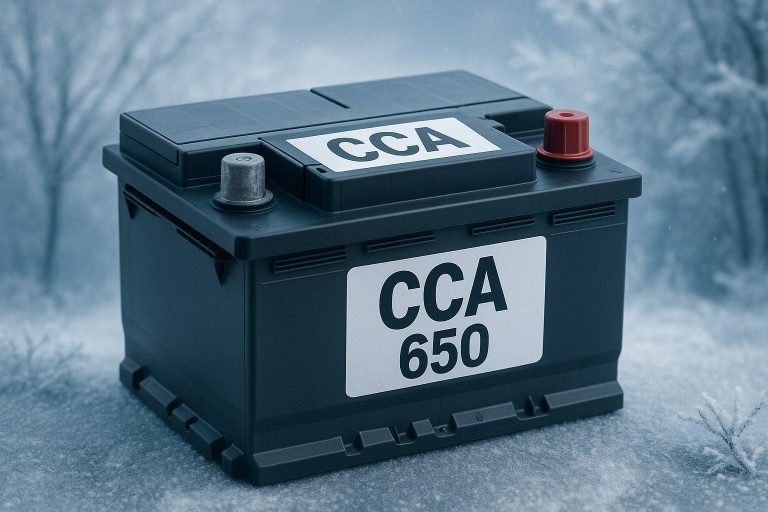
When you buy, match group size, terminal layout, and CCA to your car. Consider AGM if you run many accessories or short trips. For more step-by-step help, see our battery replacement tips and start with our simple car battery guide.
Maintenance Habits That Add Years
Small habits protect battery charging cycles and state of charge. Do these and you will feel the difference on cold mornings.
- Clean and tighten terminals every 6 months.
- Top up with a smart charger monthly if you drive short trips.
- Use a maintainer for storage or seasonal cars.
- Test voltage monthly. It takes 2 minutes.
- Turn off dome lights and unplug chargers when parked.
- Inspect the belt and alternator during every oil change.
Myths vs Facts About Battery Charging Cycles
Bad advice kills batteries. Here are straight facts to protect your time and money.
- Myth: Driving 5 minutes recharges the battery.
- Fact: Short trips rarely reach full charge. Use a charger or longer drives.
- Myth: Jump-starting fixes a weak battery.
- Fact: It only gets you going. Charge and test after.
- Myth: Trickle chargers are safe to leave on forever.
- Fact: Only maintainers or smart chargers can stay connected long-term.
- Myth: All 12-volt batteries charge the same.
- Fact: AGM and EFB need proper modes. Wrong charging shortens life.
- Myth: A brand-new battery can’t be bad.
- Fact: It can. Always test after install and confirm alternator output.
Troubleshooting Flow: Battery vs Alternator vs Starter
Not sure where to look next? Follow this simple flow. It helps you avoid parts swapping and wasted cash.
- Lights bright with engine off? Battery likely OK.
- Slow crank, dim lights, low resting voltage? Battery low or worn.
- Good battery voltage but low charging voltage? Alternator or belt issue.
- Strong voltage, solid lights, single loud click? Starter or solenoid issue.
- Intermittent no-start, corrosion at terminals? Clean and retest.
Budget Tips: Save Money and Avoid Tow Bills
You can prevent most failures with cheap tools and 10 minutes a month. It is the best return on time in car care.
- Buy a $15–$25 multimeter. It is your truth meter.
- Use a $30–$80 smart charger. It pays for itself fast.
- Keep a jump pack in the trunk.
- Follow simple car maintenance basics to find issues before they find you.
Real-World Example: The Short-Trip Squeeze
Sarah drives 5 minutes to work. Lights on. Wipers on. Rear defroster on. The alternator cannot keep up in that short time. The battery never reaches full. After a few weeks, the car cranks slow. The cure? A weekly top-off with a smart charger and one 30-minute highway drive. Her starts became strong again, and her battery lasted two more winters.
Another Example: Stored Summer Car That Won’t Start
Mike parks his convertible all winter without a maintainer. In spring, the battery reads 11.9 volts and the car just clicks. He jump-starts it, but it dies the next day. A smart charger brings it to 12.6 volts, but it drops back to 12.2 by morning. That’s capacity loss from sitting. He replaced the battery and added a maintainer. Next spring, it started first turn.
Pro Tip: Voltage Is Not the Whole Story
Voltage is a quick check. But capacity also matters. A tired battery can show 12.6 volts and still fail under load. If you suspect this, do a crank test. Watch for a big dip. Or ask for a conductance test at a parts store. Many do this free.
Stay Informed: Trusted Resources
Use reliable sources to confirm best practices. Check for recalls, read test data, and follow up-to-date safety tips.
- See official guidance on vehicle issues and recalls at NHTSA vehicle recalls.
- Compare batteries and learn test results from Consumer Reports car battery buying guide.
FAQs: Battery Charging Cycles and Car Batteries
What is a battery charging cycle in a car?
It is one full use of stored energy and a recharge. In cars, that happens through starting, short drives, and alternator charging. Gentle, shallow cycles last longer than deep ones.
How many cycles does a typical car battery have?
Standard flooded batteries often manage a few hundred moderate cycles. AGM and EFB can handle more. Hot or cold climates, deep drains, and poor charging reduce the number.
Can I revive a weak battery with a charger?
Sometimes. A smart charger with a repair mode can help a lightly sulfated battery. If it will not hold above ~12.4V after a full charge, plan to replace it.
Is a short drive enough to recharge my battery?
Usually not. Five to ten minutes rarely tops it off. Take a 20–30 minute drive or use a smart charger for a full recharge.
How often should I use a maintainer?
Use it whenever the car sits more than a week. For seasonal cars, leave it on all the time. Maintainers are safe for long-term use.
Do I need an AGM battery?
If your car has start-stop or you run heavy accessories, AGM helps. It resists vibration, handles cycles better, and charges faster. Use the AGM mode on your charger.
When should I replace my battery?
Most last 3–5 years. Replace sooner if it needs frequent jumps, fails a load test, or shows swelling or leaks.
Conclusion
Battery charging cycles decide how long your battery lasts and how often your car starts strong. Keep cycles shallow. Avoid deep drains. Use a smart charger and a simple monthly test. Clean your terminals and fix small drains. Follow these steps and you will spend less, drive more, and skip the morning no-start drama. If you want more help, our car battery guide and handy battery replacement tips are ready when you are.