Make your own custom car seat cover with this simple DIY guide. You’ll learn how to measure, cut, sew, and install a durable, stylish cover using basic tools and affordable fabric. Perfect for beginners and car enthusiasts alike!
Quick Answers to Common Questions
Can I make a car seat cover without a sewing machine?
Yes! You can hand-sew the cover using a needle and strong thread. Use a backstitch for durability and take your time to ensure even seams.
How much fabric do I need for a car seat cover?
Most car seats require 2–3 yards of fabric. Larger SUV seats may need up to 4 yards. Always measure your seat and add extra for seams and contours.
Is it safe to cover airbag areas?
No. Never cover or obstruct side or front airbags. Ensure your cover has open areas or breakaway seams so airbags can deploy properly in an emergency.
Can I use old clothes or fabric scraps?
You can, but make sure the fabric is durable and thick enough. T-shirts or thin cotton may tear easily. Reinforce weak areas with interfacing if needed.
How do I prevent the cover from sliding?
Use non-slip fabric on the underside, add elastic straps, or sew Velcro tabs that attach to the seat frame. A snug fit also helps reduce movement.
How to Make Car Seat Cover: Easy DIY Guide
Have you ever wanted to refresh your car’s interior without spending hundreds on professional upholstery? Making your own car seat cover is a fun, budget-friendly DIY project that anyone can tackle—even if you’ve never sewn before. Whether you’re protecting your seats from pets, kids, or daily wear and tear, or just want a custom look, this guide will walk you through the entire process step by step.
In this easy DIY guide, you’ll learn how to measure your car seat, choose the best fabric, create a simple pattern, sew the pieces together, and install your new cover. With a few basic tools and about 2–4 hours of your time, you can transform your car seats into something stylish and functional. Let’s get started!
What You’ll Need
Before diving in, gather these supplies:
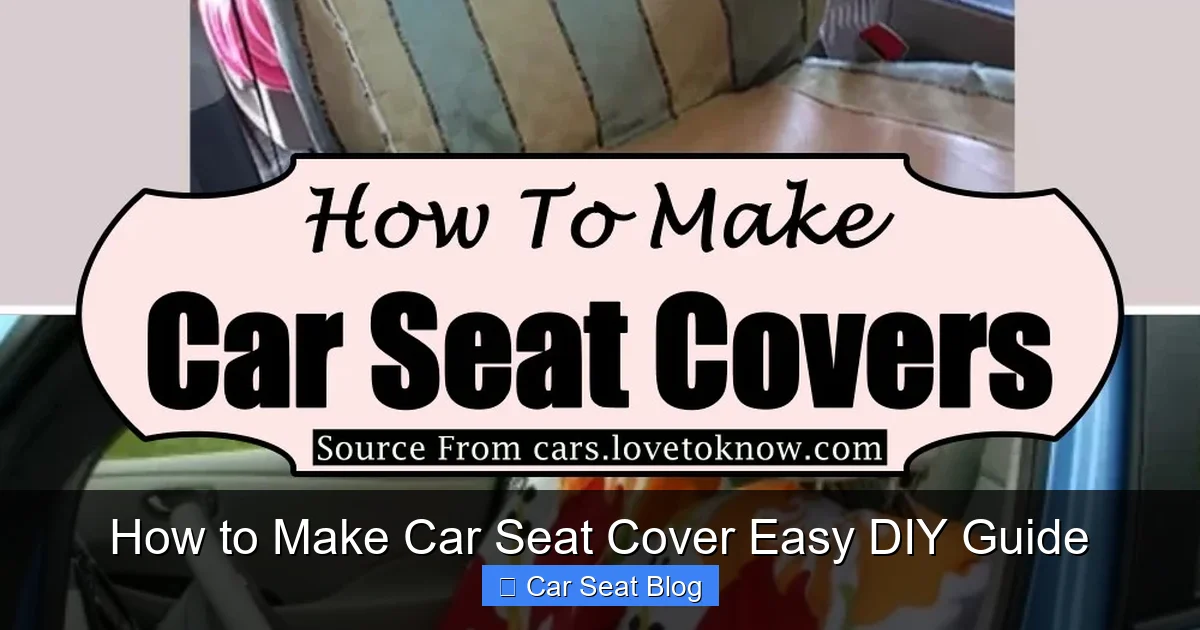
Visual guide about How to Make Car Seat Cover Easy DIY Guide
Image source: diyscraftsy.com
- Measuring tape
- Fabric (2–3 yards depending on seat size; see fabric recommendations below)
- Fabric scissors
- Sewing machine (or needle and thread if hand-sewing)
- Pins or fabric clips
- Chalk or fabric marker
- Iron and ironing board
- Elastic or Velcro straps (optional, for secure fit)
- Old newspaper or cardboard (for creating pattern)
Step 1: Measure Your Car Seat
Accurate measurements are the foundation of a well-fitting seat cover. Start by removing the seat from the car if possible—this makes the process easier and more precise. If you can’t remove it, work carefully around the seat rails and seatbelt mechanisms.
Break Down the Seat into Sections
Most car seats have three main parts: the backrest, the seat base, and the headrest. Measure each section separately.
- Backrest: Measure the height (from top to bottom) and width (from left to right). Include any contours or bolsters (the raised sides).
- Seat base: Measure the depth (front to back) and width. Again, note any curves or indentations.
- Headrest: Measure the height, width, and thickness. Some headrests are removable—measure both the cushion and the post area if applicable.
Add Extra for Seams and Fitting
Add 1 inch (2.5 cm) to each dimension for seam allowances. If your seat has deep contours, add an extra 1–2 inches to ensure the fabric can stretch and conform without tearing.
Create a Paper Pattern
Use newspaper or cardboard to trace the shape of each section. Lay the paper over the seat and gently press it into the contours. Cut out the shapes and label them (e.g., “Backrest – Left Side”). These will serve as your sewing templates.
Step 2: Choose the Right Fabric
Not all fabrics are created equal when it comes to car seat covers. You need something durable, easy to clean, and resistant to fading and wear.
Best Fabric Options
- Canvas: Heavy-duty and breathable. Great for everyday use and pet owners.
- Neoprene: Water-resistant and stretchy. Ideal for wet climates or outdoor enthusiasts.
- Polyester blend: Affordable, stain-resistant, and available in many colors and patterns.
- Leather or faux leather: Sleek and easy to wipe clean, but can get hot in summer.
Fabric Tips
Avoid thin or stretchy fabrics like jersey or silk—they won’t hold up under daily use. Also, check that the fabric is machine washable or can be wiped down easily. For added protection, consider using a waterproof liner underneath.
Step 3: Cut the Fabric
Now it’s time to turn your paper patterns into fabric pieces.
Prepare the Fabric
Wash and dry your fabric before cutting to prevent shrinkage later. Iron out any wrinkles so you have a smooth, flat surface to work on.
Trace and Cut
Place your paper patterns on the fabric and trace around them with chalk or a fabric marker. Cut out each piece, remembering to include the seam allowance (usually ½ to 1 inch).
Label Each Piece
Use sticky notes or chalk to label each fabric piece (e.g., “Backrest Front,” “Seat Base Left”). This will help you keep track during assembly.
Step 4: Sew the Cover Together
This is where your seat cover starts to take shape. Don’t worry—sewing doesn’t have to be perfect. A straight stitch and neat seams are all you need.
Start with the Backrest
Pin the front and back pieces of the backrest together with the right sides facing inward. Sew along the edges, leaving the bottom open. Repeat for the seat base.
Attach the Sides and Contours
If your seat has bolsters or side supports, sew those pieces on next. Use a zigzag stitch or stretch stitch if the fabric needs to bend around curves.
Test Fit Before Final Stitching
Turn the cover right-side out and place it on the seat. Check for gaps, tight spots, or excess fabric. Make adjustments by unpicking seams and re-sewing if needed.
Add Straps or Elastic (Optional)
To keep the cover secure, sew elastic straps or Velcro tabs to the underside. Attach them to the seat frame or existing hooks. This prevents slipping, especially on leather seats.
Step 5: Install the Seat Cover
Once your cover is sewn and fitted, it’s time to install it.
Put It On
Start with the backrest, then the seat base. Pull the fabric snug but not tight—overstretching can cause seams to pop.
Secure the Cover
Tuck excess fabric under the seat or use straps to anchor it. Make sure the seatbelt and airbag areas are unobstructed. Never cover or block an airbag—this is a serious safety risk.
Final Adjustments
Smooth out wrinkles and ensure the cover lies flat. Sit in the seat to test comfort and fit. Make minor tweaks if needed.
Troubleshooting Common Issues
Even with careful planning, you might run into a few hiccups. Here’s how to fix them:
- Cover is too tight: Re-cut the fabric with more seam allowance or use a stretchier fabric.
- Cover slips off: Add more straps or use non-slip fabric underneath.
- Seams are popping: Use a stronger thread or reinforce high-stress areas with double stitching.
- Fabric wrinkles or bunches: Iron the fabric before sewing and avoid pulling it while stitching.
- Headrest doesn’t fit: Create a separate cover for the headrest or modify the main cover to include a detachable top section.
Customization Ideas
Now that your cover fits perfectly, make it uniquely yours!
- Add pockets: Sew small pockets to the back of the seat for phones, snacks, or maps.
- Embroider your initials: Personalize with a monogram or fun design.
- Use contrasting thread: Choose a bold color for stitching to add visual interest.
- Mix fabrics: Combine textures like canvas and neoprene for a modern look.
- Install zippers: Make removable covers for easy washing.
Maintenance Tips
To keep your DIY seat cover looking great:
- Vacuum regularly to remove dust and crumbs.
- Spot-clean stains with mild soap and water.
- Machine wash if the fabric allows—check the care label.
- Air dry to prevent shrinkage or damage.
- Inspect seams and straps every few months for wear.
Conclusion
Making your own car seat cover is a rewarding DIY project that saves money, boosts creativity, and protects your car’s interior. With just a few tools and some patience, you can create a custom cover that fits perfectly and reflects your personal style. Whether you’re covering worn seats, protecting against pets, or just love a good craft project, this guide gives you everything you need to succeed.
So grab your measuring tape, pick out a fun fabric, and start sewing! Your car—and your wallet—will thank you.

