Installing a car stereo doesn’t have to be overwhelming—having the right tools makes all the difference. With a few key items like a wiring harness, dash kit, and basic hand tools, you can upgrade your audio system safely and efficiently.
Upgrading your car stereo can completely transform your driving experience. Whether you’re tired of static-filled radio stations or you simply want Bluetooth connectivity and better sound quality, installing a new head unit is one of the most rewarding DIY car projects you can tackle. But before you dive in, it’s important to know exactly what tools you need to install a car stereo easily and safely.
Many people assume that swapping out a stereo is as simple as pulling the old one out and plugging in the new one. While that’s the general idea, the reality involves a few more steps—and the right tools make those steps much smoother. Without the proper equipment, you risk damaging your car’s wiring, cracking interior panels, or ending up with a stereo that doesn’t work at all. The good news? You don’t need a full mechanic’s toolbox. With a focused set of tools and a little patience, you can complete the job in an afternoon.
In this guide, we’ll walk you through every tool you’ll need to install a car stereo easily, explain why each one matters, and share practical tips to help you avoid common mistakes. Whether you’re a first-time installer or just need a refresher, this comprehensive list will set you up for success.
Key Takeaways
- Wiring Harness: Connects your new stereo to your car’s electrical system without cutting factory wires, ensuring a clean and reversible install.
- Dash Kit: Adapts the new stereo to fit your vehicle’s dashboard opening, providing a professional, OEM-style finish.
- Screwdrivers and Panel Removal Tools: Essential for safely removing trim panels and securing the stereo without damaging your car’s interior.
- Wire Strippers and Crimpers: Used to prepare and connect wires securely, preventing loose connections and electrical issues.
- Electrical Tape or Heat Shrink Tubing: Insulates wire connections to prevent shorts and ensure long-term reliability.
- Multimeter: Helps test power, ground, and speaker wires to confirm proper connections before final installation.
- Socket Wrench or Panel Pry Tools: Makes removing bolts and clips easier, especially in tight spaces behind the dashboard.
📑 Table of Contents
Essential Hand Tools for Car Stereo Installation
When it comes to installing a car stereo, having the right hand tools is half the battle. You don’t need anything fancy—just a few basics that most people already have at home. But using the wrong tools can lead to stripped screws, broken clips, or even electrical shorts.
Start with a set of screwdrivers. A Phillips head (#1 and #2) and a flathead screwdriver are must-haves. Many car stereos are secured with Phillips screws, while flatheads come in handy for prying open tight spaces or adjusting small components. Consider investing in a precision screwdriver set if your car has smaller screws around the trim or climate controls.
Next, grab a panel removal tool—also known as a trim removal tool or pry tool. These are typically made of plastic or nylon and are designed to safely pop off dashboard panels without scratching or cracking them. Metal tools might get the job done faster, but they can easily damage your car’s interior. A good set of panel tools usually includes a flat wedge, a hook, and a clip remover, which helps release stubborn fasteners.
Don’t forget a socket wrench or ratchet set with a 10mm socket. Many vehicles use 10mm bolts to secure the stereo bracket or mounting sleeve. A short extension bar can also help reach bolts in tight spaces behind the dashboard. If your car has a center console that needs to be removed, a socket wrench will save you time and frustration.
Wiring Harness: The Key to a Clean Installation
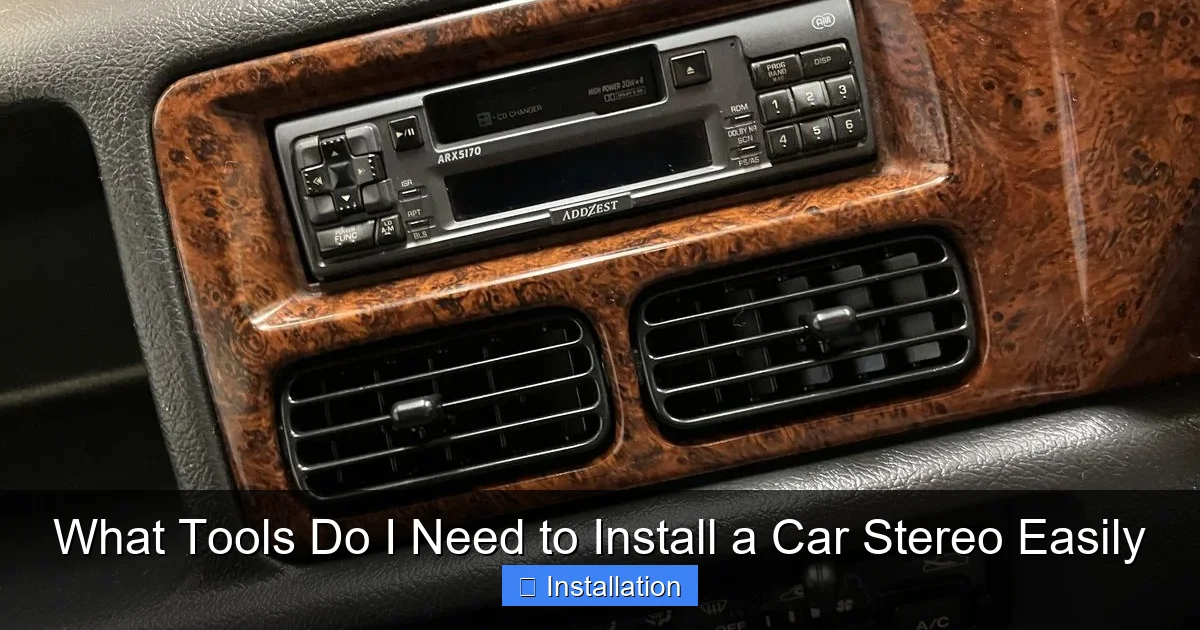
Visual guide about What Tools Do I Need to Install a Car Stereo Easily
Image source: audiolover.com
One of the most important tools you’ll need to install a car stereo easily is a wiring harness adapter. This small but crucial component connects your new stereo to your car’s factory wiring without requiring you to cut or splice any wires.
Every car has a unique wiring configuration, and manufacturers don’t use standardized connectors. A wiring harness acts as a bridge between your vehicle’s specific plug and the universal connectors on your new stereo. For example, if you’re installing a Pioneer or Sony head unit in a 2015 Honda Civic, you’ll need a Civic-specific harness that matches the factory plug.
Using a harness has several advantages. First, it preserves your car’s original wiring, which is helpful if you ever want to reinstall the factory stereo or sell the vehicle. Second, it reduces the risk of electrical issues like blown fuses or short circuits. Third, it makes the installation process much faster—no more guessing which wire is power, ground, or speaker output.
When purchasing a wiring harness, make sure it’s compatible with both your car’s make and model and your new stereo. Most reputable brands like Metra, Scosche, and PAC offer detailed fitment guides online. Some harnesses even include pre-tinned wires and color-coded labels to simplify connections.
Dash Kit: Ensuring a Perfect Fit
Even if your new stereo fits the electrical system, it might not fit the physical opening in your dashboard. That’s where a dash kit comes in. Also called a mounting kit or bezel, this tool adapts your new stereo to the dimensions of your car’s factory opening.
Dash kits vary widely depending on the vehicle. Some are simple faceplates that snap over the stereo, while others include full mounting brackets, sleeves, and even climate control adapters. For example, if you’re replacing a single-DIN stereo with a double-DIN unit (like a touchscreen with navigation), you’ll need a kit that fills the extra space and secures the larger unit properly.
A quality dash kit not only ensures a secure fit but also gives your installation a professional, factory-like appearance. Without it, your stereo might wobble, sit too far forward, or leave unsightly gaps around the edges. In some cases, the kit may also include brackets to reposition the stereo for better visibility and access.
When shopping for a dash kit, double-check the compatibility with both your car and your new stereo. Many kits are vehicle-specific, so a kit for a Toyota Camry won’t work in a Ford F-150. Look for kits made from durable ABS plastic that resist warping or cracking over time.
Wire Preparation and Connection Tools
Once you’ve removed the old stereo and prepared the wiring harness, it’s time to connect the wires. This step requires precision and the right tools to ensure a secure, long-lasting connection.
Start with a pair of wire strippers. These tools remove the insulation from the ends of wires without damaging the copper underneath. Look for a stripper with multiple gauge settings—most car stereo wires are 18 or 20 gauge, but it’s helpful to have options. Avoid using scissors or pliers, as they can nick the wire and weaken the connection.
Next, you’ll need crimping tools. A good crimper creates a tight, mechanical bond between wires and connectors. For car stereo installations, you’ll typically use butt connectors, spade terminals, or ring terminals. Crimping is preferred over soldering for most DIYers because it’s faster and doesn’t require heat, which can damage nearby components.
After crimping, always insulate your connections. Electrical tape is the most common option—just wrap it tightly around the joint to prevent exposure. However, heat shrink tubing is a more durable and professional choice. When heated with a lighter or heat gun, it shrinks to form a tight, waterproof seal around the wire. This is especially useful in areas exposed to moisture or vibration.
Testing and Safety Tools
Before you reassemble your dashboard and celebrate, it’s crucial to test your connections. A multimeter is an invaluable tool for this step. It allows you to check for proper voltage, confirm ground connections, and verify that speaker wires are correctly paired.
Set your multimeter to DC voltage and touch the probes to the power and ground wires. With the ignition on, you should see around 12 volts. If the reading is zero or fluctuates, double-check your connections. You can also use the multimeter’s continuity mode to test speaker wires—this helps ensure you haven’t crossed any wires, which could damage your stereo or speakers.
Another safety tip: always disconnect the negative terminal of your car battery before starting the installation. This prevents accidental shorts or electrical shocks. Once the stereo is installed and tested, you can reconnect the battery and power up the system.
Optional but Helpful Tools
While not strictly necessary, a few additional tools can make the process even easier. A flashlight or work light helps illuminate dark areas behind the dashboard. A magnetic tray keeps screws and small parts from getting lost. And if your car has a complex stereo system with amplifiers or steering wheel controls, you might need a steering wheel control interface module to retain those features.
Patience and organization are just as important as the tools themselves. Take photos as you remove panels and wires—this makes reassembly much simpler. Label wires if needed, and work in a clean, well-lit space.
Conclusion
Installing a car stereo doesn’t have to be a daunting task. With the right tools—like a wiring harness, dash kit, screwdrivers, wire strippers, and a multimeter—you can complete the job confidently and correctly. Not only will you save money on professional installation, but you’ll also gain a deeper understanding of your vehicle’s electrical system.
Remember, the key to a successful installation is preparation. Gather all your tools beforehand, follow the manufacturer’s instructions, and take your time. Whether you’re upgrading for better sound, modern features, or just the satisfaction of a job well done, having the right tools to install a car stereo easily makes all the difference.
🎥 Related Video: Car stereo installation tools of the trade you may want to get
📺 Five Star Car Stereo
In this video we give you a run down of the hand tools we use everyday. Here are links to some of them if you want one or two.
Frequently Asked Questions
Do I really need a wiring harness to install a car stereo?
Yes, a wiring harness is highly recommended. It allows you to connect your new stereo to your car’s factory wiring without cutting any wires, making the installation cleaner, safer, and reversible.
Can I install a car stereo without a dash kit?
It depends on your vehicle and stereo size. If the new unit doesn’t fit the factory opening, a dash kit is essential for a secure and professional-looking installation.
What happens if I connect the wires wrong?
Incorrect wiring can cause the stereo to not power on, blow fuses, or even damage the unit. Always double-check connections and use a multimeter to test before finalizing the install.
Do I need to disconnect the car battery?
Yes, always disconnect the negative terminal of the battery before starting. This prevents electrical shorts and protects both you and your vehicle’s electronics.
Can I use electrical tape instead of heat shrink tubing?
Yes, electrical tape works in a pinch, but heat shrink tubing provides a more durable and weather-resistant seal, especially in areas exposed to moisture or vibration.
How long does it take to install a car stereo?
For most DIYers, a basic installation takes 1–3 hours, depending on experience and vehicle complexity. Having the right tools speeds up the process significantly.

