Safe washing means cleaning your car in a way that removes dirt without grinding it into the paint, trim, glass, or wheels. The biggest mistakes are using dirty tools, washing in the sun, and scrubbing too hard. If you fix those habits and use clean mitts, proper soap, and gentle technique, you can lower the risk of swirls and scratches a lot.
I’m Ethan Miles, and I’ll keep this simple: safe washing is not about making car care complicated. It’s about using a few smart habits that protect the finish while still getting the car clean.
In this guide, I’ll walk through the most common mistakes, how to fix them, and the washing habits that help keep your paint looking better for longer. I’ll also point out when washing is not enough and when the surface needs decontamination or polishing.
What “Safe Washing” Really Means for Your Car’s Finish
Most wash damage does not come from soap itself. It usually comes from dirt, grit, and poor technique being dragged across the surface.
How safe washing differs from a quick wash
A quick wash focuses on speed. Safe washing focuses on contact control. That means rinsing first, using clean tools, and working in a way that lifts dirt away instead of pushing it around.
A fast wash can still be gentle if the car is lightly dirty and the tools are clean. But when the car has road film, dust, salt, or grit, rushing usually increases the chance of scratches and swirl marks.
Why paint, clear coat, trim, glass, and wheels need different care
Not every surface on a car reacts the same way. Clear coat can show swirl marks. Black trim can stain or fade. Glass can streak if the wrong towel is used. Wheels often hold brake dust and heavy grime that should not be brought back to the paint area.
That is why safe washing is really about matching the method to the surface. A soft microfiber mitt may be great for paint, but a wheel brush should stay on the wheels. I also like to keep a separate towel just for glass.
For more background on vehicle care basics, I sometimes point readers to manufacturer guidance such as the Toyota owners resources or the Chevrolet owners center, since many brands share useful wash and finish-care tips in their manuals and support pages.
The Most Common Safe Washing Mistakes That Cause Damage
| Mistake | What it does | Better fix |
|---|---|---|
| Dirty mitts or towels | Drag grit across paint and glass | Use clean microfiber and rinse often |
| Washing in direct sun | Soap dries too fast and leaves spots | Work in shade or on cool panels |
| Wrong soap or too much detergent | Residue, streaks, or weak lubrication | Use pH-balanced car shampoo |
| Circular scrubbing | Swirls become easier to see | Use straight-line passes |
| Reusing dirty rinse water | Moves grit back onto the car | Use a two-bucket method with a grit guard |
| Letting grit sit first | Hard particles scratch during washing | Pre-rinse thoroughly before touching paint |
Using dirty wash mitts or towels
This is one of the easiest ways to scratch a car. A mitt that has picked up grit can behave like sandpaper. Even if it looks clean, trapped debris can still be inside the fibers.
Washing in direct sun or on hot panels
Heat makes soap and water dry too quickly. That can leave spots, streaks, and residue. It also makes the whole job harder because you feel rushed and may skip steps.
Using the wrong soap or too much detergent
Regular dish soap is not made for car paint care. It can strip protection and leave the surface less slick. Using too much shampoo can also leave film behind instead of helping the wash glide.
Scrubbing with circular motions instead of straight lines
Circular scrubbing can make marks more visible, especially on dark paint. Straight-line passes are easier on the eye and usually easier on the finish.
Reusing contaminated rinse water
Once dirt is in the rinse bucket, it stays there unless you separate it from the mitt. If you keep dipping a dirty mitt into the same water without a grit guard, you keep recycling contamination back onto the paint.
Letting grit sit on the surface before washing
Dust, pollen, salt, and road film all become more dangerous when they sit on the car for a while. The longer they stay, the more they cling and the more pressure you may use to remove them.
How to Fix Washing Mistakes Before They Become Real Problems
Stop and inspect the paint for swirls, haze, or residue
If you think a wash went wrong, pause and look at the surface under good light. Swirls look like fine spiderweb marks. Haze can look cloudy. Residue may show up as streaks or patches.
This tells you whether you are dealing with dirt, leftover soap, or actual paint marring. That matters because the fix is different for each one.
Rewash with a clean mitt, two-bucket method, and grit guard
If the car is still dirty, rewash it the right way. Use one bucket for soapy water and one for rinsing your mitt. A grit guard at the bottom helps trap dirt away from the mitt.
Rinse the mitt after each panel or section. That small habit helps keep trapped grit from becoming a scratch problem.
Replace harsh towels, brushes, and worn wash mitts
Old towels can feel soft but still hold hard particles. Brushes that are too stiff can mark trim, badges, and wheel faces. If a wash mitt is thin, matted, or stained with embedded dirt, retire it.
If a towel has touched wheels, engine bay grime, or heavy road film, do not move it to paint duty. Keep separate tools for dirty jobs and delicate surfaces.
Correct soap dilution and switch to pH-balanced shampoo
Use the dilution rate on the bottle. More soap does not always mean better cleaning. In many cases, it just means more residue to rinse away.
pH-balanced car shampoo is designed to clean while being gentle on waxes, sealants, and coatings. That makes it a better fit for regular maintenance washing.
Dry safely with clean microfiber and a drying aid
Drying can scratch paint too, especially if you use a rough towel or press hard. Use a clean microfiber drying towel and glide it over the surface instead of dragging grit around.
A drying aid can add slickness and help the towel move more easily. That lowers friction and makes the finish look cleaner.
Safe Washing Steps That Prevent Paint Swirl and Scratch Damage
Rinse thoroughly before touching the vehicle
Start with a strong rinse to loosen and remove as much loose dirt as possible. This is one of the best ways to reduce the chance of rubbing grit into the paint.
Wash top to bottom in sections
The upper parts of the car are usually less dirty than the lower panels. Wash the roof, glass, hood, and upper doors first, then move down to the dirtier areas.
This keeps the dirtiest grime for last, when your mitt and water are already doing their heaviest work.
Keep one bucket for soap and one for rinsing
The two-bucket method is simple and effective. One bucket holds clean wash solution. The other holds rinse water so you can release dirt from the mitt before loading it with soap again.
Use light pressure and straight-line passes
Let the soap and mitt do the work. You do not need to press hard. Light pressure is usually enough when the car has been rinsed well and the shampoo has good lubrication.
Rinse the mitt often to release trapped dirt
After each section, rinse the mitt and inspect it. If you feel grit, stop and clean it out before continuing. That habit protects the paint more than almost anything else.
Safe washing is not about perfection. It is about reducing risk every time you touch the car. Small habits add up fast.
Safe Washing Products and Tools That Reduce Risk
Best wash mitt materials for delicate finishes
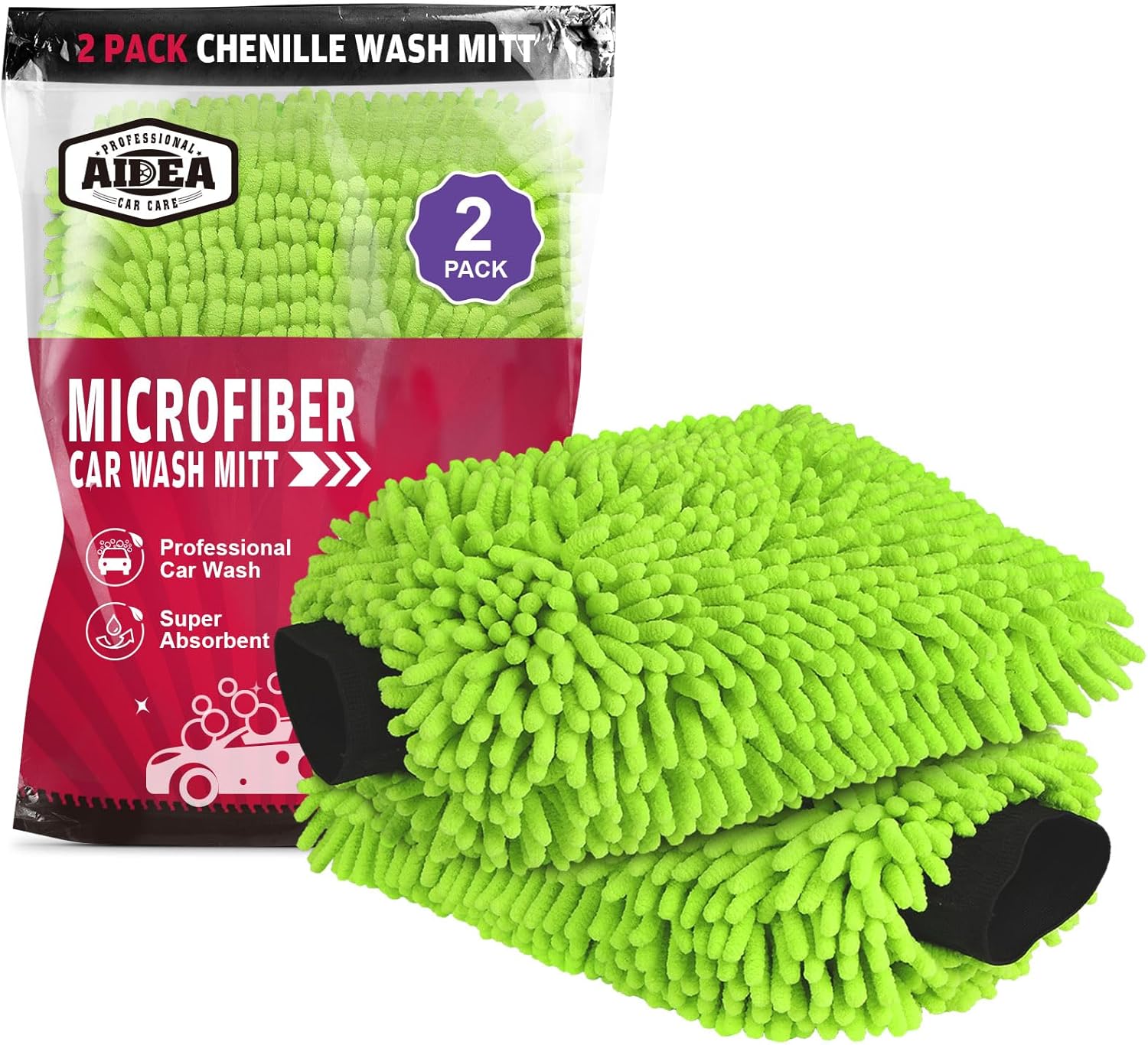
Soft microfiber wash mitts are a solid choice for most cars. They hold plenty of suds and are gentle when kept clean. Lambswool mitts can also work well, but they need careful care and regular inspection.
Microfiber towel vs. bath towel: what to use and avoid
A bath towel is not a good choice for paint. It can be too rough and may trap debris in a way that increases scratching risk. A quality microfiber towel is much better because it is softer, more absorbent, and made for automotive surfaces.
pH-balanced car shampoo and why it matters
pH-balanced shampoo helps clean without being overly harsh. It supports safe washing because it is less likely to strip wax or leave the finish feeling dry and grabby.
Bucket insert, hose nozzle, and drying towel essentials
A grit guard or bucket insert helps keep dirt at the bottom of the bucket. A hose nozzle that gives a steady rinse helps remove loose grime before washing. A dedicated drying towel keeps the last step gentle.
When a foam cannon helps and when it does not
A foam cannon can help loosen dirt and add lubrication, but it is not a magic fix. It works best as a pre-wash step, not as a replacement for proper hand washing when the car is truly dirty.
For broader washing and environmental guidance, the U.S. EPA stormwater guidance is useful because it explains why runoff and wash water management matter in many areas.
Common Safe Washing Mistakes by Surface Type
| Surface | Common mistake | Safer approach |
|---|---|---|
| Clear coat and dark paint | Circular scrubbing, dirty mitts, too much pressure | Straight-line passes, clean microfiber, light touch |
| Glass and windshield | Linty towels, leftover soap, dirty water | Dedicated glass towel and final clean rinse |
| Wheels and tires | Using the same mitt on paint and wheels | Separate brushes and towels for wheel cleaning |
| Plastic trim and rubber seals | Harsh scrubbing and strong cleaners | Gentle products and soft towels |
| Convertible tops and specialty finishes | Too much water pressure or the wrong cleaner | Use finish-specific products and low pressure |
Clear coat and dark paint mistakes
Dark paint shows everything. Swirls, haze, and water spots are easier to see, so poor technique stands out fast. On these finishes, clean tools and gentle drying matter even more.
Glass and windshield streaking mistakes
Glass streaks often come from dirty towels, leftover soap, or using the same towel that touched oily surfaces. A clean, lint-free microfiber towel and a final wipe with fresh glass cleaner can make a big difference.
Wheel and tire cleaning mistakes
Wheels collect brake dust and road grime, which are much dirtier than the paint. Never bring a wheel brush or wheel towel to the body panels. That is a good way to transfer contamination.
Plastic trim and rubber seal mistakes
Trim and seals can be marked by harsh brushes and strong cleaners. A soft towel and mild product are usually safer. If the trim is already faded, washing will not restore it on its own.
Convertible top and specialty finish mistakes
Convertible tops, matte finishes, wraps, and special coatings often need specific care. The wrong product can leave spots or change the look of the finish. When in doubt, follow the product maker’s instructions.
When Safe Washing Is Not Enough: Signs You Need Decontamination or Correction
- Loose dirt rinses away easily
- Surface feels smooth after washing
- Soap residue disappears with a final rinse
- Paint looks clear in bright light
- Rough texture remains after washing
- Water beads oddly or sheets poorly
- Swirls stay visible after a careful wash
- Stains or bonded contamination do not wash off
When washing fixes surface dirt but not bonded contaminants
Sometimes the car is clean but still feels rough. That usually means there are bonded contaminants like tar, industrial fallout, or embedded grime. Washing alone will not remove those.
In that case, a clay bar or other decontamination step may be needed. Use it only when the surface actually needs it, because unnecessary decontamination adds wear.
When swirl marks need polishing instead of rewashing
If you can still see swirl marks after a careful wash, the damage is likely in the clear coat, not just on top of it. Rewashing will not remove that. Polishing may be needed to reduce or remove the marks.
Pros and cons of hand washing vs. touchless washing
- Choose hand washing for the best dirt removal with control
- Use touchless washing when you want less contact on a lightly dirty car
- Match the method to the dirt level and finish sensitivity
- Assume touchless washing removes all grime
- Use hand washing tools on a heavily gritty car without rinsing first
- Expect any wash method to fix scratches already in the paint
Hand washing gives you more control and usually better cleaning. Touchless washing can reduce contact, but it may leave behind more film on heavily soiled vehicles.
Pros and cons of DIY correction vs. professional detailing
DIY correction can work for light swirls if you already know how to polish safely. It is cheaper and gives you control, but it also carries risk if you choose the wrong pad or polish.
A professional detailer can save time and may handle more serious paint correction more safely. The tradeoff is cost, and you still want to choose someone who explains their process clearly.
- Keep separate towels for paint, glass, wheels, and interior work.
- Use a second rinse on the lower panels, where grime builds up most.
- Change wash water sooner if the car is very dirty.
- Pat dry sensitive areas instead of wiping hard across them.
- Inspect your mitt after each panel. If it feels gritty, clean it.
You notice water intrusion around seals, damaged trim, loose body panels, or electrical issues after washing. Those are not normal wash problems, and they may need professional inspection.
Safe Washing Tips for Different Conditions and Seasons
Hot weather and sun-exposed panels
Wash early in the day or in the shade when possible. Work on one section at a time so soap does not dry on the panel. If the surface feels hot to the touch, wait for it to cool.
Winter road salt and heavy grime
Salt and slush call for more rinsing, not more scrubbing. Give the underbody, wheel wells, and lower panels extra attention. The goal is to remove abrasive residue before it dries and hardens.
Dusty storage vehicles
If a car has been sitting, do not wipe dusty paint dry. Dust can act like fine grit. Start with a careful rinse or a gentle pre-wash to remove loose particles first.
After rain, pollen,
Rain can leave behind film, and pollen can cling to paint in a thin layer. Both are easier to remove if you wash before they bake on. A quick rinse is often enough for light pollen, but do not skip the pre-rinse.
Safe washing is really about control: clean tools, proper rinsing, gentle pressure, and the right products. If you avoid dirty mitts, harsh scrubbing, and hot-panel washing, you give your car’s finish a much better chance of staying clean without adding swirl marks.
The safest method is a thorough rinse, two-bucket wash, clean microfiber mitt, light pressure, and a clean drying towel. That combination lowers the chance of grinding dirt into the paint.
I would not use dish soap for regular car washing. It is made for kitchen grease, not automotive finishes, and it may strip protection or leave the paint feeling less slick.
Swirl marks usually come from dirty tools, too much pressure, circular scrubbing, or washing a car that was not rinsed well enough first. The marks are often caused by grit moving across the clear coat.
Touchless washing reduces physical contact, which can help on lightly dirty cars. But it may not remove heavy grime as well as a careful hand wash, so it is not always the best choice.
If the car is clean but swirls, haze, or fine scratches are still visible, washing will not fix them. That is when polishing may be needed to improve the finish.
Yes. Wheels collect brake dust and heavy grime, so their towels and brushes should stay separate from paint tools. That helps prevent cross-contamination and scratching.
- Safe washing protects paint by reducing friction and contamination.
- Dirty mitts, hot panels, and circular scrubbing are common mistakes.
- Two buckets, clean microfiber, and pH-balanced shampoo make washing safer.
- Different surfaces need different tools and care.
- If swirls remain after washing, you may need decontamination or polishing.