If you mean rainy-season car care, I’d check the basics weekly during heavy rain, do a fuller monthly inspection, and schedule deeper protection every 3 to 6 months. If you mean home or property maintenance, I’d inspect drains, seals, and gutters at the start of the season and keep an eye on them after major storms.
Rainy weather changes how fast things wear out. Wipers, tires, brakes, drains, and seals all work harder when roads and surfaces stay wet.
In this guide, I’ll break down how often to repeat rainy-season prep for your car and property, what to check most often, and how to avoid both neglect and overdoing it.
What “How Often Should You Do Rainy Season?” Means for Car Care and Home Maintenance
Clarifying the question: seasonal maintenance vs. one-time preparation
When people ask how often they should do “rainy season,” they usually mean how often to prepare and maintain a car, home, or property during wet weather. It is not a one-time job. Rainy-season care works best as a routine.
For a car, that means repeating checks on tires, wipers, brakes, lights, and moisture control. For a home, it means staying on top of drainage, roof runoff, leaks, and indoor dampness.
Why rainy-season frequency matters for safety, damage prevention, and cost savings
Wet weather can hide problems. A tire with weak tread may feel fine in dry weather, but it can lose grip quickly on slick roads. A clogged drain may seem minor until water backs up near a wall or garage.
Doing the right checks often enough helps you catch small issues early. That usually means safer driving, less rust, fewer leaks, and lower repair bills.
For reliable tire and wet-weather safety guidance, I like to point readers to the National Highway Traffic Safety Administration, which has practical information on tires, brakes, and vehicle safety.
Worn wiper blades and low tire tread often become obvious only when the rain starts. That is why seasonal checks before the first heavy storm can save a lot of stress later.
How Often Should You Do Rainy Season Prep? The Short Answer by Situation
| Situation | How often to check | Main focus |
|---|---|---|
| Long monsoon or frequent storms | Weekly basics, monthly full check | Tires, wipers, brakes, drainage, rust prevention |
| Short or mild rainy season | Before the season, then monthly | Visibility, tire grip, leaks, moisture control |
| Daily driver, outdoor parking, or long storage | Weekly to biweekly | Tire pressure, battery health, seals, underbody care |
| Home or property maintenance | At season start, then after major storms | Gutters, drains, roof runoff, damp spots, mold risk |
If you live in a region with a long monsoon or frequent storms
If rain is part of everyday life for months, I’d treat rainy-season prep as an ongoing routine. Weekly checks are smart, especially for tires, wipers, lights, and visible leaks.
You do not need a full service every week. But you do want a quick look often enough to catch changes before they turn into trouble.
If rainy weather is short, mild, or seasonal
If your rainy season is brief, a pre-season inspection and a monthly check are usually enough for most drivers. The key is not to wait until the first storm to discover a worn blade or low tire pressure.
For cars that sit most of the year, I’d still check them before the wet season starts and again after the heaviest rain period ends.
If you drive daily, park outdoors, or store a vehicle for weeks at a time
Daily drivers need more frequent attention because they rack up wear faster. Outdoor parking also exposes the car to standing water, dirt, pollen, and humidity.
If a vehicle sits for weeks, moisture can build up in seals, brakes, and the battery. In that case, I’d check it at least every couple of weeks during rainy weather.
If you are asking about home/property rainy-season maintenance
For homes and property, the rhythm is a little different. Start before the rains, then inspect again after major storms. If you notice water pooling, overflowing gutters, or damp walls, check sooner.
Drainage problems rarely fix themselves. The sooner you spot them, the easier they are to manage.
What Parts of Rainy Season Maintenance Need Repeating Most Often?
Wet roads need good tire grip. I’d check tire pressure at least once a month, and more often if temperatures swing or you drive through lots of rain. Also look at tread depth and watch for uneven wear.
Wipers take a beating in rainy weather. If they streak, chatter, or leave blurry patches, replace them. Washer fluid should be topped up regularly so you can clear grime, spray, and road film fast.
Rain makes stopping distances longer and visibility worse. I’d test headlights, brake lights, indicators, and fog lights often. If braking feels soft, noisy, or uneven, get it checked right away.
Water, mud, and road salt can collect underneath the car. A quick rinse after muddy or flooded driving helps reduce corrosion. For homes, the same idea applies to gutters, downspouts, and drains.
Humidity can expose weak batteries and worn rubber seals. Check for damp carpets, foggy windows, or electrical glitches. In homes, look for condensation, mold smell, or water stains.
How Often Should You Inspect and Reapply Rainy Season Protection?
Weekly tasks during heavy rain periods
During heavy rain, I’d do a quick weekly walkaround. Check tire condition, wipers, lights, and any water inside the cabin or around the garage or entry points.
If you drive through deep puddles often, add an underbody rinse when it is safe and practical.
Monthly tasks during active rainy season
Once a month, do a more complete check. Look at tire pressure, tread wear, fluid levels, battery condition, and the condition of seals and weather stripping.
This is also a good time to clean drains, clear debris from gutters, and inspect areas where water tends to pool.
Every 3 to 6 months for deeper protection services
Some jobs do not need weekly attention. Protective treatments, seal inspections, battery testing, and more detailed underbody care usually fit into a 3- to 6-month rhythm, depending on use and climate.
If you want a deeper service interval based on your vehicle’s maintenance schedule, check the owner’s manual or the manufacturer’s service advice. For example, many automakers publish service schedules and care tips on their official sites, such as Toyota Owners resources.
After every major storm, flood, or deep-water drive
After a big storm, I’d inspect sooner rather than later. Look for water in the cabin, odd noises, brake changes, warning lights, and mud buildup around the wheels and underbody.
If you drove through floodwater, even shallow water, it is worth checking brakes, fluids, and electronics as soon as possible.
Do not assume a car is fine just because it still drives normally after floodwater exposure. Water can affect brakes, bearings, wiring, and interior materials in ways that show up later.
Signs You’re Not Doing Rainy Season Maintenance Often Enough
Squeaking wipers, blurred glass, and poor nighttime visibility
If your wipers squeal or smear water across the glass, they are overdue. The same goes for hazy headlights or a windshield that never seems fully clean.
These are small warning signs, but they matter a lot when visibility drops at night or in a downpour.
Hydroplaning, longer stopping distances, or uneven braking
If the car feels light on wet roads, slips in puddles, or takes longer to stop, your tires or brakes may need attention. Rain should not make the car feel unpredictable.
Even if the problem seems mild, I’d treat it as a sign to inspect sooner.
Musty smells, damp carpets, or interior moisture buildup
Inside moisture is easy to ignore at first. But a musty smell, foggy windows, or damp floor mats often means water is getting in somewhere.
That can lead to mold, electrical issues, and damaged trim if you leave it too long.
Rust spots, electrical glitches, or weak battery performance
Rust around wheel arches, door edges, or underbody parts can spread slowly. Electrical flickers, slow starts, or dashboard warnings can also show up more often in wet weather.
If your battery struggles in humid or rainy conditions, it may be time for a test.
- Wipers clear water cleanly
- Tires hold pressure and grip well
- Brakes feel steady and predictable
- No damp smell or water stains
- Streaky glass and squeaking blades
- Frequent tire pressure loss
- Longer stopping distance on wet roads
- Rust, leaks, or battery trouble
Pros and Cons of Doing Rainy Season Prep Too Often vs. Too Rarely
Benefits of frequent rainy-season checks
Frequent checks help you catch problems early. That usually means better safety, fewer surprises, and less chance of water damage spreading.
It also helps you stay ready for sudden weather shifts, which is useful if storms come and go without much warning.
Downsides of overdoing maintenance or replacing parts too early
There is a limit. Replacing parts too early can waste money. Some items, like wiper blades or tires, should be judged by wear, not by the calendar alone.
Overwashing or over-treating parts can also be unnecessary if the vehicle or property is not exposed to much rain.
Risks of waiting too long between inspections
Waiting too long is the bigger problem. A worn tire or bad seal can turn a small issue into a much bigger one, especially in wet weather.
For homes, delayed maintenance can mean leaks, mold, rot, or drainage damage. For cars, it can mean corrosion, poor braking, or electrical trouble.
Finding the right balance for your climate and usage
The best schedule depends on how much rain you get, how often you drive, and where the car or property sits. A daily driver in a rainy area needs more attention than a weekend car parked in a garage.
My rule is simple: inspect often enough to stay ahead of the weather, but replace parts based on condition, not panic.
- Check key items weekly in heavy rain
- Use monthly inspections for wear and leaks
- Rinse off mud and standing grime when needed
- Follow the owner’s manual for service intervals
- Wait for a storm to find out your wipers are worn
- Ignore damp smells or water stains
- Assume brakes and tires are fine because they look okay
- Replace parts just because rain started
- Set a monthly reminder for tire pressure, wipers, and lights.
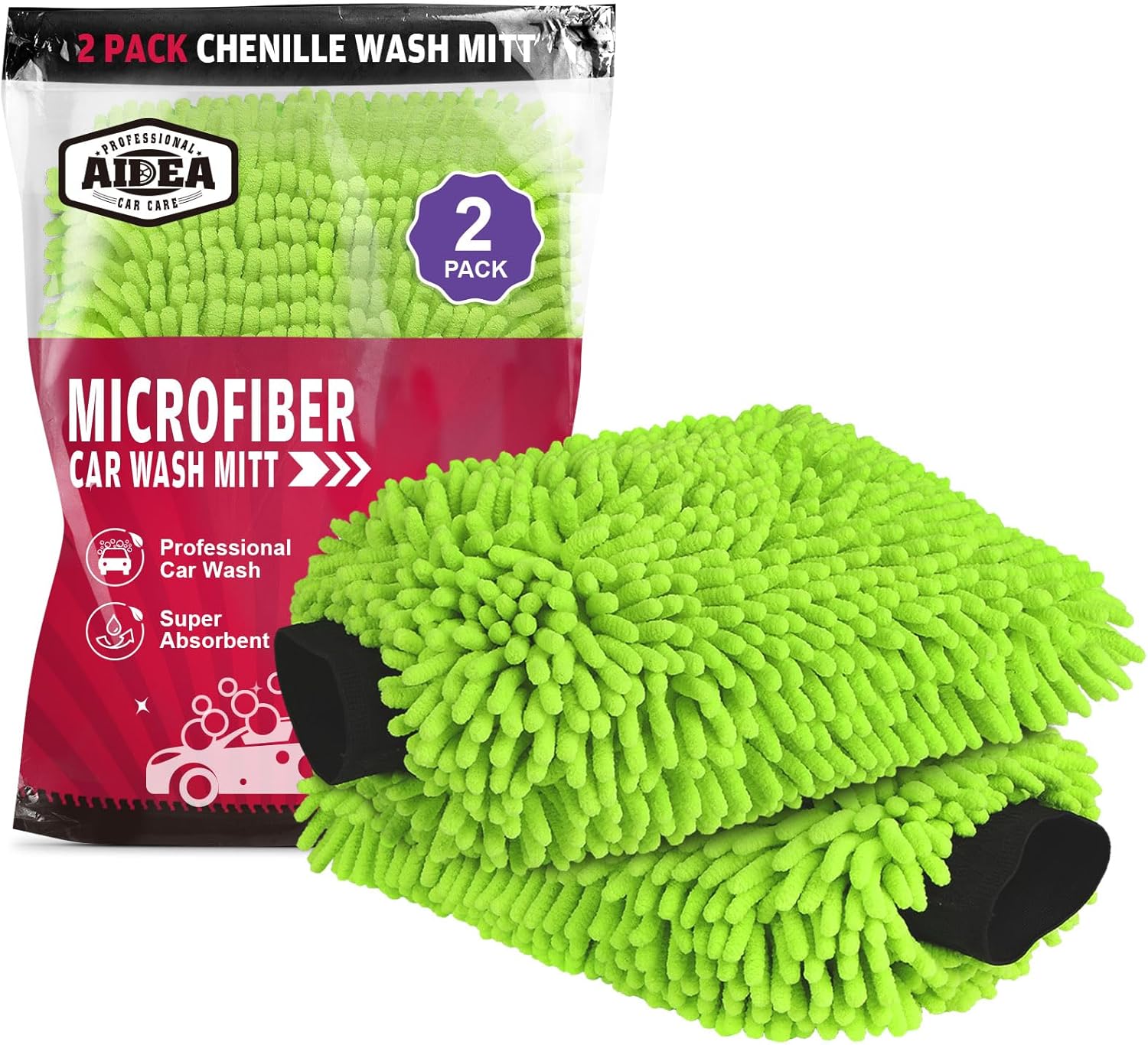
- Keep a small towel or microfiber cloth in the car for foggy glass and wet trim.
- After heavy rain, check the floor mats and trunk for moisture.
- If you park outside, inspect door seals and weather stripping more often.
- Keep a simple log of what you checked so you can spot patterns over time.
You notice brake changes, dashboard warning lights, repeated battery issues, water inside the cabin, or signs that floodwater reached sensitive parts of the car. Those are good reasons to get a professional inspection instead of guessing.
Rainy Season Maintenance Schedule: Weekly, Monthly, and Seasonal Checklist
Weekly rainy-season checklist
- Check tire pressure and visible tread wear
- Test wipers and washer fluid
- Make sure headlights, brake lights, and indicators work
- Look for standing water or damp spots inside the car or around the property
Monthly rainy-season checklist
- Inspect brakes for noise, pull, or softness
- Clean drains, gutters, and water channels
- Check battery health and terminal condition
- Inspect seals, weather stripping, and underbody areas
Pre-season checklist before the rains begin
- Replace worn wiper blades
- Top up washer fluid
- Check tire tread depth and pressure
- Inspect roof, gutters, drains, and door seals
- Make sure emergency gear is ready
Post-season checklist after the rainy months end
- Look for rust, corrosion, or paint damage
- Dry and clean carpets, mats, and storage areas
- Check for hidden leaks or moldy smells
- Review what wore out fastest so you can plan next season better
Cost of Doing Rainy Season Maintenance on the Right Schedule
Low-cost DIY items you should replace regularly
Some rainy-season items are cheap and worth keeping fresh. Wiper blades, washer fluid, microfiber towels, and basic drain cleaning supplies are all low-cost examples.
These small purchases often make a big difference in visibility and cleanliness.
Mid-range preventive services worth budgeting for
Tire inspections, brake checks, battery testing, and seal inspections usually sit in the middle. They are not flashy, but they help prevent larger issues.
These are the kinds of services I’d budget for at least once or twice during a long rainy season.
When delayed maintenance becomes expensive repairs
Skipping maintenance can lead to bigger bills. Water damage, rust repair, electrical faults, and brake problems tend to cost far more than routine checks.
That is why the right schedule is usually cheaper than waiting until something fails.
How often to budget for professional inspections
For most drivers, a professional inspection once or twice a year is a good baseline, with extra visits if you drive in heavy rain, flood-prone areas, or rough conditions. If you notice a problem, do not wait for the next planned service.
For home maintenance, I’d budget for a seasonal inspection before the rains and another after the wet season if your area gets strong storms.
The right rainy-season schedule is not about doing everything constantly. It is about checking the most important items often enough to stay safe and catch water-related damage early. For most people, that means weekly basics in heavy rain, monthly full checks, and deeper protection every few months.
Frequently Asked Questions
I’d check the basics weekly during heavy rain and do a fuller inspection once a month. That gives you a good balance of safety and convenience.
Not always. Replace them when they streak, skip, or make noise. Some blades last longer, while others wear out faster depending on sun, heat, and use.
At least once a month, and more often if temperatures change a lot or you drive daily. Proper pressure helps with grip, braking, and tire wear.
Check brakes, tires, lights, fluids, and the cabin for water. If the vehicle was in deep water, a professional inspection is a smart idea.
I’d check it at the start of the rainy season, then after major storms and any time you notice pooling, overflow, or damp spots.
It does not have to be. Most of the useful tasks are low-cost or moderate-cost, and they can help you avoid much bigger repair bills later.
- Weekly checks make sense during heavy rain or monsoon conditions.
- Monthly inspections are enough for many mild or short rainy seasons.
- Deep protection and professional services usually fit a 3- to 6-month cycle.
- After storms or floodwater, inspect sooner rather than later.
- Safety, moisture control, and rust prevention are the biggest goals.