Car seat covers typically last between 3 to 5 years, depending on material, usage, and care. Knowing when to replace them ensures comfort, safety, and a clean interior—this guide walks you through everything you need to know.
Quick Answers to Common Questions
Tip/Question?
Can I wash my car seat covers in the washing machine?
Only if the manufacturer says it’s safe. Most fabric covers can be hand-washed or spot-cleaned, but machine washing may shrink or damage them.
Tip/Question?
Do seat covers affect airbag deployment?
Yes, if they’re not designed for your car or block the airbag seams. Always choose covers labeled “airbag-compatible” or “side-airbag safe.”
Tip/Question?
Are leather seat covers worth the cost?
They’re more durable and easier to clean than fabric, making them a great long-term investment—especially if you live in a hot climate.
Tip/Question?
How often should I clean my seat covers?
Vacuum weekly and deep clean every 1–2 months, or immediately after spills. Regular maintenance prevents buildup and extends lifespan.
Tip/Question?
Can I install seat covers myself?
Yes! Most covers come with instructions and tools. Take your time to ensure a snug, secure fit—especially around headrests and seat belts.
How Long Do Car Seat Covers Last and When to Replace Them
If you’ve ever wondered, “How long do car seat covers last?” you’re not alone. Whether you’re protecting your original upholstery or refreshing your car’s interior, seat covers are a smart investment. But like any car accessory, they don’t last forever. Understanding their lifespan and knowing when to replace them can save you money, keep your car looking great, and even improve safety.
In this guide, we’ll break down the average lifespan of car seat covers, the factors that affect durability, clear signs it’s time for a replacement, and practical tips to make them last longer. Whether you drive daily, have kids and pets, or just want to keep your car clean, this guide has you covered—literally.
What Affects the Lifespan of Car Seat Covers?
Not all seat covers are created equal. Several factors influence how long they’ll last before showing wear or needing replacement.
Material Quality
The material is the biggest factor. Cheap polyester or thin fabric covers may start fraying or fading within a year. In contrast, high-quality materials like:
- Neoprene: Water-resistant, durable, and great for active lifestyles. Lasts 5+ years with care.
- Leather or faux leather: Sleek and easy to clean. Can last 5–7 years if conditioned regularly.
- Canvas or heavy-duty fabric: Ideal for trucks and SUVs. Resists tears and stains well.
- Velour or microfiber: Soft and comfortable but prone to pilling and staining over time.
Always check the material before buying. A higher price often means better durability.
Frequency of Use
If you drive every day—especially for long commutes—your seat covers will wear faster. Frequent sitting, adjusting, and getting in and out of the car create friction that breaks down fabric over time. Families with children or pet owners should expect shorter lifespans due to spills, scratches, and extra movement.
Climate and Environment
Extreme temperatures take a toll. In hot climates, UV rays can fade colors and dry out materials, causing cracks—especially in leather or vinyl. In cold regions, repeated freezing and thawing can make fabrics brittle. Parking in a garage or using sunshades helps protect covers from sun damage.
Cleaning and Maintenance
How you care for your seat covers matters. Covers that are rarely cleaned accumulate dirt, oils, and bacteria, which weaken fibers. On the flip side, over-washing or using harsh chemicals can strip protective coatings and cause premature aging. Always follow the manufacturer’s care instructions.
Installation Quality
Poorly fitted covers can shift, bunch, or rub against the seat, leading to tears and uneven wear. Make sure your covers are designed for your specific car model and installed correctly. Many modern covers use hooks, straps, or elastic bands to stay secure.
Average Lifespan by Material
Here’s a quick breakdown of how long different types of seat covers typically last:
- Basic polyester or universal-fit covers: 1–3 years
- Microfiber or velour: 2–4 years
- Neoprene (wetsuit material): 4–6 years
- Faux leather or vinyl: 3–5 years
- Genuine leather: 5–7+ years (with proper conditioning)
- Heavy-duty canvas or ballistic nylon: 5+ years
Keep in mind, these are estimates. Your actual experience may vary based on usage and care.
Signs It’s Time to Replace Your Car Seat Covers
Even the best seat covers won’t last forever. Here are the top warning signs that it’s time for a replacement.
Visible Wear and Tear
Look for:
- Thinning fabric or holes
- Frayed edges or seams coming apart
- Stitching that’s unraveling
These issues not only look bad but can also expose your original seats to damage.
Fading or Discoloration
Sun exposure and frequent cleaning can fade colors over time. While minor fading is cosmetic, severe discoloration may indicate weakened fibers. If your once-vibrant covers now look dull and patchy, it’s a sign they’ve reached the end of their life.
Loss of Fit or Elasticity
Over time, elastic straps and stretchy materials can lose their grip. If your covers are constantly slipping, bunching, or not staying in place, they’re no longer doing their job. A loose cover can also interfere with seat belts or airbags.
Stains That Won’t Come Out
Some stains—like oil, coffee, or pet accidents—can penetrate deep into fabric. If you’ve tried multiple cleaning methods and the stain remains, it’s likely time to replace the cover. Persistent odors are another red flag.
Cracking or Peeling (Especially on Leather or Vinyl)
Leather and faux leather covers can dry out and crack, especially in hot climates. Once the surface starts peeling, it’s nearly impossible to repair. Cracked covers also look unprofessional and can snag clothing.
Reduced Comfort
If your seat covers feel rough, lumpy, or less supportive than before, they may have lost their cushioning or padding. This affects your driving comfort, especially on long trips.
How to Extend the Life of Your Car Seat Covers
Want to get the most out of your investment? Follow these practical tips to make your seat covers last longer.
Clean Regularly—But Gently
Vacuum your covers weekly to remove dust and crumbs. For deeper cleaning:
- Use a mild soap and water solution for fabric covers.
- Avoid bleach or ammonia-based cleaners—they can damage fibers.
- For leather, use a pH-balanced leather cleaner and conditioner every 3–6 months.
- Always air-dry covers completely before reinstalling.
Never soak fabric covers or put them in a washing machine unless the manufacturer says it’s safe.
Use Seat Protectors for Kids and Pets
If you have children or pets, consider using additional seat protectors or booster seat covers. These act as a barrier against spills, scratches, and messes, preserving your main seat covers.
Park in the Shade or Use Sunshades
UV rays are one of the biggest enemies of seat covers. Whenever possible, park in a garage or under cover. If that’s not an option, use a windshield sunshade to reduce heat and sunlight inside the car.
Rotate or Flip Covers (If Possible)
Some covers are reversible or designed to be rotated. This helps distribute wear evenly and can add months—or even years—to their life.
Avoid Sharp Objects
Keys, belts with metal buckles, and pet claws can snag or tear fabric. Be mindful when getting in and out of the car, and consider using seat belt covers or protective pads.
Reinforce Loose Areas
If you notice a seam starting to come apart, use fabric glue or a needle and thread to reinforce it before it gets worse. Catching small issues early prevents bigger problems.
Troubleshooting Common Seat Cover Problems
Even with the best care, issues can arise. Here’s how to handle common problems.
Problem: Covers Keep Slipping
Solution: Check that all straps, hooks, and anchors are securely fastened. If the cover is too loose, consider getting a custom-fit model designed for your vehicle. You can also use non-slip seat cover pads underneath for extra grip.
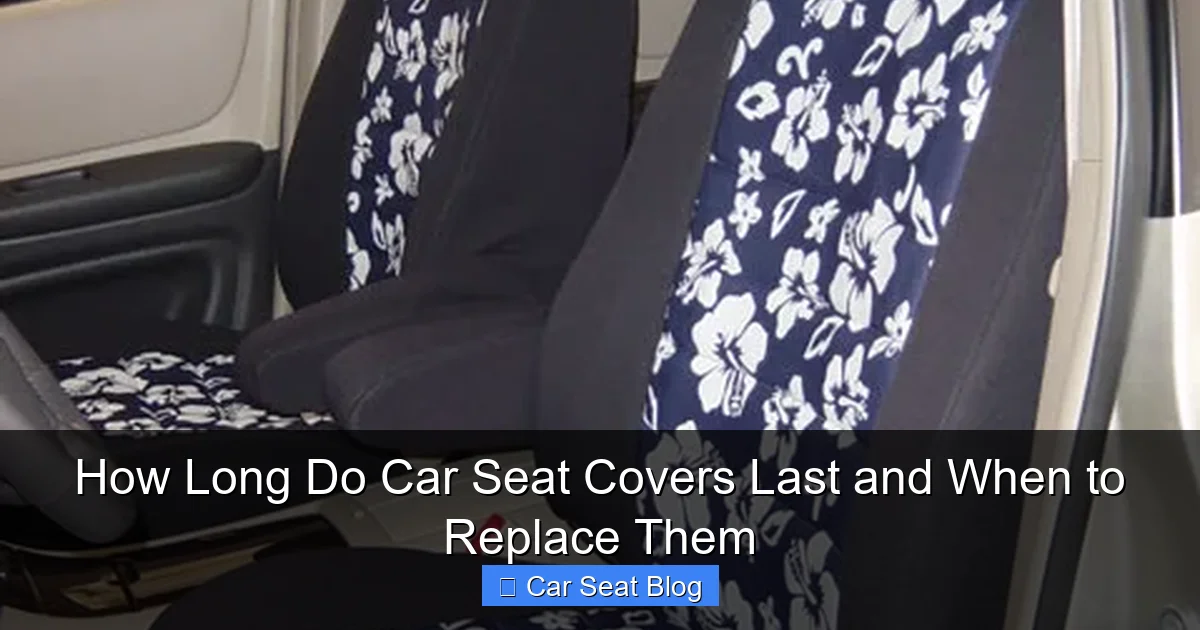
Visual guide about How Long Do Car Seat Covers Last and When to Replace Them
Image source: wetokole.com
Problem: Foul Odors
Solution: Sprinkle baking soda on the covers, let it sit for a few hours, then vacuum it up. For persistent smells, use an enzyme-based cleaner designed for pet or organic odors. Avoid air fresheners—they mask smells but don’t eliminate them.
Problem: Stiff or Cracked Leather
Solution: Apply a leather conditioner to restore moisture. Do this every few months in dry or hot climates. If the cracking is severe, replacement is the safest option.
Problem: Water Stains or Mold
Solution: Blot spills immediately—don’t rub. Use a mixture of vinegar and water (1:1) to clean mildew, then dry thoroughly. Ensure the seat is completely dry before reinstalling the cover to prevent mold growth.
When to Replace vs. Repair
Not every issue means you need new covers. Minor tears, loose straps, or small stains can often be fixed. But if the damage is widespread, the material is degrading, or the cover no longer fits properly, replacement is the better choice.
Ask yourself:
- Is the cover still protecting the original seat?
- Does it look presentable?
- Is it safe and secure?
If you answered “no” to any of these, it’s time for an upgrade.
Conclusion
So, how long do car seat covers last? On average, 3 to 5 years is a realistic expectation, but with the right care, some can last much longer. The key is choosing quality materials, maintaining them properly, and knowing when to let go.
Replacing worn seat covers isn’t just about aesthetics—it’s about protecting your car’s value, ensuring comfort, and maintaining safety. Whether you drive a compact sedan or a rugged SUV, taking care of your seat covers pays off in the long run.
Invest in a good set, follow the care tips in this guide, and your car’s interior will stay fresh, clean, and stylish for years to come.

