How Long Can You Listen to a Car Stereo Without Draining the Battery?
With the engine off, most cars can power a stereo for 1 to 4 hours before the battery gets dangerously low. A healthy full-charged 12V car battery gives you roughly 2 hours at moderate volume. After that, you risk not being able to start your car. Factors like battery age, stereo wattage, and temperature all affect how long you actually get.
I’ve been parked at a lakeside more times than I can count, music playing, engine off. And I’ve killed a battery doing exactly that — twice. So I decided to actually figure out how long is safe.
In this article, I’ll break it all down for you. No fluff. Just the real math and practical tips so you never get stranded.
Why Does the Car Stereo Drain the Battery?
Your car battery has one main job: start the engine. It sends a huge burst of power to the starter motor. After that, the alternator takes over and recharges the battery while you drive.
When the engine is off, the alternator isn’t running. So anything that uses electricity — including your stereo — pulls straight from the battery. No recharging happening at all.
The stereo is what’s called a parasitic load. It’s slowly emptying the battery the whole time it plays.
Your car always has a small parasitic draw even when everything is off — from the clock, alarm system, and ECU memory. This usually pulls less than 50 milliamps. A running stereo pulls 10 to 20 times more than that.
How to Calculate How Long Your Battery Will Last
Let me show you the basic math. It’s easier than it sounds.
-
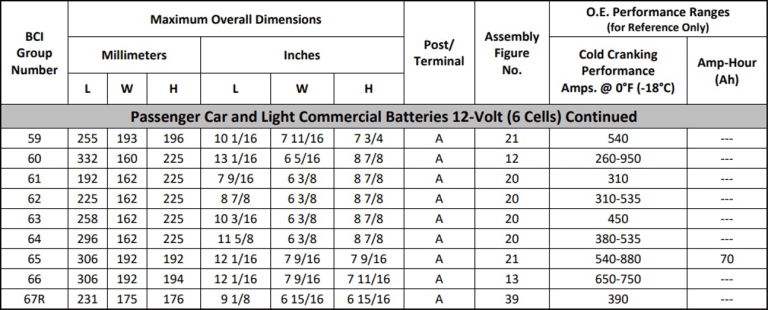
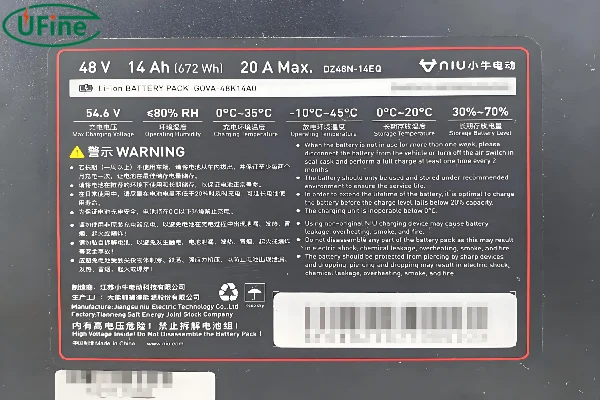
Find your battery’s capacity (Ah). Check the label on your battery or your owner’s manual. Most standard batteries are between 45 Ah and 75 Ah. A common mid-size car has around 50–60 Ah.
-
Find your stereo’s current draw (amps). A factory head unit typically draws 5–10 amps at moderate volume. An aftermarket system with an amplifier can draw 20–40 amps or more.
-
Never drain below 50%. Going below half charge damages the battery and risks a no-start situation. So use only half your Ah capacity as your budget.
-
Divide usable Ah by amps drawn. That gives you hours of safe listening time.
Example Calculation
Say you have a 60 Ah battery and a factory stereo pulling 8 amps:
- Usable capacity: 60 Ah × 50% = 30 Ah
- Time = 30 Ah ÷ 8A = 3.75 hours
But here’s the catch — batteries don’t deliver 100% efficiency. And age matters a lot. A 3-year-old battery might only have 70–80% of its rated capacity left. So in real life, you’re often looking at 2 to 2.5 hours for that same setup.
How Long Can You Realistically Listen? (By Setup Type)
Different setups pull very different amounts of power. Here’s a breakdown of what I’ve seen in practice:
| Setup Type | Est. Current Draw | Safe Listening Time* | Risk Level |
|---|---|---|---|
| Factory head unit only (low volume) | 3–5 amps | 3–5 hours | 🟢 Low |
| Factory head unit (moderate volume) | 5–10 amps | 2–3 hours | 🟡 Moderate |
| Aftermarket head unit, no amp | 8–15 amps | 1.5–2.5 hours | 🟡 Moderate |
| Head unit + small amp (250W) | 20–30 amps | 45 min–1.5 hours | 🔴 High |
| Full aftermarket system + subwoofer | 40–80+ amps | 20–45 minutes | 🔴 Very High |
*Estimates based on a healthy 60 Ah battery at 50% usable capacity. Actual results will vary.
If you have a boosted aftermarket audio system with a powerful amplifier and subwoofer, you can drain a healthy battery in under 30 minutes. Always factor in your full system draw, not just the head unit.
What Factors Change the Answer?
The math is a starting point. But real-world battery life depends on a lot more than just amps. Here’s what actually changes things:
1. Battery Age and Health
Car batteries last about 3–5 years. After that, they hold less charge and discharge faster. An old battery rated at 60 Ah might only deliver 40 Ah in practice. That cuts your listening time significantly.
2. Temperature
Cold weather is brutal for batteries. At 32°F (0°C), a battery can lose up to 35% of its effective capacity. That means a 2-hour session in summer might only last 80 minutes in winter. This surprised me the first time I experienced it.
3. Volume Level
Louder music = more power draw. Turning your stereo from 50% volume to 80% volume can nearly double the current draw. Keep it moderate if you want to stretch your time.
4. Extra Accessories Running
Are you also running the AC blower, interior lights, phone charger, or dash cam? Every accessory adds to the drain. They all eat from the same battery budget.
5. Battery State of Charge at the Start
If your battery was already low when you parked — say after a lot of short trips — you have much less usable capacity to begin with. A partially discharged battery gives you far less listening time.
Before a long listening session with the engine off, try to drive for at least 20–30 minutes first. This lets the alternator fully charge the battery before you start draining it.
Signs Your Battery Is Getting Too Low
It’s not always easy to tell when you’re pushing it too far. Here are the warning signs I’ve learned to watch for:
- Audio cuts out or distorts — Volume drops or the sound gets scratchy
- Interior lights dim — Dome lights or dash lights look noticeably weaker
- Stereo turns off automatically — Some head units have a low-voltage cutoff
- Engine turns over slowly when you try to start — That labored cranking sound is a red flag
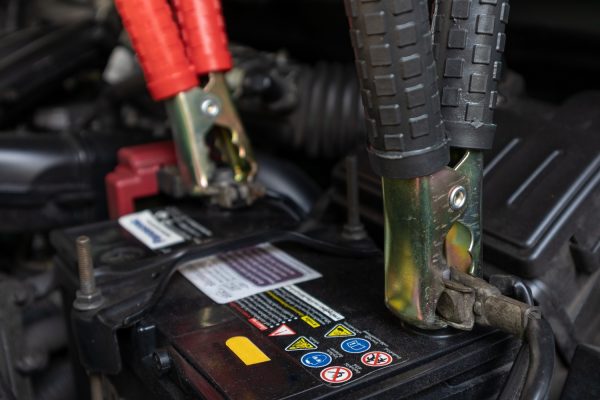
- Engine won’t start at all — Too late. You’re calling for a jump start
The moment you notice dimming lights, stop the stereo and try to start the car right away. Don’t wait.
How to Listen Longer Without Killing Your Battery
I’ve tested a few approaches over the years. These are the ones that actually work:
Start the Engine Every Hour or So
Run the engine for 5–10 minutes for every hour of audio. This gives the alternator time to put charge back in. It’s the simplest and most reliable method.
Use a Secondary Battery or Battery Box
A deep cycle auxiliary battery is designed for exactly this kind of use. It handles repeated discharge cycles without the damage that does to a regular starter battery. Tailgaters and campers swear by them.
Lower the Volume
I know it sounds obvious. But dropping from max to 60% volume can cut your amp draw in half. Your ears and your battery will thank you.
Turn Off Everything Else
Kill the AC fan, unplug phone chargers, turn off interior lights. Every amp you save is more listening time.
Keep Your Battery in Good Shape
A healthy, fully charged battery is your biggest advantage. Check yours with a battery tester or have it load-tested at an auto parts store — usually for free. Resources like the Car and Driver battery guide and the team at Consumer Reports car batteries section are great places to learn more about battery health and ratings.
What Happens If You Drain the Battery Too Deep?
This is where things get expensive. Most car batteries are starter batteries, also called SLI batteries (Starting, Lighting, Ignition). They’re not designed for deep discharge cycles.
If you regularly drain a starter battery below 20–30%, you degrade its internal plates. Over time, the battery holds less and less charge. A battery that used to last 5 years might fail in 2.
One accidental deep drain usually isn’t fatal. But repeated deep discharges will shorten the battery’s lifespan considerably.
Deep cycle batteries — like those used in RVs, boats, and marine applications — are specifically built to handle repeated deep discharges. If you frequently listen to music with the engine off, a secondary deep cycle battery wired into your system is worth every penny. The NHTSA also provides safety guidance on vehicle electrical systems worth reviewing.
A Real-World Example From My Own Experience
A few summers ago, I parked at a friend’s backyard bonfire. I left my car stereo running — factory head unit, decent speakers, moderate volume. After about 2.5 hours, the car cranked slowly but started. Close call.
The next time, I ran the engine for 10 minutes at the 1.5-hour mark. Car started fine after 4 hours total. Simple fix, big difference.
Now I set a phone timer when I’m doing this. No more guessing.
Quick Reference: Safe Listening Times by Battery Size
| Battery Size (Ah) | Common Vehicle Type | Safe Time (Factory Stereo) | Safe Time (Amp System) |
|---|---|---|---|
| 35–45 Ah | Small cars, compact sedans | ~1.5–2 hours | ~20–40 min |
| 50–60 Ah | Mid-size sedans, small SUVs | ~2–3 hours | ~30–60 min |
| 70–80 Ah | Full-size sedans, large SUVs | ~3–4 hours | ~45–90 min |
| 90–100 Ah | Trucks, large SUVs, vans | ~4–5 hours | ~1–2 hours |
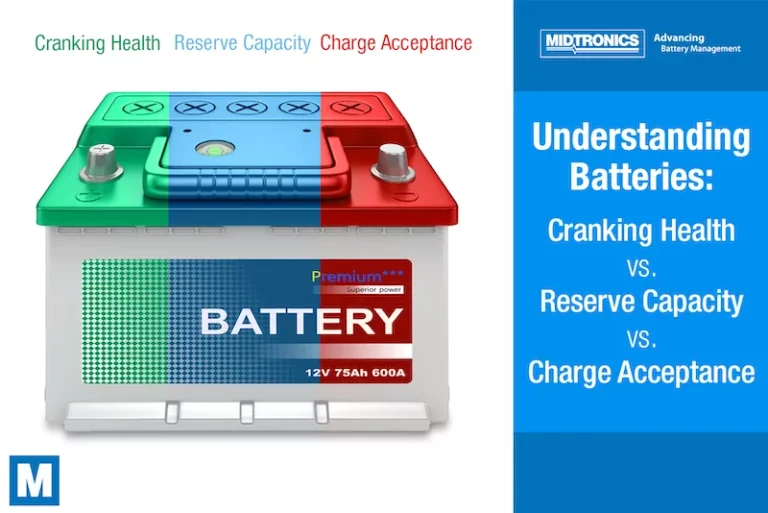
Not sure of your battery’s amp-hour rating? Pop the hood and look at the label on the battery case. It’s usually printed as “CCA” (Cold Cranking Amps) and “RC” (Reserve Capacity). You can convert RC to Ah using: Ah ≈ RC × 0.4. For example, RC 120 = approximately 48 Ah.
Common Mistakes People Make
- Assuming a “new-ish” battery is fully charged — A battery that’s only a year old can still be at 60% charge after multiple short trips.
- Ignoring temperature — Playing music in a cold parking lot in January is much riskier than doing the same on a warm summer evening.
- Forgetting other accessories are running — USB chargers, LED light strips, and even the fan on low can add 5–10 amps of extra drain.
- Not noticing the warning signs — By the time the music distorts or the lights dim, you may only have minutes before a no-start.
- Relying on a battery that’s already due for replacement — If your battery is 4+ years old, all bets are off. Get it tested before you count on it.
Frequently Asked Questions
🏁 Final Takeaway
Here’s what I want you to walk away with:
- With a healthy battery and a factory stereo, 2 hours is a safe target. Push it to 3 with care.
- Aftermarket amps and subs cut that time dramatically — sometimes to under 30 minutes.
- Battery age and cold weather make everything worse. Always account for them.
- The simplest fix: run the engine for 5–10 minutes every 60–90 minutes to let the alternator top things up.
- If you regularly listen with the engine off, a secondary deep cycle battery is the best investment you can make.
Don’t get stranded. A little awareness goes a long way.