Does Car Stereo Drain Battery? Here’s the Honest Answer
Yes, a car stereo can drain your battery — but whether it actually does depends on how it’s wired, whether the engine is running, and the condition of your electrical system. A stereo left on without the engine running will drain even a healthy battery in a few hours. Poor installation, parasitic draw from amplifiers, and aging batteries make the problem significantly worse.
I’ve spent years working on car audio systems — everything from basic head unit swaps to full custom builds with multiple amplifiers and subwoofers. And one of the most common questions I hear from people, especially those new to car audio, is whether a car stereo can actually kill your battery.
The short answer is yes. But the full picture is a bit more nuanced. Whether your stereo is the actual culprit depends on a few things — how it’s wired, what accessories are connected to it, how old your battery is, and whether your alternator is keeping up with the electrical demand.
Let me walk you through exactly how this works, when to worry, and how to fix it.
How a Car Stereo Uses Electrical Power
Your car’s electrical system runs on a 12-volt DC circuit. The battery provides power to start the car and run accessories when the engine is off. Once the engine is running, your alternator takes over and recharges the battery while powering everything else.
A car stereo draws current from two main wires:
- Constant 12V wire (yellow): Always live, even with the ignition off. This keeps your settings, clock, and presets saved.
- Accessory wire (red): Only live when the ignition is in the “accessory” or “on” position. This is what powers the stereo for normal use.
Most factory and aftermarket stereos are designed to draw only a tiny amount of current from the constant wire — usually under 5 milliamps — just to maintain memory. That’s completely normal and won’t drain your battery in any meaningful way over days or weeks.
The problem happens when something draws significantly more current than it should, or when the stereo (or its accessories) is left on without the engine running long enough to deplete the battery.
Can a Car Stereo Drain a Battery While Parked?
Yes — and this is one of the most common scenarios I see. If you leave your stereo on in accessory mode (key turned partway, not starting the engine), the alternator isn’t running. The battery is the only power source. A typical factory stereo will pull somewhere between 5 and 15 amps in active use. An aftermarket system with an amplifier can pull 20, 30, even 50+ amps depending on the setup.
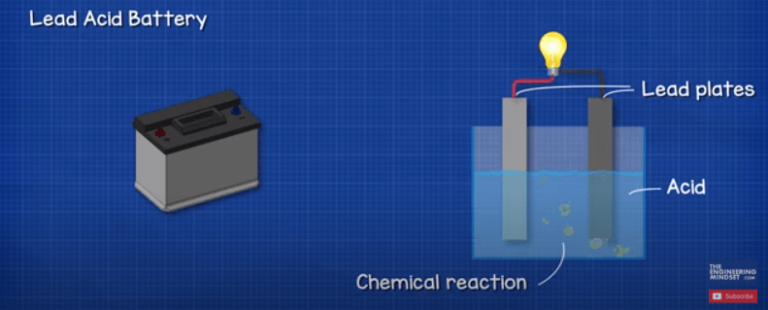
Most car batteries have a capacity of around 45–75 amp-hours. At 10 amps of draw, you’d theoretically flatten a 50Ah battery in about 5 hours. But real-world batteries are rarely at full charge, and you actually can’t use 100% of a lead-acid battery’s capacity without damaging it. In practice, you might get 2–3 hours before a no-start situation.
Running your stereo in accessory mode for more than 30–45 minutes with the engine off is risky if your battery is older than 3 years or hasn’t been tested recently. A battery that reads “good” on a meter may still fail under load faster than expected.
Parasitic Battery Drain: The Hidden Threat
This is where things get interesting — and where I’ve seen the most frustration from car owners. Parasitic drain is when a component keeps drawing current even after the ignition is off and everything appears to be shut down.
A properly installed car stereo shouldn’t cause parasitic drain beyond a few milliamps. But several installation mistakes or component failures can cause abnormally high drain:
Common Causes of Stereo-Related Parasitic Drain
Amplifier Wired Directly to Battery
If an amp’s remote turn-on wire isn’t connected properly, it may stay on after the engine is off, drawing 0.5–5 amps constantly.
Faulty Head Unit
Some aftermarket head units have internal faults or firmware issues that cause them to draw excessive current even in standby mode.
DSP or Signal Processor
Digital signal processors and equalizers wired directly to a constant 12V source without a proper remote trigger can stay active indefinitely.
Incorrect Wiring Harness
Using the wrong wiring adapter or crossing the constant and accessory wires is a classic DIY install mistake that causes overnight battery death.
I once helped a friend diagnose a mysterious dead battery issue on his truck. Turned out his installer had wired the amplifier’s power directly to the battery (correct) but had connected the remote turn-on wire to the constant 12V instead of the head unit’s remote output. The amp was running all night, every night. Replaced the wiring and the problem vanished completely.
To check for parasitic drain, use a multimeter set to DC amps in series with the negative battery terminal (with all doors shut and the car in sleep mode for about 10 minutes). Normal draw should be under 50 milliamps total for the entire vehicle. Anything over 100mA warrants investigation.
Does the Engine Running Make a Difference?
Absolutely. When the engine is running, your alternator produces 13.5–14.8 volts and handles most of the electrical load — including the stereo. The battery is essentially being charged while you listen. Under normal driving conditions with a healthy alternator, the stereo won’t drain the battery at all.
The exception is very high-powered audio systems. A serious competition-level audio setup with multiple amplifiers rated at 1,000+ watts can demand more current than a stock alternator can supply. In these cases, the alternator can’t keep up with the load at idle, and the system slowly pulls the battery voltage down. This is why high-power builds often require a high-output alternator (like a 250A or 320A unit) and sometimes multiple batteries or capacitors.
| System Type | Est. Power Draw | Engine Off Risk | Engine On Risk |
|---|---|---|---|
| Factory / OEM stereo | 5–15A | Moderate after 2+ hrs | Very Low |
| Aftermarket head unit only | 5–15A | Moderate after 2+ hrs | Very Low |
| Head unit + 1 small amp (300W) | 25–40A | High after 45–60 min | Low (stock alternator handles) |
| Full system (1000W+ total) | 80–150A | Very High (15–30 min) | Moderate (may need upgrade) |
| Competition SPL build (2000W+) | 200A+ | Extremely High | High (stock alternator inadequate) |
How Battery Age and Condition Play a Role
Here’s something a lot of people overlook: the stereo might not be the primary problem. An old or weak battery simply can’t hold a charge as effectively as it used to. So a perfectly normal stereo draw that your battery handled fine for three years suddenly causes a no-start after year four.
Most automotive lead-acid batteries last 3–5 years under normal conditions. In hot climates — like the American South or Southwest — heat degrades batteries faster, often reducing useful life to 2–3 years. Cold weather, like in the Northeast or Midwest winters, stresses weak batteries hard at startup.
- Have your battery load-tested (not just voltage-tested) if it’s over 3 years old
- A battery sitting at 12.4V at rest may test “good” but fail under the load of a stereo and HVAC blower simultaneously
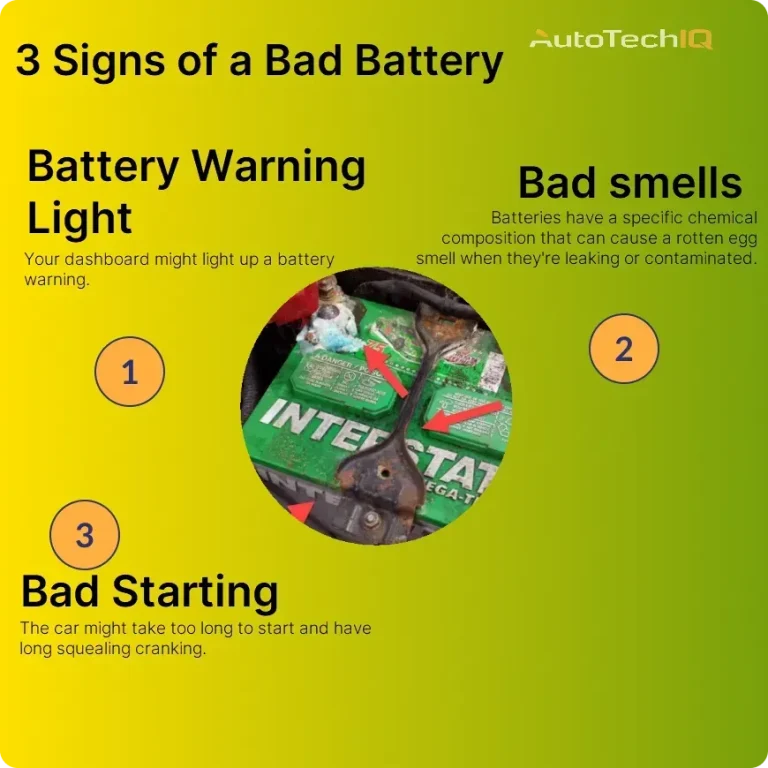
- Slow cranking combined with audio issues is often a battery telling you it’s near the end
- Corroded battery terminals increase resistance and mimic a bad battery — clean them before replacing
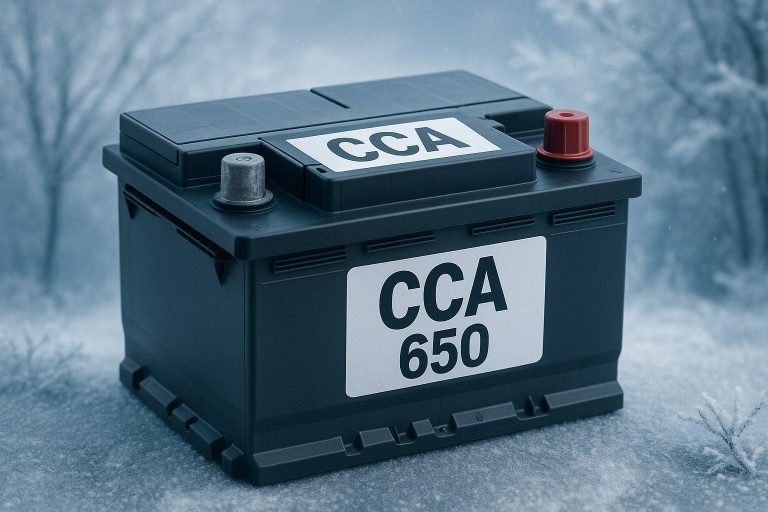
A quality battery load tester applies a controlled load (usually half the battery’s CCA rating) for 15 seconds and checks how well the voltage holds up. This is far more reliable than a simple resting voltage check. AutoZone, O’Reilly, and most advance auto parts stores will do this test for free.
Signs Your Stereo May Be Draining Your Battery
Not all battery drain looks the same. Here are the patterns that suggest your audio system might be the culprit:
⚠ Warning Signs
- Battery dies overnight with no other explanation
- Car won’t start after listening to music with engine off
- Battery dies faster than usual after new stereo install
- Amp or subwoofer stays warm after ignition off
- Stereo clock/presets reset every time you start the car
- Headlights dim noticeably when bass hits
✅ Normal Behavior
- Stereo remembers settings after a few days parked
- Battery holds charge for 2+ weeks without driving
- No dimming on moderate volume at highway speed
- Clean, stable power with engine running
- Amp is cool to the touch 10 min after shutting off
- Battery tests good and is under 4 years old
How to Prevent Your Stereo From Draining the Battery
1. Make Sure It’s Wired Correctly
This is the single biggest factor. If you’ve had an aftermarket install done, verify that the remote turn-on wire from any amplifier is connected to the head unit’s remote output or a keyed 12V source — not to the constant 12V wire. A shop that rushes installations sometimes makes this exact mistake.
2. Don’t Listen Long With the Engine Off
If you’re sitting in a parking lot or tailgating, keep sessions to under 20–30 minutes on a healthy battery, and shorter on older batteries. If you do it regularly, consider a dedicated marine or AGM battery known for deeper discharge recovery.
3. Upgrade if Your System Demands It
High-powered systems need electrical support. This usually means a higher-output alternator, a secondary battery (often an AGM in the trunk), and proper big-three wiring upgrades — replacing the ground, ground-to-chassis, and alternator-to-battery cables with 1/0 or 4-gauge wire. According to Car Audio Forum, the big-three upgrade alone can meaningfully stabilize voltage in high-demand setups.
4. Install a Battery Cutoff or Smart Battery Switch
If your vehicle sits for extended periods — weekends, long trips, seasonal storage — a battery disconnect switch is a cheap way to prevent any parasitic drain from the entire electrical system, including the stereo. Many RV and boat owners swear by them for exactly this reason.
5. Use a Battery Maintainer for Long-Term Parking
A quality float charger or battery maintainer (like those from NOCO or Battery Tender) can keep your battery topped off during storage. These are not fast chargers — they deliver a trickle of current to offset any standby drain. The National Highway Traffic Safety Administration consistently cites battery failure as a top vehicle issue, and proactive maintenance goes a long way.
Proper wiring is 80% of the battle. A correctly installed car stereo — even with amplifiers — should not cause any meaningful battery drain during normal driving. Problems almost always trace back to installation mistakes, a failing battery, or an underpowered electrical system struggling to keep up with a big audio build.
What About Bluetooth and Standby Features?
Modern head units often have always-on Bluetooth, Wi-Fi, or app connectivity features that draw constant current. Some Android Auto and CarPlay-integrated head units can draw 20–50mA even in standby. That’s higher than traditional units but still well within acceptable limits for most batteries over days or weeks.
Where it becomes an issue is if you park your car for 2–3 weeks. Over that time, even a 20mA parasitic draw adds up to nearly a full amp-hour per day — enough to noticeably deplete an older battery by the time you return. If you’re leaving a car stored for extended periods, disconnect the negative battery terminal or use a maintainer.
For more detailed information on automotive electrical system standards, the SAE International publishes widely-referenced technical standards on vehicle electrical systems and battery performance used across the industry.
Aftermarket vs. Factory Stereos: Does It Matter?
Factory stereos are engineered specifically for the vehicle’s electrical system. They’re tested to draw within the alternator and battery’s capacity under the expected load of that vehicle. Aftermarket head units are generally comparable in draw — often 5–15A at moderate volume.
The real difference comes with aftermarket amplifiers. Those fundamentally change the electrical demand of the system. A factory stereo with a factory amp (like Bose or Harman Kardon systems found in many GM, Ford, and Audi vehicles) is a closed, balanced system. Swapping in an aftermarket amp without properly accounting for the new load — or worse, leaving the factory amp in the circuit alongside the new one — can cause all kinds of electrical headaches.
If your vehicle has a factory premium sound system (Bose, JBL, Bang & Olufsen, etc.), always use a line output converter (LOC) when adding an aftermarket amp, and research whether your specific vehicle requires a DSP integration kit. These systems use non-standard speaker impedance and signal levels that can damage amplifiers if bypassed improperly. Resources like Crutchfield’s vehicle fit guide are genuinely useful for this.
Frequently Asked Questions
Final Thoughts
So, does a car stereo drain the battery? It can — but whether it does comes down to how it’s installed, how you use it, and the condition of your electrical system. A properly wired system used with the engine running is essentially a non-issue for most drivers. Problems start when you’re listening parked for long stretches, when installation shortcuts lead to components that don’t properly shut off, or when your battery is aging and can’t handle what it used to.
My advice: if you’ve had a new system installed and you’re suddenly having battery issues, start with the wiring before blaming the battery. Check that remote wire. Measure the parasitic draw. And if your battery is 4+ years old, test it under load regardless — it may simply be ready for replacement regardless of the stereo situation.
Get both right, and you’ll have a system that sounds great and starts reliably every single time.