
Yes, you can safely use car seat covers on heated seats—if you choose the right materials and follow proper installation steps. This guide walks you through selecting heat-safe fabrics, avoiding damage to heating elements, and ensuring comfort and safety all winter long.
Quick Answers to Common Questions
Tip/Question?
Can I use universal seat covers on heated seats?
Only if they’re made from thin, breathable materials and don’t require cutting or adhesives. Custom-fit covers are always safer and more effective.
Tip/Question?
Do seat covers reduce heating efficiency?
Yes, especially if they’re thick or non-breathable. Opt for lightweight, heat-conductive fabrics to minimize any loss in performance.
Tip/Question?
Are leather seat covers safe for heated seats?
Genuine or high-quality synthetic leather can work if it’s thin and perforated. Avoid thick, solid leather that traps heat.
Tip/Question?
Can I wash my seat covers in the machine?
Check the label first. Many are machine-washable on gentle cycles, but avoid high heat drying, which can damage fibers.
Tip/Question?
Will using seat covers void my car warranty?
Possibly—if the cover causes damage. Stick to manufacturer-recommended or certified compatible products to stay protected.
Can You Use Car Seat Covers on Heated Seats Safely?
If you’ve invested in a car with heated seats, you know how luxurious—and essential—they can be during cold mornings. But what happens when you want to protect those seats with covers? Can you use car seat covers on heated seats without risking damage or reducing performance? The short answer is yes—but only if you do it right.
In this complete how-to guide, you’ll learn everything you need to know about safely using seat covers on heated seats. We’ll cover how to choose the right materials, install them properly, avoid common pitfalls, and maintain both your covers and your vehicle’s heating system. Whether you drive a sedan, SUV, or truck, these tips will help you stay warm, comfortable, and safe all season long.
Why Seat Covers Matter—Even on Heated Seats
Seat covers aren’t just about style. They protect your original upholstery from spills, pet hair, UV damage, and everyday wear. But when your seats also have built-in heaters, adding a cover introduces new considerations. The last thing you want is to ruin your heating elements—or worse, create a fire hazard.
Heated seats work by passing electricity through thin wires or carbon fiber mats embedded in the seat cushion and backrest. These elements heat up quickly and rely on direct contact with your body (or clothing) to transfer warmth efficiently. A poorly chosen or installed seat cover can interfere with this process, leading to uneven heating, reduced effectiveness, or even overheating.
Step 1: Choose the Right Material
Not all fabrics are created equal when it comes to heat compatibility. Here’s what to look for—and what to avoid.
Best Materials for Heated Seats
- Microfiber: Lightweight, breathable, and heat-conductive. Many microfiber covers are specifically designed for heated seats.
- Mesh or perforated fabric: Allows heat to pass through easily while offering protection.
- Thin neoprene (under 3mm): Some high-quality neoprene blends are engineered to be heat-safe—check the product description.
- Polyester blends with breathable weaves: Look for terms like “airflow” or “ventilated” in the product details.
Materials to Avoid
- Thick, solid neoprene (like wetsuit material): Traps heat and can cause overheating.
- Vinyl or plastic-coated fabrics: Non-breathable and may melt or emit fumes when heated.
- Heavy wool or fleece: Insulates too well, blocking heat transfer and potentially damaging elements.
- Rubber-backed covers: Can create a barrier that prevents heat from reaching you—and may degrade over time.
Pro Tip: Always check the manufacturer’s website or packaging for “heated seat safe” or “compatible with seat warmers” labels. Reputable brands like Coverking, Wet Okole, and CalTrend often specify this.
Step 2: Check Fit and Design Features
Even the best material won’t help if the cover doesn’t fit properly or interferes with the heating system.
Look for These Design Elements
- Cutouts for seat controls: Ensure buttons, knobs, and seat adjustment levers aren’t obstructed.
- Stretch panels or elastic edges: Allow the cover to conform to the seat without pulling tightly over heating zones.
- Minimal stitching over heating areas: Excessive stitching can create pressure points that damage delicate heating elements.
- Non-slip backing: Prevents shifting, which could bunch up fabric and create hot spots.
Avoid These Red Flags
- Covers that require you to cut holes for seat belts or airbags.
- Adhesive-backed liners or liners that glue to the seat.
- One-size-fits-all designs that don’t account for seat contours.
Example: If your car has heated seats only in the front, make sure the rear covers (if any) don’t interfere with wiring or airbag deployment.
Step 3: Install Properly—Don’t Rush It
Correct installation is critical for safety and performance.
Step-by-Step Installation
- Clean the seat thoroughly: Remove dust, crumbs, and moisture so the cover sits flat.
- Unfold the cover and identify front/back: Most covers are labeled or shaped differently for driver vs. passenger sides.
- Drape the cover loosely over the seat: Don’t stretch it tight—especially over the seat base where heating elements are concentrated.
- Secure straps and hooks underneath: Use the provided attachments to keep the cover in place without pulling downward on the heating zones.
- Tuck excess fabric gently into seams: Avoid creating thick layers over heating pads.
- Test fit before final tightening: Sit in the seat to check for comfort and mobility.
What NOT to Do
- Don’t use staples, nails, or tape to secure the cover.
- Don’t force the cover over bolsters or contours—it should slide on smoothly.
- Don’t install over wet or damp seats.
Step 4: Test the Heating Function
Before relying on your heated seats with new covers, do a safety check.
How to Test Safely
- Turn on the heated seat at medium setting.
- Wait 2–3 minutes, then place your hand on the cover surface.
- Feel for even warmth—no cold spots or excessively hot areas.
- Sit in the seat for 5 minutes to simulate real use.
- Check for unusual smells (burning, melting) or sounds (crackling).
If everything feels normal, you’re good to go. If you notice hot spots, turn off the heater immediately and reassess the cover fit or material.
Step 5: Maintain Your Covers and Seats
Proper care ensures long-term safety and performance.
Cleaning Tips
- Vacuum regularly to remove debris that can insulate against heat.
- Spot-clean stains with mild soap and water—avoid harsh chemicals.
- Allow covers to dry completely before reusing heated seats.
- Follow the manufacturer’s washing instructions—some are machine-washable, others require hand washing.
Seasonal Checks
- Inspect covers every few months for fraying, thinning, or loose stitching.
- Re-tighten straps if the cover begins to shift.
- Remove covers during extreme heat (e.g., summer parking) to prevent material degradation.
Troubleshooting Common Issues
Even with careful installation, problems can arise. Here’s how to handle them.
Problem: Heated Seat Feels Weak or Cold
Possible causes: Thick cover material, poor fit, or damaged heating element. Try removing the cover and testing the seat alone. If it works fine without the cover, switch to a thinner, more breathable option.
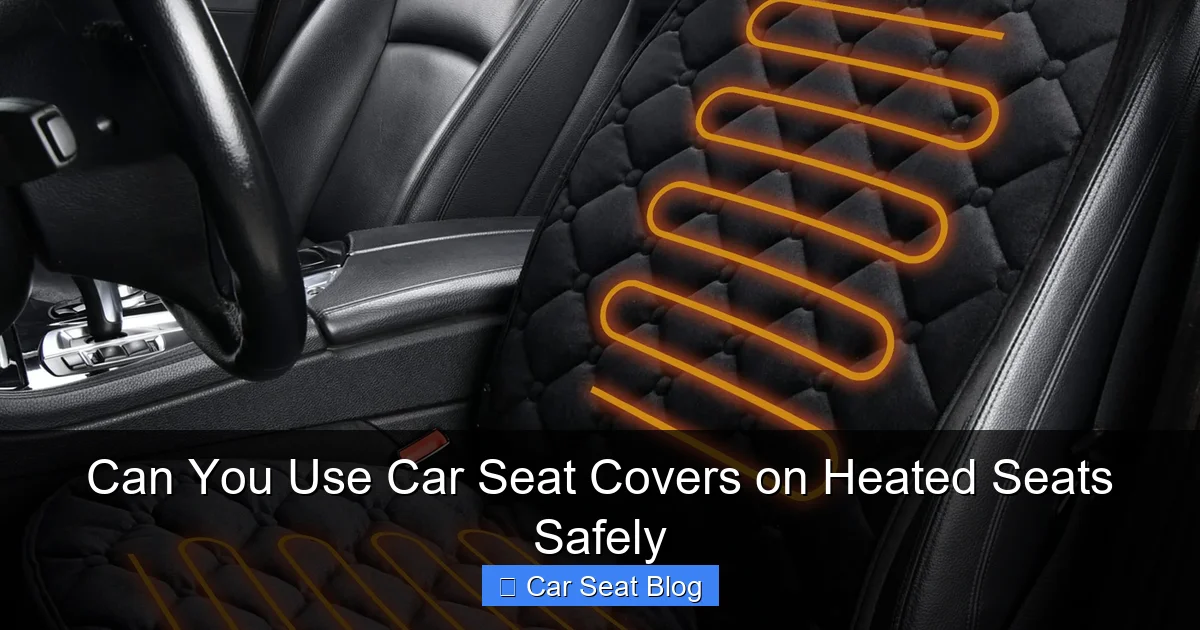
Visual guide about Can You Use Car Seat Covers on Heated Seats Safely
Image source: m.media-amazon.com
Problem: Hot Spots or Burning Smell
Turn off the heater immediately. This could indicate trapped heat or contact with a non-heat-safe material. Discontinue use and consult the cover manufacturer or a professional installer.
Problem: Cover Shifts or Bunches Up
Reinstall with better anchoring. Use non-slip pads or additional straps if needed. Avoid covers that are too large for your seat.
Problem: Seat Controls Are Hard to Reach
Choose a cover with precise cutouts or flexible material around control areas. Never block airbag vents or seatbelt buckles.
Final Thoughts: Safety First, Comfort Always
Using car seat covers on heated seats is not only possible—it’s practical, as long as you prioritize safety and compatibility. By choosing the right materials, installing carefully, and maintaining both your covers and seats, you can enjoy the best of both worlds: protected upholstery and toasty warmth on chilly days.
Remember, your vehicle’s heated seats are a valuable feature. Don’t let a poorly chosen cover compromise their function or put your safety at risk. When in doubt, consult your owner’s manual or contact the seat cover manufacturer directly.
With the tips in this guide, you’re ready to make smart, informed decisions that keep you comfortable and your car in top condition—season after season.