Can You Dry Car Seat Cover Safely and Quickly

Wondering can you dry car seat cover without ruining it? Yes—but only if you follow the right steps. This guide shows you safe, fast methods for drying different materials while preserving fit, color, and fabric integrity.
Quick Answers to Common Questions
Can I dry my car seat cover in the sun?
No—direct sunlight can fade colors and damage materials like neoprene and leather. Use shade or indoor airflow instead.
How long does it take to dry a neoprene seat cover?
Neoprene covers can take 12 to 24 hours to air dry completely due to their thick, water-resistant foam layer.
Is it safe to use a hair dryer on a car seat cover?
No. Hair dryers produce intense, concentrated heat that can melt adhesives, warp fabric, or ruin neoprene.
Can I put a wet seat cover back in the car?
Never. Moisture trapped under the cover promotes mold and mildew. Always wait until it’s fully dry.
What’s the fastest way to dry a car seat cover?
Use a combination of towel-rolling, fan-assisted airflow, and a dehumidifier to cut drying time significantly.
Can You Dry Car Seat Cover Safely and Quickly?
If you’ve ever spilled coffee, tracked in mud, or dealt with a rainy day adventure, you’ve probably asked: can you dry car seat cover without ruining it? The short answer is yes—but how you dry it matters more than you think. Drying your car seat cover the wrong way can lead to shrinkage, warping, fading, or even mold growth. Whether your cover is made of neoprene, polyester, leather, or fabric, this guide will walk you through safe, effective, and fast drying methods that protect your investment and keep your car interior looking fresh.
In this comprehensive how-to guide, you’ll learn step-by-step how to dry different types of car seat covers, what tools to use (and avoid), and how to speed up the process without compromising quality. We’ll also cover troubleshooting tips for common drying problems and answer frequently asked questions so you can confidently maintain your seat covers season after season.
Step 1: Check the Care Label
Before you even think about drying, always check the care label or manufacturer’s instructions. This small tag or booklet holds the key to safe cleaning and drying. Ignoring it could void your warranty or damage the material.
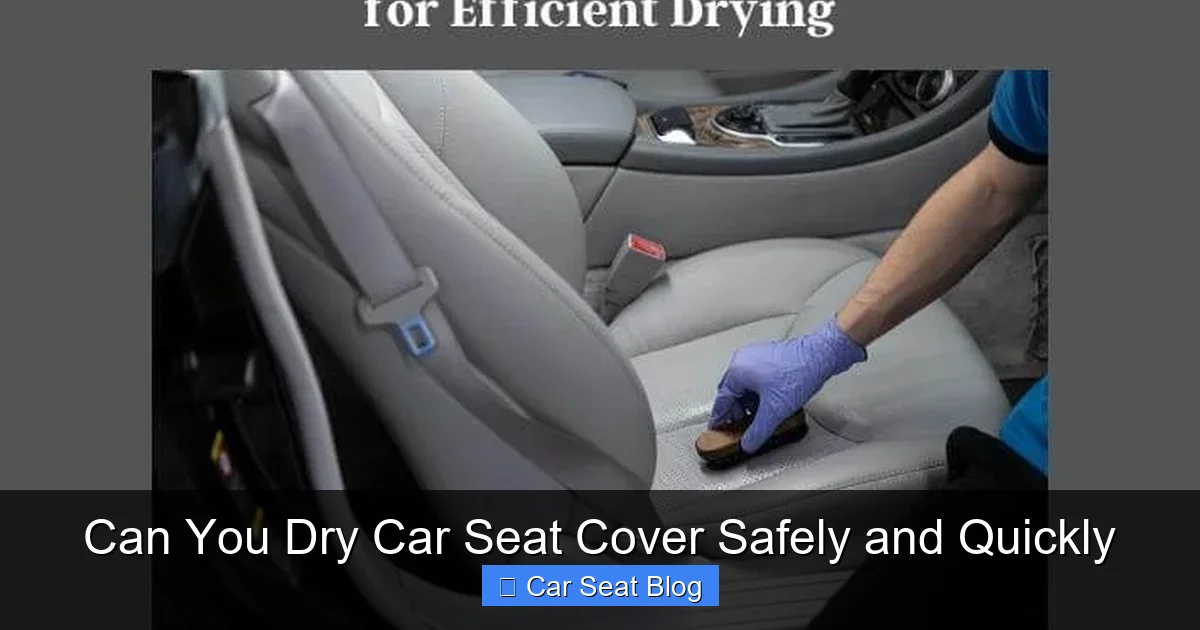
Visual guide about Can You Dry Car Seat Cover Safely and Quickly
Image source: seatplenary.com
Why the Label Matters
Different materials require different care. For example:
- Polyester or nylon covers: Often machine washable and may tolerate low-heat drying.
- Neoprene (wetsuit material): Should never be machine dried—heat can break down the foam layer.
- Leather or faux leather: Must be air-dried only; heat causes cracking and peeling.
- Mesh or breathable fabrics: Usually safe for air drying but may shrink in high heat.
What If There’s No Label?
If the label is missing or faded, do a quick online search using the brand and model number. Most manufacturers provide care guides on their websites. When in doubt, assume the cover is delicate and opt for air drying.
Step 2: Remove the Cover Properly
To dry effectively, you’ll need to remove the seat cover from your car. Rushing this step can tear straps, Velcro, or clips.
How to Remove Safely
- Unbuckle all straps and unfasten clips or hooks.
- Gently pull the cover away from the seat, starting from the bottom and working upward.
- Avoid yanking—some covers are snug and may have hidden fasteners.
- Take photos before removal to help with reinstallation.
Tip: Clean While It’s Off
Now’s the perfect time to vacuum the seat and wipe down any exposed areas. A clean seat ensures no dirt transfers back onto the dry cover.
Step 3: Choose the Right Drying Method
The best drying method depends on your cover’s material and how urgently you need it back in the car. Here are the top options:
Option 1: Air Drying (Recommended for Most Covers)
Air drying is the safest and most effective method for nearly all car seat covers. It prevents heat damage, preserves elasticity, and avoids shrinkage.
How to Air Dry
- Shake out excess water after washing.
- Lay the cover flat on a clean, dry towel or hang it over a clothesline, shower rod, or drying rack.
- Ensure good airflow—place near an open window or use a fan.
- Flip the cover every few hours to dry both sides evenly.
Best For:
Neoprene, leather, fabric, mesh, and mixed-material covers.
Time Required:
4 to 12 hours, depending on thickness and humidity.
Option 2: Towel-Drying for Faster Results
If you’re short on time, towel-drying can speed up the process without risking damage.
How to Towel-Dry
- After washing, lay the cover on a clean, absorbent towel.
- Roll the cover and towel together like a burrito.
- Press down firmly to absorb moisture—don’t wring, as this can distort the shape.
- Unroll, flip the cover, and repeat with a dry towel if needed.
Tip:
Use microfiber towels—they’re super absorbent and gentle on fabrics.
Option 3: Machine Drying (Use with Caution)
Only use a dryer if the care label explicitly allows it. Even then, follow these precautions.
Safe Machine Drying Tips
- Use the lowest heat setting (“air dry” or “no heat” is best).
- Remove the cover every 15–20 minutes to check for overheating or warping.
- Add dry towels to the load to absorb moisture and reduce drying time.
- Never use high heat—it can melt adhesives, shrink fibers, or ruin neoprene.
Best For:
Polyester, nylon, and some synthetic blends—never use on leather or neoprene.
Option 4: Fan-Assisted Drying
Speed up air drying with a fan. This method is safe, efficient, and great for humid climates.
How to Use a Fan
- Hang the cover on a rack or lay it flat.
- Position a box fan or oscillating fan to blow air directly over the surface.
- Rotate the cover periodically for even drying.
Pro Tip:
Place a dehumidifier in the room to pull moisture from the air—this cuts drying time by up to 30%.
Step 4: Avoid Common Drying Mistakes
Even with the best intentions, it’s easy to make drying errors that damage your cover. Here’s what to avoid:
Don’t Use Direct Heat
Never place your cover near a space heater, radiator, or in direct sunlight. Intense heat can:
- Cause neoprene to bubble or crack.
- Fade colors in fabric covers.
- Shrink synthetic materials.
- Warp plastic components like clips or buckles.
Don’t Wring or Twist
Twisting the cover to squeeze out water stretches fibers and distorts the shape. Always press or roll with a towel instead.
Don’t Reinstall While Damp
Putting a slightly damp cover back on the seat traps moisture underneath. This creates a breeding ground for mold, mildew, and unpleasant odors. Always wait until the cover is 100% dry.
Don’t Use Harsh Chemicals Before Drying
Avoid bleach or strong detergents unless specified. Residue can weaken fibers and cause discoloration during drying.
Step 5: Troubleshooting Common Drying Problems
Even with careful drying, issues can arise. Here’s how to fix them:
Problem: Cover Is Still Damp After 12 Hours
Solution: Increase airflow. Move the cover to a breezier spot or use a fan. If it’s thick neoprene, it may take up to 24 hours to dry fully.
Problem: Cover Shrank After Drying
Solution: This usually happens from high heat. Unfortunately, shrinkage is often permanent. To prevent it, always use low or no heat.
Problem: Musty Smell After Drying
Solution: The cover wasn’t fully dry. Remove it, air it out for another day, and consider using a fabric refresher spray. For persistent odors, wash with a vinegar rinse (1 cup white vinegar in rinse cycle).
Problem: Cover Lost Its Shape
Solution: Gently stretch it back into form while it’s still slightly damp. Lay it flat under a heavy book or object overnight to set the shape.
Step 6: Reinstall the Cover Correctly
Once your cover is completely dry, it’s time to put it back. Rushing this step can lead to misalignment or damage.
How to Reinstall
- Refer to the photos you took during removal.
- Start by attaching the bottom straps or clips.
- Work your way up, smoothing out wrinkles as you go.
- Ensure all fasteners are secure and the cover fits snugly.
Final Check
Sit in the seat and adjust the cover if needed. A properly installed cover should lie flat, not bunch or sag.
Conclusion
So, can you dry car seat cover safely and quickly? Absolutely—if you follow the right steps. Air drying is your best friend, especially for delicate materials like neoprene and leather. Use fans and towels to speed things up, but never rely on high heat or direct sunlight. Always check the care label, avoid common mistakes, and reinstall only when the cover is 100% dry.
With these tips, you’ll keep your car seat covers looking new, smelling fresh, and performing well for years. A little care goes a long way—your car (and your passengers) will thank you.