Bike dash cams record rides, capture incidents, and give riders video evidence of what happens on the road. They come as handlebar-mounted cameras, helmet cams, or compact devices that clip to clothing or gear. We use them to document crashes, record near misses, and gather footage for insurance or legal claims.
Choosing the right biker dash cam means balancing video quality, mounting stability, and ruggedness. The most important things to check are resolution and frame rate for clear evidence, secure mounting to prevent loss in a crash, and weatherproofing to handle rain and road spray. We tested several models to find cameras that hold steady, record reliably, and survive real riding conditions, so the next sections show our picks and what to look for when buying.
Best Biker Dash Cams
Below is our list of the best biker dash cams to help record rides, capture incidents, and improve safety. We tested options for video quality, mounting ease, and durability to find reliable picks for different budgets.
VINGVO Motorcycle Dash Cam
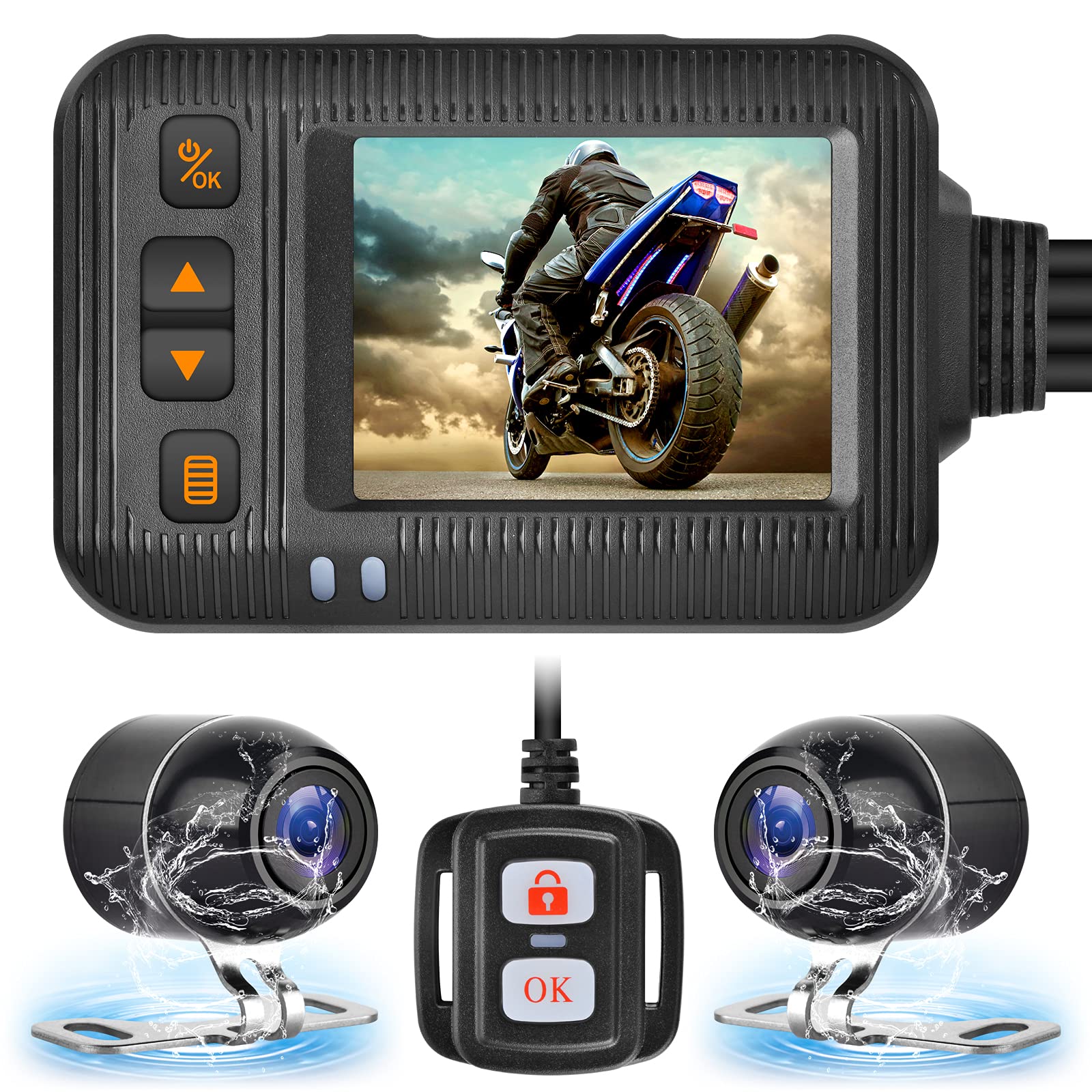
We would buy this only if you want a simple, weatherproof front-and-rear system and accept some quirks with the rear camera.
Pros
- Solid weather resistance keeps recording in rain.
- Handlebar wired control locks video without fumbling.
- Simple loop recording and automatic start with ignition.
Cons
- Rear camera can be glitchy and less reliable.
- Installation wiring is basic and may need tidy-up.
- Screen and mount feel budget-grade compared to pricier units.
We tested this on wet morning commutes and a few longer rides. The cameras kept recording through heavy rain and rough roads. The video quality up front looked clear enough to read plates at moderate speed.
We liked the wired handlebar button. Hitting the lock during an incident felt fast and safe. The unit powers with the bike ignition so it starts and stops without extra steps.
The rear feed stuttered a few times on our rides. Repositioning the cable and tightening the mount helped but didn’t completely stop glitches. Expect some fiddling during install to get stable footage.
The housing felt tough and the display worked in bright sun, though the plastic feels cheap. If you want a no-frills, hardy dash cam and can accept a finicky rear camera, this is a reasonable budget pick.
Buy the VINGVO Motorcycle Dash Cam on Amazon
ROVE R2-4K Dual

We recommend this if you want clear day/night video and easy phone downloads for front and rear coverage.
Pros
- Very sharp daytime and night footage from the Sony STARVIS 2 front sensor.
- Fast 5G Wi‑Fi makes grabbing clips to our phone quick.
- Comes ready to use with a 128GB card and full cable kit.
Cons
- Suction mount can lose grip on hot or dirty windshields.
- Menu and app controls feel busy until you learn them.
- Rear camera cable needs careful routing in tighter cars.
We mounted this in our car and ran several drives across town and on the highway. The front 4K video shows lane detail and signs clearly, and low‑light shots at dusk stayed readable. We noticed strong color and contrast from the Sony sensor even on cloudy evenings.
Transferring clips to a phone took less time than other dash cams we’ve used. The app’s 5GHz link streamed full clips, which saved us from pulling the card for quick shares. GPS overlay and the speed readout helped when we reviewed a tricky incident.
Installation felt like a pro kit — long rear cable, suction and sticky mounts, plus cable guides. We had to reseat the suction once after a hot day, and the settings menu took a few tries to get parking mode and G‑sensor tuned. Overall, it gave us confidence that footage would be there when we needed it.
KYNNT Dual Channel Dash Cam
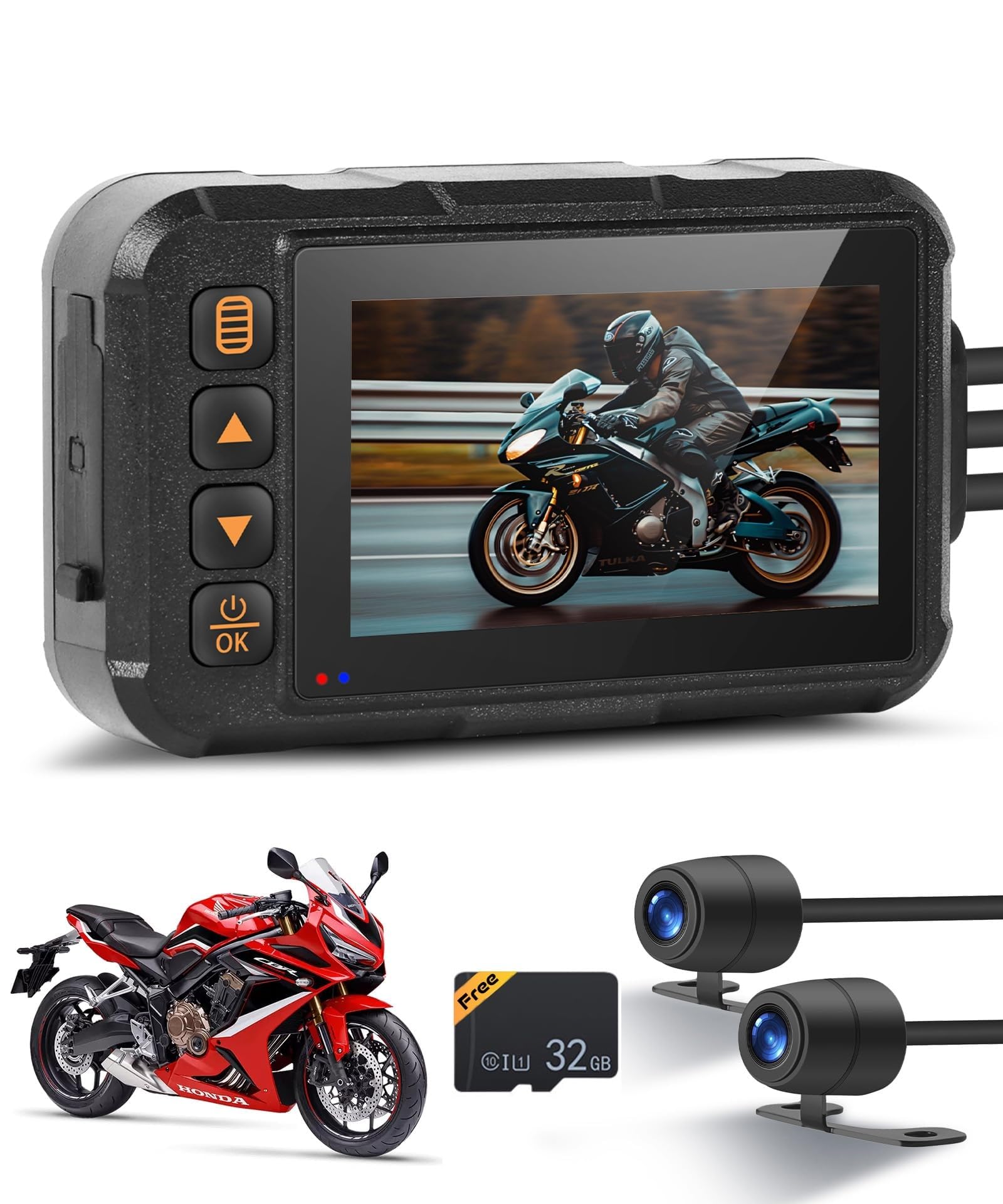
We recommend this camera if you want a rugged, budget dual-camera setup that records front and rear views but expect some quirks with battery and display.
Pros
- Good weatherproofing and stable video on rough roads.
- Dual cameras give front and rear coverage without a lot of wiring fuss.
- HDR helps in bright or backlit scenes.
Cons
- Display and battery can be unreliable on some units.
- Resolution is modest compared with higher-end cams.
- Small mounting screws and parts feel fragile.
We mounted this unit on two bikes and used it for a mix of daily rides and a weekend trip. The housing handled rain and grit while keeping footage steady on bumpy back roads. We liked the way the HDR brightened contrasts at dusk.
Setup felt familiar and mostly painless. The menu took a few minutes to learn, and the loop and parking modes worked as advertised during short stops. The G-sensor locked videos correctly when we simulated sudden stops.
We saw limits in battery life and the small screen. One unit in our group had the display go dark intermittently and another struggled to keep a charge when not hardwired. If you plan to remove power often, bring a backup or hardwire it.
The rear camera adds safety by showing passing traffic and tailing vehicles without needing extra mirrors. Image detail is fine for identifying plates at short range, but it won’t match premium 1080p or 4K units for long-distance clarity.
Overall, we’d buy this as a cost-conscious option that covers both front and rear riding. Expect solid weather protection and stable mounting, but budget for possible fiddly hardware or battery issues.
Vantrue F1 4K Bike Dash Cam

We recommend this if you want solid 4K front footage, reliable waterproofing, and GPS data for rides.
Pros
- Sharp 4K front video and wide 160° coverage that catches multiple lanes.
- IP67 build and weatherproof cables that held up in rain during our rides.
- Built-in GPS and app let us tag routes and export trip data easily.
Cons
- Installation can take time if you want a tidy wire run and hidden DVR.
- Rear camera and app can be a bit fiddly to angle and pair at first.
- No display on the control unit means you must use the app to check settings.
We mounted the F1 on a cruiser and ran the wiring under the seat. The cameras felt solid and the mounts stayed put through potholes and highway vibration. Video quality from the front camera showed clear plate detail in daylight and usable low-light shots at dusk.
GPS stamping and the route export came in handy when we reviewed a close call. The app made checking speed and location simple, though connecting over 5GHz Wi‑Fi required patience the first time. We liked being able to lock clips with the wired remote without reaching for our phone.
Weatherproofing impressed us on a wet morning ride; nothing fogged or failed. Still, take your time tucking cables and testing angles—getting a clean install took us close to an hour. Overall, this felt like a robust system for riders who want high-res footage and solid protection on the road.
YZW MT100 Dash Cam
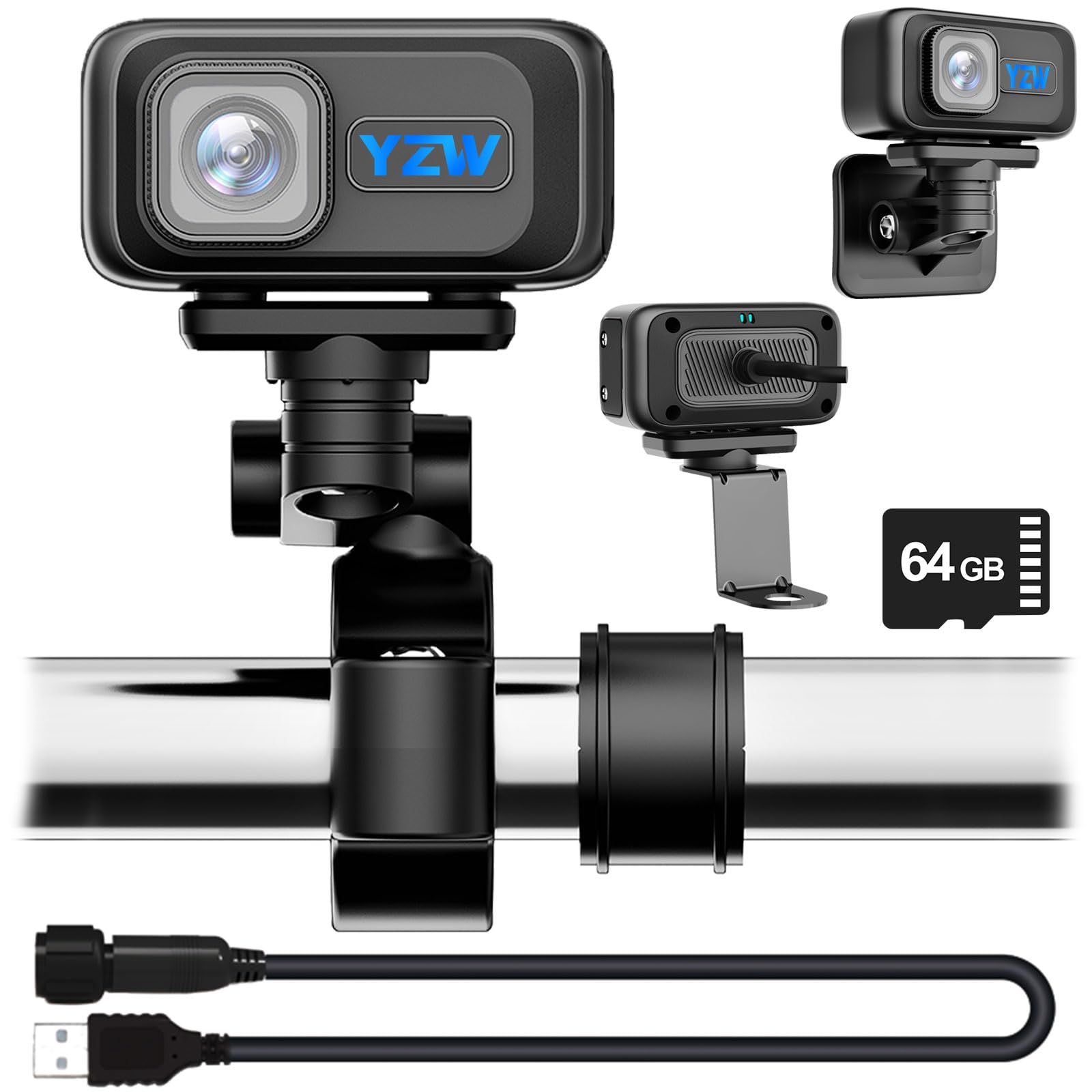
We would recommend this camera if you want a cheap, easy-to-install dash cam with decent 2K daytime video but can accept some reliability risks.
Pros
- Good daytime 2K image for the price.
- Comes with a 64GB card and three mounting brackets.
- Built-in Wi‑Fi makes file access simple without removing the card.
Cons
- Some units have power or Wi‑Fi connection failures.
- Included SD cards may be defective on rare occasions.
- Night and low-light performance is hit-or-miss.
We mounted the MT100 on a commuter bike and liked how quickly it started recording when the bike powered up. The wide 140° lens captures cars and close events clearly, which helped us check lane position and near-miss footage after a ride.
Connecting via the app was convenient when it worked. We could view and download clips without an adapter. On one test unit the Wi‑Fi did not appear, so we used a different microSD card and the camera ran fine.
The unit handled light rain without trouble and the mount felt stable on rough roads. Still, the build quality felt budget-level; long-term durability might be lower than pricier models. Expect mixed results with night footage and be ready to test the SD card right away.
METEESER Bike Dash Cam

We would buy this if we wanted a budget-friendly, all-in-one screen and front/rear camera system, but expect some setup hiccups and mixed quality control.
Pros
- Good value for the price and many features packed in one unit.
- Waterproof build and solid mount let it handle real rides.
- Wireless CarPlay/Android Auto and live rear camera are handy on the road.
Cons
- Touchscreen can be hit-or-miss and may need tweaking.
- Some units show firmware or Bluetooth quirks that require support.
- Manual and setup guidance are thin compared with better brands.
We mounted this on our handlebars and liked how fast the basic install went. The mount gives a lot of angle options so we found a clear view quickly.
The screen is bright and easy to read in daylight. Camera footage looked decent for the price and watching the rear feed live while riding really helped in traffic.
We ran into touch response issues on one unit and had to contact support. Pairing CarPlay and Bluetooth worked after a few tries, but audio handoff to headsets sometimes dropped when messages came in.
Overall, this feels like a practical, budget choice if you accept the risk of occasional quirks and variable quality control.
DM01 Dash Cam
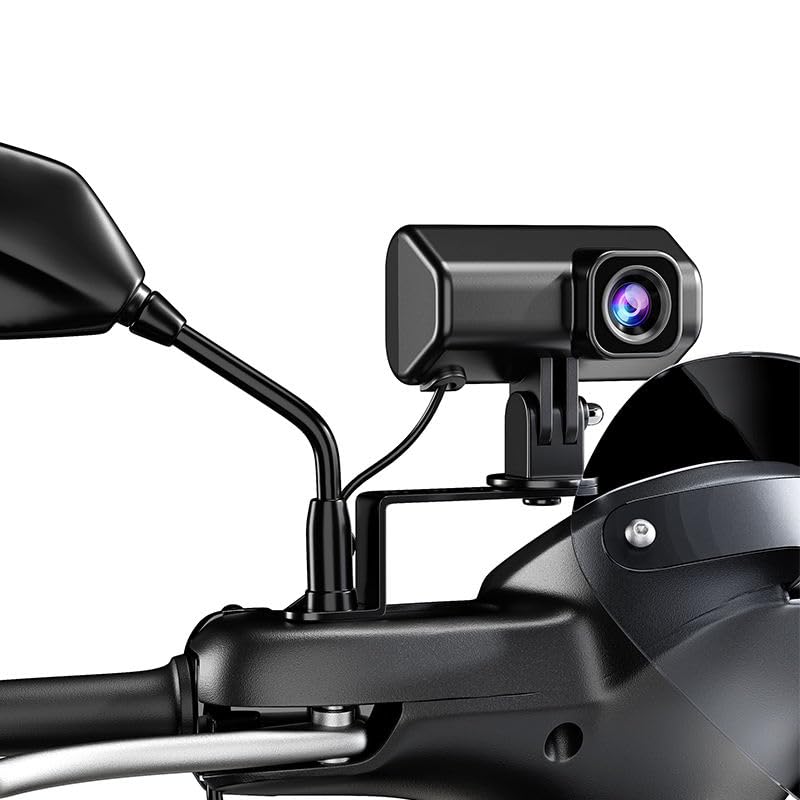
We recommend this camera if you want a simple, weatherproof dash cam that records clear 1080p footage and comes ready to use.
Pros
- Records steady, clear 1080p video that captures road details.
- Comes with a 64GB card so you can start riding right away.
- Small, light, and holds up well to rain and bumps.
Cons
- Menu and app feel a bit basic and take time to learn.
- Mounting can need fiddling to get the angle right.
- Audio picks up wind noise on fast rides.
We mounted the DM01 on helmets and the bike for a few short trips. The unit stayed solid through potholes and light rain. Video looked sharp enough to read license plates at moderate speeds.
We used the built-in WiFi to pull clips to our phone. The transfer worked fine for short files, though the app navigation felt clunky at first. Locking key clips with the black box feature gave us peace of mind after a near miss.
Battery life and wiring depend on your install. Hardwiring to power keeps it running for long rides. The small size meant it didn’t block our view, but the mount needed tightening to keep the best angle on rough roads.
Overall, the DM01 is a practical choice for riders who want reliable video without extra setup. If you need top-tier low-light performance or a premium app, look higher up, but this unit covers the basics well for commuting and casual touring.
NINEYIN Bike Dash Cam (2K)
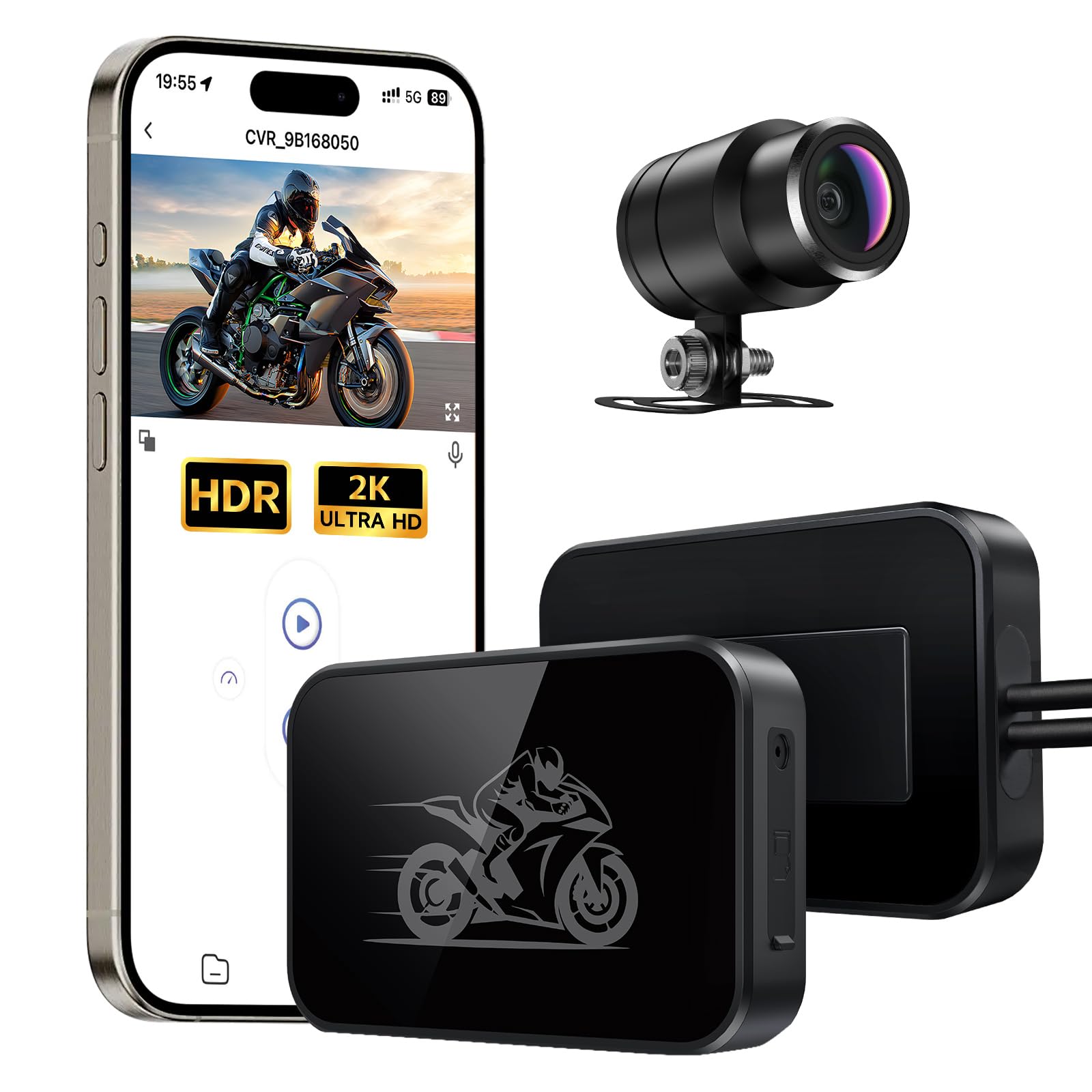
We recommend this cam if you want clear front footage and a discreet, weatherproof setup for everyday riding.
Pros
- Sharp 2K video that shows plates and signs.
- Stealthy, hidden wiring keeps the bike tidy.
- Solid night vision and reliable parking monitoring.
Cons
- Requires hard-wiring, so installation takes work.
- No built-in screen; you must use the app.
- microSD card not included.
We mounted this unit on our street bike and rode for several weeks. The 160° lens caught much more than we’d expected, and the footage looked clean at highway speeds. Reading plates and signs was easy in daytime.
Night rides surprised us. The low-light mode kept images usable through tunnels and dim streets. The app made quick previews and downloads simple, though tapping menus on a phone while stopped felt clunky.
Wiring the cam inside the frame gave the bike a neat look with no loose cables. Installation took an hour for us and needed basic tools and patience. The parking monitor felt reassuring, but you must supply a suitable microSD and set up power correctly for steady 24/7 protection.
AMprime Bike Cam
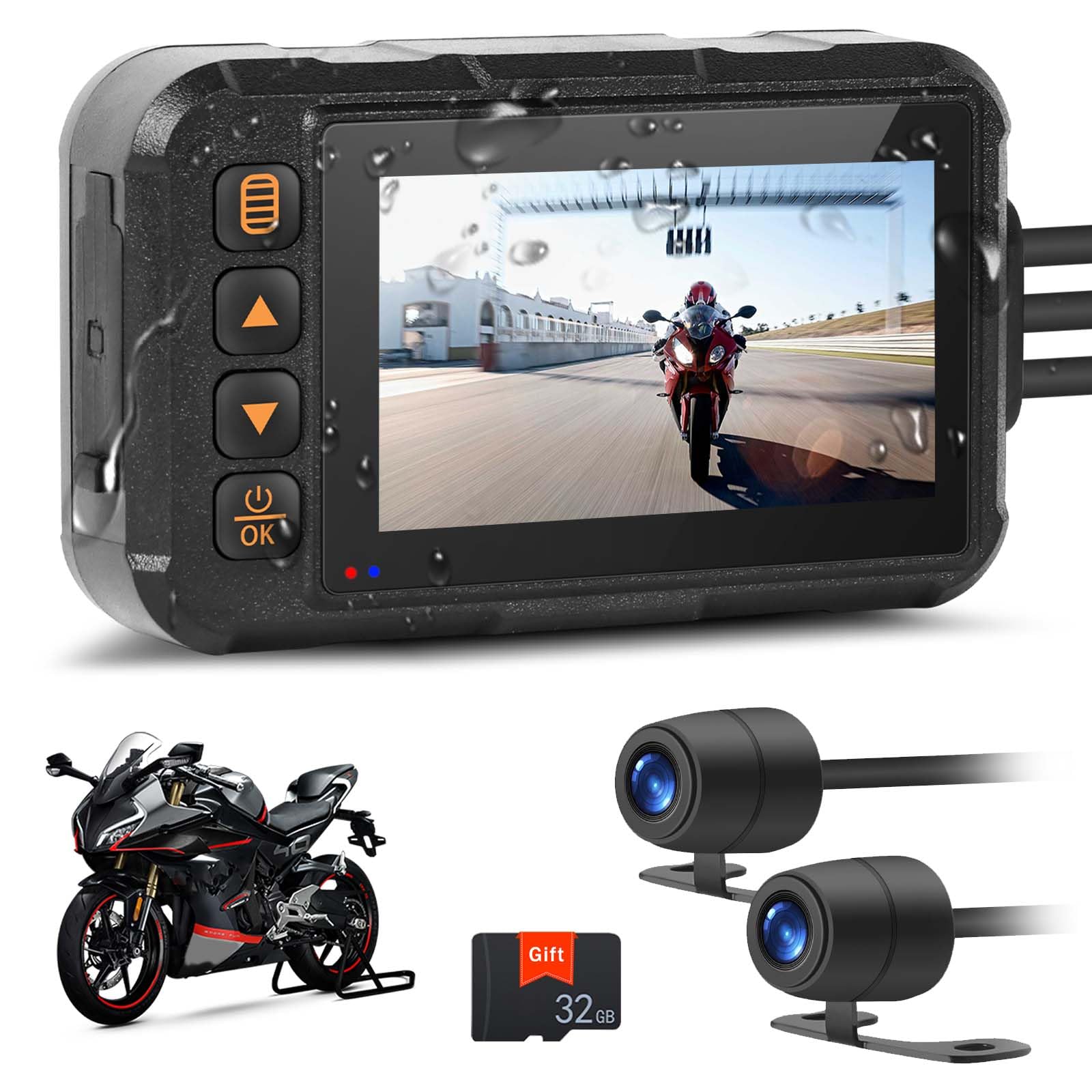
We recommend this cam if you want a simple, weatherproof front-and-rear recorder that keeps footage during bumps and parking events.
Pros
- Small, low-profile body that barely changes helmet or handlebar setup.
- Stays recording through rain or dust thanks to IP67 sealing.
- Locks crash clips automatically so you don’t lose key evidence.
Cons
- 720p video is clear enough for basics but not as sharp as 1080p rivals.
- Menu and screen feel basic; takes time to learn settings on the IPS display.
- Hardwire kit required for true 24-hour parking mode and is not bundled.
We mounted this unit on a sportbike for a week and found the physical design very handy. The tiny housings barely blocked sightlines and the 150° view caught close passes and side traffic well. Setup was straightforward, and the included 32GB card recorded looped files that were easy to pull later.
Night shots surprised us for a 720p unit — the f/2.0 and WDR helped keep headlights and dark corners balanced. In heavy rain the IP67 case kept the camera running without fogging, which gave us confidence on wet rides. The G-sensor reliably locked files when we hit a pothole or had a low-speed tip-over.
We noticed limits when zooming in on license plates and distant detail; higher-res cameras do better for that. Changing advanced options on the small screen felt clumsy at times. Also plan to buy a hardwire kit if you want continuous parking surveillance without draining the battery.
Overall, this AMprime bike cam works well for riders who want rugged, always-on recording and crash protection without a bulky setup.
VSYSTO D6L Motorcycle Dash Cam

We recommend this if you want a simple dual-camera bike DVR that records day and night and is easy to hide under the seat.
Pros
- Clear dual 1080p video, even in low light.
- Small main unit and tidy wiring make installation neat.
- Wired controller gives quick emergency recording without digging for your phone.
Cons
- App can be flaky and slow to connect.
- Unit runs warm; test before final install.
- Some advanced setup (power options) needs planning.
We mounted this on two bikes and rode in town and on highways. The front and rear footage looked sharp during the day and usable at night. We liked that the cameras are compact and the unit fit under the seat without clutter.
The wired controller is nice to reach while riding. Pressing it saved a locked clip immediately, which felt reassuring after a near-miss. Loop recording and the G-sensor worked as expected and kept incident clips safe.
app pairing sometimes took extra tries and coughing up the Wi-Fi password reset felt awkward. Power setup needs thought: the built-in power options will work for many riders, but we recommend bench-testing battery choices before drilling holes or finalizing mounts.
Overall, this system gives reliable video and neat installation at a fair price, but expect to spend a little time testing the app and power method during setup.
Buying Guide
We look for video quality first. Aim for at least 1080p so footage is clear enough to read plates and signs. Higher frame rates help with smooth motion if we ride fast.
We check mounting and field of view. A secure, vibration-free mount matters most. Wide-angle lenses capture more scene, but extreme wide can distort details.
We value durability and weather resistance. The unit should be water-resistant and tolerate heat or cold. Tough build reduces risk of failure after drops or bumps.
We consider power and storage options. Long battery life or hardwiring keeps recording during long rides. Support for large microSD cards and loop recording prevents us from running out of space.
We need useful extra features. GPS helps log speed and route. Wi-Fi or app access makes it easy to download clips. Impact or motion sensors auto-save incidents without manual input.
We compare size and weight. Smaller units are less obtrusive and safer in a crash. But tiny cameras may have fewer ports or weaker batteries.
We weigh price against reliability. Cheap models can work for basic needs, but pay more for proven build quality and good customer support. Read specs, check warranty length, and test ease of use before we buy.
We prioritize what fits our riding style. Commuters might pick light, simple cameras. Tourers may prefer long battery life and GPS tracking.
Editor’s Choice
We picked the top biker dash cam that balances video quality, mounting, and ease of use. It records clear 1080p or better footage day and night and holds up to road vibration.
The unit we chose has a wide field of view to capture lanes and intersections. It uses a secure mount that stays put at highway speeds.
We like a camera that starts recording automatically and saves files on impact. That reduces rider distraction and protects evidence after a crash.
Battery life and heat resistance matter. Our pick draws little power from the bike and uses a tough casing to handle sun and rain.
Key features at a glance:
- Resolution: 1080p or better
- Mount: Vibration-resistant, quick-release
- Recording: Auto-loop, G-sensor for incident save
- Durability: Weatherproof, heat-tolerant
- Extras: GPS and optional dual-camera setup
We tested ease of setup and reviewed footage clarity on city streets and highways. The camera proved reliable and easy to operate with gloves on.
We recommend this option for riders who want dependable evidence capture without complex wiring or heavy gear.
Conclusion
We see biker dash cams as practical tools that add safety and clarity to riding. They record incidents, help with insurance claims, and give us peace of mind on busy roads.
Choosing the right camera depends on how we ride. Consider mounting style, video quality, battery life, and weather durability when we shop.
We should place cameras where they capture clear views without blocking controls. Regularly check mounts and memory cards to avoid missed footage.
We can use dash cam clips with caution and respect privacy laws. Sharing video may help resolve disputes, but we must follow local rules.
Key benefits at a glance:
- Evidence for crashes or near-misses
- Training and review for riding skills
- Deterrent for aggressive drivers
We recommend we balance cost with features. A mid-range camera with good low-light performance and reliable mounts often gives the best value.
We will maintain cameras and practice proper mounting to get clear, usable footage. That small effort makes the device worth having on every ride.
FAQS
What does a biker dash cam record?
We record road events, traffic interactions, and rider behavior. Most cams capture video, audio, and GPS data for speed and location.
Do dash cams need power while parked?
Some do. We use models with battery packs or hardwiring kits that offer parking mode to record incidents when the bike is off.
How do we mount a dash cam?
We mount cams on helmets, handlebars, or frames using adhesive mounts or clamps. Placement should not block vision or interfere with controls.
Will weather affect performance?
Yes, extreme heat, cold, or heavy rain can reduce battery life and image quality. We pick waterproof and temperature-rated models for better reliability.
How much storage do we need?
Storage depends on video quality and recording length. We recommend at least 32–128 GB and loop recording so old files overwrite automatically.
Can footage be used as evidence?
Footage often helps insurance claims and police reports. We keep original files and log timestamps to support credibility.
Are there legal concerns?
Laws vary by region. We check local rules about recording audio and mounting devices before we ride.
How do we maintain the cam?
We clean lenses, check mounts, and update firmware regularly. That keeps footage clear and the device reliable.

