Mud Season Car Care Tips Every Daily Driver Needs

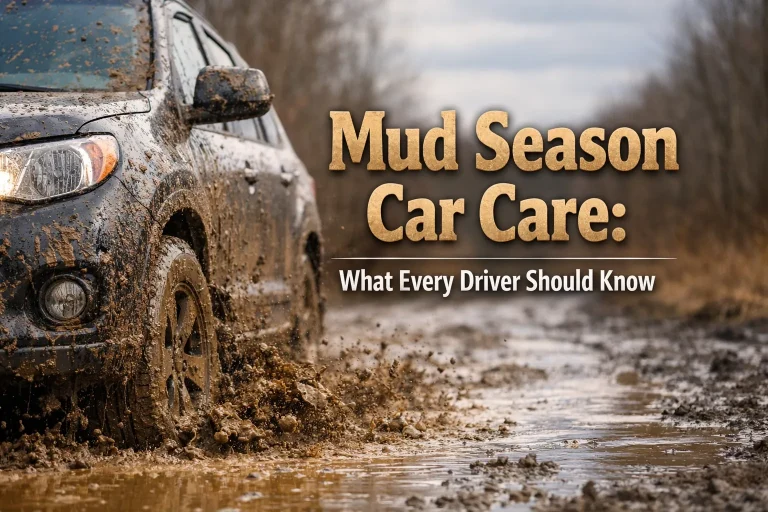
Mud season is the stretch when roads, driveways, and parking lots turn soft, messy, and unpredictable. For daily drivers, it matters because the extra mud, water, and grit can hurt traction, clog parts, dirty the cabin, and speed up wear on brakes, tires, and undercarriage components.
If you commute every day, mud season can wear on your car faster than you might expect. The good news is that a few simple prep steps and smarter driving habits can make a big difference.
In this mud season guide for daily drivers, I’ll walk through the main risks, the best prep steps, how to drive more safely, and the car care habits that help keep your vehicle cleaner and healthier through the mess.
What Mud Season Means for Daily Drivers and Why It Matters
Mud season is the time of year when thawing ground, heavy rain, snowmelt, and soft shoulders turn roads into a sticky mix of water, dirt, and debris. It often shows up in early spring, but in some places it can happen after long wet spells too.
For daily drivers, the challenge is not just the mud itself. It is the repeated exposure. A commute through the same slushy, dirty roads every day adds up fast.
How mud season differs from regular wet weather
Regular rain usually leaves a road wet. Mud season leaves it dirty, uneven, and less predictable. Mud can hide potholes, soften traction, and stick to parts of the vehicle where water alone would wash away.
It also behaves differently on the car. Water may splash off, but mud clings to tires, wheel wells, brakes, and lower body panels. That means more cleanup and more chance of buildup.
Why daily commuting creates more mud-related wear than weekend driving
A weekend driver may only hit mud once or twice a week. A daily commuter sees it over and over again. That repeated exposure means more grime on the paint, more moisture around metal parts, and more chances for dirt to work its way into moving components.
Short trips can make it worse. If you do not give the car enough time to dry out, mud and moisture stay trapped longer. That can raise the risk of rust and odor inside the cabin.
The main risks: traction loss, corrosion, clogged components, and interior damage
The biggest risks are simple: less grip, more mess, and more wear. Mud can reduce tire traction, especially when it mixes with water or road salt. It can also collect around brake parts, suspension pieces, and wheel wells.
Inside the car, muddy shoes and wet clothes can stain carpet and trap moisture. Over time, that can lead to musty smells and extra cleaning work.
Road salt mixed with mud can be tougher on a vehicle than mud alone because the salty moisture can speed up corrosion on exposed metal parts.
Daily Driver Mud Season Hazards You’re Most Likely to Run Into
Most mud season hazards are not dramatic. They are the small, repeated problems that make commuting harder and harder on your car. Here are the ones I see most often.
Deep ruts and sudden steering pull
Ruts form when repeated traffic presses soft road edges into grooves. Once your tires drop into them, the steering can pull hard in one direction.
That can be tiring on long drives and risky if you react too sharply.
Mud buildup on tires, wheel wells, brakes, and suspension
Mud can pack onto tread blocks and collect inside wheel wells. It may also coat brake hardware and suspension parts.
When buildup gets heavy, it can affect balance, add vibration, and make it harder for parts to move freely.
Slippery painted surfaces, driveways, and parking lots
Painted lane markings, crosswalks, and smooth driveway surfaces can get slick fast when they are wet and muddy. The same goes for parking lots with polished concrete or worn paint lines.
That means slower turns and gentler braking are a smart idea.
Hidden potholes, drainage dips, and road debris under the mud
Mud can hide sharp edges, broken pavement, and scattered debris. A puddle may look harmless, but it could cover a deep pothole or a drainage dip.
If you cannot clearly see the road surface, assume there is a hazard under it.
Do not drive quickly through standing mud or water if you cannot judge the depth. A hidden pothole, curb, or debris field can damage tires, wheels, or suspension parts.
How to Prepare Your Daily Driver Before Mud Season Hits
A little prep before the season starts can save you time and frustration later. I like to think of it as giving the car a better chance before the roads turn messy.
Good tread helps push water and mud away from the contact patch. Check all four tires, including the spare if you have one. Make sure pressure matches the door-jamb sticker, and look for cuts, bulges, or cracking in the sidewalls.
Mud season often brings dirty spray up onto the windshield and headlights. Worn wipers can smear grime instead of clearing it. Top up washer fluid and test all exterior lights so other drivers can see you in poor conditions.
A protective wax, sealant, or glass treatment can make cleaning easier by helping mud release more quickly. I am not promising a magic shield, but it can reduce how hard you have to scrub after a wet commute.
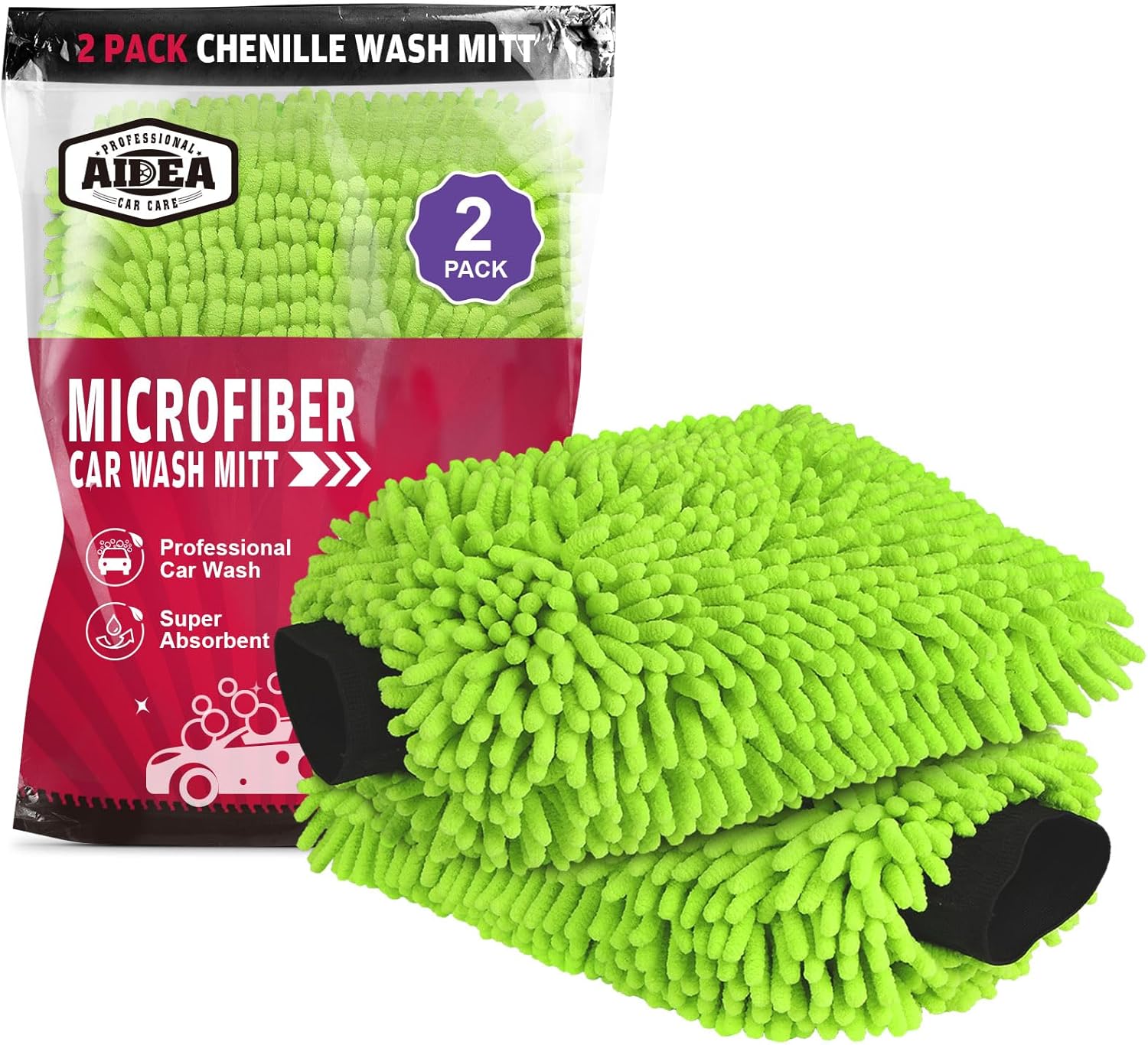
Keep a few microfiber towels, a scraper, sturdy gloves, and a set of all-weather floor mats on hand. These simple items help you clean up faster and protect the interior from tracked-in mess.
Brakes work harder when roads are slick, so it helps to start with healthy pads and rotors. A strong battery matters too, especially in damp weather. If you can, have the undercarriage checked for rust or loose splash shields before the season gets rough.
📝 Note
For tire and vehicle maintenance basics, I like using trusted sources such as the National Highway Traffic Safety Administration tire safety guidance and your vehicle maker’s maintenance schedule. That keeps your prep grounded in the right specs for your car.
Best Driving Habits for Mud Season Commuting
When the roads get messy, smooth driving matters more than usual. The goal is to avoid sudden weight shifts and give your tires the best chance to keep grip.
- Brake earlier than normal so you are not forced into a hard stop at the last second.
- Keep both hands on the wheel when crossing ruts or soft shoulders.
- Use the highest lane or driest track on the road when traffic allows.
- After a muddy drive, check for clumps packed in the wheels before the next trip.
Slow down earlier than you would on rain-only roads
Wet roads already reduce traction. Mud makes that even trickier. I like to slow down sooner than I would in a normal rainstorm, especially before turns, intersections, and exits.
Increase following distance to avoid splash and sudden stops
Leaving more space gives you time to react if the car ahead hits a hidden pothole or brakes hard. It also helps keep mud spray out of your windshield, which improves visibility.
Use steady Throttle Issues: Symptoms, Causes, Fixes”>throttle in mud instead of hard acceleration
If your tires spin, ease off and let them regain grip. Smooth throttle input works better than stomping on the gas, which can dig you deeper into soft surfaces.
Avoid abrupt braking and sharp steering inputs
Sudden moves can unsettle the car when traction is already limited. Gentle steering and gradual braking give the tires a better chance to stay planted.
Choose cleaner lanes and higher ground when possible
In some areas, the center lane or a slightly higher edge of the road stays less muddy than the shoulder. Use the cleaner surface when it is safe and legal to do so.
You notice pulling, grinding, vibration, or uneven tire wear after driving through mud. Those can be signs of alignment, brake, or suspension issues that should not be ignored.
How to Keep a Daily Driver Clean During Mud Season
Cleaning the car after mud season drives is not just about looks. It helps protect paint, metal, and interior surfaces from long-term damage.
Fresh mud is much easier to remove than dried mud. A quick rinse, especially underneath the car, helps clear packed dirt before it sticks around and traps moisture.
These spots collect the most grime. A soft brush and safe car wash soap can help remove buildup without scratching the finish.
Shake out mats and rinse them if needed. If mud dries in the cabin, it becomes harder to remove and more likely to leave stains or odors.
If your roads use salt, do not let salty mud sit on the car. Salt holds moisture against metal surfaces and can increase corrosion over time.
Use microfiber towels on painted surfaces, door jambs, and weather seals. Drying matters because leftover moisture can sit in seams and hidden edges.
For wash and corrosion guidance, the Federal Trade Commission’s car care advice can be a useful starting point when you are choosing products and services.
Best Mud Season Car Care Products for Daily Drivers
Not every product is worth buying, but a few items are especially useful when your commute gets muddy. Here is a simple comparison to help you choose.
| Product | Best For | Why It Helps | What to Watch For |
|---|---|---|---|
| All-weather floor mats | Daily commuters with wet shoes and muddy boots | Contain dirt and water better than carpet mats | Need periodic removal and rinsing |
| Carpet mats | Dry climates or light seasonal use | Can look nicer in clean conditions | Absorb moisture and stain more easily |
| Rubberized underbody protection | Vehicles exposed to repeated slush and road grime | Can add a protective layer to vulnerable areas | Should be applied correctly and checked for damage |
| Spray-on protectants | Paint, trim, and some wheel surfaces | May help mud release more easily | Results vary by product and surface prep |
| Tire cleaners and wheel brushes | Frequent wash routines | Help remove packed dirt from tread and wheels | Use safe brushes to avoid scratching |
| Microfiber drying towels | Quick post-wash drying | Reduce water spots and trapped moisture | Keep them clean so they do not grind in grit |
| De-icing and anti-corrosion products | Mixed mud-and-salt conditions | Can help protect metal parts in harsh weather | Choose products that fit your vehicle and local conditions |
All-weather floor mats versus carpet mats
All-weather mats are usually the better pick for mud season. They are easier to rinse and do a better job of holding water and dirt in place.
Carpet mats can work if you are careful, but they are harder to clean after repeated muddy commutes.
Rubberized underbody protection and spray-on protectants
These products can help reduce grime adhesion and moisture exposure in vulnerable areas. They are not a cure-all, but they can add a useful layer of protection when used properly.
Tire cleaners, wheel brushes, and microfiber drying towels
These are practical, low-cost helpers. Tire and wheel cleaning tools make it easier to remove packed mud before it hardens, and microfiber towels help you dry the vehicle without leaving lint behind.
De-icing and anti-corrosion products for mixed mud-and-salt conditions
If your area uses road salt, look for products made to handle both moisture and corrosion risk. The key is to match the product to your climate and your vehicle’s materials.
Always check your owner’s manual before using any underbody coating, wheel cleaner, or protectant. Some products are not safe for certain finishes, sensors, or brake parts.
Pros and Cons of Mud Season Driving as a Daily Commuter
- You become more aware of road conditions and traction limits.
- You build better maintenance habits, like checking tires and cleaning the car more often.
- You are more likely to prep your vehicle before bad weather arrives.
- Light mud can still be manageable if your tires and driving habits are solid.
- Brakes, tires, paint, and suspension may wear faster.
- Mess builds up quickly inside and outside the car.
- Visibility can drop from spray, grime, and dirty glass.
- Corrosion risk rises when mud mixes with salt and moisture.
Pros: Improved driving awareness, better vehicle maintenance habits, and seasonal prep discipline
Mud season can make you a more careful driver. You start watching the road surface more closely, checking your tires more often, and paying attention to small maintenance issues before they grow.
Cons: Faster wear on brakes, tires, paint, and suspension
The downside is simple: all that grit and moisture can wear parts faster. Brake dust mixes with mud, tires take more abuse, and paint gets peppered with debris.
Pros: Better grip can exist in light mud with proper tires
With the right tread and gentle driving, some muddy roads are still manageable. A tire with decent tread depth can handle light slop better than a worn one.
Cons: Higher chance of mess, corrosion, and reduced visibility
Mud season often means dirty windows, muddy floors, and more time spent cleaning. It also means more moisture around metal parts, which is why regular washing matters so much.
If you drive through mud often, schedule a quick rinse day once a week during the worst stretch. A short wash routine is easier to stick with than waiting until the car is heavily caked.
Your steering wheel is off-center, the car vibrates at speed, or the brakes feel noisy after mud exposure. Mud can hide a bigger issue, and it is worth a proper inspection if something feels wrong.
When Mud Season Means You Should Change Your Driving
Sometimes the safest move is to change your routine. If the road is deeply rutted, visibility is poor, or the surface is turning into a slick mess, I would rather slow down, reroute, or wait a bit than force the issue.
If your commute regularly includes soft shoulders, standing mud, or repeated splash zones, you may also need to adjust your vehicle care routine. That could mean washing more often, checking tires more often, and paying closer attention to rust-prone areas.
For severe weather and road condition updates, local transportation departments and state road agencies are usually the best source. They often post closures, washouts, and maintenance alerts that can help you decide whether to drive at all.
For daily drivers, mud season is less about one bad drive and more about repeated exposure. If you prep the car, drive smoothly, and clean it often, you can cut down on wear, stay safer on messy roads, and keep the vehicle in much better shape through the season.
For most daily drivers, a quality all-season tire with good tread depth is the practical choice. If your roads get very soft or muddy often, look for tires that are rated for the conditions you actually face, but always stay within your vehicle maker’s recommendations.
Not always, but I do recommend rinsing the undercarriage and wheel areas often if mud is heavy. If the car is coated in salty mud, wash it sooner rather than later to reduce corrosion risk.
Yes, mud can collect around brake parts and cause noise, reduced performance, or extra wear. If you hear grinding, feel vibration, or notice a change in braking, get it checked.
Yes, for most commuters they are one of the easiest upgrades you can make. They help contain water and dirt and are much easier to clean than carpet mats.
Signs include the car pulling to one side, the steering wheel sitting off-center, or uneven tire wear. If any of those show up after a muddy drive, have the alignment checked.
The biggest mistake is driving as if the road is only wet, not muddy. Mud can hide hazards, reduce grip, and stick to the vehicle in ways that regular rain does not.
- Mud season adds traction, corrosion, and cleanup challenges for daily drivers.
- Prep tires, wipers, lights, and interior protection before the worst weather starts.
- Drive slower, brake earlier, and avoid abrupt steering or throttle inputs.
- Rinse mud off the undercarriage, wheel wells, and floor mats as soon as you can.
- Get a mechanic involved if you notice pulling, vibration, noise, or uneven wear.