Quick Summary: Most battery warranties get voided by wrong installation, misuse, neglect, or missing proof. Avoid it by using the right battery, keeping records, testing voltage, cleaning terminals, and following the maker’s rules. This guide shows you how to diagnose issues, protect coverage, and file a smooth claim.
Your car won’t start, the dash lights flicker, and now you’re wondering if the battery is done—or if the warranty will help. Here’s the catch: many claims get denied for simple mistakes. If you’ve ever asked “What voids battery warranty?” you’re in the right place. I’ll explain what kills coverage, how to test your battery fast, and what to do next. You’ll learn the causes, fixes, tools to use, and the steps to file a clean, stress-free claim.

What Does a Battery Warranty Cover?
A car battery warranty covers defects in materials or workmanship. It does not cover every failure. If the battery dies because of misuse, wrong installation, or neglect, the claim can get denied. Most warranties include a free replacement period and often a prorated period after that.
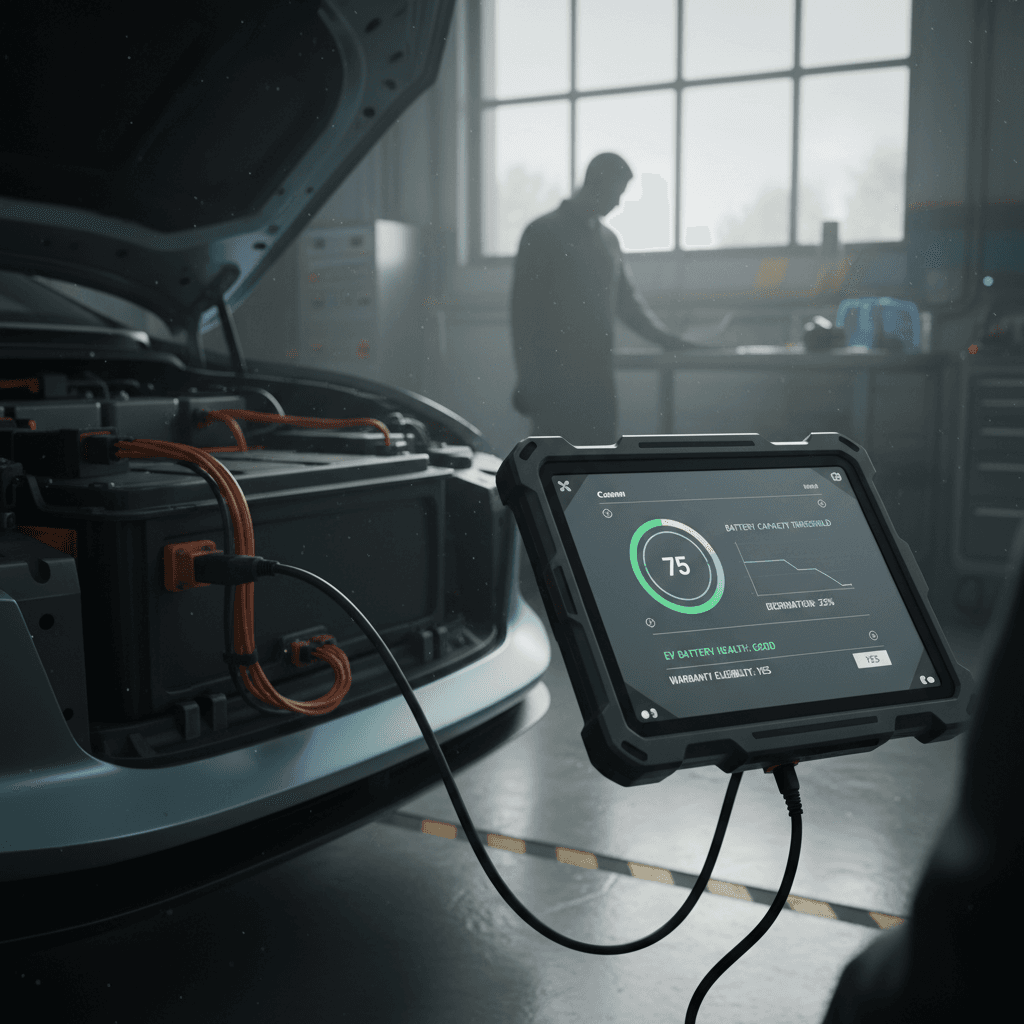
Read your warranty booklet or the retailer’s policy. It tells you how long coverage lasts and what steps you must follow. You’ll also see where to go—store, dealer, or manufacturer—and what proof to bring. Keep your receipt and any service records. These documents matter more than you think.
Many drivers assume any dead battery is covered. It is not. If your alternator overcharges it, if the case is cracked, or if you installed the wrong type, you can lose protection. The next sections explain exactly what voids coverage and how to avoid those pitfalls.
What Voids Battery Warranty (13 Common Mistakes)
“What voids battery warranty?” Short answer: actions that push the battery outside normal use or ignore the maker’s rules. These are the most common reasons claims fail. I’ll break them down in simple terms so you can protect your coverage today.

1) Installing the Wrong Battery Size or Type
If you install a battery that does not meet your car’s spec, the warranty can be void. That includes the wrong group size, cold-cranking amps (CCA), or technology (AGM vs flooded vs EFB). Makers expect you to use what the car calls for.

Always match the group size and CCA in your owner’s manual or parts guide. Modern cars often need AGM or EFB because of higher electrical load or start-stop. A cheaper flooded battery might fit, but it may fail early and void coverage.
2) Improper Installation (Loose, Crossed, or Backwards Cables)
Loose terminals cause arcing and heat. Crossed cables or reverse polarity can fry the battery in seconds. Any sign of burn marks, melted posts, or reversed hookups can kill your claim. Warranty terms almost always exclude damage from poor installation.

Tighten clamps until snug and immovable. Confirm positive-to-positive and negative-to-chassis ground. Use the correct hold-down so the case cannot bounce or rub. A wobbly battery takes a beating on rough roads and can crack over time.
3) No Proof of Purchase or Missing Registration
Most retailers need the original receipt. Some brands also need online registration. If you can’t prove when and where you bought it, you may be out of luck. A missing serial label can also void the battery warranty.
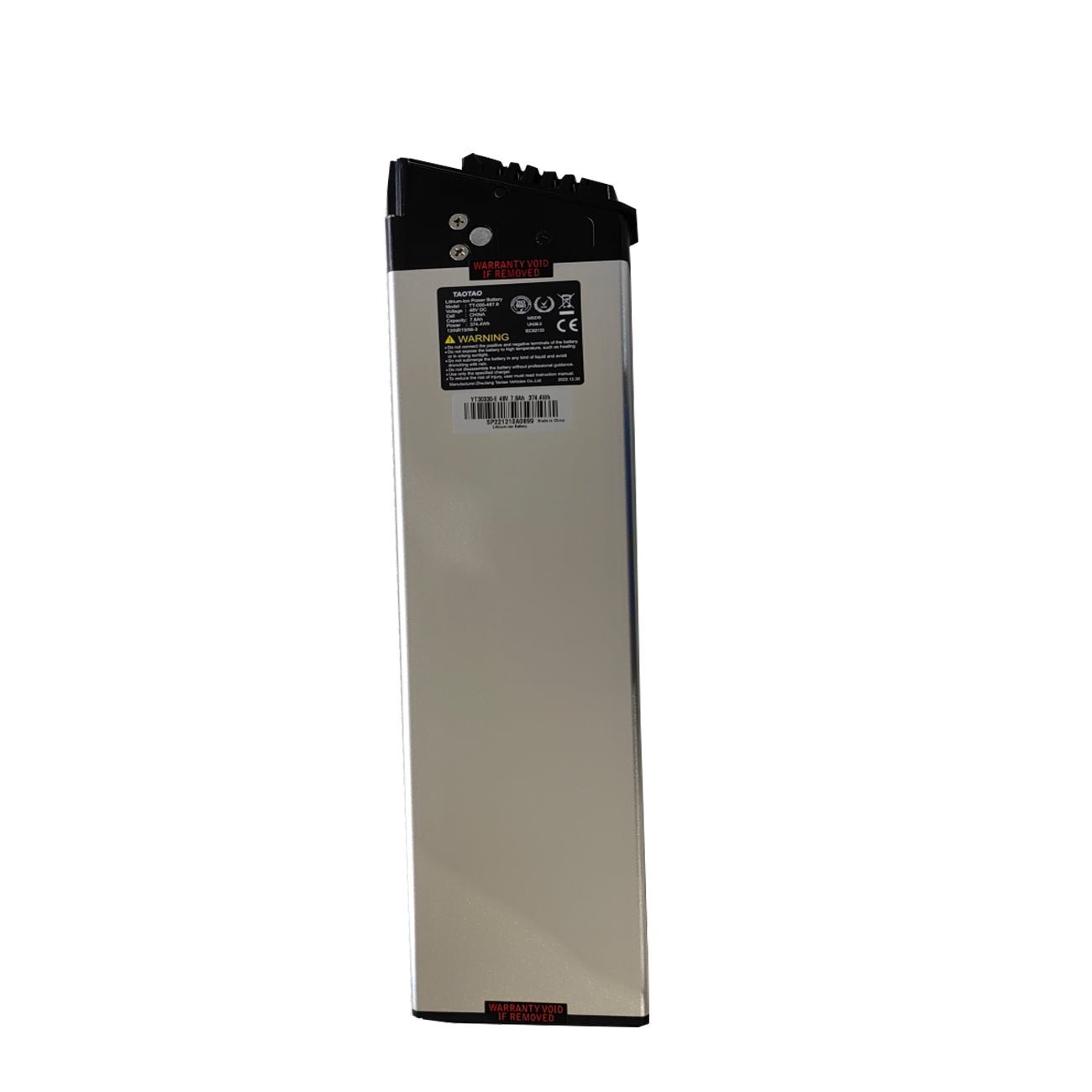
Take a clear photo of your receipt and store it in your phone. Keep the paper copy in your glove box or home file. If the label peels, tape it back on. No serial, no claim.
4) Misuse: Heavy Audio, Winches, or Inverters Without Upgrades
High-draw add-ons can overwork a stock battery. Big amps, winches, or off-grid inverters require proper upgrades: a high-output alternator, a deep-cycle or AGM battery where needed, and heavy-gauge wiring. Without that, failures look like abuse.

If you power camping gear or a fridge with the starter battery, expect early death. Use a dual-battery system or a dedicated deep-cycle unit. Document your setup when filing a claim. It proves you did not misuse it.
5) Overcharging (Wrong Charger or Bad Alternator)
Charging at too high a voltage cooks the plates and evaporates electrolyte. Signs include bulged sides, strong sulfur smell, and warped case. This damage is not a defect. It looks like abuse, and it often voids warranty coverage.

Use a smart charger with the right mode (AGM, flooded, or lithium). Test alternator output. Most cars should charge around 13.8–14.7V when running. Consistent readings above 15V can ruin a battery fast.
6) Undercharging and Chronic Deep Discharges
Short trips, long storage, and parasitic drains can leave a battery undercharged. Lead-acid hates sitting low. It sulfates and loses capacity. Chronic deep discharges are a common warranty killer.

If you drive short distances, use a maintainer. Plug it in overnight once a week. Before storage, charge to full and disconnect the negative terminal or use a maintainer. Keep voltage healthy, and you keep your warranty safe.
7) Neglecting Maintenance (Dirty Terminals, Low Electrolyte)
Corroded clamps increase resistance and heat. Low electrolyte in serviceable batteries exposes plates. Both cause damage that looks like neglect. Warranties often exclude “lack of maintenance.”
Every month, check terminals. Clean with baking soda and water. Dry, then coat with dielectric grease or an anti-corrosion spray. For serviceable flooded batteries, top with distilled water to the line. Never overfill.
8) Physical Damage (Cracked Case, Broken Posts)
If you drop the battery or it cracks in a crash, that is not a warranty defect. Any impact marks or bent posts can lead to denial. Even loose mounts can rub a hole through the case over time.
Use the correct hold-down bracket. Make sure nothing sharp touches the case. Replace missing hardware before it causes damage.
9) Tampering or Removing Labels/Serial Stickers
Peeling off stickers, grinding serial numbers, or opening sealed batteries all count as tampering. Warranty departments need those labels to confirm age and model. If they’re gone, coverage often is too.
Do not open a sealed AGM or maintenance-free battery. If a label starts to lift, tape it flat. Keep the QR code or serial visible for quick verification.
10) Using the Battery for Non-Automotive Purposes
Most car batteries are for starting engines. They are not designed for solar banks, marine trolling, or RV house loads unless labeled for dual-purpose. Using them outside their intended role can void warranties.
If you need deep cycling, buy a deep-cycle or dual-purpose battery. Read the warranty. It will say what uses are allowed.
11) Heat or Cold Abuse Without Precautions
Extreme heat bakes a battery. Extreme cold slows chemical reactions. Repeated high heat cycles, heat soak near turbos, or trying to start a frozen battery can cause damage that looks like abuse.
Use heat shields or insulation if your engine bay gets hot. Park in shade when possible. In cold regions, use a battery blanket or maintainer. Many modern batteries list an operating range—stay within it.
12) Water Intrusion and Flood Damage
If water enters the case or submerges terminals, internal shorts can occur. Flood damage is not a defect. It is an environmental event, and it usually voids coverage.
Avoid deep water crossings. If the bay floods, disconnect power and dry the car fully. Replace the battery if contaminated.
13) Jump-Starting Mistakes and Voltage Spikes
Reverse polarity during a jump can instantly kill a battery and electronics. Voltage spikes from poor jump technique also cause damage. These are often excluded from warranty coverage.
Use the proper order: positive to positive, negative to ground on the dead car’s chassis. Remove in reverse order. As explained by AAA, follow safe jump-start steps to prevent damage.
How to Read Your Warranty Terms the Right Way
Every brand writes coverage differently. Some promise 3 years full replacement. Others give 2 years full plus 3 years prorated. The fine print lists exclusions. Those exclusions are what void your battery warranty.
Do this:
- Check free replacement period and prorated period.
- Find exclusions like misuse, over/undercharging, or physical damage.
- Confirm where to file claims: store, dealer, or brand.
- Note testing steps they require (in-store conductance test, proof of charge, etc.).
- Save your receipt and serial number now.
If terms allow exchange only with a test result, get that test done before you remove the battery. Many stores will test it in-car. Ask if they honor roadside tests or need in-house confirmation.
Step-by-Step: Diagnose Before You File a Claim
Testing first prevents denial. It also proves you acted in good faith. Here is a fast, clear way to check your battery at home with simple tools.
Tools You’ll Need
Gather these before you start. They are cheap, easy to use, and save headaches later.
- Digital multimeter
- Smart battery charger or maintainer
- Jumper cables or jump pack
- Wire brush or battery terminal cleaner
- Baking soda, water, gloves, and eye protection
- 12V test light (optional)
Safety First
Protect your eyes and hands. Batteries can vent gas. Avoid sparks and open flames. Work in fresh air. Turn off the car before connecting or disconnecting anything.
- Wear eye protection and gloves.
- Keep metal tools away from both terminals at once.
- Remove jewelry to avoid shorts.
- Connect and disconnect cables in the right order.
Step 1: Visual Inspection
Look for cracks, bulges, or leaks. Check for loose or corroded terminals. A damaged case often means no coverage. Fix obvious issues first.
- Tighten loose clamps.
- Clean corrosion with baking soda and water.
- Dry and add dielectric grease.
- Confirm the hold-down is secure.
Step 2: Resting Voltage Test
Turn the car off. Let it sit 30 minutes. Measure voltage at the posts with a multimeter. Compare your reading to the chart below.
| Battery State | 12V AGM/Flooded Voltage (Resting) | What It Means |
|---|---|---|
| 100% charged | 12.6–12.8V | Healthy and ready |
| 75% charged | 12.4–12.5V | OK but recharge soon |
| 50% charged | 12.2–12.3V | Low; charge now |
| 25% charged | 12.0–12.1V | Very low; may not start |
| Discharged | < 11.9V | At risk of sulfation |
| Tip: Lithium 12V batteries read higher at rest. Follow maker specs. | ||
Step 3: Charge and Retest
If it is low, charge it fully with a smart charger. Use the correct mode (AGM, flooded, or lithium). When done, let it rest 30 minutes, then recheck voltage.
- If it will not reach at least 12.5V, it may be failing.
- If it drops fast after charging, it has lost capacity.
Step 4: Cranking Test
Watch voltage while starting the engine. Healthy batteries should stay above about 9.6V during crank at 70°F. Lower temps drop that threshold slightly.
- If it dips below 9V, it is weak or failing.
- Slow cranking with dim lights is a red flag.
Step 5: Charging System Test
With the engine running, measure at the posts. Most cars should show 13.8–14.7V. Over 15V risks overcharging and can void the warranty.
- If voltage is low, the alternator may be weak.
- If voltage is too high, the regulator may be bad.
Step 6: Parasitic Draw Check (Quick)
If the battery drains overnight, you may have a parasitic draw. A glove box light, dashcam, or module can stay on. That is not a battery defect.
- Use a clamp meter or series ammeter to check draw with the car asleep.
- Anything above 50 mA on many cars may be high. Check specs.
Proof You Need for a Smooth Warranty Claim
Bring clear proof to avoid delays. The right documents show it is a legitimate claim. It also reassures the counter staff you did your part.
- Original receipt (or a clean photo of it)
- Battery serial number or label visible
- Vehicle details (year, make, model, VIN if needed)
- Test results (voltage before and after charge, photos help)
- Notes on symptoms and dates
- Any shop test printouts
Stay calm and clear. If you have done the tests and kept records, most claims go faster. If they want to test it themselves, let them. That is standard policy.
Dealer, Retailer, or Manufacturer—Who to Contact?
Go where you bought it first. Retailers like parts stores handle most claims. Dealers handle OEM batteries installed in their service lanes. Some brands allow direct claims, but many route you to the seller.
- Retail store purchase: return to that chain with your receipt.
- Dealer purchase: see the dealer service counter.
- Online purchase: follow that site’s return workflow.
Ask if they honor nationwide warranties. Many big chains do. If you move or travel, that matters. As noted by the National Highway Traffic Safety Administration, keeping records and following the maker’s schedule supports better outcomes for vehicle issues.
How to Avoid Voiding Your Battery Warranty (Easy Habits)
Good habits keep your battery healthy and your warranty intact. These steps are simple and quick. Do them once a month and before long trips.
- Match the exact group size, CCA, and battery type your car needs.
- Secure the hold-down and tighten terminals.
- Clean corrosion and protect with dielectric grease.
- Use a maintainer if you drive short trips or store the car.
- Check resting voltage monthly. Charge if below 12.4V.
- Test charging voltage. Fix alternator issues fast.
- Document everything: receipt, serial, install date, tests.
- Use a smart charger with the correct mode.
- Avoid draining the battery with accessories when the engine is off.
Special Cases by Battery Type
Different battery chemistries need different care. Using the wrong charger mode, overcharging, or placing the wrong type in a start-stop car can void coverage. Know what you have and treat it right.
AGM (Absorbent Glass Mat)
AGM handles vibration well and supports start-stop and high electrical loads. It needs the AGM setting on your charger. Overcharging an AGM can cause dry-out and early failure. Many AGM warranties exclude damage from incorrect charging.
If your car came with AGM, stick with AGM. Downgrading to flooded can cause issues and void related claims.
EFB (Enhanced Flooded Battery)
EFB is used in many light start-stop cars. It’s tougher than standard flooded but not as robust as AGM. Using a standard flooded battery in an EFB application can lead to fast wear and claim denials.
Choose EFB or AGM if the car needs start-stop support. Check your owner’s manual or a trusted fitment guide.
Standard Flooded (Maintenance-Free or Serviceable)
These are common in older or simpler cars. They do not like deep cycles. Repeated drains will sulfate them. Many warranties exclude chronic deep discharge damage.
If serviceable, keep electrolyte at the proper level with distilled water. Do not open sealed types.
Lithium 12V (LiFePO4)
Lithium starter batteries are light and powerful, but they need a compatible charging profile. Wrong charging can trigger protection circuits or cause damage. Many lithium warranties are strict about charger type.
Check for low-temperature charging limits. Many lithium batteries cannot charge below freezing. Violating this can void warranty coverage.
Start-Stop Systems
Start-stop cars need EFB or AGM. Using a standard flooded battery often causes rapid failure and denials. The energy demands are just higher in these cars.
If you upgrade audio or add accessories, consider a higher-capacity AGM and, if needed, a high-output alternator. Document the upgrade to protect your claim.
Real-World Scenarios: Will This Void My Warranty?
Here are common situations I see as a tech and writer. Learn which ones risk your coverage. You’ll spot patterns fast and avoid them.
Scenario: I Jump-Started Backwards for a Second
Even a brief reverse connection can cause internal damage. Warranty teams look for this. Burn marks or melted plastic are telltale signs. This usually voids the claim.
Always check clamps twice before connecting. Use color-coded cables and good light.
Scenario: I Have a Massive Subwoofer on a Stock Battery
A big amp draws heavy current. If the alternator and wiring are not upgraded, the battery gets punished. Claims often get denied as misuse.
Upgrade the charging system. Use an AGM with proper capacity. Consider a second battery for audio.
Scenario: My Car Sits for Weeks at a Time
Sitting drains the battery. It sulfates and loses capacity. Warranties do not cover damage from undercharging. A maintainer solves this. Without one, claims are shaky.
Plug in a smart maintainer. Or drive longer at least once a week.
Scenario: The Case Is Cracked After an Accident
Crash damage is not a defect. It voids coverage. You’ll need to replace the battery and may claim it under insurance, not warranty.
Inspect the tray and hold-down after any accident. Replace bent parts to prevent future damage.
Scenario: The Store Says My Alternator Overcharges
If your alternator cooks the battery, that is a vehicle issue, not a battery defect. Many warranties exclude overcharging damage.
Fix the alternator first. Then replace or claim the battery if coverage allows and the store agrees.
Scenario: I Used the Wrong Charger Mode
Charging an AGM on a high-voltage flooded setting can dry it out. Lithium on a lead-acid charger can trigger problems. This misuse can void your warranty.
Always match charger mode to battery type. Read the charger manual and the battery label.
Quick Comparison: Warranty-Friendly vs Warranty-Killing Habits
Use this table as a fast checkpoint. It shows what helps your claim and what voids battery warranty in everyday life.
| Do This (Protects Coverage) | Not This (What Voids Battery Warranty) | Why It Matters |
|---|---|---|
| Use the correct group size and type (AGM/EFB/flooded) | Install a cheaper, wrong-spec battery | Wrong spec fails early and looks like misuse |
| Secure hold-down and snug terminals | Let the battery bounce or run with loose clamps | Vibration and arcing cause damage not covered |
| Charge with a smart charger in correct mode | Overcharge or use the wrong mode | Over/undercharging is excluded in most policies |
| Keep records: receipt, serial, test notes | Lose your receipt or peel off labels | No proof often means no claim |
| Use a maintainer during storage | Let it sit discharged for weeks | Sulfation is preventable and not covered |
| Fix alternator issues fast | Drive with a known overcharge problem | Vehicle faults that damage batteries void coverage |
| Clean and protect terminals | Ignore heavy corrosion | Neglect counts against you |
| Use dual-battery/deep-cycle for heavy loads | Run big audio/winches off a starter battery | Misuse is a top denial reason |
| Source tip: See general best practices in Consumer Reports’ battery guidance. | ||
Tools You’ll Need to Test and Care for Your Battery
These tools pay for themselves. They save tows, prevent denials, and keep your car ready. Most are simple to use even for beginners.
- Digital multimeter: checks resting and charging voltage
- Smart charger/maintainer: safe, correct charging
- Jumper cables or lithium jump pack: emergency starts
- Battery terminal brush: quick corrosion cleanup
- Dielectric grease or anti-corrosion spray: protects terminals
- OBD2 scanner (optional): checks for alternator/charging codes
- Clamp meter (optional): quick parasitic draw checks
Battery Voltage and Symptoms: Quick Reference Table
Use this to match what you see with likely causes and fast fixes. This is great when your car won’t start and you need quick answers.
| Symptom | Likely Cause | Voltage/Reading | Fix |
|---|---|---|---|
| Clicking, no crank | Low charge or loose terminals | Below 12.2V | Clean/tighten clamps, charge fully |
| Slow crank, dim lights | Weak battery or high resistance | Crank dips under 9.6V | Test battery, clean terminals, replace if weak |
| Battery dies overnight | Parasitic draw or old battery | Voltage drops fast at rest | Check draw, fix circuits, consider new battery |
| Swollen case, sulfur smell | Overcharging | Running charge > 15V | Fix alternator/regulator first |
| No-start in cold morning | Low state of charge or wrong spec | Below 12.4V at rest | Charge, test CCA, match correct spec |
| Intermittent start, random resets | Loose ground or corroded clamps | Varies with jiggle | Tighten, clean, add dielectric grease |
| Note: Always confirm alternator output after any battery issue. | |||
Step-by-Step: Filing a Warranty Claim That Gets Approved
Follow this script. It is friendly, fast, and gives the counter team what they need. You’re not gaming the system—you’re being clear and prepared.
- Gather proof: receipt, serial photo, test readings, dates of issue.
- Charge the battery fully and retest to rule out a simple low state of charge.
- Check alternator output (13.8–14.7V). Note the reading.
- Go to the seller with your documents. Ask for their in-store test.
- Be open to diagnostic steps. Their test confirms failure for the claim.
- If approved, confirm replacement terms and new warranty start date.
Be respectful. If your alternator is bad, fix it before installing the new battery. Otherwise, you will be back soon—and risk another denial.
Cold Weather, Heat, and Your Warranty
Weather plays a huge role in battery life—and warranty outcomes. Cold reduces cranking power. Heat shortens life. Both can push batteries to the edge, but they are not defects by themselves.
- Cold: Keep it charged. Use a maintainer. Consider a higher CCA if your car allows it.
- Heat: Park in shade. Use heat shields or insulation. Check water levels in serviceable batteries.
- Seasonal storage: Charge fully, use a maintainer, or disconnect negative terminal.
As explained by AAA, many no-starts in winter come from weak batteries that were already compromised by summer heat. Preventive care is your best defense.
How to Choose the Right Replacement (So You Don’t Void It Again)
Pick the right battery once, and you save money and stress. The wrong pick leads to early failure and warranty fights. Here’s a fast method that works.
- Check your owner’s manual for group size, CCA, and technology.
- Use a trusted fitment guide. Cross-check at least two sources.
- For start-stop: choose EFB or AGM, not standard flooded.
- If you run accessories: consider AGM and higher reserve capacity.
- Buy from a retailer with easy, nationwide warranty support.
Look at the free replacement period, not just total months. A longer free window gives you better real coverage for defects.
Common Myths That Lead to Voided Warranties
These myths cost drivers real money. Don’t fall for them. Your battery and your wallet will thank you.
- “Any dead battery is covered.” No—misuse and neglect are not.
- “All 12V batteries are the same.” They are not. AGM, EFB, and flooded differ.
- “I can charge an AGM like a regular battery.” Use the AGM setting.
- “Receipts don’t matter.” They do. No proof, no claim.
- “Heat and cold are defects.” They are normal stresses, not covered causes.
FAQ
How long do car battery warranties last?
Many run 2–3 years for full replacement. Some add prorated years. Check your receipt and the brand’s policy.
Will a dead battery be replaced under warranty?
Only if the cause is a defect. If the battery died from undercharging, overcharging, or misuse, it may be denied.
Do I need my receipt to claim warranty?
Yes. Most stores require it. Take a photo when you buy the battery and keep the paper copy safe.
Can I use a larger battery than stock?
Only if it matches the specs and fits the tray and hold-down. Wrong size or type can void coverage.
How often should I test my battery?
Once a month is smart, and before long trips. Check resting voltage and look for corrosion.
Does jump-starting void warranty?
Safe, correct jump-starts do not. Reverse polarity or sparks that cause damage can.
Will a bad alternator void my battery warranty?
If it overcharges or undercharges the battery and causes failure, it often leads to a denial. Fix the alternator first.
Conclusion
Your battery warranty protects you from defects—not from misuse or neglect. The fastest way to keep coverage is simple: use the right battery, install it right, keep proof, and maintain good charge. Test with a multimeter. Keep terminals clean. Fix charging issues fast. If you do file a claim, bring clear proof and let the store test it.
When in doubt, go by the book. The rules are there to help you get a fair outcome. With a few smart habits and a quick monthly check, you’ll avoid the pitfalls that void battery warranties and keep your car ready for every start.

