Quick Summary: The car battery recycling process turns old batteries into new ones. Drop off your dead battery at a parts store or recycling center. They drain the acid, crush the case, separate the lead and plastic, and smelt the lead into new ingots. Most parts become new batteries. It’s safe, simple, and often earns a core refund.
If your car won’t start or your battery is weak, you might be ready to recycle it. The car battery recycling process is simple for drivers. You remove the old battery, drop it off, and the recycler does the rest. In this guide, I’ll show you how to test your battery, remove it safely, and recycle it the right way. You’ll learn the full recycling process, costs, and tips to avoid future battery trouble.
What Is the Car Battery Recycling Process?
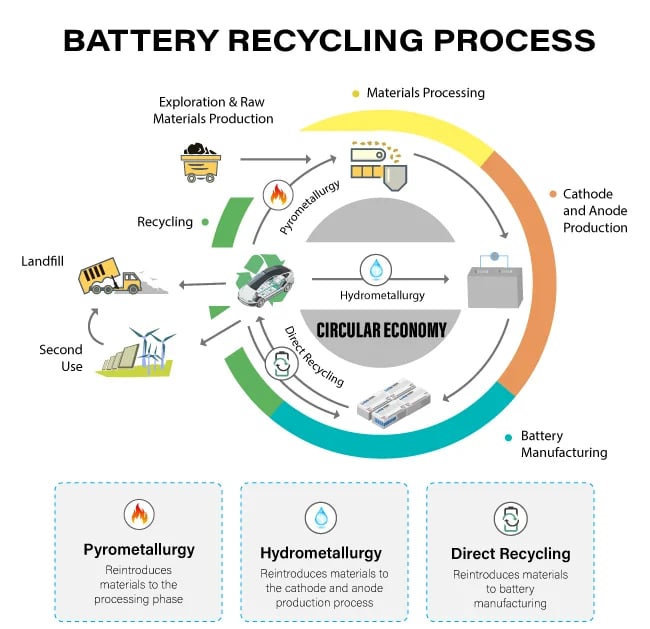
The car battery recycling process is how old batteries are collected, broken down, and turned into new battery materials. Most car batteries are lead-acid. Recyclers drain the acid, crush the battery, separate plastic and lead, and smelt the lead into clean ingots. Those ingots and recycled plastic become parts of new batteries.
- Lead is nearly 100% recyclable and is used again in new batteries.
- Plastic cases are cleaned, pelletized, and molded into new cases.
- Electrolyte (acid) is neutralized into water and salts or reused in new acid.
For you, the steps are easy: remove, transport upright, and drop off. A store or recycler handles the rest.
Types of Car Batteries and Why Recycling Differs
Most gas cars use lead-acid batteries. But not all are the same. Your approach and where you recycle may change by type.
- Flooded Lead-Acid (most common): Cheap and easy to recycle.
- AGM (Absorbent Glass Mat): Sealed design, widely recycled like flooded, common in start-stop cars.
- EFB (Enhanced Flooded Battery): For start-stop systems. Recycles like flooded.
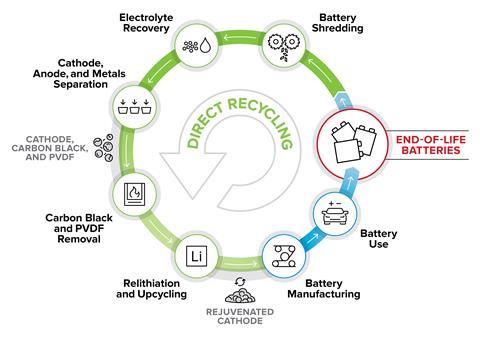
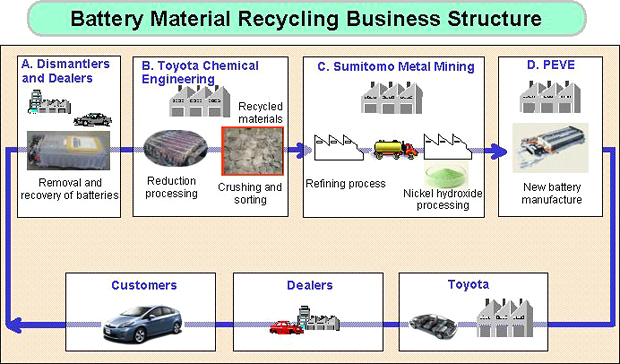
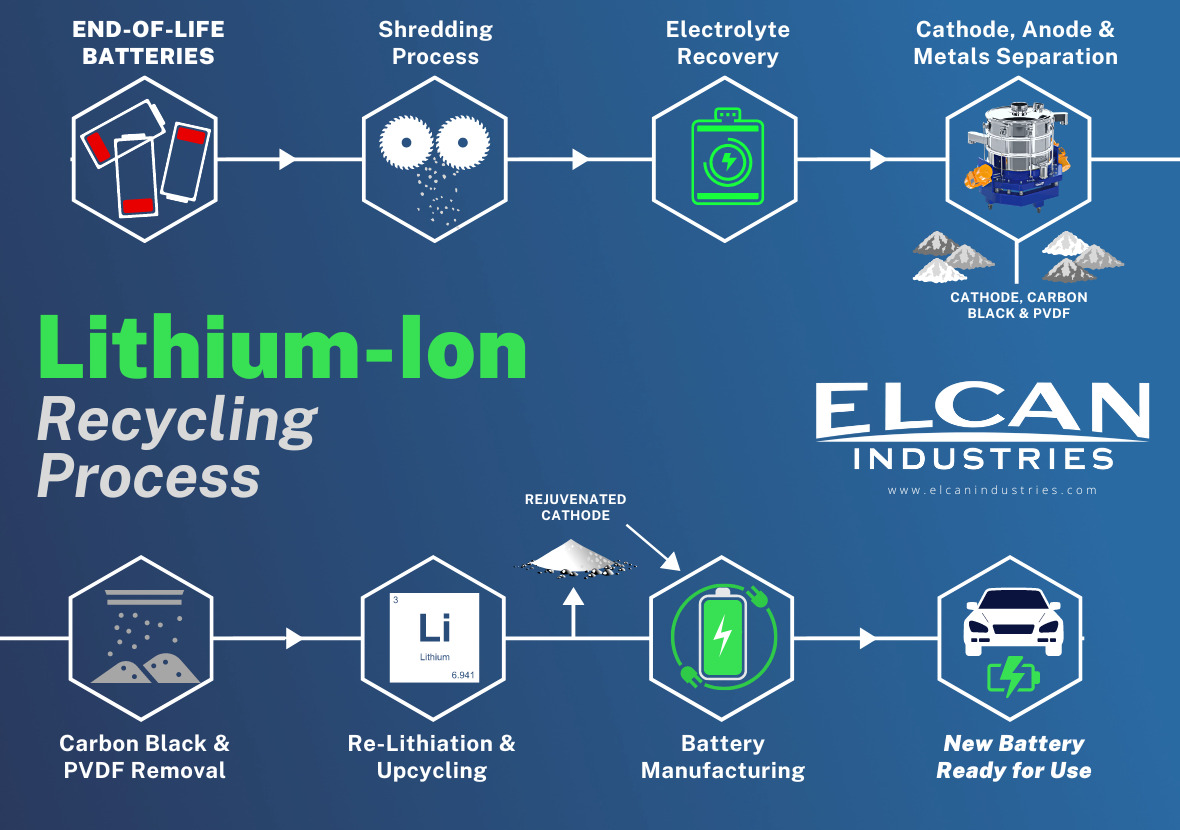
- Lithium-ion (rare for 12V; common in EV traction packs): Needs a specialized recycler. Do not drop with lead-acid unless the site accepts lithium.
Tip: If your car has start-stop, it likely needs AGM or EFB. Always replace like-for-like unless your automaker approves a change.
Before You Recycle: Diagnose and Test Your Battery
Don’t rush to recycle if a simple charge or fix will save it. Test it first. You may only have a weak charge, corrosion, or a bad alternator. A quick check can save money and time.
Tools You’ll Need to Test
These basics help you confirm the battery is done or just low on charge.

- Digital multimeter
- Safety glasses and gloves
- Baking soda and water (for corrosion)
- Wire brush or battery terminal cleaner
- Smart charger (optional but helpful)
Fast Checks: Is It Dead or Just Drained?
Use these steps. Work in a ventilated space. Wear eye protection. Batteries can vent gas and spark if mishandled.

- Look for corrosion. White/blue crust on terminals causes weak starts. Clean it with baking soda water and a brush.
- Check connections. A loose clamp or frayed cable blocks power. Tighten and repair as needed.
- Measure open-circuit voltage. Turn off the car. Wait 15 minutes. Set the multimeter to DC volts. Red to positive, black to negative.
- Interpret readings with the chart below. Then decide: charge, replace, or recycle.
- Test the alternator. Start the engine. You should see about 13.8–14.7V at the terminals. If not, your alternator may be bad.
| Battery State | Open-Circuit Voltage (12V) | What It Means | Next Step |
|---|---|---|---|
| Fully charged | 12.6–12.8V | Healthy battery | No action or float charge |
| Good, but not full | 12.4–12.5V | Partial charge | Recharge overnight |
| Weak | 12.2–12.3V | Low charge; may struggle | Recharge and retest |
| Discharged | 12.0–12.1V | Likely needs charging | Charge, check for parasitic drain |
| Very low | 11.8–11.9V | Severely discharged | Slow charge; may be sulfated |
| Bad cell suspected | < 11.8V | Often not recoverable | Replace and start the car battery recycling process |
If your battery won’t hold 12.4V after a slow charge, it’s likely done. Recycle it. A smart charger with reconditioning mode may help, but not always.
Safety First: Handling and Removing a Battery
Car batteries are heavy and can leak acid. Move slow and wear protection. Keep sparks away. Work with the engine off and keys out.
- Wear gloves and eye protection.
- Keep baking soda nearby to neutralize acid spills.
- Never tip the battery. Keep upright.
- Do not smoke or use open flames near batteries.
- Have a sturdy box or tray for transport.
Tools and Supplies
Most cars only need a few hand tools. Check your owner’s manual for exact sizes.

- 10mm or 12mm wrench/socket for clamps and hold-down
- Ratchet and extension
- Battery carrying strap (optional but helpful)
- Shop rags and baking soda solution
- Protective caps or electrical tape for terminals
Step-by-Step: Remove a Lead-Acid Battery Safely
Follow this order to avoid short circuits. Always remove the negative cable first. That prevents sparks if your wrench touches metal.

- Turn off the car and remove the key. Open the hood. Let the engine bay cool.
- Take a photo of the battery and cables. It helps during install later.
- Loosen and remove the negative (–) cable. Tuck it aside so it cannot spring back.
- Loosen and remove the positive (+) cable. Cover it with a glove or tape.
- Undo the hold-down bracket. Keep its bolts safe.
- Lift the battery straight up. Use a strap if needed. Keep it level.
- Set it in a sturdy box or tray. Do not tip it.
- Neutralize any acid residue with baking soda water. Wipe dry.
Special Notes for Start-Stop and AGM Batteries
AGM batteries are sealed. Treat them like flooded for removal. But replace AGM with AGM. Many cars need battery registration after install. Some cars also need a memory saver. Check your manual or ask a shop if unsure.
How the Car Battery Recycling Process Works (Step-by-Step)
Recyclers use advanced machines to turn your dead battery into clean raw materials. The system is closed-loop. Most of the lead and plastic comes back as new battery parts. Here is the full path your battery follows after drop-off.
Step 1: Collection and Transport
Retailers, auto shops, and municipal sites collect used batteries in secure containers. They label and store them per hazmat rules. Licensed haulers then move loads to a recycling plant. Loads are tracked for safety and compliance.
- Drivers bring in dead batteries for a core refund.
- Retailers swap your old unit when you buy new.
- Batteries are kept upright to prevent leaks.
Step 2: Sorting and Inspection
At the plant, workers sort by chemistry and type. Lead-acid goes one way. Lithium units go to a different stream. Damaged cases may be handled in special areas to prevent spills.
- Lead-acid batteries are the main stream.
- Lithium batteries need dedicated recyclers.
- Labels and weights are checked against manifests.
Step 3: Draining and Neutralizing Electrolyte
Lead-acid batteries hold sulfuric acid. Recyclers safely drain it and neutralize it with an alkaline solution. The result is water and salts. Some facilities purify and reuse it for new electrolyte.
- Acid is captured in sealed systems.
- Neutralization prevents harm to soil or water.
- Recovered liquids may be filtered and repurposed.
Step 4: Crushing and Material Separation
Next, a hammer mill or crusher breaks the battery. Pieces flow through tanks where materials separate by weight. Heavy lead parts sink. Plastic floats. Paste is collected for refining.
- Plastic (polypropylene) is skimmed, washed, and dried.
- Lead grids and terminals are isolated.
- Lead oxide paste is filtered for smelting.
Step 5: Smelting and Lead Refining
Lead pieces and paste go into a furnace. They melt and separate from impurities. Recyclers cast the clean lead into ingots. Many plants produce high-purity lead that meets new battery specs.
- Flux and filters capture dust and fumes.
- Lead returns to near-virgin purity.
- Ingot sizes vary by customer needs.
Step 6: Plastic Recycling
Recovered plastics are shredded, washed, and pelletized. These pellets become new battery cases and other molded parts. Modern plants recycle case labels and separators when possible.
- Polypropylene cycles repeatedly with minimal loss.
- Color sorting improves final product quality.
- Pellets head to molding lines at battery factories.
Step 7: Making New Batteries
Battery makers buy recycled lead ingots and plastic pellets. They build new grids, paste plates, and mold cases. Much of a new lead-acid battery may be made from old ones. This loop keeps materials in use.
- Recycled content can be very high.
- Performance matches new materials.
- The loop repeats at end-of-life.
Environmental Safeguards and Regulations
Recycling plants use strict controls to protect workers and the environment. Air scrubbers, sealed drains, and lined floors are standard. Inspections and permits enforce best practices.
- Lead exposure limits follow federal and state rules.
- Wastewater is treated before discharge.
- Hazardous waste is tracked and documented.
Lead-acid batteries are one of the most recycled consumer products, according to the EPA. Learn more about safe handling and recycling programs according to the EPA. For general car battery care and replacement help, see guidance as explained by AAA. For testing and buying advice, Consumer Reports also offers helpful battery insights based on this battery guide.
Where to Recycle Your Car Battery in the USA
Dropped batteries are welcome at many auto parts stores, repair shops, and recycling centers. Most places accept lead-acid units for free. Many offer a core refund when you return your old battery during purchase.
- Auto parts stores: Often the fastest option, with core refunds.
- Repair shops: Many accept drop-offs, even if you didn’t buy there.
- Municipal hazardous waste sites: Great for multiple batteries.
- Scrap yards and metal recyclers: Call first to confirm policies.
- Battery specialty retailers: Good for AGM and specialty sizes.
Call ahead to confirm what they accept. Lithium batteries may need a different site than lead-acid. Keep each chemistry separate.
DIY Drop-Off: A Simple How-To Checklist
Ready to recycle? Follow this checklist and you’ll be done in minutes. It’s easy and safe if you prepare well.
- Wear gloves and glasses. Keep kids and pets away.
- Cover terminals with caps or electrical tape to prevent shorting.
- Keep the battery upright. Place it in a box or battery tray.
- Load it into the trunk or truck bed. Do not place it in the cabin.
- Bring your receipt if you seek a core refund.
- Drive gently. Avoid hard turns or bumps.
- Hand it to the staff. Ask for a receipt or refund slip.
That’s it. Most drop-offs take less than five minutes. If you’re buying a new battery, bring the old one for instant savings.
Costs, Core Charges, and Refunds Explained
Most new batteries include a “core charge.” It’s a deposit to make sure you return the old one. When you bring back your old battery, you get the core refunded. Think of it as rental return money.
- Typical core charges: $10–$30, depending on retailer and state.
- Refund timing: Often instant with receipt. Sometimes same card.
- No receipt? Many stores still accept the core, but policies vary.
Recycling drop-off is often free. Some centers even pay a small amount for lead-acid batteries. Call first to confirm local rules and payouts.
Common Problems and Quick Fixes Before You Recycle
Many batteries get tossed early. Check these quick fixes first. You might save a battery that only needs a little care.
| Symptom | Likely Cause | Quick Fix |
|---|---|---|
| Slow crank on cold mornings | Weak charge or cold-soaked battery | Overnight charge; test in the morning; consider a battery blanket in extreme cold |
| Clicking but no start | Poor connection or sulfated battery | Clean terminals; tighten clamps; slow-charge and retest |
| Intermittent start | Loose clamp or failing starter relay | Secure clamps; test starter circuit if issue remains |
| Battery dies overnight | Parasitic drain (light, module, or accessory) | Pull fuses to isolate draw; fix the circuit; use a maintainer |
| Battery light on while driving | Bad alternator or belt | Test for 13.8–14.7V with engine on; inspect belt; replace alternator if low voltage |
| Heavy corrosion on posts | Acid fumes or venting | Neutralize with baking soda; clean and protect with dielectric grease |
| Swollen or cracked case | Overcharge or freeze damage | Do not charge; recycle immediately; check the charging system |
If the battery is physically damaged, skip testing and recycle now. Safety first.
Winter, Heat, and Short Trips: How They Shorten Battery Life
Cold slows the chemical reaction inside a battery. Heat speeds aging. Short trips never let the alternator top off the charge. These three kill many batteries early.
- Winter: A weak battery may fail after a cold snap. Keep it fully charged.
- Summer: Heat cooks plates. Park in the shade when you can.
- Short trips: Combine errands to allow longer charging time.
A smart maintainer can extend life. Use it if your car sits for long periods. It keeps the charge level steady and prevents sulfation.
Extend Battery Life to Delay Recycling (Maintenance Tips)
Want to save money and reduce waste? Care for your battery so it lasts longer. Small habits make a big difference.
- Keep terminals clean and tight.
- Use a smart maintainer if you drive less than 20 minutes at a time.
- Secure the battery with a proper hold-down to avoid vibration damage.
- Check charging voltage every oil change.
- Avoid deep discharges from lights or accessories.
- Replace with the correct type and capacity for your car.
These steps add months or years to battery life. Fewer replacements mean fewer trips to recycle.
Special Case: Hybrid and EV Batteries vs 12V Car Batteries
Hybrids and EVs use big lithium packs. They also still use a 12V battery (lead-acid or lithium) to power accessories. Each has a different recycling path.
- 12V in hybrids/EVs: Often AGM or lithium. Check your manual. Recycle like-for-like.
- Traction packs: Always use manufacturer or certified programs. They need special handling.
- Do not open or try to disassemble lithium packs at home.
Learn about EV and hybrid battery recycling programs and safety expectations from federal resources, including guidance according to the EPA. Your dealer can direct you to the right channel for your model.
Car Battery Recycling Process: At-a-Glance Table
Here is the full car battery recycling process in one quick view. Use it to see where your battery’s materials go and how they come back.
| Stage | What Happens | Output Material | Where It Goes |
|---|---|---|---|
| Collection | Stores and centers take your old battery | Intact used batteries | Transport to recycler |
| Sorting | Separate by chemistry and condition | Lead-acid vs lithium streams | Correct processing line |
| Electrolyte handling | Drain and neutralize acid safely | Water and salts (or reused acid) | Treatment or reuse |
| Crushing | Break the battery into parts | Mix of plastic, lead, and paste | Separation tanks |
| Separation | Float/sink process sorts materials | Plastic, lead, and lead paste | Plastic wash; lead smelting |
| Smelting | Melt and refine lead | Lead ingots | New battery components |
| Plastic recycling | Clean and pelletize plastic | Polypropylene pellets | Molded into new cases |
| Manufacture | Build new batteries with recycled content | New car batteries | Back to stores and your car |
Decide: Recharge, Replace, or Recycle?
Unsure what to do? Use this quick decision table. It ties your test results to a clear action so you do not waste time or money.
| Condition | Test Result | Decision (Car Battery Recycling Process) | Action |
|---|---|---|---|
| Low but stable | 12.2–12.4V after rest | No recycle yet | Slow charge overnight; retest |
| Won’t hold charge | Drops below 12.4V within hours | Recycle soon | Replace and return old unit for core refund |
| Damaged case | Cracked, swollen, or leaking | Recycle now | Do not charge; transport upright and drop off |
| Bad alternator | <13.8V while running | Don’t recycle yet | Fix charging system, then retest |
| Old age | 4–6 years in service | Plan to recycle | Replace proactively before winter |
Step-by-Step: Jump-Start and Test Before You Decide
Need the car running right now? Jump-start it, then test. This avoids recycling a good battery by mistake.
- Park donor car close. Engines off. Connect red to dead positive. Then red to donor positive.
- Connect black to donor negative. Then black to a metal ground on the dead car (not the battery).
- Start donor. Wait 2 minutes. Start the dead car.
- Let it run 15–20 minutes. Drive if safe. Then test voltage off and on.
- If it won’t hold 12.4V after a drive, the battery is likely done. Begin recycling.
Carry jumper cables and a small jump pack. They save the day when a battery fails away from home.
How to Store a Dead Battery Safely Before Drop-Off
Sometimes you cannot drop it off right away. Store it with care. Keep it upright and out of reach of kids and pets.
- Place it in a leak-proof tray or box.
- Cover the terminals. Tape works.
- Store in a cool, dry spot. Avoid sun and heat.
- Do not store near flames, heaters, or sparks.
- Recycle as soon as you can. Do not let it sit for months.
Lead-Acid vs Lithium: Why They Can’t Mix at Drop-Off
Lead-acid and lithium batteries need different recycling methods. Many stores take both, but they must be sorted. Never toss both in the same bin.
- Lead-acid: Go to a traditional battery recycler. Very high recovery rate.
- Lithium-ion: Needs fire-safe handling and different processes.
- Ask the counter staff where to place each type.
Mixing chemistries can be dangerous. Staff will guide you. If in doubt, bring them in one at a time and ask.
Environmental Benefits: Why Recycling Matters
Battery recycling keeps lead and acid out of landfills. It also cuts demand for new mining. That saves energy and reduces pollution. It is one of the top closed-loop systems in consumer goods.
- Less mining and smelting of virgin lead.
- Less plastic waste from old cases.
- Safe handling of hazardous materials.
Your single drop-off makes a big difference. The loop only works if drivers return old units. It is the easiest green win in car care.
How Stores Track Cores and Refunds
When you buy a new battery, the core is tied to your receipt. Return the old one with that slip. The counter links the return to the sale and issues a credit or refund.
- Lost receipts happen. Some stores can look you up by card or phone.
- Bought online? Bring the packing slip or order email.
- No matching brand required. Most stores accept any lead-acid core.
Policies vary, but the idea is the same. The core system keeps batteries flowing back into the loop.
Install the New Battery: Quick Fit Tips
After recycling the old unit, get the new one in right. A clean, tight install prevents future trouble. Here is a fast guide.
- Clean the tray and clamps. Neutralize any acid with baking soda water.
- Set the new battery in. Keep it straight and level.
- Secure the hold-down. Do not over-tighten and crack the case.
- Connect positive (+) first. Then negative (–).
- Coat terminals lightly with dielectric grease.
- Start the car. Check for 13.8–14.7V charging.
If your car needs battery registration, use a scan tool or visit a shop. Many start-stop cars require this step for proper charging.
Seasonal Checklist: Keep It Charged and Ready
Do a quick battery check with the seasons. It prevents surprises on the first cold day or heat wave.
- Fall: Load-test or at least check voltage. Replace weak units before winter.
- Winter: Keep a jump pack in the trunk. Drive longer trips once a week.
- Spring: Inspect for corrosion. Clean and protect the posts.
- Summer: Park in shade. Check alternator output on hot days.
Simple checks lead to fewer no-start mornings. Your time is worth it.
Real-World Scenarios: What I Tell Drivers
Over the years, I have seen the same issues repeat. These three come up most. Here is what I suggest.
- Sudden failure after a cold snap: The battery was weak for months. Replace and recycle now. Test the charging system.
- Repeated dead battery after short trips: Use a maintainer and combine trips. If it still fails, test for parasitic drain.
- Swollen case in summer: Overcharging or heat damage. Replace and recycle. Check alternator voltage and belt tension.
Fix the root cause. Then your next battery can last its full life.
How Long Should a Car Battery Last?
Most last 3–5 years. AGM can push longer with good care. Heat and short trips cut life. Cold exposes weak cells. If you are near five years, test it. Plan a proactive replacement before winter.
- City driving with short trips: Expect closer to 3 years.
- Highway miles and maintainers: 5+ years is common.
- Start-stop cars: Use the correct battery type or life will drop fast.
Every car and driver is different. Maintenance matters as much as brand or price.
Disposal You Should Never Do
Old batteries are hazardous. Never dump or trash them. It is illegal in many places and unsafe for people and wildlife.
- Do not put in household trash.
- Do not pour out electrolyte.
- Do not store outdoors where kids can reach.
- Do not scrap without a licensed recycler.
If a site refuses your battery, call your city’s waste department or a parts store for guidance. There is always a safe option nearby.
Troubleshooting After a New Battery Install
New battery, but warning light is on? Or it dies fast again? The problem may not be the battery. Check the system.
- Charging light on: Test alternator and belt. Fix first.
- Still drains overnight: Find parasitic draw. Check glove box and trunk lights.
- Hard starts only when hot: Starter or heat soak, not the battery.
Diagnose before blaming the new battery. A good system keeps it healthy. A bad one kills it early.
Recycling Credits for Fleets and DIYers
If you run a small fleet or collect cores, ask about bulk returns. Some recyclers pay per battery. Even for DIYers, trading in two or three at once can earn a small payout.
- Call scrap yards and recyclers for current rates.
- Sort by type to avoid mix-ups.
- Keep records for tax or business tracking.
Always follow transport rules. Secure loads. Label if required by your state.
Myths and Facts About Battery Recycling
There is a lot of confusion out there. Here are the myths I hear most, with the facts that matter.
- Myth: “It all ends up in a landfill.” Fact: Lead-acid batteries are among the most recycled consumer products. The loop is strong.
- Myth: “Recycled lead is low quality.” Fact: Refining yields high-purity lead that meets new battery specs.
- Myth: “It’s dangerous to move a dead battery.” Fact: It’s safe if kept upright and handled with gloves.
- Myth: “You get nothing back.” Fact: Core refunds offset costs at most stores.
Trust the process. It works, and it is built to protect you and the environment.
FAQ
How do I know when to recycle my car battery?
Recycle when it will not hold 12.4V after a slow charge, the case is swollen or cracked, or it is over five years old and failing load tests. Physical damage means recycle now.
Can I throw my old battery in the trash?
No. It is hazardous waste. Take it to an auto parts store, repair shop, or municipal center for safe recycling. Many places give a core refund.
Is the acid inside dangerous?
Yes. It can burn skin and eyes. Keep the battery upright. Wear gloves and glasses. If it leaks, neutralize with baking soda and water, then rinse and wipe.
What is a core charge and how do I get it back?
A core charge is a deposit on your old battery. Return the old one with your receipt to get a refund. It encourages proper recycling.
Can a battery maintainer really extend life?
Yes. It keeps charge levels steady and reduces sulfation. Great for cars that sit or do short trips. It can add months or years to battery life.
Where can I recycle lithium car batteries?
Use a site that accepts lithium. Ask your dealer or a battery specialty store. Many auto parts stores accept them but may have separate bins and rules.
Will a parts store take my battery even if I didn’t buy there?
Most will. Policies vary. Many accept any lead-acid core for recycling, and some pay or credit you even without a purchase.
Conclusion
Recycling your car battery is fast, safe, and smart. Test the battery first. If it is done, remove it with care and drop it at a trusted location. The recycler will drain, crush, separate, and refine the pieces into new batteries. You help the planet, avoid fines, and often get a core refund.
Check your voltage today. Clean your terminals. If the battery is weak or damaged, start the recycling process now. You will drive with confidence, and your next start will be stress-free.

