Quick Summary: To transport a battery safely, keep it upright in a sturdy battery box, cap the terminals, secure it so it cannot move, ventilate the area, and wear gloves and eye protection. Test voltage first, check for leaks, and never place metal on the battery. If shipping, follow carrier hazmat rules and proper labeling.
Moving a car battery sounds simple, but it can go wrong fast. Acid, sparks, and heavy weight make it risky—especially in a small car. Don’t worry. I’ll show you how to transport a battery safely, step by step, without drama. You’ll learn the right tools, the best way to secure it, what to avoid, and how to test the battery before and after the trip.
How to Transport a Battery Safely: Step-by-Step
Think of a battery like a full coffee cup with live wires. You want it upright, covered, and steady. Follow this plan to stay safe and protect your car and the battery.
- Put on safety gear. Wear nitrile or rubber gloves and safety glasses. Keep baking soda and water nearby to neutralize acid if needed.
- Check the battery case. Look for cracks, bulges, leaks, or a rotten egg smell. If you see any, do not move it. Replace it instead.
- Test voltage. Use a multimeter. A healthy 12V battery at rest reads about 12.6–12.7V. Low voltage means charge before moving, if possible.
- Cap the terminals. Use terminal covers. If you don’t have them, wrap each terminal separately with electrical tape. Prevent any chance of a short.
- Keep it upright. For flooded lead-acid batteries, upright is a must. AGM is spill-resistant, but upright is still best practice.
- Use a battery box or strong tray. Place the battery in a plastic battery box with a lid. Add padding (foam, folded cardboard) to stop movement.
- Secure it tightly. Strap the box down with a ratchet strap or use built-in tie-downs. The battery should not slide, tip, or bounce.
- Choose the right spot. Trunk or cargo area is best. Keep it away from people and pets. Ventilate the space; crack a window if needed.
- Remove metal objects nearby. No tools, coins, or loose hardware near the battery. A short can cause burns, fires, or an explosion.
- Drive smooth and direct. Avoid hard turns, sudden stops, and rough roads. Go slow over bumps. Take the shortest safe route.
Safety First: Understand Battery Risks
Car batteries store a lot of energy. When handled wrong, they can leak acid, release gas, or short out. Understanding the risks helps you avoid them.
- Acid burns. Flooded lead-acid batteries contain sulfuric acid. It burns skin and eyes and ruins fabric and paint.
- Gas buildup. Batteries can vent hydrogen gas. It’s flammable. Avoid sparks and keep good airflow.
- Short circuits. Metal touching both terminals can spark, weld, or ignite surrounding materials.
- Heavy weight. Most car batteries weigh 30–50 lbs. Bad lifts can injure your back or drop the battery.
Types of Batteries You Might Move
Not all 12V batteries behave the same. Know what you have so you package and secure it the right way.
- Flooded lead-acid (wet cell): Common in many cars. Must stay upright. Has removable caps on some models.
- AGM (Absorbent Glass Mat): Spill-resistant, sealed design. Handles vibration well. Often used in start-stop vehicles.
- EFB (Enhanced Flooded Battery): Improved wet cell for start-stop systems. Still wants to stay upright.
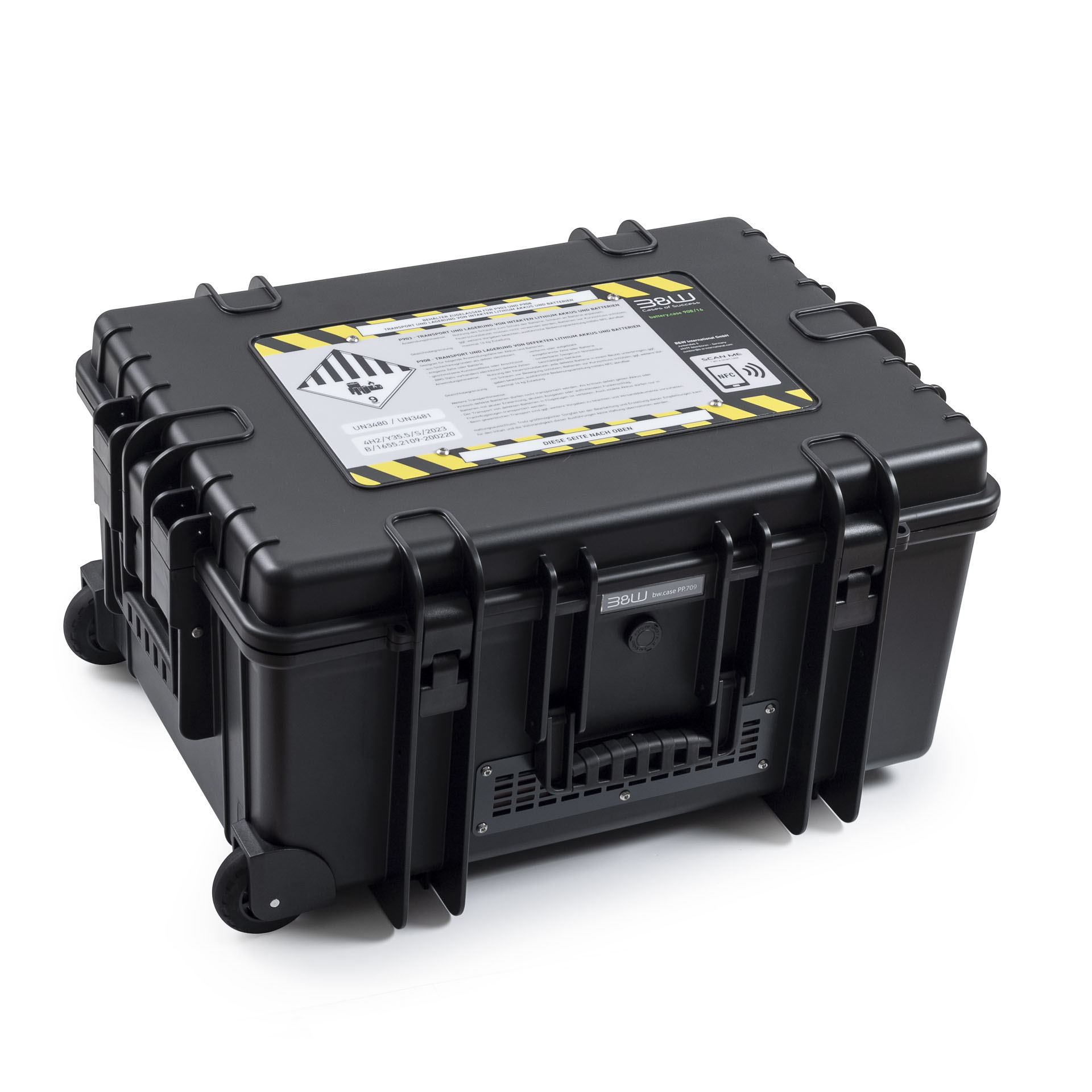
- Lithium (LiFePO4/other chemistries): Light and powerful, but strict shipping rules apply. Protect against puncture and avoid extreme heat.
Hazards to Watch For
Spot warning signs before you move the battery. Acting early can prevent injury or damage.
- Rotten egg smell: Possible overcharge and hydrogen sulfide gas. Ventilate and avoid sparks.
- Swollen case: Heat or internal failure. Do not transport. Replace it.
- Wet or crusty top: Electrolyte leakage or venting. Neutralize with baking soda and clean before moving.
- Cracks or dents: Structural damage. Replace. Do not carry in your car.
Legal and Shipping Rules Basics
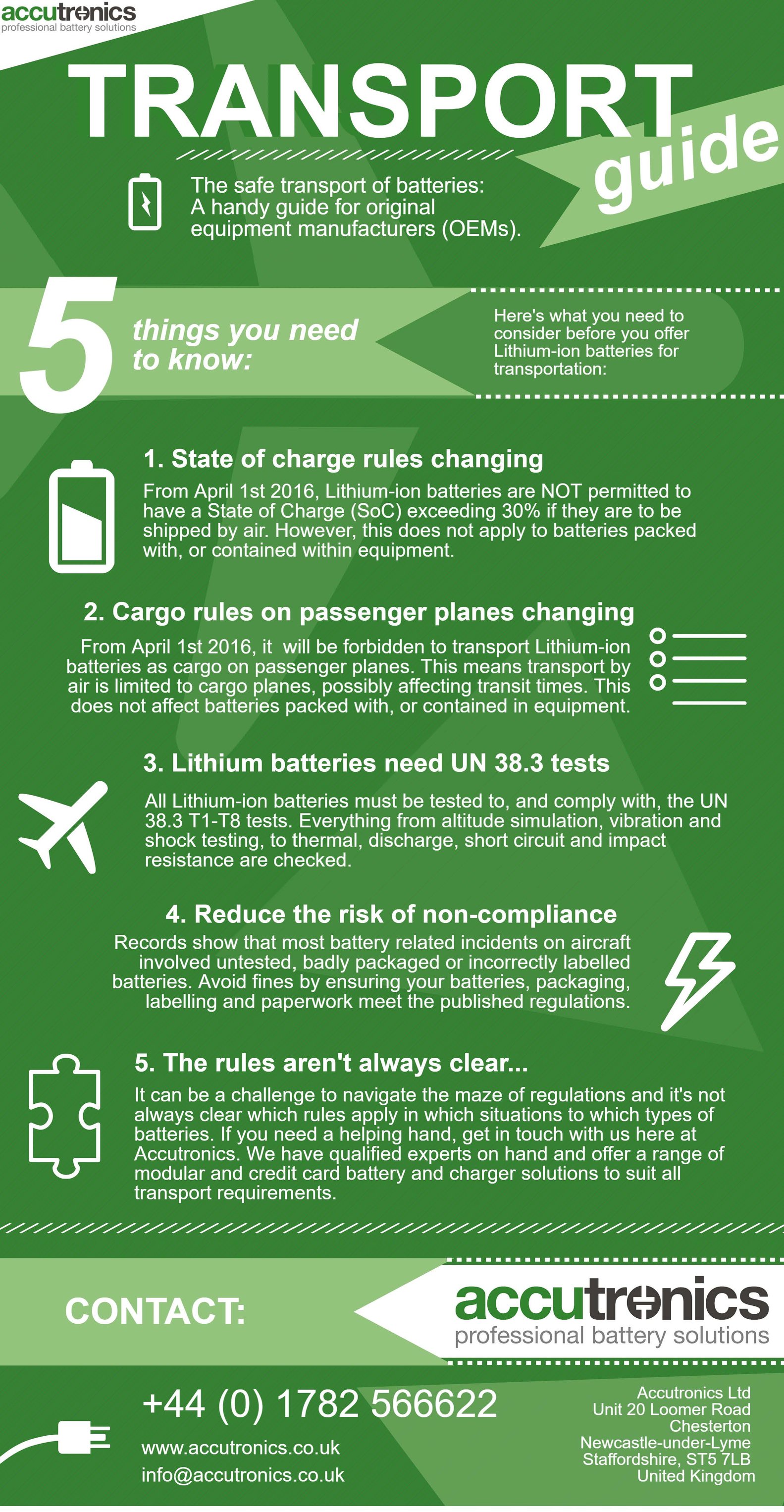
Battery shipping has strict rules. If you’re mailing or flying with a battery, you must follow hazmat regulations and carrier policies.
- Hazmat laws: The U.S. Department of Transportation sets hazardous materials rules. Check guidance from the Pipeline and Hazardous Materials Safety Administration.
- Carrier policies: Airlines and couriers have special packaging and labeling requirements.
- UN numbers: Lead-acid batteries are often UN2794 (wet, filled with acid). Lithium-ion cells are UN3480/3481. Rules differ by type.
For current rules, see information from the U.S. Department of Transportation and the Federal Aviation Administration.
- Refer to hazmat guidance from the U.S. DOT PHMSA (according to official guidance)
- Check airline battery rules from the FAA (as explained on FAA pages)
Tools and Supplies You Need
A few simple tools make the job safe and smooth. Prep these before you pick up the battery.

- Multimeter: To test voltage before and after transport.
- Battery box with lid: Plastic, acid-resistant, and easy to strap down.
- Terminal covers or electrical tape: For short-circuit protection.
- Ratchet straps or bungee cords: To secure the box so it cannot slide or tip.
- Nitrile or rubber gloves: Protects your hands from acid and grime.
- Safety glasses: Shields eyes from splashes.
- Baking soda and water: Neutralizes acid spills.
- Shop rags and paper towels: For cleanup and padding.
- Plastic tray or mat: Adds a stable, non-conductive base under the battery box.
- Flashlight: Helps you inspect cracks and leaks in low light.
Pre-Transport Checklist (In Car or By Hand)
Before you move the battery, run through this quick checklist. It will save time and keep you safe.
- Inspect the case: No cracks, bulges, or wet spots.
- Smell test: No strong sulfur odor.
- Voltage check: Aim for 12.4V or higher. Charge if lower.
- Clean the top: Wipe away dirt. Neutralize any acid with baking soda and water.
- Cap terminals: Install covers or tape them separately.
- Vent caps tight: For flooded batteries with caps, make sure they’re snug.
- Use a box: Place in a battery box with padding.
- Secure it: Strap the box so it cannot move.
- Choose the right spot: Trunk or cargo area, flat and away from heat.
- Plan the route: Fewer bumps, less stop-and-go.
| Resting Voltage (12V Lead-Acid) | State of Charge | Condition | Transport Readiness (How to transport a battery safely) |
|---|---|---|---|
| 12.7–12.6V | 100% | Healthy | Yes, if no leaks and terminals capped |
| 12.5V | 90% | Good | Yes, secure in a battery box |
| 12.4V | 75–80% | Usable | Yes, but charge soon |
| 12.2V | 50% | Low | Charge before long transport |
| 12.0V | 25% | Very low | Charge first; avoid deep discharge |
| 11.9V or less | <20% | Discharged/possible damage | Do not transport in-cabin; evaluate/replace |
How to Transport a Battery in Your Car or Truck
Choose a safe location in the vehicle and lock the battery down. Keeping it away from you and preventing movement are the two big goals.

In the Trunk or Cargo Area (Best Practice)
This is usually the safest spot. It’s separate from passengers, flat, and easy to secure.
- Place a plastic mat or tray on the floor of the trunk.
- Set the battery box on the mat and drop the battery into the box.
- Pad the sides so the battery cannot rattle inside.
- Close the lid and strap the box down using tie-down points or seat anchors.
- Crack a window or open the rear vents for airflow, especially after charging.
In the Passenger Cabin (Only if Necessary)
Keep the battery behind the front seats on the floor. Never on a seat or near airbags.
- Use a battery box with a tight lid and terminal covers.
- Place the box on the rear floor, centered and flat.
- Wedge with a rubber mat, towels, or foam to stop movement.
- Run a strap around the box and under the seat base if possible.
- Crack two windows for light ventilation.
In a Pickup Bed
A truck bed can be ideal if you secure and weather-protect the battery.
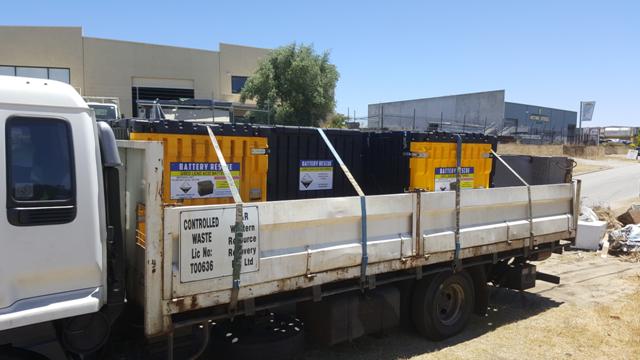
- Use a sealed battery box with weather protection.
- Strap the box to bed anchors with ratchet straps.
- Avoid direct sun in hot weather; shade the box if needed.
- Keep away from steel tools and loose metal parts.
- Drive gently to avoid bouncing on rough roads.
Packaging and Securing the Battery
Good packaging prevents spills, shorts, and damage. Treat the battery like fragile cargo with a live charge.
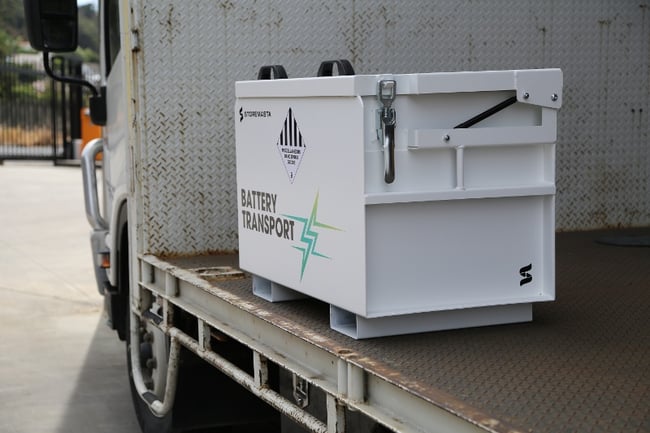
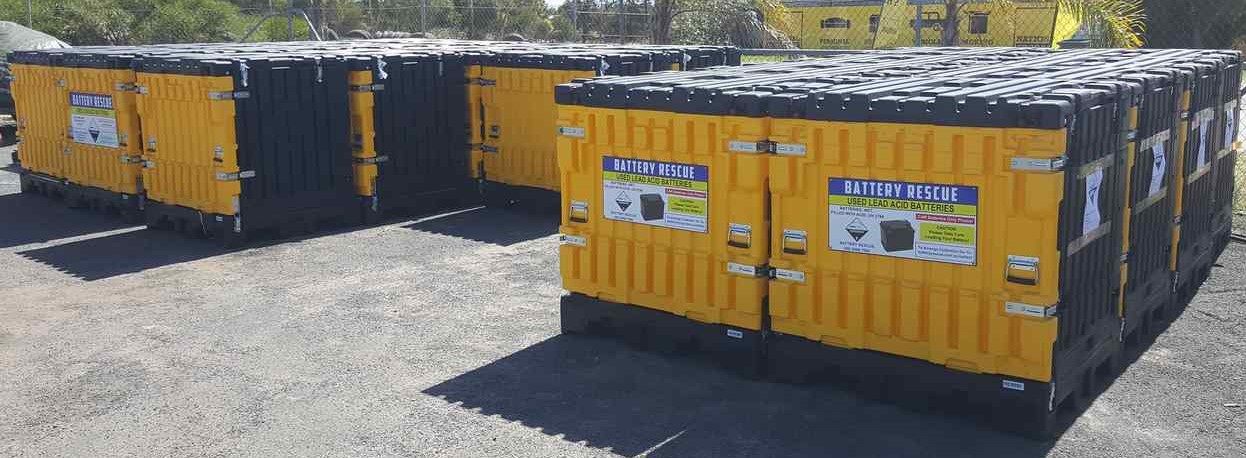
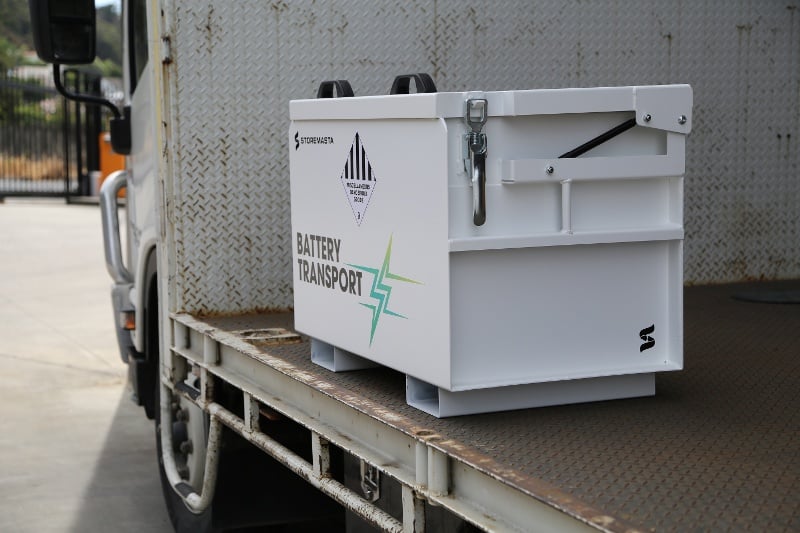
- Use a rigid plastic battery box: It contains leaks and blocks shorts. Many have strap slots.
- Add padding: Foam blocks, dense towels, or cardboard prevent shifting.
- Cover terminals: Install plastic caps or wrap each terminal separately with tape.
- Keep upright: Flooded batteries must stay upright. AGM can handle some tilt, but upright is still best.
- Secure with straps: Tighten until the box cannot slide or tip.
- Label the box: “Battery—Keep Upright” helps anyone handling it.
AGM batteries are more forgiving, but flooded batteries need strict upright handling to avoid electrolyte leaks. As explained by AAA, proper handling and ventilation reduce risk while keeping performance high.
Jump-Starters, Power Banks, and Small Batteries
Lithium jump packs and small motorcycle or lawn batteries are easier to move, but still need care.
- Lithium jump-starters: Keep in the protective case. Do not leave in a hot car. Avoid crushing or puncturing.
- Small lead-acid batteries: Still use a small battery box. Keep upright and cover terminals.
- Tool batteries: Use the original case. Avoid heat and direct sun.
- Air travel: Check FAA rules for lithium batteries in carry-on vs. checked bags.
Shipping a Battery: Courier, Airline, and Mail Rules
Sending a battery is different from driving one across town. Carriers and airlines follow strict safety codes.
- Identify the battery type: Lead-acid, AGM, gel, or lithium all have different UN codes and rules.
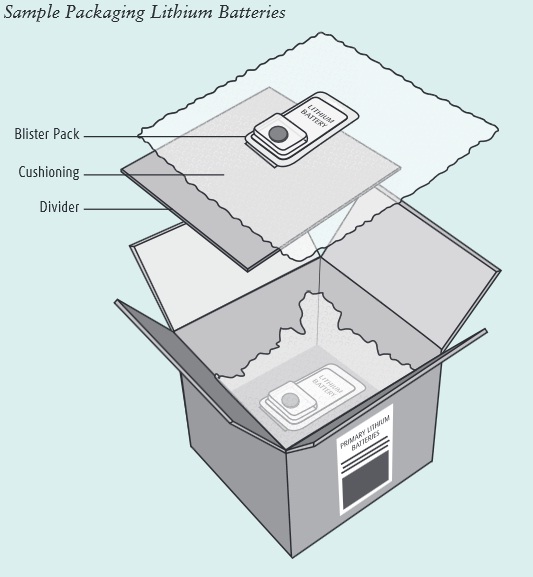
- Check packaging requirements: Strong outer packaging, inner protection, and terminal covers are standard.
- Use proper labels: Hazmat marks and UN numbers may be required (e.g., UN2794 for wet batteries, UN3480 for lithium-ion).
- Ask your carrier: Get current rules from your courier or airline before shipping.
- Document and declare: Fill out any hazmat paperwork honestly.
For policy details, consult DOT PHMSA guidance for hazardous materials and FAA battery transportation information. These sources outline how to package, label, and declare batteries for safe shipment.
What to Do If Something Goes Wrong
Stay calm and move fast. Small steps make big problems small. Safety first, car second.
- Acid spill (flooded battery): Put on gloves and glasses. Sprinkle baking soda until fizzing stops. Wipe with paper towels. Bag and trash the towels. Rinse the area with water.
- Short circuit or sparks: Do not touch the battery with bare hands. Remove metal objects. Cover terminals. Let things cool and ventilate.
- Strong sulfur smell: Ventilate, avoid flames, and move the car to open air. Replace the battery if overcharging or internal failure is suspected.
- Cracked or swollen battery: Do not transport further. Replace and recycle the bad unit.
When it’s time to recycle, use approved drop-off points. Based on this battery guide from the EPA, recycling centers and auto parts stores accept used car batteries and handle them safely.
Common Problems, Causes, and Quick Fixes
Use this fast guide when something looks or smells off. It helps you act with confidence.
| Symptom | Likely Cause | Quick Fix (Transport) |
|---|---|---|
| Rotten egg smell | Overcharging, venting hydrogen sulfide | Ventilate, avoid sparks, replace battery if smell persists |
| Wet top or white crust | Electrolyte leak or venting, corrosion | Neutralize with baking soda, dry, cap terminals, keep upright |
| Swollen or bulged case | Heat or internal failure | Do not transport; replace and recycle |
| Warm to the touch | Recent charging or internal short | Let it cool, retest voltage, replace if it stays warm |
| Sparks when tool touches | Short circuit from metal object | Remove metal, cover terminals, use a box and padding |
| Sloshing noise | Flooded battery fluid moving | Keep upright, drive gently, secure more tightly |
| Low voltage (under 12.2V) | Discharged battery | Charge before transport; avoid in-cabin moving of deep-discharged units |
| Handle broken | Age or damage | Carry with both hands at the base; use a box with handholds |
How to Test Your Battery Before and After Transport
Testing takes minutes and gives peace of mind. Check before you move the battery and when you arrive.
- Resting test (engine off): Set your multimeter to DC volts. Touch red to positive (+), black to negative (−). A healthy reading is 12.6–12.7V.
- Under-load test: If installed, turn on headlights for two minutes, then test. If it drops below 12.2V, it’s weak.
- Charging test (engine running): With the engine on, test again. 13.8–14.7V means the alternator is charging well.
- After transport: Recheck resting voltage. Big drops suggest internal issues or parasitic drain if installed.
Cold weather lowers voltage and cranking power. Heat speeds up chemical wear. Keep the battery near 100% state of charge for the best results.
Cold Weather, Heat, and Long Trips
Temperature affects batteries more than most drivers realize. Plan for the weather and your trip length.
- Cold (below 32°F): Capacity drops and starting gets harder. Keep the battery warm before moving. Avoid leaving it outside overnight.
- Heat (above 90°F): Speeds up evaporation and aging. Shade the battery. Do not leave it in a closed, hot car.
- Long trips: Re-check straps and padding at fuel stops. Vibration and bumps can loosen tie-downs.
- Moisture: Keep the battery dry. Water plus dirt can cause minor surface discharge.
Cost-Saving Tips and When to Replace
Smart handling protects your wallet and your car. Know when to keep a battery and when to let it go.
- Use a core return: Most parts stores give a credit when you bring back your old battery.
- Check the date code: If a battery is over 4–5 years old, consider replacement instead of transport.
- Condition before moving: Clean terminals, top off charge, and inspect. A little prep prevents damage during the trip.
- Buy the right size: Group size and CCA matter. A proper fit prevents movement and strain.
- Test first: A free in-store test can save you from hauling a dead or unsafe unit.
Real-World Scenarios and Solutions
Here are common situations with clear steps. Use them as quick guides when time is tight.
- Swapping batteries between cars: Use two battery boxes. Cap both sets of terminals. Move one at a time in the trunk.
- Buying a new battery solo: Ask the store for a battery box and terminal caps. Strap the box in your trunk.
- Winter road trip with a spare: Charge the spare to 12.6V. Store in a sealed box with padding. Crack a rear window for airflow.
- Moving to a new home: Keep batteries in the last load. Put boxes against the cargo wall and strap down. Avoid storing near heaters.
How to Lift and Carry a Battery Safely
Good lifting technique protects your back and reduces drops. These steps are simple but important.
- Wear gloves for grip. Get your feet close to the battery.
- Bend your knees, keep your back neutral, and grip the base, not just the handle.
- Lift with your legs. Keep the battery close to your body.
- Take small steps. Do not twist while holding the battery.
- Set it down gently into the box or onto a flat surface.
Do’s and Don’ts for Transporting a Battery
Keep these rules in mind every time. They are simple and prevent most problems.
- Do: Wear gloves and glasses, keep upright, cap terminals, and secure in a battery box.
- Do: Ventilate the car, drive smooth, and keep metal objects away.
- Don’t: Put a battery on a seat or near passengers.
- Don’t: Transport a damaged, cracked, swollen, or leaking battery.
- Don’t: Leave a battery in a hot car or in direct sunlight for long periods.
Quick Reference: Voltage and Readiness
Use these simple cues to decide if you should charge, transport, or replace.
- 12.6–12.7V: Ready to go.
- 12.4–12.5V: Okay, but charge soon.
- 12.2V: Low—charge before a long drive.
- 12.0V or less: Very low—charge first or replace.
Why Ventilation Matters
Batteries can vent hydrogen, especially after charging. Fresh air lowers fire risk and keeps your car interior safe.
- Crack windows: Two windows open slightly is enough for short trips.
- Avoid sparks: No smoking or open flame near the battery.
- Check for smells: If you smell sulfur, ventilate more and recheck the battery condition.
After-Transport Checklist
When you arrive, run through this quick check before installing or storing the battery.
- Visual check: No new cracks, leaks, or bulges.
- Voltage test: Confirm 12.6–12.7V resting if recently charged.
- Clean and dry: Wipe off any moisture. Keep the top clean.
- Store right: Cool, dry place, away from flames or heaters.
- Install with care: Positive cable first on install, negative last. On removal, reverse the order.
If You Must Store the Battery for a While
Short-term storage is fine with a few precautions. Keep the battery healthy and safe.
- Use a maintainer: A smart trickle charger keeps it topped up.
- Check every month: Test voltage. Charge if under 12.4V.
- Keep upright and covered: Use a box and keep dust away.
- Avoid floors that get very cold: Insulate with a wooden board under the box.
Featured Step-by-Step: Installing After Transport
Ready to install? Do it right to prevent sparks and protect electronics.
- Turn off the car and remove the key. Wear gloves and glasses.
- Clean the tray and clamps. Neutralize corrosion with baking soda and water.
- Set the battery in the tray and secure it with the hold-down clamp.
- Connect positive (+) cable first, then negative (−). Tighten just snug.
- Apply dielectric grease to terminals to reduce future corrosion.
Troubleshooting: Car Won’t Start After Transport
Don’t panic. A few fast checks solve most no-start issues after moving a battery.
- Loose clamp: Wiggle the terminals. If loose, tighten carefully.
- Wrong cable order: Confirm positive to +, negative to −.
- Blown fuse: Check the main fuse or fusible link if there was a spark.
- Low charge: Test voltage. If under 12.2V, charge and retry.
- Old battery: If it’s 5+ years old, it may not hold a charge.
Expert Tip: Prevent Corrosion Before It Starts
Corrosion creeps in after exposure to acid mist or humidity. Stop it early.
- Dielectric grease: A light coat on terminals blocks moisture.
- Clean surfaces: Keep the top of the battery dry and dust-free.
- Right clamp torque: Tight, but not overtight. Avoid cracked posts.
When to Call a Pro
Some cases are not worth the risk. If safety is in doubt, let a pro handle it.
- Severe leaks or strong sulfur smell that doesn’t go away.
- Cracked or swollen case from heat or freeze damage.
- Complex hybrid or EV batteries, which require special tools and training.
- Hazmat shipping needs with paperwork and labeling.
FAQ
Can I transport a car battery on its side?
AGM batteries can handle some tilt, but upright is still best. Flooded lead-acid must stay upright to avoid leaks.
Is it safe to carry a battery in the passenger seat?
It’s not recommended. Use the trunk or cargo area. If you must, use a sealed battery box on the rear floor and secure it.
How do I neutralize battery acid if it spills?
Wear gloves and glasses. Sprinkle baking soda until fizzing stops. Wipe with paper towels, bag them, and rinse the area with water.
Do I need to disconnect the battery for transport?
If it’s installed in the car, yes—disconnect both cables before removal. If carrying a loose battery, just cap the terminals and secure it in a box.
What’s the safest way to lift a heavy battery?
Use both hands on the base, keep it close to your body, bend your knees, and lift with your legs. Avoid twisting.
Can heat damage a battery during transport?
Yes. Heat speeds up wear and can cause swelling. Keep the battery shaded and avoid closed hot cars.
What voltage means my battery is safe to move?
About 12.4–12.7V at rest is the sweet spot. Lower than 12.2V? Charge before a long trip.
Conclusion
Transporting a battery safely is all about control. Keep it upright, cover the terminals, lock it down in a solid box, and ventilate the space. Test the voltage, watch for leaks or smells, and drive smooth. Use the checklists and tables above as your quick guides. With a few simple steps, you’ll protect your car, your battery, and yourself—and get where you’re going with zero drama.