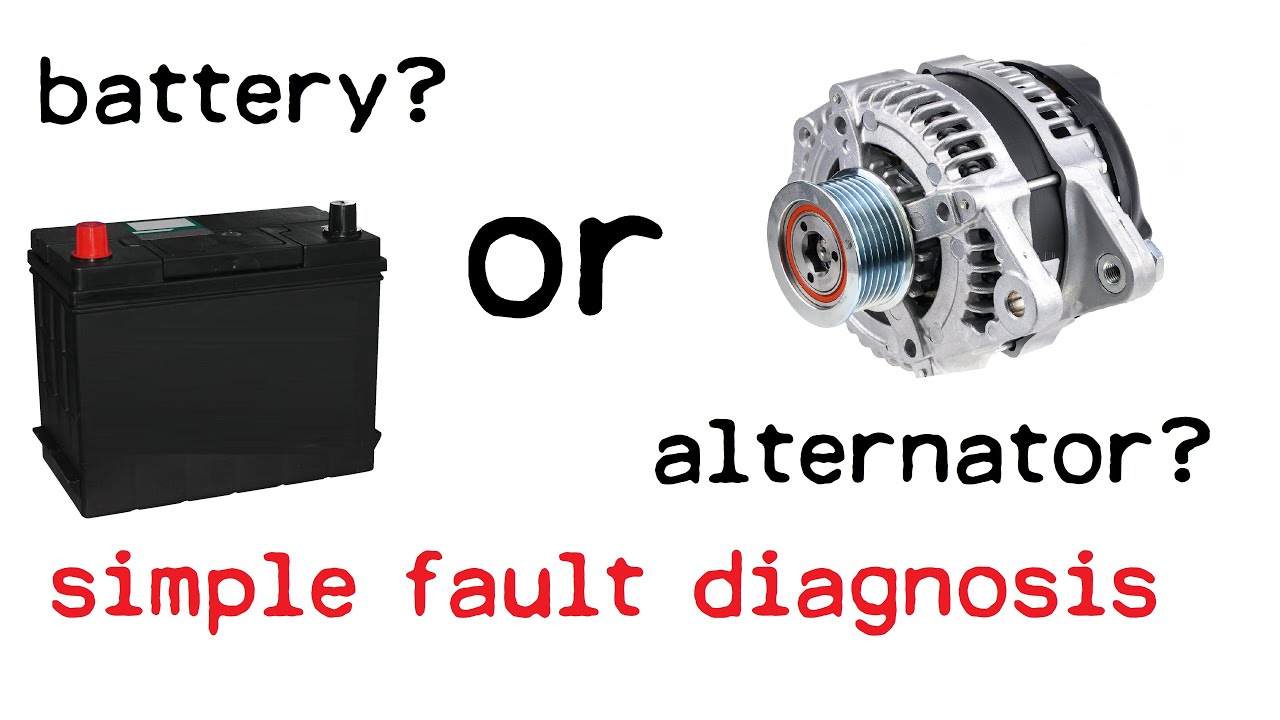
Quick Summary: Not sure if it’s your battery or your alternator? If the engine cranks slow or only clicks, it’s likely the battery. If the battery keeps dying while driving, headlights dim with RPM, or the battery light is on, it’s likely the alternator. Test with a multimeter: 12.6V engine off (good battery), 13.8–14.7V running (good alternator).
Your car won’t start. Lights flicker. Maybe you hear a click. You wonder: car battery vs alternator—what failed? Don’t stress. You can diagnose this fast at home. In minutes, you’ll know what to fix and how much it might cost. I’ll show you simple tests, easy tools, and step-by-step checks. You’ll learn the signs, the voltages to trust, and safe roadside moves to get back on the road.
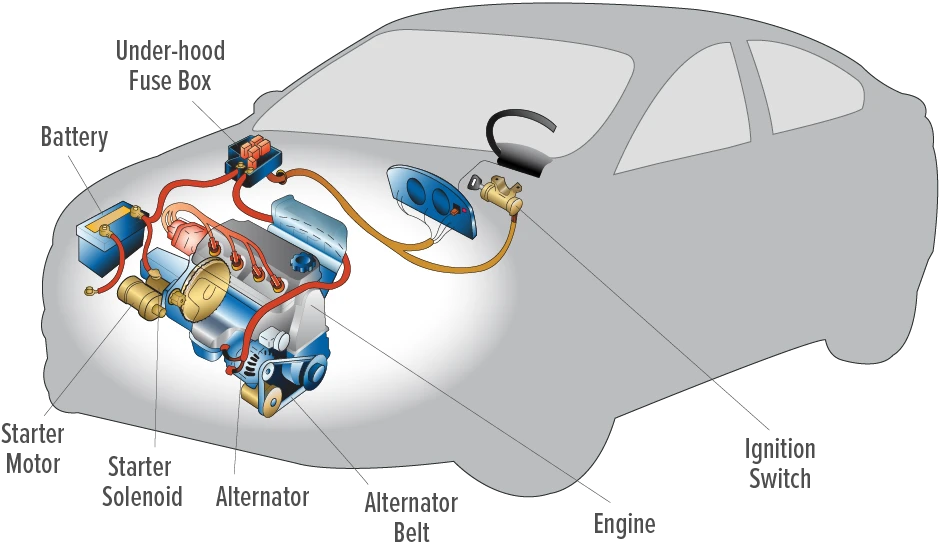
What the Battery and Alternator Actually Do
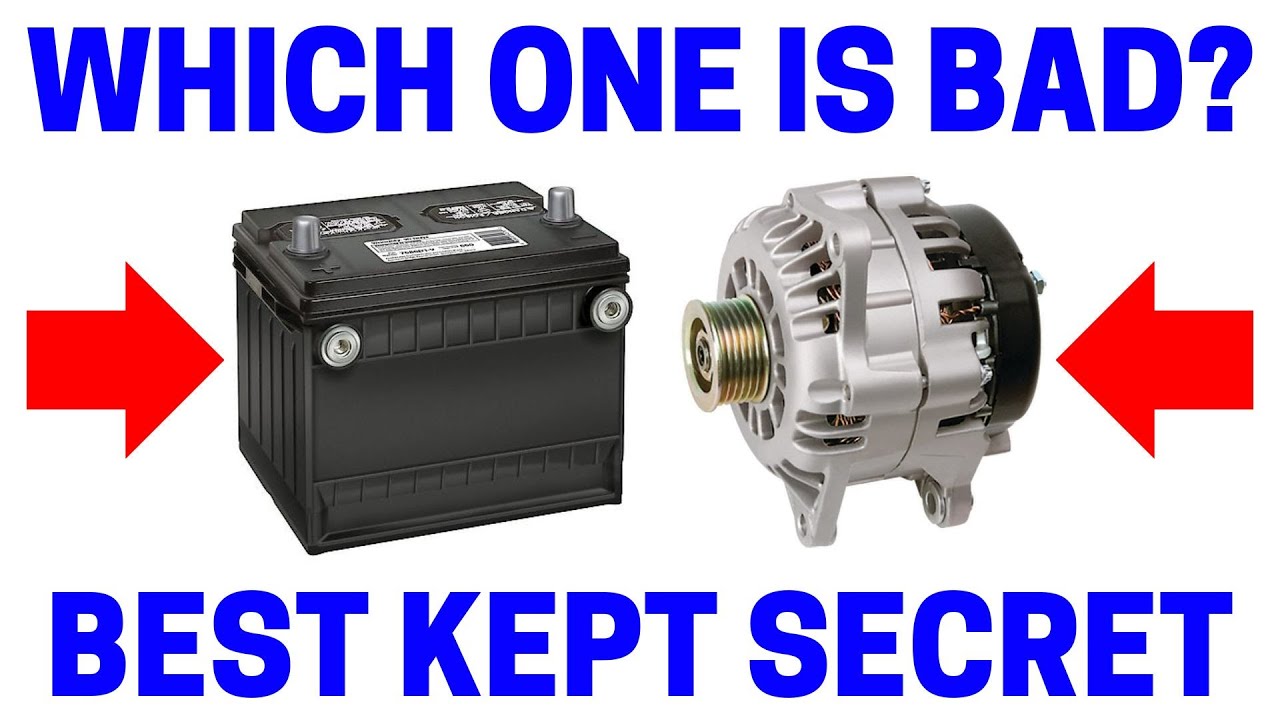
The battery stores energy. It powers the starter and electronics when the engine is off. The alternator makes energy while the engine runs. It charges the battery and feeds the car’s systems. Together, they are your car’s electrical heart.

- The battery is like a water tank. It holds power.
- The alternator is like a pump. It keeps power flowing.
- If the tank is weak, the engine may not crank.
- If the pump is weak, the car runs until the tank runs out.
Simple Definitions
Battery: A 12-volt storage unit. It delivers a big burst of power to start the engine. It also powers lights and accessories with the engine off.

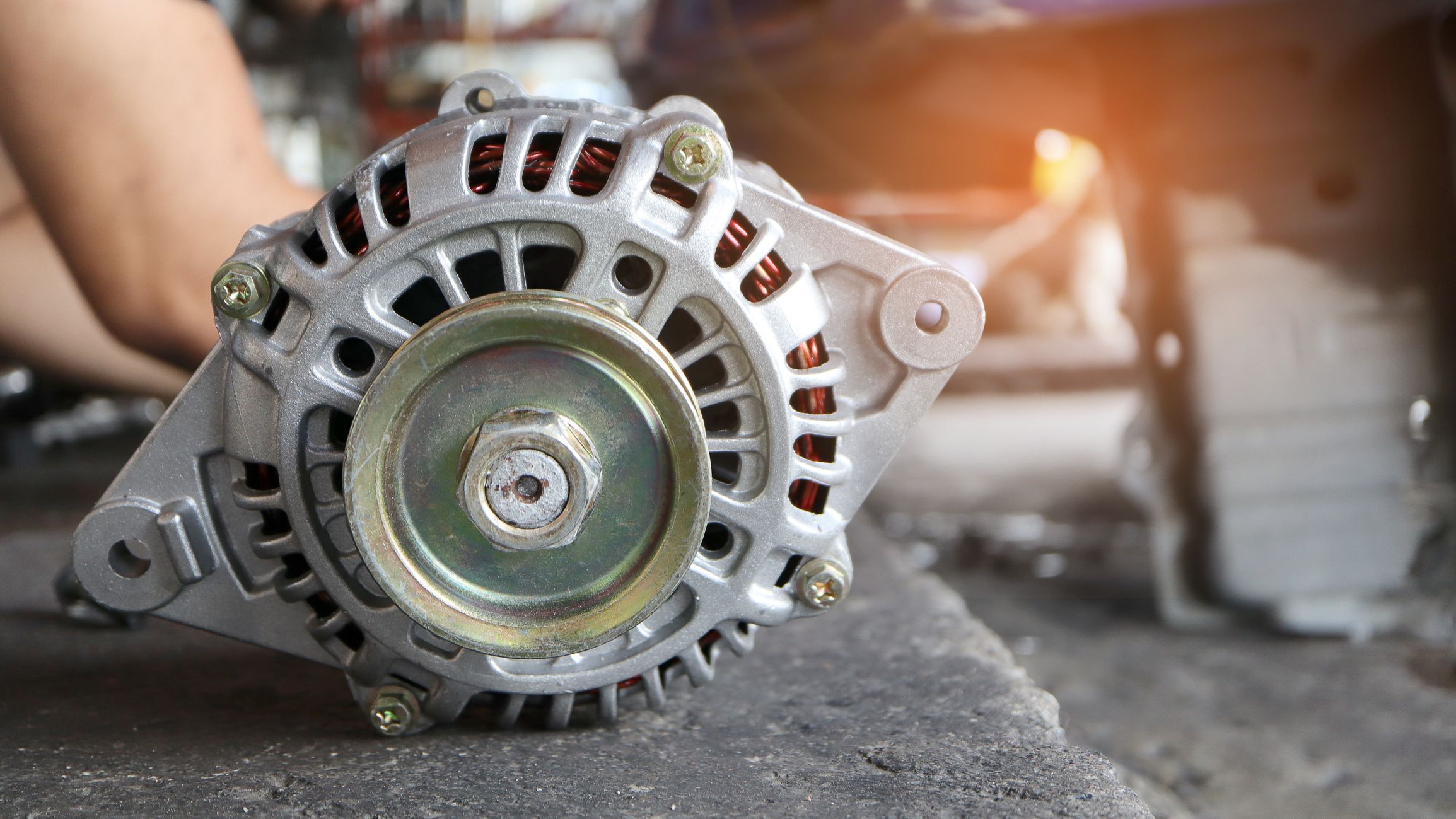
- Alternator: A belt-driven generator. It turns engine motion into electricity. It keeps the battery charged and runs all systems while driving.
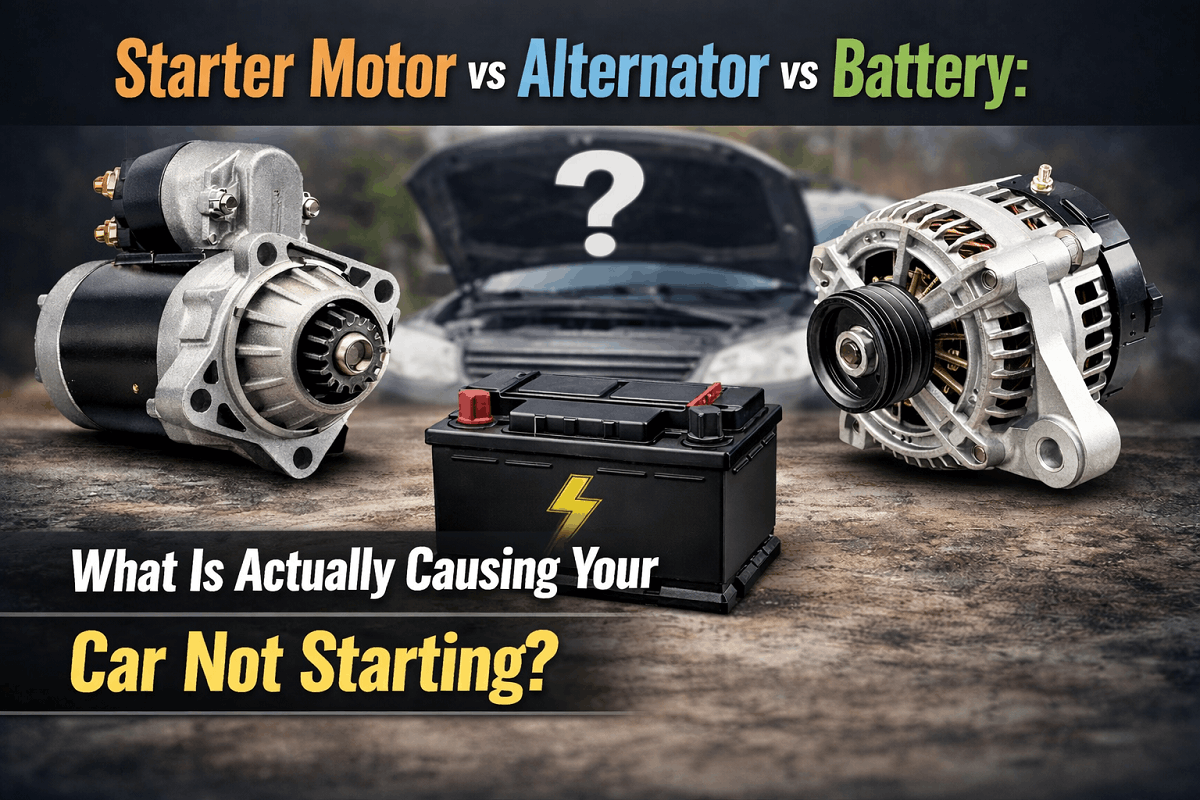
Car Battery vs Alternator: Key Differences
Knowing how they differ helps you spot the bad part fast. Here is a clear view of car battery vs alternator in daily life.
| Feature | Battery | Alternator |
|---|---|---|
| Main job | Store power to start the car and run electronics when off | Create power while running and charge the battery |
| Typical voltage | 12.4–12.7V at rest (12.6V ideal) | 13.8–14.7V while engine runs |
| Symptoms when bad | Slow crank, single click, no crank after sitting | Battery light on, dim lights at idle, car dies while driving |
| Common causes | Old age, heat, deep discharge, short trips | Worn brushes, bad diode, slipping belt, internal failure |
| Quick test | Measure at-rest voltage and load with headlights | Measure running voltage across the battery |
| Fix cost (typical) | $120–$250 for battery + $0–$50 install DIY | $250–$700 parts/labor, more on some models |
How to Tell If It’s the Battery or the Alternator
Use these fast checks to pinpoint the fault. You can do them in your driveway. No guesswork, no stress.

- Listen. Slow crank or one click usually means battery. A strong crank that never fires can be something else.
- Look at lights. Very dim dome lights or dead power windows with the key on often means a weak battery.
- Start and drive. If it starts but then dies while driving, that often means the alternator is not charging.
- Check the dash. A red battery icon while driving points to charging issues, often the alternator or belt.
- Measure voltage. Use a cheap multimeter for proof in minutes.
Tools You Need
Basics are enough for most checks. You likely have many of these at home or in the trunk.
- Digital multimeter (auto-ranging preferred)
- Jumper cables or a jump pack
- 10mm/12mm wrenches or sockets (for battery terminals)
- Safety glasses and gloves
- Wire brush or terminal cleaner
- Flashlight
Quick Driveway Tests
These fast steps give you a strong clue before you even reach for tools.
- Try the headlights with the engine off. If they are weak or flicker, the battery may be low.
- Turn the key to “ON.” Watch the dome light. If it goes very dim or out, the battery is likely low.
- Start the engine and watch the lights. If lights get brighter as RPM rises, the alternator may be weak at idle.
- Smell and listen. A hot belt smell or squeal can mean a slipping belt, which hurts alternator output.
- Check cables. Loose or corroded battery terminals can mimic a bad battery or alternator.
Multimeter Voltage Tests (Simple and Accurate)
Use a multimeter to confirm in minutes. It is the most direct way to spot battery vs alternator problems.
- Engine off, car sat at least 30 minutes:
- Healthy battery: about 12.6V
- 12.4V is okay. 12.2V is low. 12.0V is very low.
- Engine running, all accessories off:
- Healthy alternator: 13.8–14.7V at the battery posts
- Below 13.5V? Weak charging. Above 15.0V? Overcharging.
- Engine running, load on (headlights, rear defogger, blower on high):
- Voltage should stay at least 13.6–14.4V. Big drops mean charging issues.
| Battery Voltage Chart (Engine Off) | |||
|---|---|---|---|
| Voltage | State of Charge | Condition | Action |
| 12.7–12.6V | 100% | Excellent | No action needed |
| 12.5V | 85–90% | Good | Okay to use |
| 12.4V | 75–80% | Fair | Charge soon |
| 12.2V | 50–60% | Low | Charge now |
| 12.0V | 25–30% | Very low | Charge before use |
| 11.9V or less | <20% | Discharged/possible damage | Deep charge/test battery health |
| Alternator Output (Engine Running) | |||
|---|---|---|---|
| Voltage at Battery | Interpretation | Likely Issue | Next Step |
| 13.8–14.7V | Normal charge | None | No action needed |
| 13.2–13.6V | Borderline low | Weak alternator, belt slip, poor connection | Inspect belt, terminals, grounds |
| 12.5–13.1V | Not charging well | Failing alternator or wiring | Professional test recommended |
| >15.0V | Overcharging | Faulty regulator | Replace alternator/regulator |
Common Symptoms, Likely Causes, and Fast Fixes
Match what you see to a cause and a fix. This table speeds up your plan. It also ties into the main question of car battery vs alternator.
| Symptom | Most Likely Cause | Quick DIY Fix | When to See a Pro |
|---|---|---|---|
| Single click, no crank | Weak/dead battery | Jump-start, charge battery, clean terminals | If it dies again soon after |
| Slow crank in morning | Weak battery, cold weather | Charge battery, check age, test at parts store | If battery test fails |
| Lights brighten with RPM | Weak alternator or loose belt | Tension/replace belt, test alternator | Alternator replacement needed |
| Battery light on while driving | Charging system fault | Check belt, terminals, measure voltage | If voltage out of range |
| Car dies while driving | Alternator failure or battery terminal loose | Secure terminals, test alternator | If it won’t hold 13.8–14.7V |
| Corrosion on battery posts | Acid fumes, poor seal, overcharge | Clean with baking soda/water, coat with protectant | If corrosion returns fast |
| Whining or burning smell | Alternator bearing or belt slip | Inspect belt and pulleys | Replace alternator/belt |
What to Do Right Now if Your Car Won’t Start
Stuck in a lot? Try these safe, fast steps. They can save a tow and get you moving.
- Check dome light and dash brightness. Very dim? The battery is low. Try a jump.
- Clean and tighten terminals. Wiggle test: if the clamp moves, you found the problem.
- Try a jump pack or jumper cables. Let donor car run for 5 minutes, then try to start.
- Turn off big loads. Headlights, radio, and blower off to help the battery focus on starting.
- If it starts but stalls soon, the alternator may be failing. Head home or to a shop at once.
- Hear only a click with clean, tight posts? The battery may be toast. Replace or deep charge and test.
How to Test the Alternator Output Safely
A quick charging test tells you if the alternator is healthy. You can do this in five minutes with a multimeter.
- Set the meter to DC volts. Place red lead on the battery positive post. Black on negative post.
- Note engine-off reading. Write it down.
- Start the car. Read again. It should jump to 13.8–14.7V.
- Turn on lights, rear defogger, and blower on high. Read again. It should stay near 13.6–14.4V.
- If voltage drops below 13.2V with loads, the alternator may be weak, the belt may slip, or connections may be poor.
- If voltage climbs above 15.0V, the regulator failed. Replace the alternator or regulator unit.
Tip: Many auto parts stores will test your battery and alternator free. As explained by AAA, regular checks reduce roadside failures and catch weak parts before they strand you.
Safety Tips You Should Not Skip
Electric systems can hurt you or your car if handled wrong. Stay safe with these simple rules.
- Wear eye protection. Batteries can vent acid mist.
- Work in a ventilated area. Do not smoke near batteries.
- Disconnect the negative terminal first when removing a battery. Reconnect it last to prevent shorting tools.
- Never let metal tools bridge battery posts. That can cause burns or fire.
- Keep cables away from moving belts and fans.
- Follow basic battery safety advice, like that shared by Consumer Reports, to avoid common mistakes.
Cold Weather, Short Trips, and Why They Kill Batteries
Winter hits hard. Cold slows the chemical reaction in a battery. Engines also need more power to crank in the cold. Short trips do not give the alternator time to recharge the battery.
- Cold cranking amps (CCA) matter. Higher CCA helps in winter starts.
- Heated seats, defrost, and lights add heavy load. The alternator works hard at idle.
- Many short trips in winter drain the battery day by day. Use a smart charger at home to keep it topped up.
- According to data often cited by AAA, dead batteries spike in heat and cold. Test before seasons change.
Why Good Connections Matter More Than You Think
Loose or dirty battery terminals can copy the signs of a bad battery or alternator. Always inspect and clean them first.
- Look for white or blue crust on posts. That is corrosion.
- Mix baking soda with water. Scrub with an old brush. Rinse with clean water.
- Dry. Coat with a thin layer of dielectric grease or terminal spray.
- Tighten the clamps snug. They should not twist by hand.
- Check ground straps from battery to body and engine. A broken ground means weird electrical issues.
Deeper Dive: Why a Weak Alternator Kills a Good Battery
A failing alternator makes your battery do extra work. The battery then discharges deeper and more often. That shortens its life.
- Low alternator output means the battery runs the car at stoplights. That is not its job.
- Overcharging “cooks” the battery. It loses water. Plates warp. It fails early.
- Bad diodes cause AC ripple. Electronics hate ripple. Headlights flicker. The battery overheats.
- If your battery keeps dying after long drives, test the alternator first.
How to Choose a New Battery or Alternator
Pick the right part and your car will start strong for years. Here is how to buy with confidence.
Choosing a Battery
Match the size and power rating to your car and climate. A good battery saves you on cold mornings and long trips.
- Group size: Fit matters. Check your owner’s manual or parts guide.
- CCA (Cold Cranking Amps): For cold states, choose higher CCA.
- Reserve capacity: More minutes means better support if the alternator is weak for a short time.
- Type: AGM handles heat, vibration, and deep cycles better. Standard flooded is cheaper. EFB is common in start-stop cars.
- Warranty: Look for a solid free replacement period, not just pro-rated.
- Build date: Newer is better. Pick a battery less than three months old.
Choosing an Alternator
Match or exceed the original amperage. Some cars need high output for audio, heated seats, and more.
- Amps: Match OEM rating unless you added gear. Big audio or lights may need more.
- Quality: New or quality reman with new bearings, brushes, and diodes. Ask about test sheets.
- Regulator type: Some cars use smart charging. Make sure the part is compatible.
- Pulley: Confirm the correct pulley type and groove count.
- Warranty: A good alternator has at least a one-year warranty.
DIY Replacement Overview: Battery vs Alternator
Swapping a battery is beginner-friendly. Replacing an alternator is moderate. You can do it with time and care.
How to Replace a Car Battery (Step-by-Step)
Take your time and follow the order. This helps prevent sparks and damage to electronics.
- Park, set the brake, and turn everything off. Wear eye protection.
- Take a photo of the battery area. It helps with cable routing later.
- Loosen and remove the negative (-) terminal first. Tuck it aside.
- Remove the positive (+) terminal. Keep it from touching metal.
- Remove the hold-down clamp. Lift the battery straight up. It is heavy.
- Clean the tray and clamps. Neutralize any acid with baking soda and water.
- Place the new battery. Confirm the same orientation of posts.
- Install the hold-down. Tighten snug. Do not crack the case.
- Reconnect positive (+) first, then negative (-).
- Coat terminals with protectant. Start the engine and check for codes or radio settings.
How to Replace an Alternator (Overview)
This job varies by car. Plan for tight spaces and belt routing. Take photos before you start.
- Disconnect the battery negative terminal.
- Relieve belt tension. Note the belt path. Remove the belt from the alternator pulley.
- Unplug the alternator field connector. Remove the main battery cable nut and wire.
- Remove alternator mounting bolts. Lift it out. It may be tight.
- Install the new alternator. Torque bolts to spec. Reconnect wiring.
- Reinstall the belt. Verify correct routing. Set belt tension.
- Reconnect the battery negative terminal.
- Start the engine. Check charging voltage. Listen for belt noise.
Maintenance Tips to Extend Battery and Alternator Life
Simple habits keep your electrical system healthy. These steps cost little and save a lot.
- Drive longer trips once a week. 20–30 minutes helps recharge the battery.
- Use a smart charger if you make many short trips or store the car.
- Clean terminals every oil change. Check grounds and hold-downs.
- Keep the belt and tensioner in good shape. Replace when cracked or noisy.
- Do not add big electrical loads without upgrading the alternator or wiring.
- Before heat waves or cold snaps, test the battery. As explained by AAA, seasonal checks reduce breakdowns.
Costs: What You’ll Likely Pay
Prices vary by model and region. These ranges help you plan a budget before you buy.
- Battery:
- Standard flooded: $120–$200
- AGM: $180–$350
- Install: Often free at parts stores if you buy the battery there
- Alternator:
- Remanufactured: $180–$400
- New: $250–$600+
- Labor: 1–3 hours typically
- Total: $250–$700+ in most cases
- Belts and tensioners:
- Serpentine belt: $20–$60
- Tensioner/idler: $40–$120 each
Note: If your car uses start-stop or has heavy electrical loads, expect higher costs. For safety and reliability standards that apply to all vehicles, you can review guidance from the National Highway Traffic Safety Administration. It reinforces why upkeep matters.
Extra Troubleshooting: Tricky Scenarios
Some signs are confusing. Here are quick answers to odd cases that waste time.
- New battery died in two days:
- Parasitic drain or bad alternator diode. Measure key-off draw. Pull fuses to isolate the circuit.
- Battery light flickers only on highway:
- Loose belt or poor alternator connector. Heat and RPM make it act up.
- Voltage fine, but lights still flicker:
- AC ripple from bad diodes. You need an oscilloscope or advanced test at a shop.
- Starts fine at home, not after short errand:
- Heat soak hurts weak batteries and starters. Test battery first, then starter draw.
- EV or hybrid owners:
- 12V battery still matters. It boots the systems. Check specs and procedures specific to your model.
Car Battery vs Alternator: Quick Comparison Table You Can Save
Use this one-page view when you are in a rush. It captures the core signs and voltages.
| Question | Battery | Alternator |
|---|---|---|
| Car won’t crank in the morning? | Likely | Less likely |
| Car dies while driving? | Less likely | Likely |
| Lights dim at idle, brighten with RPM? | Sometimes | Often |
| Dash battery light on? | Indirect | Direct clue |
| At-rest voltage | 12.6V ideal | Not applicable |
| Running voltage | Not applicable | 13.8–14.7V |
| Easy roadside fix? | Jump or charge | No. Drive to shop ASAP |
Step-by-Step: Full Home Diagnosis Flow
Follow this simple path. You will reach a clear answer in about 15 minutes.
- Visual check:
- Terminals clean and tight?
- Belt intact and snug?
- Battery date old (3–5 years)?
- Key-on check:
- Dome and dash lights bright or dim?
- Crank check:
- Slow crank or click? Suspect battery.
- Cranks strong but no start? Could be fuel/spark, not charging.
- Voltage tests:
- Engine off: ~12.6V? Good battery. Below 12.2V? Charge and retest.
- Engine on: 13.8–14.7V? Good alternator. Below 13.5V? Suspect alternator/belt.
- Load test:
- Turn on lights and blower. Still 13.6–14.4V? Alternator OK.
- Big drop? Alternator or wiring issue.
- Decision:
- Battery out of spec after charge? Replace battery.
- Running voltage out of spec? Replace alternator or fix belt/wiring.
When It’s Not the Battery or the Alternator
Sometimes the starter or a fuse is to blame. Here are quick checks to rule them in or out.
- Starter:
- Single loud click with good lights. Try tapping the starter lightly while someone turns the key. If it starts, the starter is failing.
- Fuses/relays:
- No crank at all and no click? Check the starter relay and related fuses.
- Security system:
- Security light flashing? The car may not allow a start. Try a spare key.
- Neutral safety switch:
- Try starting in Neutral instead of Park. If it works, the switch or shifter cable may be off.
Preventive Care Schedule You Can Follow
A tiny bit of routine care stops most starting problems. Here is a simple plan.
- Every oil change:
- Inspect belt and tensioner. Clean battery posts. Check grounds.
- Every 6 months:
- Run a battery test at a parts store. It is usually free.
- Before heat/cold seasons:
- Charge the battery overnight with a smart charger. Test resting and running voltage.
- If you store your car:
- Use a maintainer. Modern chargers keep AGM and flooded batteries healthy for months.
Real-World Examples
These quick stories mirror what I see in driveways and shops. Use them to spot your case fast.
- Cold morning, family SUV:
- Slow crank, then starts. Voltage at rest is 12.1V. After a full charge, it reads 12.6V and starts strong. Battery was fine but undercharged by many short trips. A weekly smart charge keeps it happy.
- Highway stall, battery light came on:
- Car dies while cruising. Jump starts but dies again. Running voltage is 12.4V. The alternator failed. New alternator fixes it.
- New battery, still drains:
- Dead after two days. Parasitic draw is 400mA with car asleep. Pull fuses and find a glove box light stuck on. Fix the switch and the problem is gone.
FAQ
Here are quick answers to common questions. Keep this section handy when you are in a rush.
How can I tell if it’s my battery or alternator in 60 seconds?
Turn on headlights with the engine off. Very dim or dead lights point to the battery. Start the car. If lights get much brighter with RPM or the battery light stays on, suspect the alternator. A multimeter reading of 12.6V off and 13.8–14.7V running confirms the winner.
Can I drive with a bad alternator?
Only for a short distance, and only if the battery has charge. The car will run until the battery drains. You may lose power steering or ABS as voltage drops. Go straight to a shop. Bring a jump pack as a backup.
Will a bad alternator drain my battery overnight?
Yes, if a diode fails, it can cause a parasitic drain. It may also undercharge while driving. That leaves the battery weak the next morning. Test key-off current draw and running voltage to confirm.
How long do car batteries and alternators last?
Batteries last 3–5 years on average. Heat and short trips shorten life. Alternators often last 6–10 years, but heavy loads and oil leaks can cut that time. Test both before long trips or season changes.
Is it safe to jump-start a car with a weak alternator?
You can jump it, but it may stall again once you unhook. If the alternator is bad, the car depends on the battery alone. Keep loads off and head straight for service. Do not rely on jumps for long.
What multimeter reading is a bad battery?
Below 12.2V at rest means low. Charge and retest. If it falls below 12.4V soon after charging or fails a load test, the battery is likely worn out. Replace it.
Do I need an AGM battery?
Not always. If your car came with AGM, use AGM. It handles heat, vibration, and deep cycles better. Start-stop systems often need AGM or EFB. Check the manual or trusted parts guide.
Conclusion
You can solve the battery vs alternator mystery fast. Check lights. Measure voltage. Look for 12.6V engine off and 13.8–14.7V running. Clean and tighten connections first. If the battery will not hold a charge, replace it. If running voltage is low or high, fix the alternator or belt. With these steps, you will start strong, avoid tows, and drive with confidence.

