Quick Summary: A car battery stores energy to start your engine and power electronics. If your car won’t start, check voltage (12.6V is healthy), clean terminals, and try a safe jump-start. Test the alternator (13.8–14.7V while running). Replace the battery if it won’t hold 12.4V+ after charging.
If your car won’t start, you’re not alone. Most no-start problems come down to the battery. What is a car battery? It’s the heart of your car’s electrical system, and when it’s weak, everything struggles. I’ll show you how to diagnose issues in minutes, fix common problems, and choose the right replacement. You’ll learn exactly what to do, step by step, with simple tools you may already own.
What Is a Car Battery?
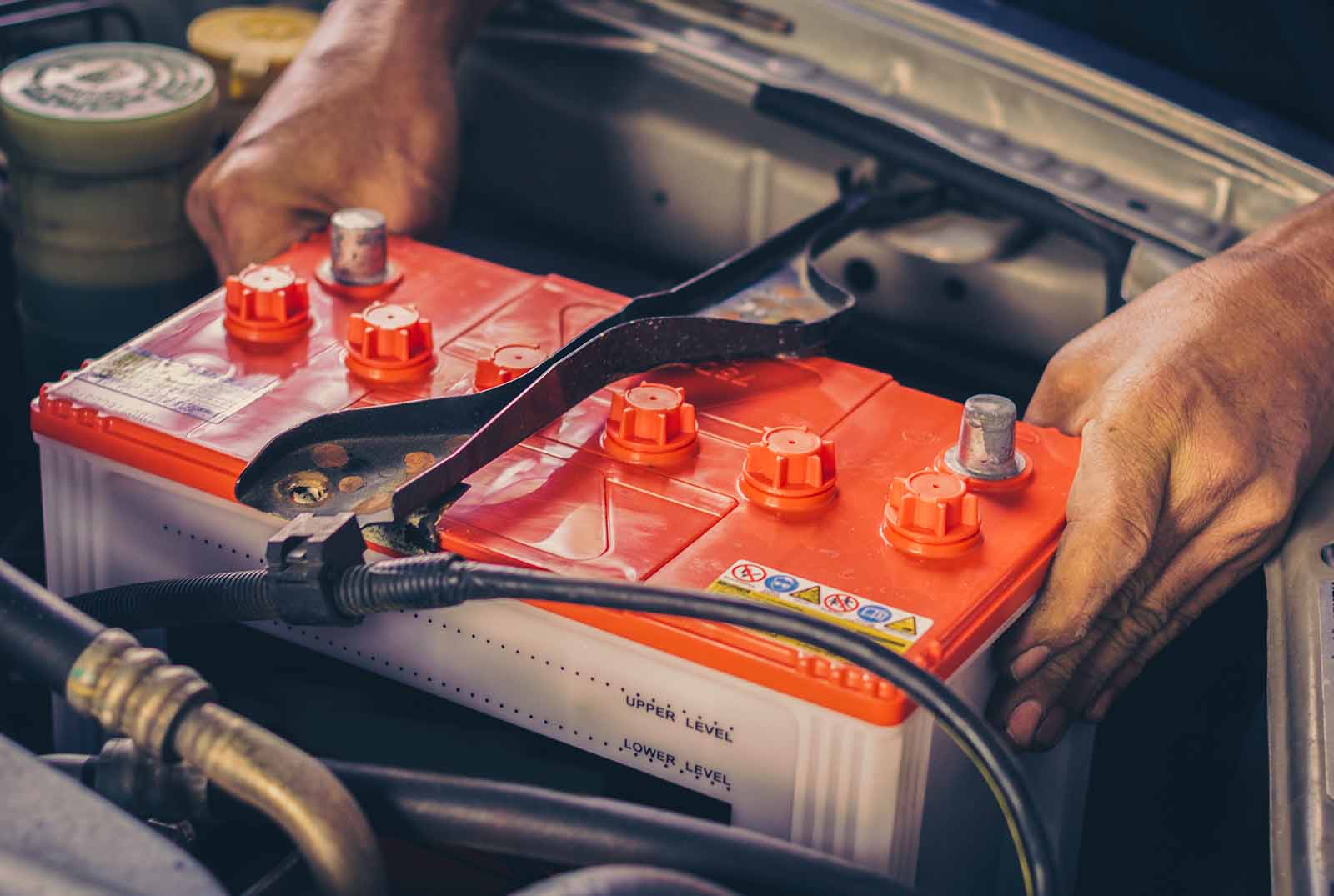
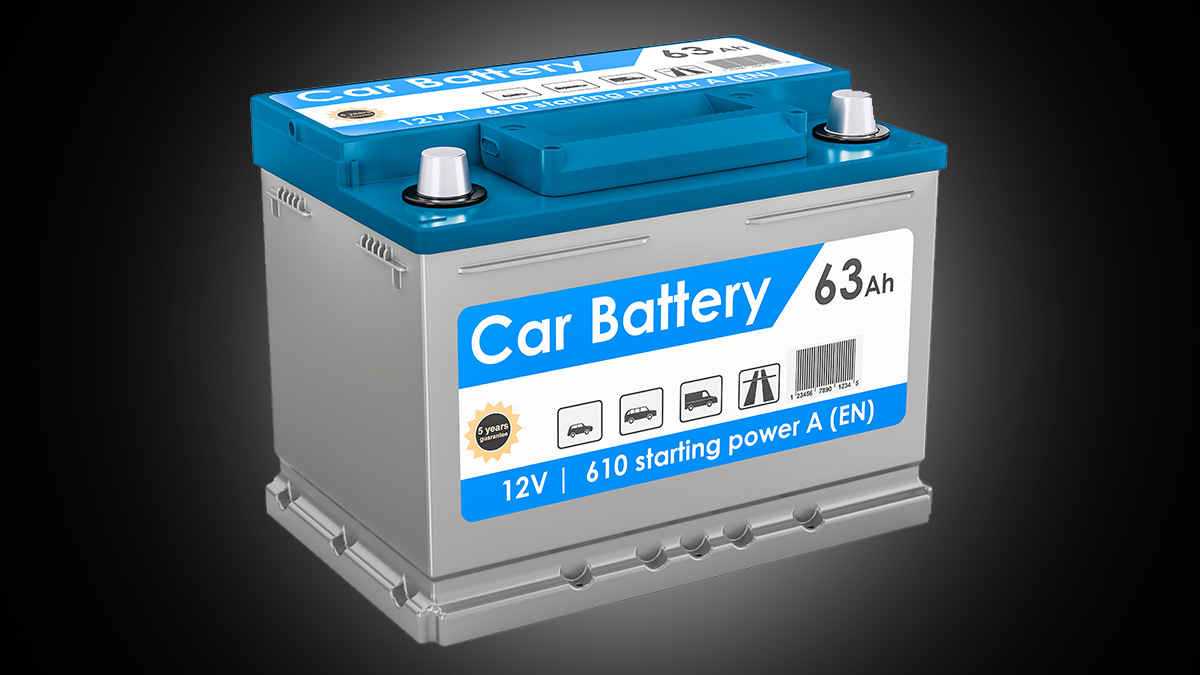
A car battery is a rechargeable power pack that stores electrical energy and delivers a strong burst to crank the engine. It also powers lights, computers, and accessories when the engine is off. When the engine runs, the alternator recharges the battery so it’s ready for the next start.
How a Car Battery Works (In Plain English)
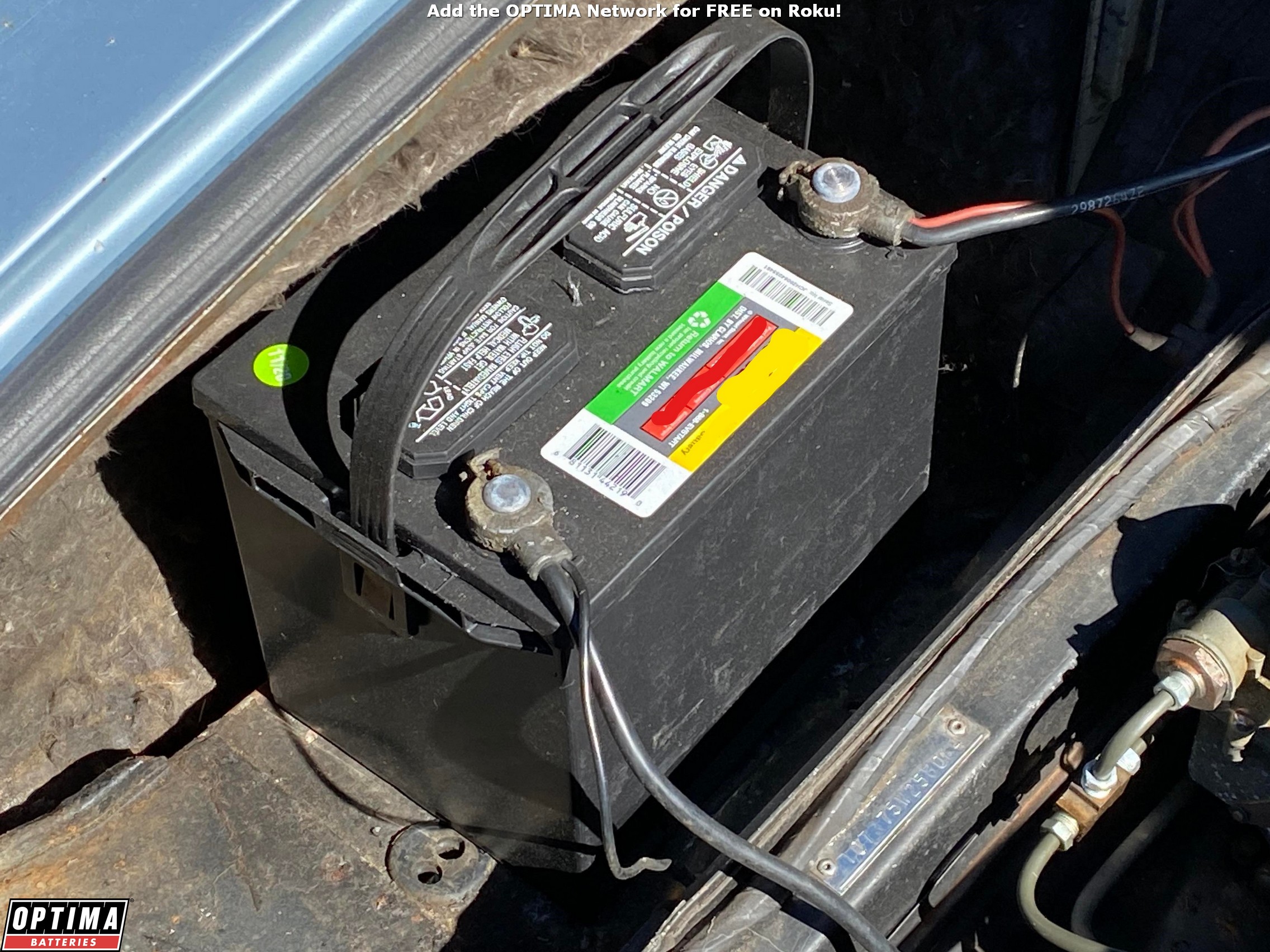
Inside the battery are lead plates sitting in an acid solution. A chemical reaction creates electricity. When you start the car, the battery sends a big surge to the starter motor. After the engine fires, the alternator feeds power back to keep the battery topped up. This cycle repeats every drive.
Common Types of Car Batteries
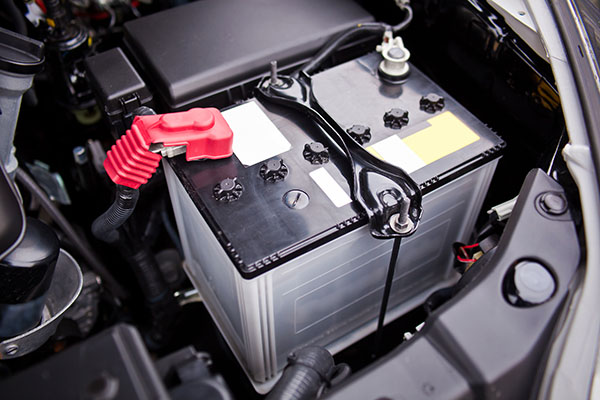
Not all batteries are the same. Pick the type that matches your car and how you drive. Here are the big ones:
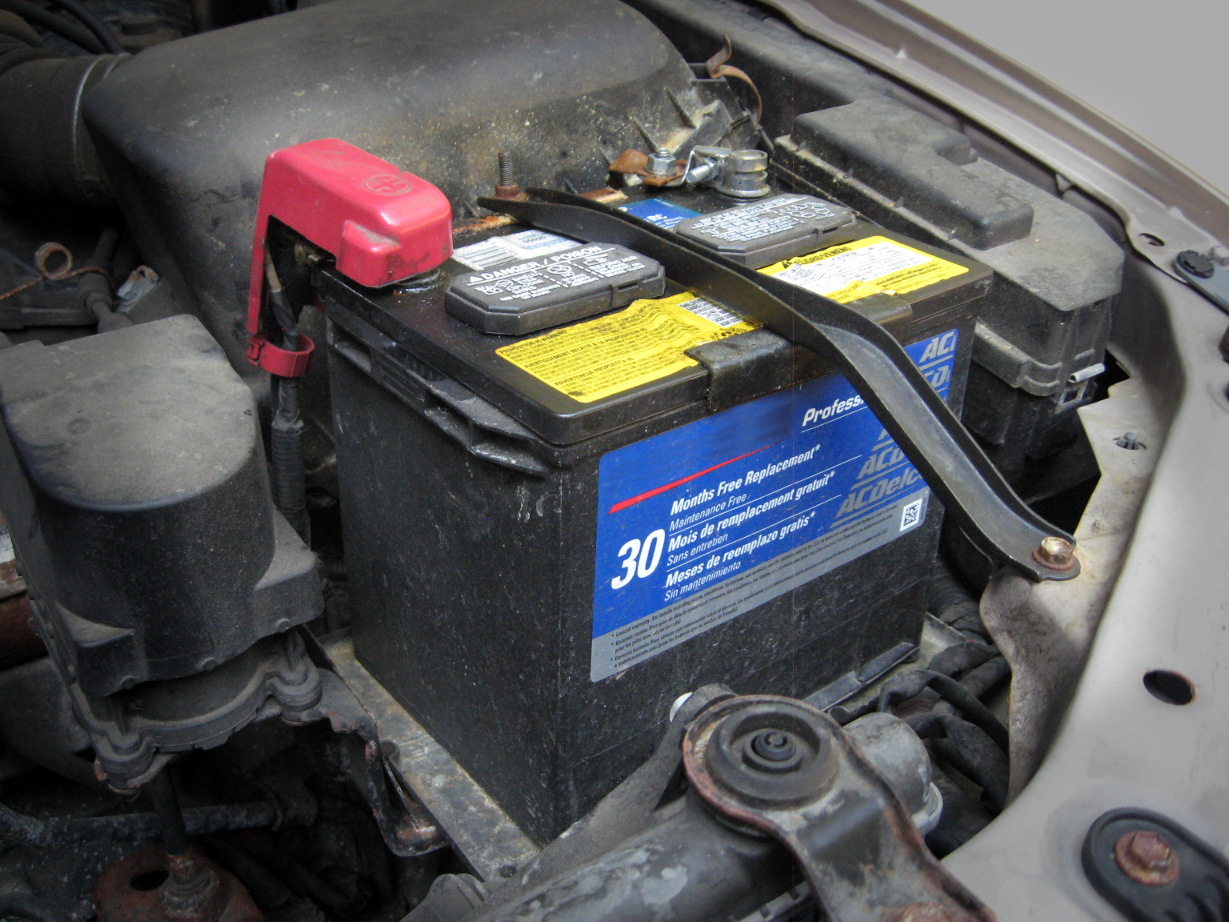
- Flooded lead-acid (wet cell): Most common and budget-friendly. Needs to stay upright. Good for basic driving.
- AGM (Absorbent Glass Mat): Stronger, spill-proof, handles heavy electrical loads and start-stop systems. Costs more, lasts longer.
- EFB (Enhanced Flooded Battery): Middle ground for start-stop cars. Better than standard flooded batteries.
- Lithium (12V in some specialty cars): Light and powerful but uncommon in most gas cars. Different chargers and care rules.
Symptoms of a Weak or Dead Car Battery
Most battery failures show signs before you get stranded. Watch and listen. A quick check can save a tow bill.
- Slow cranking: Engine turns over sluggishly, especially in the morning.
- Clicking sound: Starter clicks, but engine doesn’t spin.
- Dim lights or weak horn: Brightness drops with key turned to start.
- Electrical glitches: Radio resets, clock loses time, warning lights flash randomly.
- Battery light on: May point to charging issues, not always the battery itself.
- Swollen or smelly battery: Case bulging or rotten egg smell means internal damage. Replace now.
- Age over 3–5 years: Time alone can kill a battery, especially in hot climates.
| Symptom | Likely Cause | Fast Fix You Can Try |
|---|---|---|
| Engine cranks slow, then starts | Weak charge or aged battery | Fully charge the battery, test voltage; clean terminals |
| Single click, no crank | Low voltage, corroded terminals, or starter issue | Check and tighten cables; jump-start and retest |
| Multiple rapid clicks | Very low battery or poor connection | Jump-start; if it starts, test alternator output |
| Battery light on while driving | Alternator or belt problem | Measure running voltage; inspect belt and connections |
| Lights dim at idle, brighten with revs | Weak alternator output | Load test alternator; check grounds and belt tension |
| Radio/clock resets | Voltage dips during cranking | Charge or replace battery; check for parasitic drain |
| Swollen case or strong sulfur smell | Overcharging or internal short | Replace battery; check charging system voltage |
Quick Diagnosis: Is the Battery the Problem?
Before buying a new battery, test it. You can do this at home in minutes. You’ll need a basic digital multimeter. If the battery is dead, you can also jump-start and then test the charging system.
Tools You Need
Simple gear makes this easy. Most of it is cheap and handy for future checks.
- Digital multimeter (auto-ranging is best)
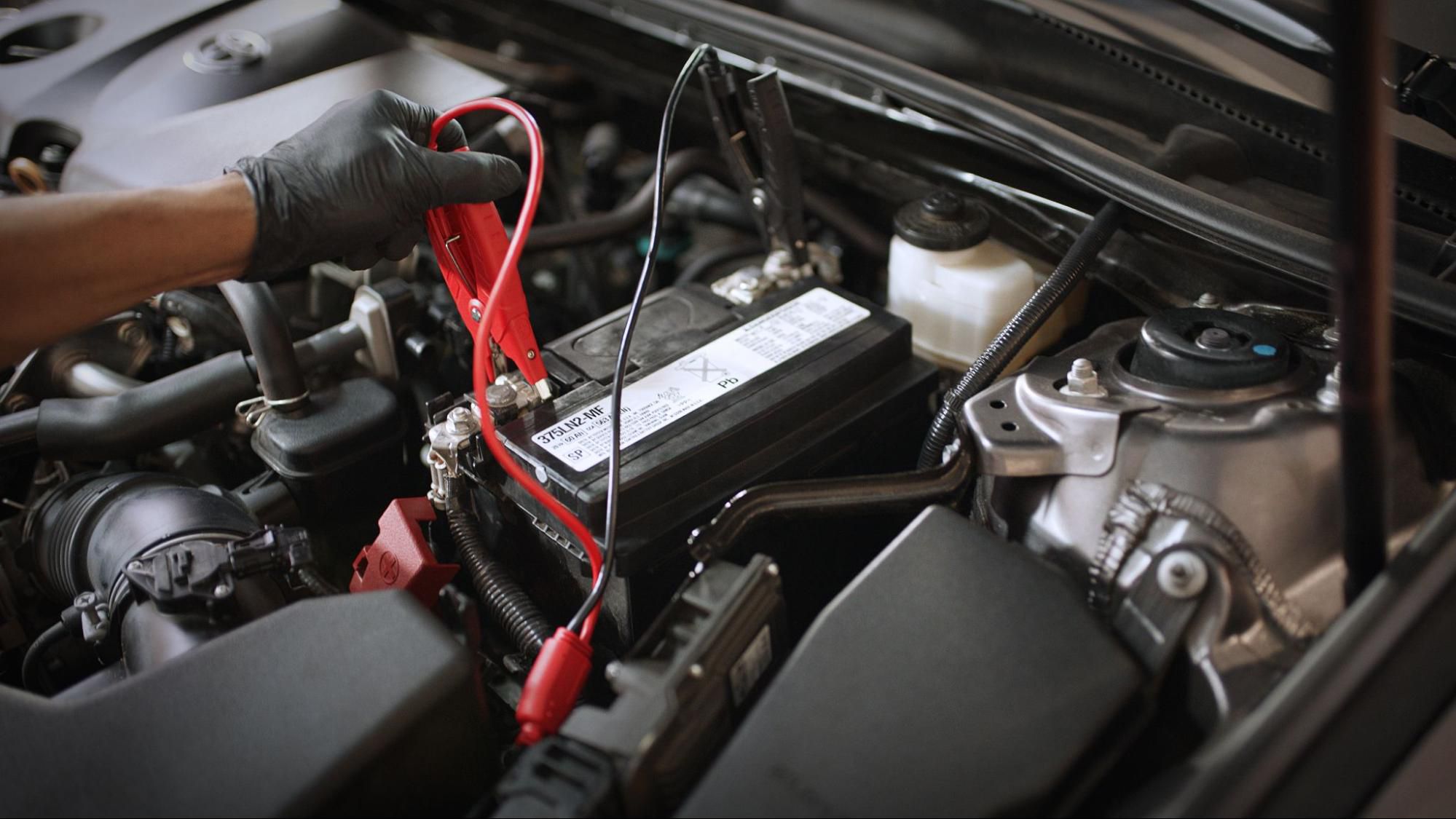
- Jumper cables or a jump pack
- Battery charger (smart/maintainer recommended)
- Wire brush or terminal cleaner
- Protective gloves and eye protection
- Dielectric grease (optional, for terminals)
Safety First
Car batteries can spark and leak acid. Protect yourself and your car. Work in a ventilated area. Keep metal tools away from both terminals at once.
- Wear eye protection and gloves.
- Turn off the ignition and accessories before testing.
- Never smoke near a battery.
- Connect and disconnect jumper cables in the correct order.
- If you see a cracked or leaking case, replace the battery, don’t test it.
Step-by-Step: Test Battery Voltage with a Multimeter
This is the fastest way to read battery health. It tells you if the battery is charged and if it holds that charge.
- Turn off the engine, lights, and accessories. Let the car sit for 5 minutes.
- Set the multimeter to DC volts (20V range if not auto-ranging).
- Touch red probe to the positive (+) terminal and black to negative (-).
- Read the resting voltage. Compare it to the chart below.
- If voltage is low (below 12.4V), charge the battery and test again.
- If the battery cannot reach 12.4–12.6V after charging, it’s near the end of life.
| Battery Voltage (Resting) | State of Charge | Condition | Action |
|---|---|---|---|
| 12.6–12.8V | 100% | Healthy | Good to go |
| 12.4–12.5V | 75–90% | Usable | Charge soon for best life |
| 12.2–12.3V | 50–60% | Low | Charge now; test for parasitic drain |
| 12.0–12.1V | 25–40% | Very low | Fully charge and retest battery health |
| 11.8–11.9V | ~10–20% | Severely discharged | Charge slowly; battery may be sulfated |
| <11.8V | Near 0% | Possible damage | Charge and load test; likely replace |
Alternator and Charging Test
If the car starts (or you jump-start it), check the charging system. A good alternator keeps the battery between 13.8 and 14.7 volts while running.
- Start the engine and let it idle.
- Measure voltage at the battery again (red to +, black to -).
- You should see 13.8–14.7V. If it’s under 13.5V, charging is weak.
- Turn on headlights, blower fan, and rear defroster. Voltage should stay above ~13.5V.
- If voltage spikes over 15V, the regulator may be bad. This can kill a battery fast.
Parasitic Drain Check (Simple Method)
Something may be drawing power when the car is off. This can drain a healthy battery overnight. Try this simple check before a full ammeter test.
- Turn off the car. Remove the key. Close all doors (use hood prop).
- Wait 15–30 minutes for modules to sleep.
- Measure battery voltage. Note it.
- Pull one fuse at a time (interior lights, infotainment, power sockets). If voltage rises or the car starts holding charge, you found the circuit.
- For a precise test, use a clamp meter or put your multimeter in series on the negative cable. Under 50 mA draw is typical for modern cars at rest.
Common Causes of Battery Failure
Batteries rarely die for no reason. Heat, vibration, short trips, and charging problems are common triggers. Fix the cause and your new battery will last longer.
- Age and wear: Plates corrode over time. Most batteries last 3–5 years.
- Heat: High temps speed up internal corrosion and water loss.
- Cold: Thick oil and slow chemistry make starting harder.
- Short trips: Alternator doesn’t get time to recharge after each start.
- Parasitic drains: Lights, modules, or add-ons pull power while parked.
- Loose or corroded terminals: Resistance blocks charging and starting.
- Overcharging: Bad voltage regulator cooks the battery.
Cold Weather vs. Heat: How Climate Hurts Batteries
Cold reduces a battery’s cranking power. Heat wears it out faster. In the South, batteries often fail early. In the North, winter exposes weak ones.
- Cold drops available cranking amps. Engines need more power to turn.
- Heat accelerates internal chemical breakdown.
- Expect shorter life in hot climates. Test before each winter in cold areas.
As explained by AAA, extreme temperatures are a top reason batteries fail sooner than expected. Regular checks can prevent surprises when the first cold snap hits.
Short Trip Driving Habits
Short drives hurt the battery. Each start uses a big chunk of energy. If you shut down soon after, the alternator can’t refill the battery.
- Combine errands into one longer trip each week.
- Use a smart maintainer if you mostly drive short distances.
- Turn off heated seats and defrosters once the cabin is warm.
Corrosion and Loose Connections
White or blue crust on the terminals is corrosion. It blocks power flow and fakes a “dead battery.” Loose clamps do the same thing.
- Clean and tighten terminals every service interval.
- Use dielectric grease to slow future corrosion.
- Check the ground strap to the chassis and engine block.
How to Fix and Prevent Battery Problems
Most battery issues are easy to fix. Start with the basics: clean, charge, test. Replace only when the battery fails to hold a charge or the case is damaged.
- Clean and secure battery terminals.
- Charge fully with a smart charger.
- Test resting voltage and running voltage.
- Scan for parasitic drains if the battery dies overnight.
- Replace the battery if it’s old or won’t hold 12.4V+ after charge.
How to Jump-Start Safely
Correct order matters. Follow these steps to avoid sparks and damage.
- Park the booster car close, but not touching. Turn both cars off.
- Connect red clamp to the dead battery’s positive (+).
- Connect the other red clamp to the good battery’s positive (+).
- Connect black clamp to the good battery’s negative (-).
- Connect the other black clamp to a clean, unpainted metal ground on the dead car (not the negative post).
- Start the booster car. Let it run 2–3 minutes.
- Start the dead car. If it cranks slow, wait another minute and try again.
- Remove cables in reverse order. Keep the engine running for 20–30 minutes to recharge, then test.
According to AAA, improper cable order is a common cause of sparks and blown fuses. Take it slow and double-check each clamp.
How to Clean Battery Terminals
Good contact is key. A clean connection can fix no-starts in minutes.
- Turn off the car. Remove the key.
- Loosen the negative (-) clamp first, then the positive (+).
- Mix a little baking soda with water. Scrub posts and clamps with a wire brush.
- Rinse with clean water. Dry fully.
- Reinstall positive (+) first, then negative (-). Tighten snugly.
- Smear a thin layer of dielectric grease to slow future corrosion.
How to Charge a Car Battery
Slow charging is gentler and more effective than fast charging. A smart charger can recover a deeply discharged battery safely.
- Disconnect the negative (-) terminal for safety, if accessible.
- Set the charger to 2–10 amps (slow/normal). Avoid “boost” unless needed.
- Connect red clamp to positive (+), black to negative (-) or chassis ground.
- Plug in and let it charge until the charger shows full.
- After charging, let the battery rest 1 hour and measure voltage.
- If it won’t hold 12.4V or more, plan to replace it.
When and How to Replace a Car Battery
If the battery is over 4–5 years old, swelled, leaking, or fails load tests, replace it. Match size, terminals, and specs to your car.
- Check the owner’s manual or battery size guide at the store.
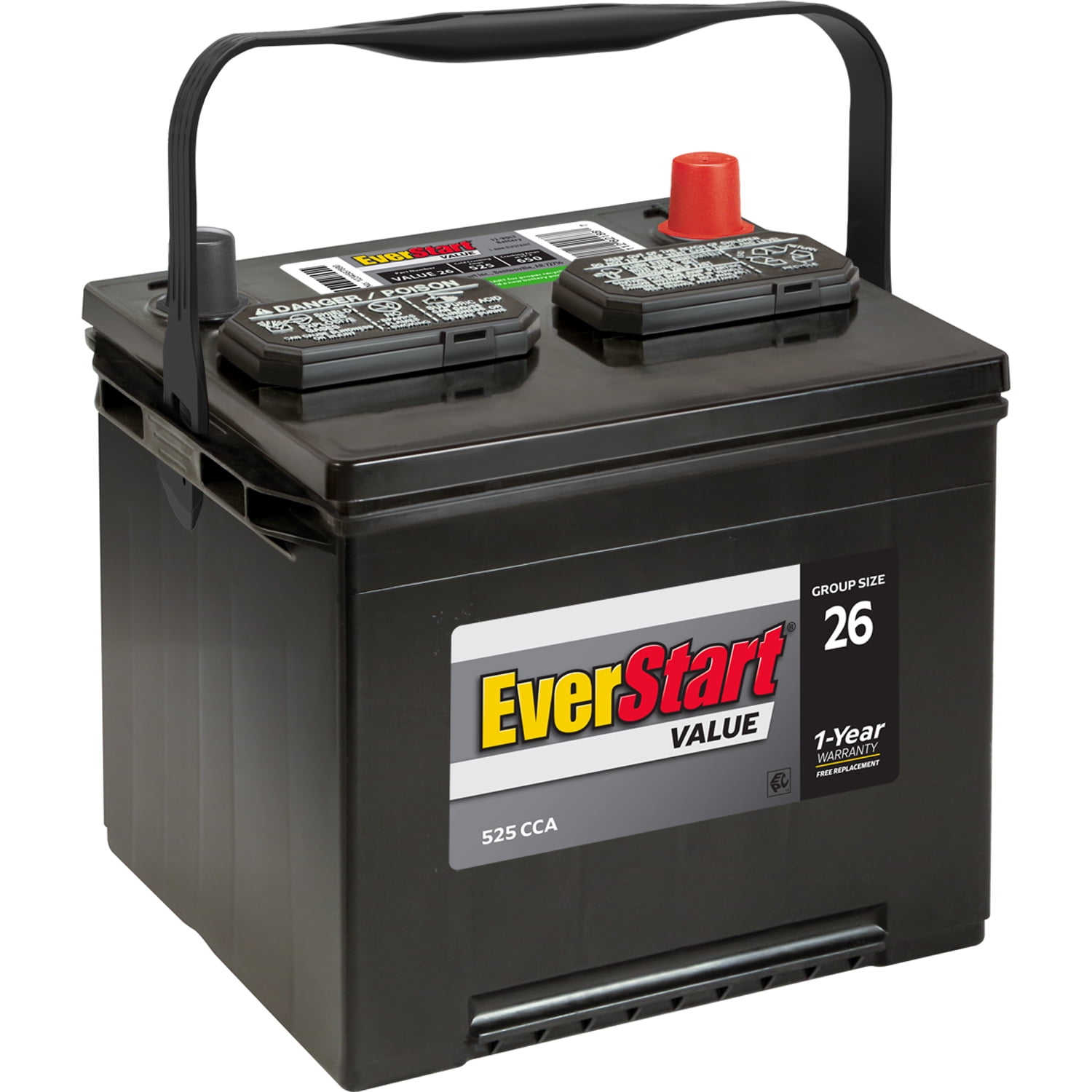
- Match group size, cold cranking amps (CCA), and terminal layout.
- For start-stop cars, use AGM or EFB as specified. Do not downgrade.
- Use a memory saver to keep radio presets and modules alive (if available).
- Remove negative (-) first, then positive (+). Swap batteries.
- Install positive (+) first, then negative (-). Tighten and test.
- Some cars need battery registration or reset after replacement. Follow the service menu or ask a shop if unsure.
Based on this battery guide from Consumer Reports, buying the correct type (especially AGM for start-stop) prevents premature failure and strange electrical issues.
Choosing the Right Battery
Pick a battery that fits your car and your climate. Spending a little more on the right type often saves money and hassle later.
- Group size: Physical size and terminal position must match.
- CCA: More CCA helps in cold climates.
- Reserve capacity (RC) or Ah: Longer support for electronics with engine off.
- Brand warranty: Longer free-replacement periods are valuable.
- AGM vs. flooded: AGM for heavy loads or start-stop systems.
| Battery Type | Best For | Pros | Cons | Typical Cost |
|---|---|---|---|---|
| Flooded Lead-Acid | Budget replacements, basic vehicles | Low price, widely available | Shorter life, sensitive to heat/vibration | Low |
| EFB | Light start-stop systems | Better cycle life than flooded | Costs more than flooded | Medium |
| AGM | Start-stop, high electrical loads, harsh climates | Long life, spill-proof, strong cranking | Higher price, needs proper charging profile | Medium-High |
| Lithium (12V) | Specialty builds, weight savings | Very light, strong output | Expensive, special care and charging | High |
Understanding Battery Specs (What Matters Most)
These labels help you choose the right match. Focus on fit and real-world needs rather than the biggest number on the shelf.
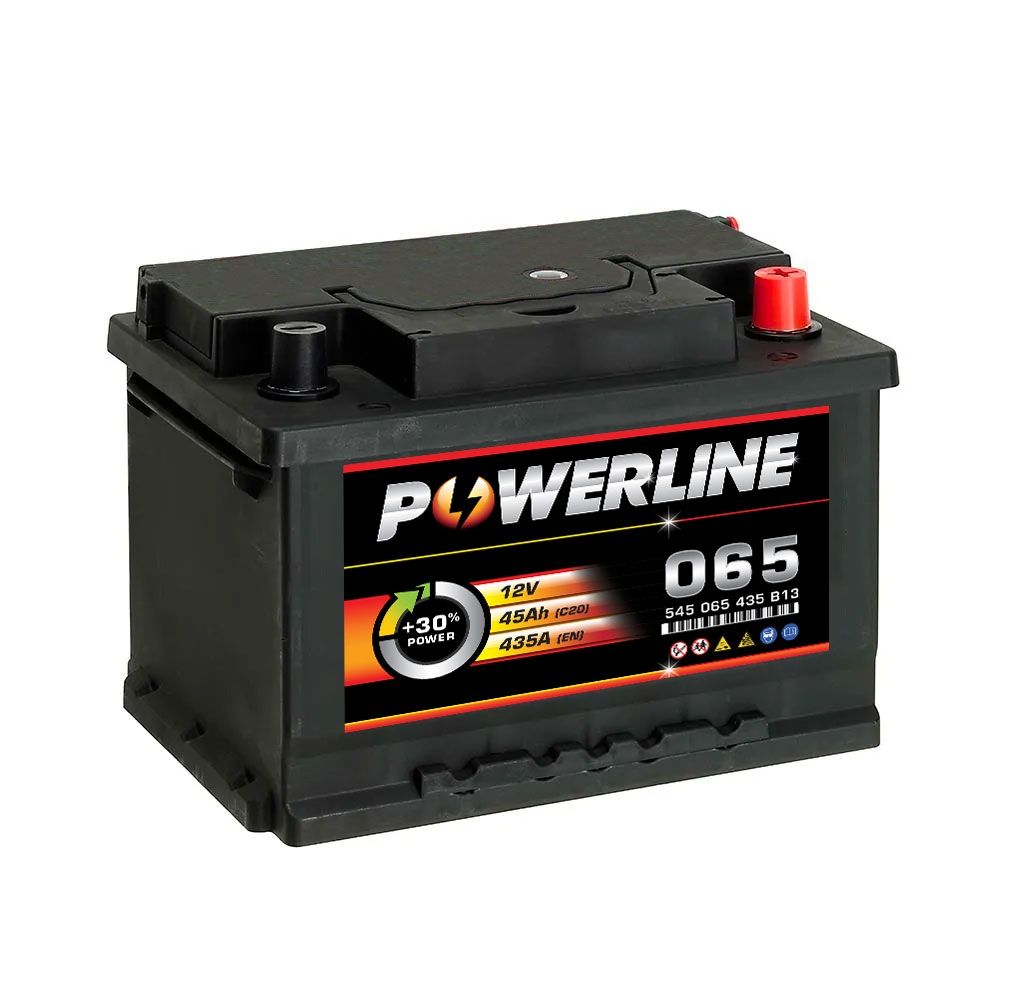
- CCA (Cold Cranking Amps): Starting power in the cold. Higher is better in winter regions.
- RC (Reserve Capacity) or Ah (Amp-hours): How long it runs accessories with the engine off.
- Group Size: Physical size and terminal location. Must match your car.
- Date Code: Newer is better; avoid batteries older than 3–6 months on the shelf.
- Warranty: Look for a solid free-replacement period, not just pro-rated coverage.
Maintenance Schedule and Expected Lifespan
Batteries last longer with simple care. A few seasonal checks can double your odds of a no-drama winter start.
- Every oil change: Inspect terminals, battery case, and hold-down bracket.
- Twice a year: Clean terminals and check resting voltage.
- Before winter: Load test if the battery is 3+ years old.
- If parked long-term: Use a smart maintainer to keep it topped up.
How Long Do Car Batteries Last?
Most last 3–5 years. Heat shortens life. Cold exposes weak cells. AGM batteries often last longer if charged correctly.
- Hot climates: Expect closer to 3 years, sometimes less.
- Moderate climates: 4–5 years is typical with good care.
- Start-stop cars: Use the correct type (EFB/AGM) to avoid early failure.
As explained by AAA, many roadside calls are battery-related, and many batteries fail without warning when temperatures swing. Preventive testing is cheap insurance.
Seasonal Battery Checklist
Use this quick list before big temperature swings. It takes minutes and saves headaches.
- Check voltage after the car sits overnight.
- Clean and tighten terminals.
- Inspect belts and listen for alternator noise.
- Charge overnight if voltage is under 12.4V.
- Load test at a parts store if over 3 years old.
Troubleshooting Real-World Scenarios
These are common situations I see in the shop and driveway. Follow the steps to get rolling fast and prevent repeat issues.
Car Won’t Start After Work (Interior Light Was On)
You left a dome light on. The battery is drained but likely not dead. Try this sequence.
- Jump-start the car safely.
- Drive 30 minutes with minimal accessories on.
- Let the car sit overnight and check resting voltage in the morning.
- If it’s 12.4V or higher, you’re good. If it’s under 12.3V, slow-charge and retest.
- If it still drops low, the battery sulfated. Plan to replace.
Starts Cold, Then Dies at Stoplights
This can be a weak alternator, slipping belt, or corroded connections. Batteries get blamed, but charging is the issue.
- Measure running voltage at idle and at 2,000 RPM.
- Check for 13.8–14.7V. If it dips under load, inspect the belt and alternator.
- Clean the battery grounds. Loose grounds can mimic alternator failure.
New Battery, Still Dead by Morning
That points to a parasitic drain. Something stays awake at night and sips power.
- Check for aftermarket devices on always-on power sockets.
- Pull fuses one by one to find the guilty circuit.
- Common culprits: infotainment modules, glovebox lights, dash cams.
- Use a maintainer until you solve the drain.
Battery Light Came On While Driving
If the light turns on, the alternator may not be charging the battery. You can drive for a short time on battery power alone.
- Turn off non-essential loads (A/C, seat heaters, stereo amps).
- Head straight home or to a shop. Don’t shut off the engine until parked.
- Check belt tension and condition. If the belt is broken, stop and call for help.
- Test running voltage; if below 13.5V, diagnose the alternator and wiring.
Cost Breakdown and Money-Saving Tips
Battery costs vary by type and size. You can save by doing simple steps yourself and choosing the right product the first time.
- Standard flooded: Lower price, shorter life. Good for basic needs.
- AGM/EFB: Higher price, longer life, better for start-stop and electronics.
- DIY install saves labor. Use a memory saver if your car needs one.
- Core charge: Return the old battery for a refund.
- Warranties: Aim for the longest free-replacement period you can afford.
- Maintainers pay for themselves if you park long-term.
Environmental and Recycling Tips
Lead-acid batteries are highly recyclable. Most parts stores accept old batteries and give a core credit. Don’t throw them away.
- Recycle at auto parts stores or local waste facilities.
- Handle with care. Batteries contain acid and lead.
- Keep upright during transport and avoid tipping.
According to the U.S. Environmental Protection Agency, lead-acid batteries have one of the highest recycling rates of any consumer product. Always recycle to protect people and the environment.
FAQs
How do I know if my car battery is bad or my alternator is bad?
Test resting voltage first. Then start the car and check running voltage. If resting is low and running is 13.8–14.7V, the battery is weak. If running voltage is low, the alternator or belt is the problem.
Can I drive with the battery light on?
Only for a short distance. You’re running on stored battery power. Turn off extras and head to a safe place or a shop. If you shut off the engine, it may not restart.
How long should a car battery last?
Most last 3–5 years. Heat shortens life. Cold exposes weak cells. Test yearly after year three, and before winter.
What voltage should a car battery read?
A healthy resting battery reads 12.6V or higher. While running, you should see 13.8–14.7V at the battery terminals.
Will a new battery fix my starting problem?
Maybe. If the alternator, cables, or starter are faulty, a new battery won’t help for long. Test before you buy.
Do I need an AGM battery?
If your car has start-stop or lots of power-hungry electronics, likely yes. Always replace with the type your car calls for. Don’t downgrade from AGM to flooded.
Should I disconnect my battery for storage?
Use a smart maintainer instead. If you must disconnect, remove the negative cable first and store the battery in a cool, dry place.
Conclusion
Your car battery is small but vital. It starts the engine, powers electronics, and keeps you moving. With a quick voltage test, a safe jump-start, and a check of the charging system, you can solve most no-start problems fast.
Here’s your game plan: Clean and tighten the terminals. Measure resting voltage (aim for 12.6V). Verify charging voltage (13.8–14.7V running). If the battery won’t hold a charge, replace it with the correct type and specs for your car. Recycle the old one responsibly. Do this, and you’ll drive with confidence—no more surprises in the parking lot.