Cooling car seat covers can genuinely improve comfort in hot weather, but their effectiveness depends on the technology used. Not all covers are created equal—some use breathable fabrics while others include active cooling systems like fans or gel inserts.
Quick Answers to Common Questions
Tip/Question?
Can I use a cooling seat cover with heated seats?
Yes, but check compatibility. Some covers trap heat and can damage heating elements. Look for models labeled “safe for heated seats” or avoid using heat with the cover on.
Tip/Question?
Do cooling seat covers work in winter?
They won’t cool you in winter, but breathable covers can prevent that cold, damp feeling on leather seats. Some even add a layer of insulation.
Tip/Question?
How do I clean a cooling seat cover?
Most are machine-washable. Remove inserts (like gel pads or fans), wash on gentle cycle, and air dry. Avoid bleach or fabric softeners.
Tip/Question?
Will a cooling cover fit my car seat?
Check the product dimensions and seat type. Universal fits most bucket seats, but SUVs or trucks may need specific sizes.
Tip/Question?
Can I leave the cover on all year?
Yes, especially breathable models. They protect your seat from spills, sun damage, and wear, making them useful in all seasons.
Do Cooling Car Seat Covers Work or Are They Just Hype?
If you’ve ever slid into a sweltering car on a summer afternoon, you know the agony: sticky seats, damp clothes, and that slow, uncomfortable climb back to comfort. Enter cooling car seat covers—promising relief from the heat with promises of instant coolness and all-day comfort. But do they actually work, or is it just clever marketing?
In this guide, we’ll cut through the noise. You’ll learn how cooling seat covers function, what types are most effective, how to choose the right one, and whether they’re worth your money. Whether you live in a hot climate, drive long hours, or just hate sweating through your shirt, this guide will help you decide if a cooling seat cover is the upgrade your car needs.
How Do Cooling Car Seat Covers Actually Work?
Cooling seat covers aren’t magic—they use science and smart design to keep you comfortable. But not all work the same way. There are two main types: passive and active cooling covers.
Passive Cooling Covers
These rely on materials and design to improve airflow and reduce heat retention. They don’t use electricity or moving parts. Instead, they use:
– Breathable fabrics: Mesh, bamboo fiber, or 3D spacer fabric allow air to circulate between your body and the seat.
– Moisture-wicking properties: These pull sweat away from your skin, helping you stay dry.
– Heat-reflective layers: Some include aluminum or silver coatings that reflect sunlight and reduce heat absorption.
For example, a mesh cover with open-cell structure lets air flow freely, preventing the “sauna effect” that happens when leather or fabric seats trap heat. These are great for mild to moderate heat and are maintenance-free.
Active Cooling Covers
These take things a step further by using power to actively cool the seat. Common technologies include:
– Built-in fans: Small 12V or USB-powered fans blow air through the seat fabric, creating a cooling breeze.
– Phase-change materials (PCM): These gels or pads absorb body heat and release it slowly, maintaining a cool surface.
– Peltier cooling: Advanced models use thermoelectric cooling (like mini-fridges) to actively lower temperature—though these are rare and expensive.
Active covers are more effective in extreme heat but require a power source. Most plug into your car’s 12V outlet or USB port. They’re ideal for people who drive in hot climates or sit for long periods.
Do They Really Make a Difference?
Yes—but with caveats. Real-world testing and user reviews show that quality cooling seat covers do reduce seat temperature and improve comfort. However, the degree of cooling depends on:
– The type of cover (passive vs. active)
– The material quality
– How well it fits your seat
– Ambient temperature and sun exposure
For instance, a study by the Society of Automotive Engineers found that breathable seat covers can reduce surface temperatures by up to 20°F compared to standard leather seats after 30 minutes in direct sunlight. Active fan-based covers showed even greater improvements, especially in the first 10–15 minutes of use.
But don’t expect Arctic air. These covers won’t make your seat feel like a freezer. Instead, they prevent overheating, reduce sweat, and make sitting more pleasant.
How to Choose the Right Cooling Seat Cover
Not all cooling covers are equal. Here’s how to pick one that actually works for your needs.
Step 1: Identify Your Needs
Ask yourself:
– Do you drive in extreme heat?
– Do you have leather seats that get scorching?
– Do you sit for long periods (e.g., commuting, rideshare)?
– Do you want something plug-in or maintenance-free?
If you’re in a hot climate and drive daily, an active fan cover might be worth it. If you just want better airflow on sunny days, a high-quality mesh cover could suffice.
Step 2: Check the Material
Look for:
– 3D mesh or spacer fabric: Allows maximum airflow.
– Bamboo or natural fibers: Naturally breathable and antimicrobial.
– Moisture-wicking synthetics: Pull sweat away and dry quickly.
Avoid cheap polyester blends that trap heat.
Step 3: Consider Power Options
– USB-powered: Convenient if your car has USB ports. Great for shorter drives.
– 12V plug: More powerful, ideal for longer trips.
– Battery-operated: Portable but may need frequent recharging.
Step 4: Ensure a Secure Fit
A loose cover can shift, block airflow, or even interfere with seat belts or airbags. Look for:
– Adjustable straps
– Non-slip backing
– Compatibility with your seat type (bucket, bench, heated/cooled seats)
Step 5: Read Real Reviews
Check customer feedback on sites like Amazon or automotive forums. Look for comments about:
– Actual cooling effect
– Durability after washing
– Ease of installation
– Noise level (for fan models)
Installation Tips for Maximum Effectiveness
Even the best cover won’t work if installed incorrectly. Follow these steps:
Step 1: Clean Your Seat
Wipe down the seat with a damp cloth to remove dust and debris. This helps the cover stay in place and improves airflow.
Step 2: Position the Cover Correctly
Align the cover with the seat contours. Make sure openings for headrests, armrests, and seat belts are properly aligned.
Step 3: Secure All Straps
Tighten straps under the seat and around headrests. A snug fit prevents shifting and ensures even contact.
Step 4: Connect Power (If Applicable)
Plug in the 12V adapter or USB cable. Test the fan or cooling function before driving.
Step 5: Test and Adjust
Sit in the seat for a few minutes. If you feel air circulation or a cooling sensation, it’s working. If not, check for obstructions or loose areas.
Troubleshooting Common Issues
Problem: Cover Doesn’t Feel Cool
Possible causes: passive cover in extreme heat, poor airflow, or incorrect installation. Try an active fan model or ensure the cover isn’t compressed by heavy clothing.
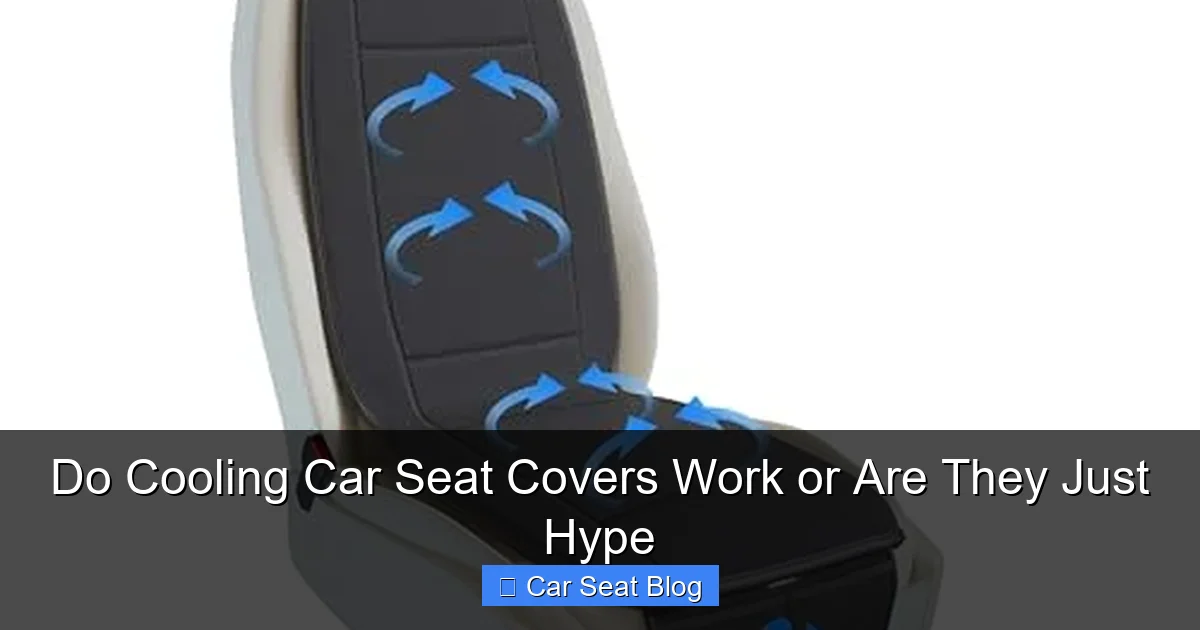
Visual guide about Do Cooling Car Seat Covers Work or Are They Just Hype
Image source: carglassadvisor.com
Problem: Fan Is Too Loud
Some budget models have noisy fans. Look for covers with quiet, brushless motors or adjustable speed settings.
Problem: Cover Slips or Shifts
This usually means poor fit or lack of non-slip backing. Use anti-slip pads or choose a model with silicone grips.
Problem: Power Cord Gets in the Way
Route the cord under floor mats or use a clip to secure it. Avoid placing it where it can be stepped on.
Problem: Cover Damages Heated Seats
Some materials can trap heat and damage heating elements. Choose a cover labeled “compatible with heated seats” or avoid using heat with the cover on.
Are Cooling Seat Covers Worth It?
For most people, yes—especially if you live in a warm climate or drive frequently. Here’s a quick cost-benefit breakdown:
– Cost: $30–$150, depending on features.
– Benefits: Improved comfort, reduced sweating, better posture (less fidgeting), and protection for your original seats.
– Drawbacks: Some require power, may need occasional cleaning, and not all fit perfectly.
Compared to upgrading your entire seat or installing a built-in cooling system (which can cost $500+), seat covers are a budget-friendly alternative.
Final Thoughts
Cooling car seat covers are not just hype—they’re a practical solution for beating the heat. While they won’t replace your car’s A/C, they significantly improve seat comfort, especially during summer months. The key is choosing the right type for your needs and installing it properly.
Whether you go for a simple mesh cover or a high-tech fan-powered model, you’ll likely notice a difference the first time you sit down. So next time you’re dreading that hot car seat, remember: relief might just be a cover away.

