
Heated car seat covers are generally safe for daily use when used correctly. This guide covers safety features, proper usage, and tips to avoid risks like overheating or electrical issues.
Quick Answers to Common Questions
Tip/Question?
Can I leave a heated seat cover on all night?
No. Never leave a heated seat cover on when the car is off or unattended. It can drain the battery or overheat, increasing fire risk.
Tip/Question?
Do heated seat covers work in all cars?
Most work in any vehicle with a 12V power outlet. However, check compatibility with your seat type and avoid blocking airbags.
Tip/Question?
How long do heated seat covers last?
Quality covers last 2–5 years with proper care. Replace if you notice damage, reduced heat, or electrical issues.
Tip/Question?
Can I wash a heated seat cover?
Only if the manufacturer says it’s machine-washable. Most should be wiped clean with a damp cloth—never submerge in water.
Tip/Question?
Are heated seat covers worth it?
Yes, especially in cold climates. They’re affordable, portable, and provide quick warmth—just use them safely.
Are Heated Car Seat Covers Safe for Daily Use?
If you live in a cold climate or just hate that icy shock when you sit in your car on a winter morning, heated car seat covers might sound like a dream come true. But before you plug one in and crank up the heat, you’re probably wondering: Are heated car seat covers safe for daily use?
The short answer? Yes—when used properly. Like any electrical device, heated seat covers come with risks if misused, but modern designs include safety features that make them reliable for everyday driving. In this guide, we’ll walk you through everything you need to know to use heated car seat covers safely, comfortably, and confidently—whether you’re commuting to work or taking a long road trip.
By the end of this article, you’ll understand how these covers work, what safety features to look for, how to install and use them correctly, and when it’s best to avoid them altogether. Let’s dive in.
How Do Heated Car Seat Covers Work?
Visual guide about Are Heated Car Seat Covers Safe for Daily Use
Image source: carseatpanel.com
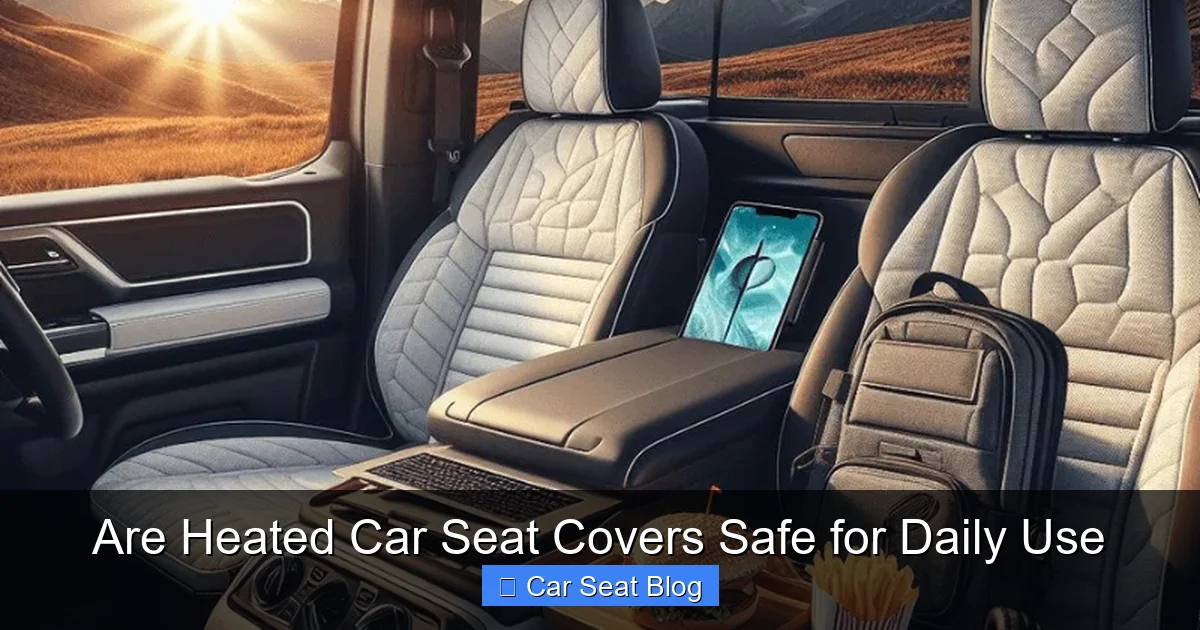
Heated car seat covers use thin, flexible heating elements—usually made of carbon fiber or wire—embedded between layers of fabric. When you plug the cover into your car’s 12-volt power outlet (cigarette lighter), electricity flows through these elements, generating gentle, consistent heat.
Most covers offer multiple heat settings (low, medium, high) and heat up within minutes. Some even have built-in thermostats that maintain a steady temperature, preventing overheating. Unlike factory-installed heated seats, aftermarket covers are portable and can be moved between vehicles, making them a flexible option for renters or multi-car households.
Are They Safe? Understanding the Risks and Benefits
Let’s address the big question head-on: Are heated car seat covers safe? The answer isn’t a simple yes or no—it depends on the product, how you use it, and your personal health.
Potential Risks
- Burns or skin irritation: Prolonged exposure to high heat can cause low-temperature burns, especially if you have reduced sensation.
- Electrical hazards: Cheap or damaged covers may short-circuit, overheat, or even pose a fire risk.
- Battery drain: Running heated covers for long periods can drain your car’s battery, especially if the engine is off.
- Interference with airbags: Poorly designed covers may block side airbags, reducing safety in a crash.
Benefits of Safe Use
- Improved comfort: Warm seats make cold mornings much more bearable.
- Pain relief: Gentle heat can soothe back pain, arthritis, or muscle stiffness.
- No permanent installation: Unlike built-in systems, covers are removable and affordable.
- Energy efficient: Most use less power than a car’s heater, saving fuel.
The key to safety is choosing a high-quality product and using it responsibly.
How to Choose a Safe Heated Car Seat Cover
Not all heated seat covers are created equal. To ensure safety and performance, follow these guidelines when shopping.
1. Look for Safety Certifications
Always choose covers that meet safety standards like UL (Underwriters Laboratories) or CE (Conformité Européenne). These certifications mean the product has been tested for electrical safety and fire resistance.
2. Check for Auto Shut-Off and Temperature Control
A good cover should have:
- A timer that turns off after 30–60 minutes
- Multiple heat settings
- Overheat protection that shuts down the system if temperatures get too high
These features prevent burns and reduce fire risk.
3. Choose the Right Material
Opt for breathable, durable fabrics like polyester or neoprene. Avoid covers with rough seams or stiff materials that could irritate your skin or trap heat.
4. Ensure Proper Fit
A loose cover can shift, exposing wires or blocking airbags. Measure your seat and choose a cover designed for your car’s make and model. Many brands offer universal fits, but custom-fit options are safer and more comfortable.
5. Read Reviews and Avoid Cheap Knockoffs
Stick to well-known brands like Sunforce, Zadro, or Furmagic. Avoid extremely cheap covers from unknown sellers—they often cut corners on safety.
How to Use Heated Car Seat Covers Safely
Even the best cover can be unsafe if used incorrectly. Follow these step-by-step tips for daily use.
Step 1: Inspect Before Use
Before plugging in, check for:
- Frayed or exposed wires
- Burn marks or melted fabric
- Loose connections or damaged plugs
If you spot any damage, stop using the cover immediately.
Step 2: Install Correctly
- Place the cover flat on the seat, aligning it with the seat contours.
- Secure it with straps or hooks to prevent slipping.
- Ensure it doesn’t interfere with seat belts or airbag deployment zones (usually marked on the seat side).
Step 3: Plug Into a Working 12V Outlet
Use your car’s cigarette lighter or 12V power port. Avoid using extension cords or adapters unless specifically designed for car use.
Step 4: Start on Low Heat
Begin with the lowest setting and increase only if needed. Your skin should feel warm—not hot. If it’s too warm, turn it down.
Step 5: Limit Usage Time
Never use heated covers for more than 30–60 minutes at a time. Turn them off when you arrive at your destination or if you feel uncomfortably warm.
Step 6: Turn Off When Not in Use
Unplug the cover when the car is off to prevent battery drain. Some covers have auto shut-off, but it’s still smart to unplug.
Step 7: Store Properly
When not in use, fold the cover gently and store it in a dry, cool place. Avoid crushing or bending wires.
Who Should Avoid Heated Seat Covers?
While most people can use heated covers safely, some individuals should avoid them or consult a doctor first:
- People with diabetes or neuropathy: Reduced sensation increases burn risk.
- Pregnant women: Prolonged heat on the lower back or abdomen may not be safe.
- Children under 12: Their skin is more sensitive; adult supervision is required.
- Those with heart conditions or pacemakers: Electromagnetic fields from heating elements could interfere with medical devices (though risk is low).
If you’re unsure, talk to your doctor before using a heated seat cover.
Troubleshooting Common Issues
Even with the best care, problems can happen. Here’s how to handle common issues:
Cover Won’t Heat Up
- Check the power outlet—try plugging in another device.
- Inspect the fuse in the plug (many covers have replaceable fuses).
- Ensure the cover is properly connected and the switch is on.
Overheating or Getting Too Hot
- Switch to a lower heat setting.
- Turn off the cover and let it cool.
- Check if the thermostat is working—if not, replace the cover.
Battery Drain
- Don’t use the cover with the engine off for more than 15–20 minutes.
- Use a cover with auto shut-off to prevent accidental drain.
- Consider a portable car battery booster if you frequently use electronics while parked.
Cover Slipping or Moving
- Re-secure straps or use non-slip pads underneath.
- Choose a cover with better grip or a custom fit.
Conclusion: Safe, Smart, and Comfortable
So, are heated car seat covers safe for daily use? Yes—if you choose a quality product and use it wisely. These covers can transform your winter driving experience, offering warmth and comfort without the high cost of factory-installed systems.
The key is responsibility. Always inspect your cover, follow the manufacturer’s instructions, and avoid prolonged use. Look for safety features like auto shut-off, temperature control, and certifications. And if you have health concerns, consult a professional before use.
With the right precautions, heated seat covers are a safe, convenient, and cozy addition to your daily drive. Stay warm, stay safe, and enjoy the ride.
🎥 Related Video: Beat the Winter Chill: Heated Seat Cushion Review | Car Heated Seat Cover
📺 ZiiWheels
The cold winter months can make driving uncomfortable. This video will explore the best heated seat cushions to keep you warm …