Can Car Seat Covers Go in Dryer Safely

Wondering if you can safely toss your car seat covers in the dryer? This guide breaks down which materials are dryer-safe, how to prepare covers for drying, and essential tips to avoid damage. Whether you have neoprene, polyester, or leather-style covers, we’ve got you covered—without the shrinkage or warping.
Quick Answers to Common Questions
Tip/Question?
Can I dry neoprene seat covers in the dryer?
Yes, but only on low heat or air-fluff. High heat can cause neoprene to warp or crack. Always check the care label first.
Tip/Question?
How long should I dry seat covers in the dryer?
Start with 20–30 minutes on low heat. Check frequently and remove when mostly dry to finish air-drying.
Tip/Question?
Is it safe to dry leather seat covers in the dryer?
No. Leather and faux leather should never go in the dryer. Always air-dry flat to prevent cracking or peeling.
Tip/Question?
What if my seat covers smell after drying?
This usually means they weren’t fully dry. Re-wash and ensure complete drying before reinstalling to prevent mildew.
Tip/Question?
Can I dry seat covers with buckles or straps?
Yes, but secure all fasteners to prevent snagging. Remove detachable parts if possible to protect both the covers and the dryer.
Can Car Seat Covers Go in the Dryer Safely?
If you’ve just finished washing your car seat covers and are staring at the laundry basket wondering, “Can car seat covers go in the dryer?”—you’re not alone. Many car owners want a quick, efficient way to dry their seat covers after a deep clean, but the answer isn’t always a simple yes or no. The safety of using a dryer depends heavily on the material, construction, and care instructions of your specific seat covers.
In this comprehensive guide, we’ll walk you through everything you need to know about drying car seat covers in the dryer—safely and effectively. You’ll learn how to identify dryer-safe materials, prepare your covers for machine drying, choose the right dryer settings, and avoid common mistakes that can ruin your investment. Whether you drive a sedan, SUV, or truck, and whether your covers are brand-new or well-worn, this guide will help you maintain them like a pro.
Why Drying Method Matters for Car Seat Covers
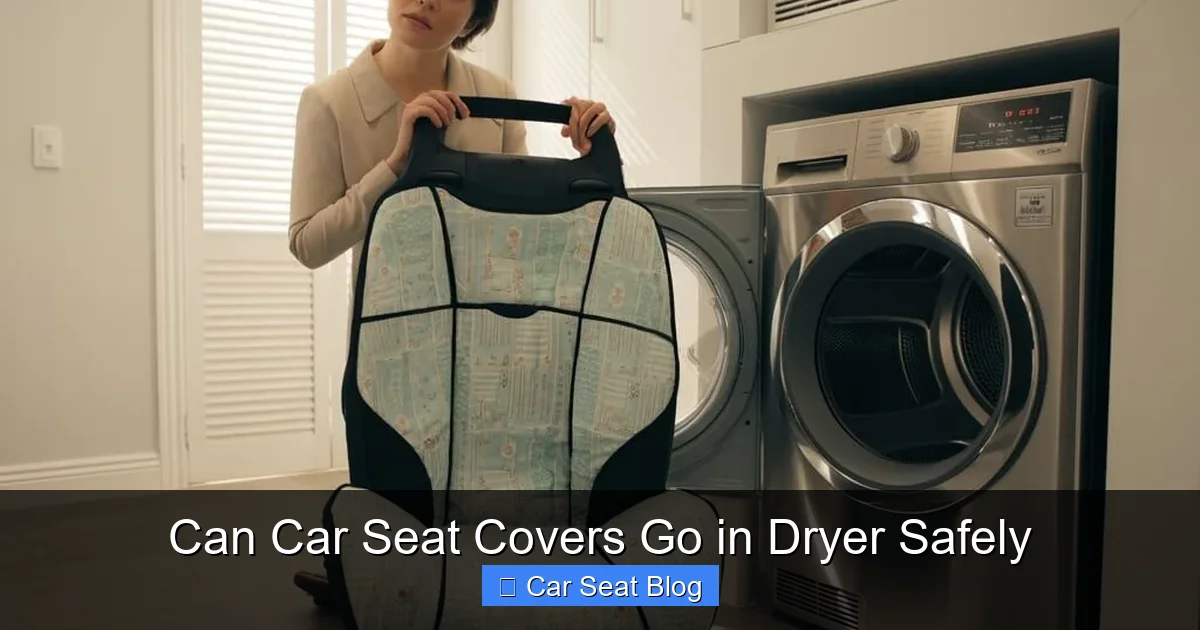
Visual guide about Can Car Seat Covers Go in Dryer Safely
Image source: carseatpanel.com
Car seat covers aren’t just decorative—they protect your original upholstery from spills, pet hair, dirt, and UV damage. Over time, they absorb moisture, oils, and grime, which is why regular cleaning is essential. But how you dry them afterward can make or break their lifespan.
Using the wrong drying method—like high heat on a delicate fabric—can cause irreversible damage such as shrinking, warping, melting, or loss of elasticity. On the other hand, air-drying alone can take days, especially in humid climates, and may lead to mildew if the covers aren’t completely dry before reinstallation.
That’s why understanding whether your car seat covers can go in the dryer is so important. The right approach saves time, preserves fabric quality, and ensures your covers fit properly when you put them back on.
Step 1: Identify Your Seat Cover Material
Before you even think about tossing your seat covers into the dryer, you need to know what they’re made of. Different materials react differently to heat and tumbling.
Common Car Seat Cover Materials
- Polyester: One of the most common and durable materials. Polyester blends are usually machine-washable and can often go in the dryer on low heat. They resist shrinking and fading well.
- Neoprene: Popular for its water-resistant and snug-fitting properties (like wetsuit material). Most neoprene covers can handle low-heat drying, but high heat can cause cracking or warping.
- Cotton or Cotton Blends: Soft and breathable, but prone to shrinking if exposed to high heat. Use low heat or air-dry only.
- Microfiber: Great for absorbing spills and easy to clean. Usually dryer-safe on low, but avoid fabric softeners which can reduce absorbency.
- Leather or Faux Leather (Vinyl): Never put these in the dryer. Heat can cause peeling, cracking, or warping. Always air-dry flat.
- Mesh or Breathable Fabrics: Often used in sport or performance covers. These are usually safe for low-heat drying but check the label first.
How to Check the Material
If you’re unsure what your seat covers are made of, look for a care tag—usually sewn into the seam or underside. If there’s no tag, check the product packaging or the manufacturer’s website using your model number. When in doubt, assume the material is delicate and air-dry.
Step 2: Read the Care Label
This step cannot be stressed enough: always read the care label. Even if you think you know the material, manufacturers may use special coatings, dyes, or stitching that affect drying safety.
Look for symbols or text like:
– A square with a circle inside = tumble dry
– A single dot = low heat
– Two dots = medium heat
– Three dots = high heat (rarely recommended)
– A square with a line underneath = air-dry flat
– A crossed-out dryer symbol = do not tumble dry
If the label says “dry clean only” or “air dry only,” do not use the dryer—no matter how tempting it may be.
Step 3: Prepare the Seat Covers for Drying
Even if your covers are dryer-safe, proper preparation is key to avoiding damage.
Shake Out Excess Water
After washing, give the covers a good shake to remove as much water as possible. This reduces drying time and prevents heavy, waterlogged fabric from stressing the dryer or causing uneven drying.
Turn Inside Out (If Recommended)
Some manufacturers suggest turning covers inside out before drying to protect the outer surface from fading or pilling. Check your care instructions.
Remove Any Detachable Parts
If your seat covers have Velcro straps, buckles, or plastic clips, make sure they’re secured or removed. Loose parts can snag fabric or damage the dryer drum.
Check for Stains or Residue
If you used stain removers or heavy detergents, rinse thoroughly. Residue can bake into the fabric under heat, causing discoloration or stiffness.
Step 4: Choose the Right Dryer Settings
Not all dryer settings are created equal—especially for car seat covers.
Use Low Heat or Air-Fluff Mode
Low heat is the safest option for most machine-dryable seat covers. High heat can melt synthetic fibers, shrink cotton, or warp neoprene. If your dryer has an “air-fluff” or “no heat” setting, that’s even better—it uses tumbling motion without heat to dry fabrics gently.
Avoid High Heat at All Costs
Unless the care label explicitly permits high heat (which is rare), avoid it. Even polyester can degrade over time with repeated high-heat exposure.
Set a Short Cycle
Start with a 20–30 minute cycle. You can always add more time if needed. Over-drying can weaken fibers and reduce elasticity, especially in stretchy materials like neoprene.
Step 5: Monitor the Drying Process
Don’t just set it and forget it. Check on your seat covers periodically.
Open the Dryer Mid-Cycle
After 15–20 minutes, open the dryer and feel the covers. Are they still very damp? Let them continue. Are they warm but not hot? That’s ideal. If they’re steaming or too hot to touch, stop the cycle immediately.
Separate if Needed
If you’re drying multiple covers, make sure they’re not bunched up. Overcrowding prevents proper airflow and can lead to damp spots or mildew.
Tumble with Dry Towels (Optional)
Adding a couple of clean, dry towels to the dryer can help absorb excess moisture and speed up drying—just make sure they’re lint-free to avoid transfer.
Step 6: Finish with Air-Drying (If Necessary)
Even if you use the dryer, it’s often best to finish the process with air-drying.
Remove While Slightly Damp
Take the covers out when they’re about 80–90% dry. Lay them flat on a clean towel or hang them over a drying rack. This helps maintain shape and prevents over-drying.
Shape and Smooth
Gently stretch and smooth the fabric to its original shape. This is especially important for form-fitting covers that might lose their stretch if dried incorrectly.
Let Them Breathe
Allow the covers to air-dry completely in a well-ventilated area, away from direct sunlight (which can fade colors). Turn them occasionally to ensure even drying.
Troubleshooting Common Drying Problems
Even with the best intentions, things can go wrong. Here’s how to handle common issues:
Shrunken or Misshapen Covers
If your covers came out smaller or warped, they were likely exposed to too much heat. Unfortunately, this damage is usually permanent. In the future, stick to air-drying or very low heat.
Melted or Sticky Spots
This is a sign of high heat on synthetic materials like neoprene or polyester. Stop using the dryer immediately and switch to air-drying. Check your dryer’s temperature settings—some run hotter than labeled.
Foul Odors or Mildew
If your covers smell musty after drying, they weren’t fully dry before storage. Re-wash and ensure they’re 100% dry before reinstalling. Use a fan or dehumidifier to speed up air-drying.
Loose Straps or Broken Zippers
Tumbling can stress fasteners. Always secure straps and zippers before drying. If damage occurs, repair or replace the cover to avoid safety issues.
When to Avoid the Dryer Altogether
Despite the convenience, there are times when you should skip the dryer completely:
– Your covers are made of leather, faux leather, or vinyl
– The care label says “do not tumble dry”
– The covers are heavily soiled with grease or oil (these can smoke in the dryer)
– You’re using a shared or older dryer with inconsistent heat
– The covers are brand new and haven’t been tested for heat tolerance
In these cases, air-drying is the safest and smartest choice.
Final Tips for Long-Lasting Seat Covers
To get the most out of your car seat covers—and avoid drying dilemmas—follow these best practices:
– Clean covers regularly to prevent deep-set stains
– Use mild, non-bleach detergents
– Avoid fabric softeners, which can coat fibers and reduce breathability
– Store covers in a cool, dry place when not in use
– Rotate between two sets if possible, to extend lifespan
Conclusion
So, can car seat covers go in the dryer? The short answer is: it depends—but often, yes, if done correctly. By checking the material, reading the care label, using low heat, and finishing with air-drying, you can safely dry many types of seat covers without damage. However, when in doubt, air-drying is always the safest route. Taking a few extra minutes to dry your covers properly can save you money, time, and frustration in the long run. Your car—and your passengers—will thank you for seats that look clean, fit well, and last for years.