Are Car Seat Covers Washable The Complete Guide

Yes, most car seat covers are washable, but the method depends on the material and design. This guide covers everything from fabric types to step-by-step cleaning instructions, helping you keep your seats clean and your car looking great.
Quick Answers to Common Questions
Tip/Question?
Can I put neoprene seat covers in the dryer?
It’s best to air dry neoprene covers. If you must use a dryer, use the lowest heat setting and remove while slightly damp to prevent damage.
Tip/Question?
How often should I wash my car seat covers?
Wash every 1–3 months, or more often if you have pets, kids, or frequently transport messy items.
Tip/Question?
What’s the best way to remove pet hair from seat covers?
Use a rubber glove, lint roller, or vacuum with a brush attachment. For machine-washable covers, washing will also help remove embedded hair.
Tip/Question?
Can I use bleach to clean white seat covers?
Only if the care label allows it. Bleach can weaken fibers and cause yellowing over time. Use oxygen-based bleach as a safer alternative.
Tip/Question?
Are leather seat covers machine washable?
No. Leather and faux leather should be cleaned with a damp cloth and leather cleaner—never machine washed.
Are Car Seat Covers Washable? The Complete Guide
Keeping your car’s interior clean and fresh is easier said than done—especially when spills, pet hair, food crumbs, and daily wear take their toll. That’s where car seat covers come in. Not only do they protect your original upholstery, but they also make cleaning up messes a lot simpler. But here’s the big question: Are car seat covers washable? The short answer is yes—most are. But the real answer depends on the material, design, and manufacturer’s recommendations.
In this complete guide, you’ll learn everything you need to know about washing car seat covers. From identifying washable materials to step-by-step cleaning instructions, we’ll walk you through the best practices to keep your seat covers looking new. Whether you drive a family minivan, a rugged SUV, or a sleek sedan, this guide will help you maintain a clean, comfortable, and stylish ride.
Why Washable Car Seat Covers Matter
Car seat covers aren’t just about style—they’re a practical investment. They protect your seats from stains, fading, and damage caused by sun exposure, pets, kids, and daily use. But if they’re not cleaned regularly, they can become a breeding ground for bacteria, odors, and allergens. That’s why choosing washable car seat covers is so important.

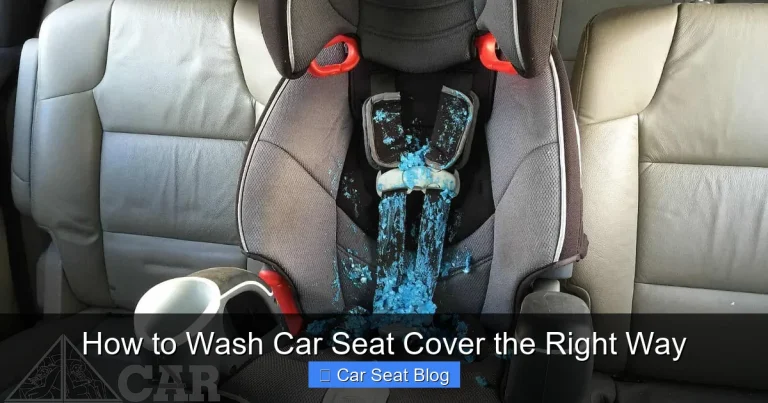
Visual guide about Are Car Seat Covers Washable The Complete Guide
Image source: hbbeling.com
Washable covers allow you to easily remove dirt and grime, ensuring your car stays hygienic and pleasant-smelling. Plus, regular cleaning helps preserve the fabric’s integrity, preventing premature wear and tear. Whether you’re dealing with muddy paw prints, coffee spills, or just everyday dust, knowing how to properly wash your seat covers can save you time, money, and stress in the long run.
Types of Car Seat Covers and Their Washability
Not all car seat covers are created equal—especially when it comes to cleaning. The material plays a huge role in determining whether a cover is machine washable, hand wash only, or spot clean only. Here’s a breakdown of the most common types:
1. Neoprene Seat Covers
Neoprene is a popular choice for its durability, water resistance, and sporty look. It’s commonly used in trucks and performance vehicles. Most neoprene covers are machine washable, but always check the label. Use cold water and a gentle cycle to prevent damage. Avoid fabric softeners and bleach, as they can break down the material.
2. Polyester and Microfiber Covers
These lightweight, affordable options are great for everyday use. They’re usually machine washable and dry quickly. However, some may lose their shape if washed too frequently or with high heat. Use mild detergent and avoid overloading the washing machine.
3. Leather and Faux Leather Covers
Real and synthetic leather covers add a premium look but require special care. They are not machine washable. Instead, clean them with a damp cloth and a leather-safe cleaner. Wipe spills immediately to prevent staining.
4. Canvas and Heavy-Duty Fabric
Designed for work vehicles and off-roading, these covers are tough and often machine washable. They can handle mud, oil, and heavy use. Wash in cold water and air dry to maintain strength and color.
5. Sheepskin and Wool Covers
These luxurious covers are warm and soft but require delicate handling. Most are hand wash only or dry clean only. Never machine wash sheepskin, as it can felt and shrink.
How to Wash Car Seat Covers: Step-by-Step Guide
Now that you know which materials are washable, let’s dive into the cleaning process. Follow these steps to safely and effectively wash your car seat covers.
Step 1: Check the Care Label
Before doing anything, locate the care tag on your seat covers. It will tell you whether the covers are machine washable, hand wash only, or dry clean only. If there’s no label, check the product manual or the manufacturer’s website. Never assume—washing the wrong way can ruin your covers.
Step 2: Remove the Covers
Take the seat covers off your car seats. Most are designed to be easily removable with straps, hooks, or Velcro. This ensures you can clean them thoroughly without water or soap getting into your car’s upholstery. Plus, it’s easier to inspect for stains or damage when they’re off the seat.
Step 3: Shake Out Loose Debris
Take the covers outside and give them a good shake to remove crumbs, pet hair, dirt, and other loose particles. You can also use a handheld vacuum or brush attachment to get into crevices. This step prevents clogging your washing machine and improves cleaning efficiency.
Step 4: Pre-Treat Stains
For stubborn stains like coffee, grease, or mud, pre-treat the area before washing. Mix a small amount of mild detergent with water and gently scrub the stain with a soft brush or cloth. Let it sit for 10–15 minutes, then rinse with a damp cloth. Avoid harsh chemicals like bleach unless the care label specifically allows it.
Step 5: Choose the Right Washing Method
Depending on your cover type, choose the appropriate washing method:
- Machine Wash: Use a gentle cycle with cold water and mild detergent. Place covers in a mesh laundry bag to prevent tangling and damage. Do not overload the machine.
- Hand Wash: Fill a bathtub or large basin with cold water and a small amount of detergent. Gently agitate the covers, then rinse thoroughly.
- Spot Clean: For non-washable covers, use a damp cloth with soapy water to clean only the soiled areas. Wipe with a clean, damp cloth to remove soap residue.
Step 6: Dry Properly
Drying is just as important as washing. Never use high heat unless the label says it’s safe. Here’s how to dry different materials:
- Air Dry: Lay flat or hang up to dry. This is best for neoprene, polyester, and canvas. Avoid direct sunlight, which can fade colors.
- Tumble Dry Low: Only if the label permits. Use the lowest heat setting and remove while slightly damp to prevent shrinkage.
- Leather/Faux Leather: Wipe with a dry cloth and let air dry away from heat sources.
Step 7: Reinstall the Covers
Once completely dry, reattach the covers to your seats. Make sure they’re secure and properly aligned. Check that straps and fasteners are tight to prevent slipping while driving.
Troubleshooting Common Washing Problems
Even with the best care, issues can arise. Here’s how to handle common problems:
Fading or Discoloration
If your covers are fading, it’s likely due to sun exposure or using hot water. Always wash in cold water and avoid prolonged sun drying. Choose UV-resistant covers if you park in direct sunlight often.
Shrinking or Warping
This usually happens when covers are washed in hot water or dried on high heat. Stick to cold water and air drying. If your cover has already shrunk, try gently stretching it while damp—but don’t force it.
Odors Persist After Washing
Bacteria and mildew can cause lingering smells. Add ½ cup of white vinegar to the rinse cycle to neutralize odors. For severe cases, use an enzyme-based cleaner designed for fabrics.
Zippers or Straps Get Damaged
Fasten zippers and secure straps before washing to prevent snagging. If a strap breaks, contact the manufacturer—many offer replacement parts.
Tips for Maintaining Washable Car Seat Covers
Washing your seat covers is important, but so is regular maintenance. Here are some tips to keep them in top condition:
- Clean spills immediately: The faster you act, the less likely a stain will set.
- Vacuum weekly: Use a brush attachment to remove dust and debris between washes.
- Rotate covers if possible: If you have multiple sets, rotate them to extend their lifespan.
- Use seat protectors for kids and pets: These add an extra layer of defense against messes.
- Store properly: If removing covers for long periods, store them in a cool, dry place in a breathable bag.
Choosing the Best Washable Car Seat Covers
If you’re in the market for new seat covers, look for these features:
- Machine washable label
- Stain-resistant fabric
- Quick-dry material like neoprene or polyester
- Reinforced seams and durable stitching
- Easy installation and removal
Popular brands like Coverking, FH Group, and CalTrend offer high-quality, washable options for a wide range of vehicles.
Conclusion
So, are car seat covers washable? In most cases, yes—but success depends on knowing your material, following care instructions, and using the right cleaning methods. Whether you’re dealing with a muddy dog, a spilled smoothie, or just everyday grime, washing your seat covers regularly keeps your car looking and smelling fresh.
By choosing washable covers and maintaining them properly, you protect your investment, extend the life of your car’s interior, and enjoy a cleaner, more comfortable ride. With the tips and steps in this guide, you’re well-equipped to keep your seat covers in great shape for years to come.
🎥 Related Video: don’t buy seat 💺 covers!why?
📺 CarSutra