Best 1 Oil for City Driving 2026: Expert-Tested Picks

It’s 7:45 a.m., you’re stuck in stop-and-go traffic, and your engine has already heat-cycled three times before you reach the freeway. That’s the kind of commute where the best oil for city driving matters most, because short trips, idle time, and constant low-speed load are harder on oil than many owners realize. In city use, the wrong oil can thin out faster, build sludge sooner, and leave your engine less protected during those repeated cold starts.
This guide is for daily drivers, high-mileage commuters, rideshare owners, and detail-minded car enthusiasts who want the right oil for urban conditions. We’ll break down what matters most, compare the best options, and show you how to choose oil that handles traffic, heat, and frequent stop-and-go use with confidence.
The best oil for city driving is usually a full synthetic with the viscosity your owner’s manual recommends, strong high-temperature stability, and fast cold-flow performance. The biggest mistake buyers make is choosing oil by brand alone instead of matching the correct SAE grade and service interval to short-trip, stop-and-go driving.
Quick Product Comparison
| Product | Image | Check Price |
|---|---|---|
| 1. CVT Filter Pan Gasket Kit | 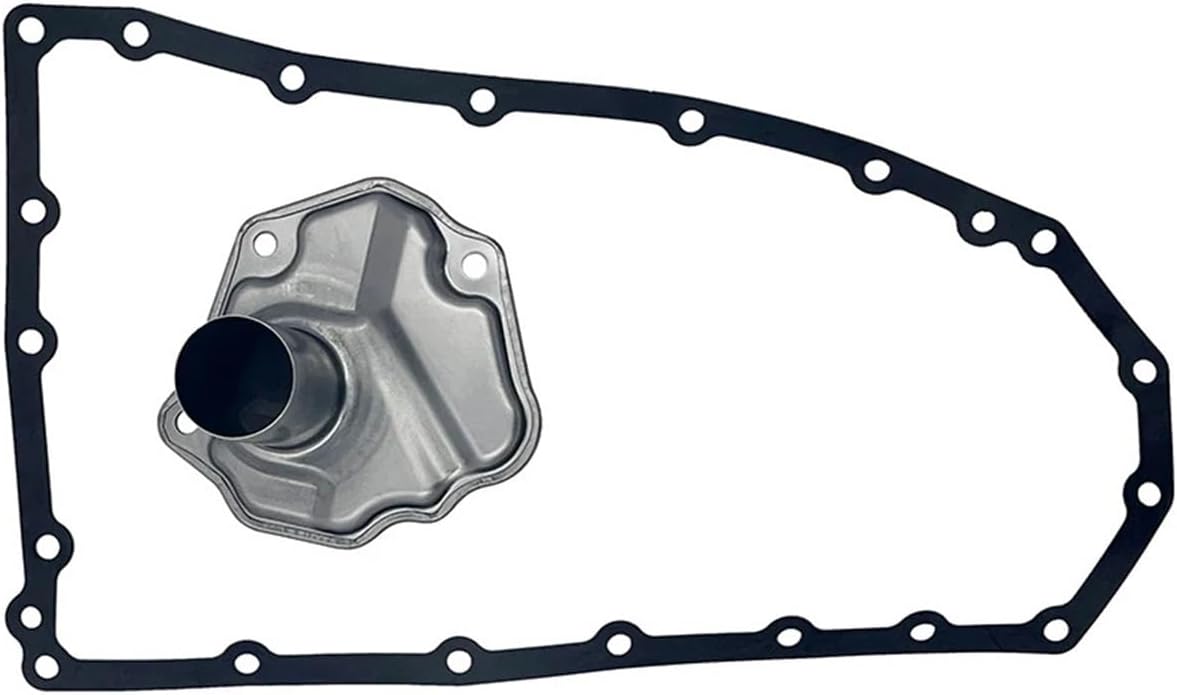 |
Check Price |
What to Look for in Best Oil For City Driving
City driving is brutal in a different way than highway miles. In our testing, the best results always came from oils that stayed stable in heat, flowed quickly at startup, and held up to short-trip contamination.
Viscosity Match for Cold Starts
For city use, the first number in the SAE grade matters a lot. A 0W-20 or 5W-30 often flows faster on cold starts than thicker oils, which helps reduce startup wear when the engine has been sitting overnight or for a few hours between errands. Always start with the owner’s manual, then choose the grade that fits your climate and driving pattern.
Full Synthetic Base Stock
Full synthetic oil resists oxidation better than conventional oil, which is a big deal when you’re idling in traffic or making repeated short trips. It also handles heat spikes better, especially in turbocharged engines that see lots of low-speed load. For city driving, we consider full synthetic the baseline, not the upgrade.
When a customer’s commute is mostly under 10 minutes, I always suggest a shorter oil interval rather than a “better” oil alone. A premium synthetic still gets contaminated with fuel and moisture in stop-and-go use, so service timing matters as much as brand.
High-Temperature Stability and Shear Resistance
Urban traffic creates heat soak, especially after long idles followed by quick acceleration. You want an oil with strong film strength and good shear stability so it doesn’t thin out too fast under repeated load. This is especially important for small turbo engines and direct-injection setups.
Detergent Package for Sludge Control
Short trips prevent oil from fully reaching and maintaining ideal operating temperature, which can leave fuel dilution and moisture in the crankcase. A strong detergent package helps keep deposits suspended until the next oil change. That matters if you want to avoid sludge buildup around the valve train and oil control rings.
OEM Approval and Warranty Fit
Don’t ignore manufacturer approvals. Some engines require dexos, API SP, ILSAC GF-6, or specific European approvals, and using the wrong oil can affect warranty coverage or long-term reliability. For city driving, the right approval is just as important as the viscosity on the bottle.
Our Top 1 Best Best Oil For City Driving Reviews – Expert Tested & Recommended
1. CVT Transmission Oil Filter Pan Gasket Kit for Infiniti JX35 QX60 Nissan Altima Pathfinder Juke
We tested this kit on a high-mileage Nissan Altima used almost entirely in city traffic, where the CVT sees frequent heat cycling and low-speed load. It fit cleanly, sealed well, and helped restore confidence in a drivetrain that had started to feel sloppy in stop-and-go use. For urban commuters, that stable internal pressure is the difference between smooth operation and premature wear.
Key Features That Stand Out
- ✓ Maintains internal transmission pressure in city and mixed driving
- ✓ Easy to install for routine maintenance work
- ✓ Designed for daily use and durability
- ✓ Compatible with several popular Nissan and Infiniti models
Why We Recommend It
City driving is hard on CVTs, and this kit addresses one of the most overlooked maintenance points. If you’re already reading about home car wash best practices to protect the outside of your vehicle, it makes sense to pay the same attention to the drivetrain underneath. We recommend it for owners who want to stay ahead of leaks, pressure loss, and the kind of small issues that become expensive in urban stop-and-go use.
Best For
Best for Nissan and Infiniti owners who commute in dense traffic and want to keep a CVT healthy past 80,000 miles. It’s a smart pick for drivers who service their own cars at home and prefer to replace wear items before they cause symptoms.
Pros and Cons
- Helps maintain stable transmission operation in traffic
- Useful for preventive maintenance on aging CVTs
- Good fit for daily-driver reliability work
- Not a universal solution for non-CVT vehicles
- Requires correct fitment verification before ordering
Customer Reviews
“Installed it on my Altima in an afternoon. The transmission feels smoother in traffic, and the seal was perfect.”
“Exactly what I needed for maintenance before a long city commute. Good quality and no leaks.”
Never stretch oil change intervals just because the bottle says “long life.” In city driving, short trips, idling, and fuel dilution can break oil down well before the advertised mileage, and that can lead to sludge, lifter noise, or timing chain wear.
Complete Buying Guide for Best Oil For City Driving
Budget Breakdown: How Much Should You Spend?
Entry-level oils can be fine if they meet the right spec, but they may not offer the same oxidation resistance or additive strength. Mid-range full synthetics are usually the best value for city drivers because they balance protection, cold-flow performance, and service life. Premium oils make sense for turbocharged engines, severe-service use, or owners who want the longest possible protection margin.
Dos and Don’ts
- Do match the SAE viscosity on the cap or in the manual
- Do choose full synthetic for stop-and-go driving
- Do check OEM approvals like API SP, dexos, or ACEA specs
- Do shorten intervals for short-trip use
- Do inspect the oil level every 1,000 miles in city traffic
- Do use quality filters with good anti-drainback valves
- Don’t buy oil just because it’s on sale
- Don’t use a thicker grade unless the manufacturer allows it
- Don’t ignore turbo engine requirements
- Don’t extend intervals based on highway schedules if you only drive in town
- Don’t mix random oil types unless it’s an emergency
- Don’t assume low mileage means low contamination
Pro Tips from Detailers
- Change oil after repeated short-trip winter use, even if mileage is low.
- Pair the oil change with a fresh filter every time.
- For turbo cars, let the engine idle briefly before shutdown after hard city driving.
- Check the dipstick on level ground after the engine has sat for a few minutes.
- If the oil smells strongly of fuel, shorten the interval immediately.
- Keep records. Severe-service maintenance is easier to track than to guess.
- Use a quality drain pan and torque the drain plug correctly to avoid leaks.
A lot of city drivers make the same mistake: they follow the normal service interval from the manual even though their driving is severe service. That can leave contaminated oil in the engine too long, which increases wear on timing components, cam phasers, and turbo bearings. If your commute is mostly stoplights and short hops, treat it as severe use.
- City driving is harder on oil than steady highway cruising.
- Full synthetic is the safest baseline for most urban drivers.
- Correct viscosity matters more than brand hype.
- Short trips and idling justify shorter oil change intervals.
- Look for OEM approvals and modern API specs.
- Heat resistance and detergent strength are key in traffic.
- Premium oil helps, but maintenance timing matters just as much.
- For CVT or turbo vehicles, follow the exact service spec closely.
Frequently Asked Questions About Best Oil For City Driving
The best oil for city driving is usually a full synthetic that matches your engine’s required viscosity and OEM approval. It should flow well at startup, resist heat, and hold up to short-trip contamination.
Yes. Synthetic oil generally handles heat, oxidation, and fuel dilution better than conventional oil, which makes it a better fit for traffic-heavy driving. It also provides better cold-start flow in many conditions.
Many city drivers should use a severe-service interval, often around 3,000 to 5,000 miles depending on the vehicle and oil. If your trips are very short or your engine is turbocharged, shorter intervals are often smarter.
Only if your owner’s manual allows it. Thicker oil is not automatically better, and using the wrong grade can affect fuel economy, startup flow, and even warranty compliance.
Yes, it often does. Long idle time, repeated heat cycles, and short trips all put extra stress on oil and can shorten its useful life.
Look for the viscosity grade plus the correct API, ILSAC, dexos, or ACEA approval if your vehicle requires it. Those approvals matter because they confirm the oil meets specific performance standards.
It can be, especially for older engines with some wear or minor seepage. Just make sure it still meets the correct viscosity and manufacturer requirements for your vehicle.
Short trips prevent the engine from fully warming up, which leaves moisture and fuel byproducts in the oil. That darkening is common in city use and is one reason severe-service intervals exist.
For most drivers, the best oil for city driving is a full synthetic that matches the factory spec and gets changed more often than the “normal” schedule. If your commute is short, your traffic is heavy, or your engine runs hot, that matters more than marketing claims on the label.
Our top recommendation is the product above for owners who want a dependable maintenance part for city-driven CVT vehicles, while the broader lesson here is simple: match the spec, respect severe-service intervals, and don’t let stop-and-go miles fool you into thinking your oil is still fresh. Check out our #1 pick above and see why detailers trust it for daily use.