Signs Of A Bad Car Battery: Troubleshooting Guide 2026

Quick Summary: Bad car battery signs include slow cranking, dim lights, clicking when you turn the key, dashboard battery light, swollen or leaking case, and repeated jump-starts. Check voltage (12.6V is healthy), inspect terminals, and test while cranking. If it’s under 12.2V after resting or drops below 9.6V while starting, replace it.
You hop in, turn the key, and hear a slow groan… or just a click. Don’t panic. Most starting problems come down to the battery. In this guide, I’ll show you the clear signs of a bad car battery, how to test it in minutes, and simple fixes you can do at home. You’ll learn quick checks, safe jump-start steps, and when it’s time to replace the battery—without guesswork.
What Are the Signs of a Bad Car Battery?
These symptoms show up before a battery fully dies. Catching them early saves time, money, and a tow. If you notice more than one at the same time, assume the battery is weak and test it right away.
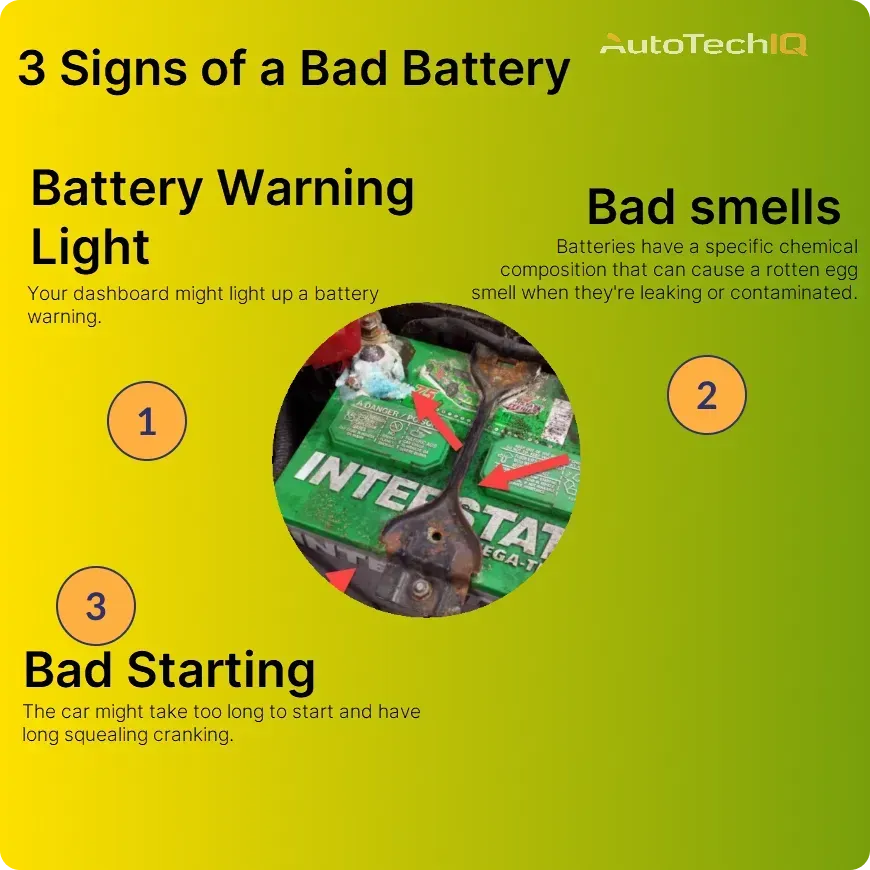
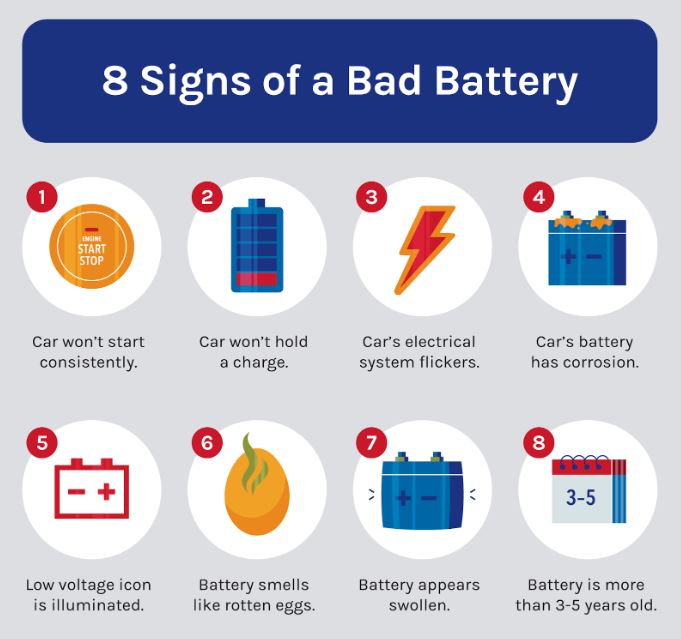
- Slow cranking or a dragging sound when starting
- One click or rapid clicking from the starter
- Dim headlights or flickering interior lights
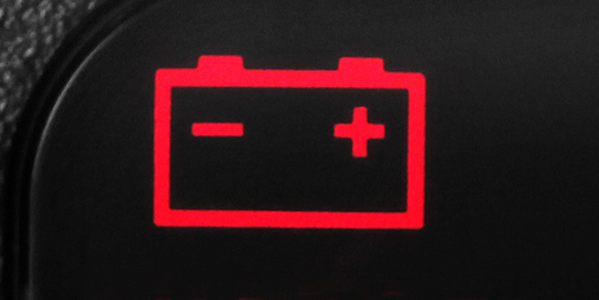
- Battery or charging system warning light
- Electrical glitches (radio resets, power windows lag)
- Swollen, cracked, or leaking battery case
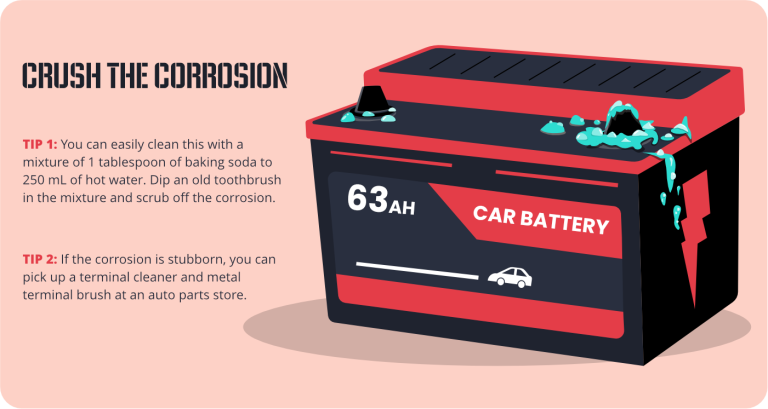
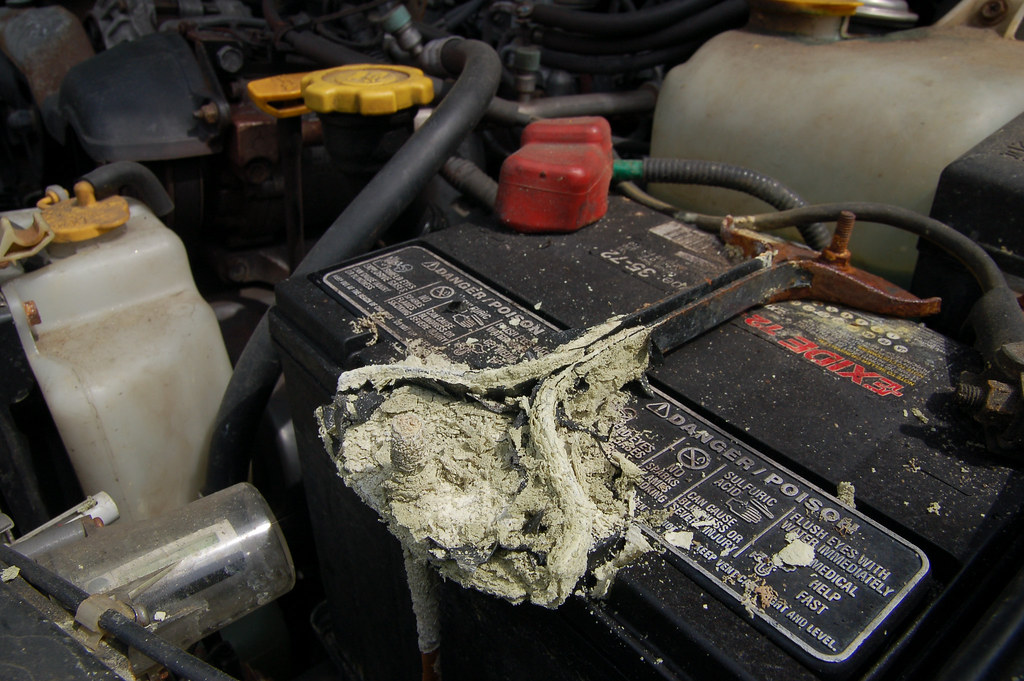
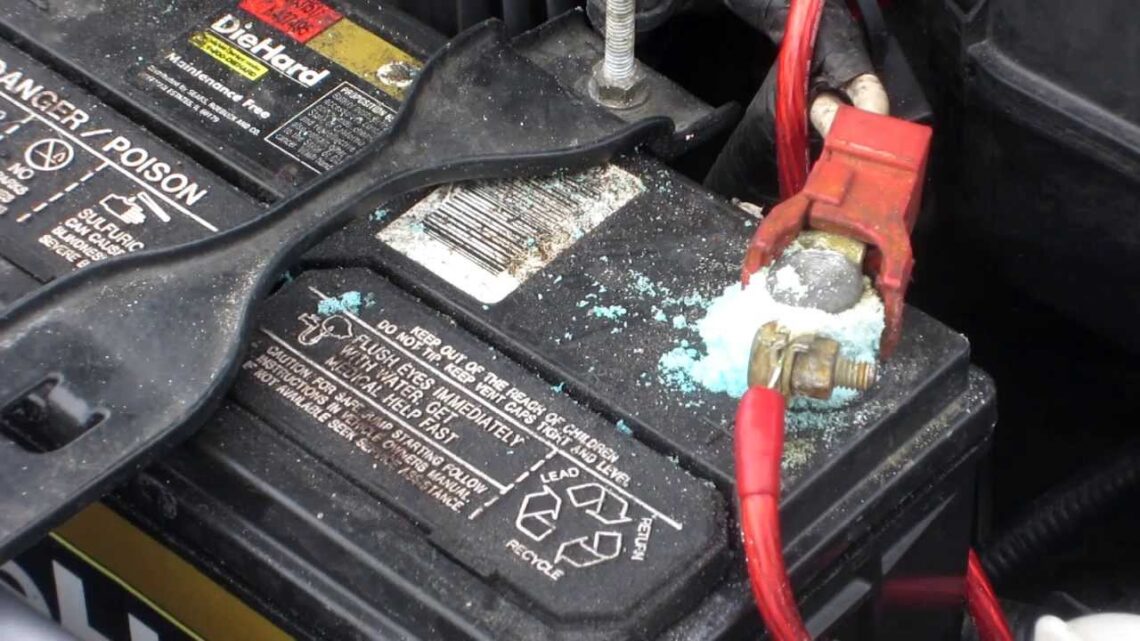
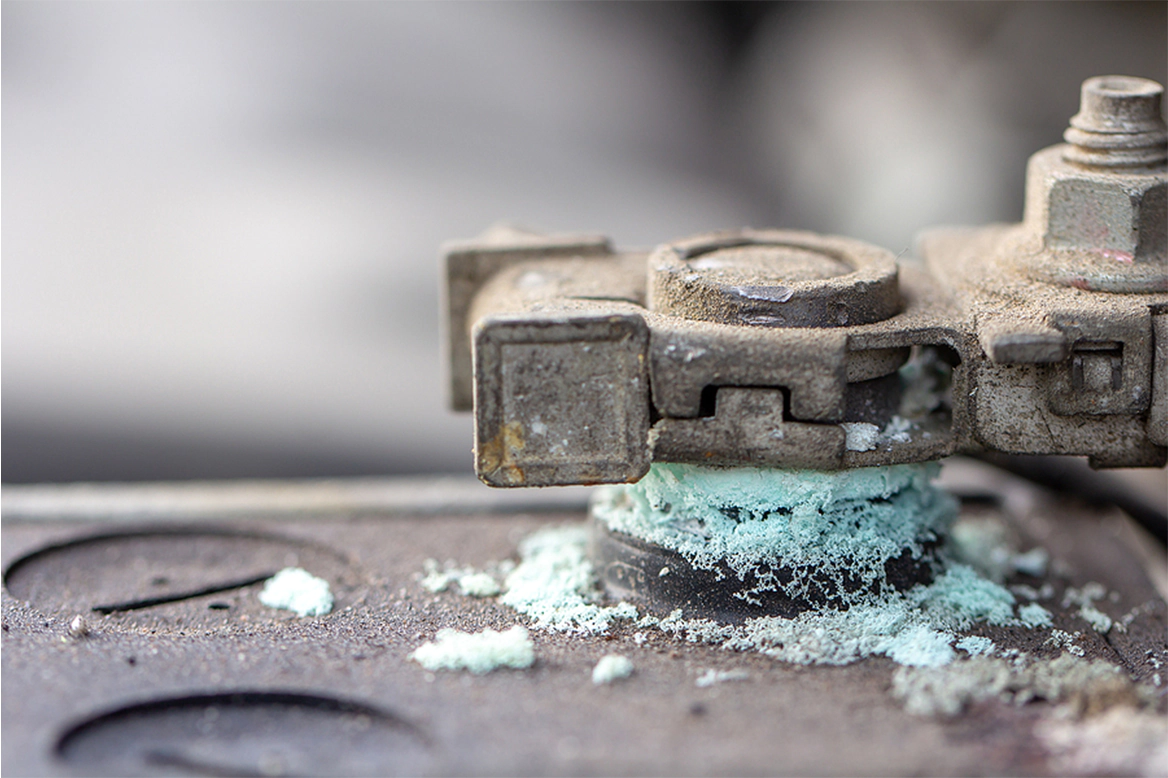
- Corroded terminals (white/green buildup)
- Needing frequent jump-starts
- Rotten egg smell (sulfur/overcharging)
- Battery older than 3–5 years
Note: Some signs overlap with alternator or starter issues. Use the quick diagnostic below to tell them apart fast.
Quick Diagnostic: Is It the Battery, Alternator, or Starter?
Before you buy a battery, rule out the alternator and starter. Use the patterns below to point you in the right direction in minutes.
| Symptom | Most Likely | Why | What to Do First |
|---|---|---|---|
| Slow crank, starts after jump | Battery | Low state of charge or aging cells | Test battery voltage; inspect terminals |
| Car stalls while driving, lights dim with RPM drop | Alternator | Charging system not keeping up | Check voltage with engine running |
| Single loud click, no crank, lights stay bright | Starter/solenoid | Bendix engages but motor won’t spin | Tap starter lightly; check starter wiring |
| Rapid clicking, very dim lights | Battery | Insufficient voltage under load | Jump-start; test cranking voltage |
| Battery warning light steady while driving | Alternator/belt | Low output or slipping belt | Inspect belt; measure 13.8–14.7V at idle |
| Nothing happens, no lights | Battery/main connection | Dead battery or loose corroded cables | Clean terminals; tighten; jump-start |
According to AAA, most no-starts trace back to the battery or its connections, not deeper engine problems. Following a simple test plan saves time and prevents unnecessary parts swaps.
Battery Voltage Chart (Good vs Bad)
A healthy 12-volt car battery reads about 12.6V at rest (engine off). Anything under 12.4V is partially discharged. Under 12.2V means weak. Temperature and recent charging matter, so let the car sit 30–60 minutes before testing.
| State/Condition | Open-Circuit Voltage (Engine Off) | Cranking Voltage (While Starting) | What It Means | Notes: Signs of a Bad Car Battery |
|---|---|---|---|---|
| Fully charged | 12.6–12.8V | 10.0–11.0V | Battery is healthy | Starts strong; lights steady |
| 75% charged | 12.4–12.5V | 9.8–10.8V | Usable but weak in cold | May crank slow on cold mornings |
| 50% charged | 12.2–12.3V | 9.6–10.3V | Recharge soon | Likely slow crank; test for parasitic drain |
| 25% charged | 12.0–12.1V | 9.4–10.0V | Very weak | Frequent jump-starts; consider replacement |
| Discharged | 11.8–11.9V | < 9.6V | Will not reliably start | Classic bad battery behavior |
| Overcharged | > 12.9V after rest | Varies | Possible alternator issue | May smell like sulfur; check charging system |
How to Measure Battery Voltage (Step-by-Step)
You can test your battery in five minutes with a basic multimeter. This check gives a fast “good/weak/bad” result at home, no shop needed.

- Turn the car off. Let it sit 30–60 minutes for a stable reading.
- Set your multimeter to DC volts (20V range if manual).
- Touch red probe to battery positive (+), black to negative (−).
- Read the number:
- 12.6–12.8V: healthy
- 12.2–12.5V: weak; recharge and retest
- Under 12.2V: likely problem; test while cranking
- Optional: Turn headlights on for 2 minutes, turn them off, then test again. This helps remove surface charge.
Common Symptoms, Likely Causes, and Fast Fixes
Use this chart to match what you see with what to do. It’s the quickest way to go from symptom to solution without guessing.
:max_bytes(150000):strip_icc()/why-does-car-battery-die-4140227-ad907eef646446d6a1306940af16410a.jpg)
| Symptom (Signs of a Bad Car Battery) | Most Likely Cause | Fast Fix You Can Do |
|---|---|---|
| Slow engine cranking | Low battery charge or aging battery | Charge 12–24 hours; clean terminals; test cranking voltage |
| Rapid clicking on start | Very low voltage; poor connection | Jump-start; tighten clamps; inspect for corrosion |
| Dim/flickering lights | Weak battery; alternator struggling | Measure voltage at idle: 13.8–14.7V is normal |
| Battery warning light on | Charging system fault | Check belt; test alternator output; scan for codes |
| Swollen or leaking case | Overheating; overcharging; freezing | Replace battery now; test alternator voltage |
| Rotten egg smell | Overcharging; internal short | Stop driving; test alternator; replace battery if needed |
| Corroded terminals | Acid vapor and moisture | Clean with baking soda/water; apply dielectric grease |
| Needs jumps often | Parasitic drain; short trips; old battery | Charge fully; check for draws; consider AGM in short-trip use |
More detail on the big ones:
- Slow crank: Common in cold weather. Battery may still start the car now but is on its way out.
- Clicking: Often a dead battery. One click can also mean starter; test lights and voltage to confirm.
- Dim lights: If lights get brighter when revving the engine, suspect the alternator. If not, suspect the battery.
- Corrosion: Even a good battery can act “dead” if the connection is poor. Clean first, then retest.
Step-by-Step: How to Test Your Car Battery at Home
Follow these simple steps. You’ll know if your battery is good, weak, or done—and whether the alternator is part of the problem.
Safety First: Handling Batteries
Car batteries contain acid and can vent gas. Be careful and protect yourself. A few safe habits make a big difference.

- Wear eye protection and gloves.
- Work in a ventilated area away from flames or sparks.
- Never short the terminals with tools or jewelry.
- Connect and disconnect cables in the right order when jump-starting.
- If acid contacts skin or eyes, flush with water and seek help.
Tools You’ll Need
Basic tools are fine. You do not need a pro shop to do these checks. Keep these in your trunk for emergencies too.
- Digital multimeter (with DC volts setting)
- Jumper cables or a jump starter
- Wire brush or terminal cleaner
- Baking soda, water, small brush (for corrosion)
- Dielectric grease or anti-corrosion spray
- Work gloves and eye protection
Open-Circuit Voltage Test
Start here. It shows your battery’s state of charge. A low number points to discharge, age, or a drain in the system.
- Turn off the car. Let it sit 30–60 minutes.
- Measure voltage across the battery posts.
- Compare to the chart above:
- 12.6V+: good
- 12.2–12.5V: weak
- Under 12.2V: problem to solve
- If under 12.4V, charge the battery fully (12–24 hours) and retest. If it won’t hold 12.4V+, it’s likely failing.
Cranking Voltage Test
This shows how the battery behaves under load. It’s the best quick test for a bad car battery at home.
- Set your multimeter to DC volts. Connect probes to the battery.
- Have a helper start the car while you watch the meter.
- Note the lowest voltage during the first second of cranking:
- 10.0–11.0V: normal
- 9.6–10.0V: borderline
- Under 9.6V: battery likely bad
- If it drops under 9.6V yet the alternator tests fine, replace the battery.
Simple Load Test (Headlight Method)
No load tester? Use your headlights as a makeshift load. It’s not perfect, but it quickly flags weak batteries.
- Engine off. Turn on high beams for 2 minutes.
- Turn lights off. Wait 1 minute.
- Measure battery voltage:
- 12.5V+: strong
- 12.2–12.4V: borderline; charge and retest
- Under 12.2V: weak or failing
- Start the car. If lights dim hard and the start is slow, suspect the battery.
Alternator Charging Test
A “bad battery” may be fine but not getting charged. Check the alternator in two minutes with this test.
- Start the engine. Leave accessories off.
- Measure voltage at the battery:
- 13.8–14.7V: normal
- Under 13.5V: weak output or belt slip
- Over 15.0V: overcharging (dangerous to battery)
- Turn on headlights, blower, and rear defroster. Voltage should stay near 13.8–14.7V. If it drops far below, inspect alternator and belt.
As explained by AAA, sustained overcharging can boil a battery and shorten its life fast. If you see high voltage, address the alternator before installing a new battery.
Parasitic Draw Test (Beginner-Friendly)
If your battery dies overnight but charges fine, you may have a drain. This test helps find it without deep tools.
- Make sure everything is off. Key out. Close doors (latch door switch if needed).
- Charge the battery fully.
- Disconnect the negative battery cable.
- Set multimeter to DC amps (10A). Connect in series: meter red lead to cable, black lead to battery negative post.
- Wait 10–30 minutes for modules to sleep.
- Read current draw:
- Under 50 mA: normal
- 50–200 mA: marginal
- Over 200 mA: excessive drain
- Pull fuses one by one. When the draw drops, you’ve found the circuit causing the drain (e.g., glove box light, aftermarket stereo, module).
Tip: If you’re not comfortable with amp measurements, start by removing the negative cable overnight. If the car starts fine the next day when you reconnect, a drain is likely the issue.
Real-World Scenarios and Fixes
Here are common situations I see and how to handle each. Use these to match your problem and jump straight to the fix that works.
Cold Morning, Slow Crank
Winter is tough on batteries. Cold thickens oil and reduces battery output. A weak battery that worked in fall may fail on the first freeze.
- What’s happening: Lower chemical reaction rate in the battery; more effort to spin the engine.
- What to do: Check voltage (12.4V+ is ideal). Clean terminals. Try a full charge. If cranking voltage drops under 9.6V, replace the battery.
- Prevent it: Choose a battery with higher CCA if you live up north. Keep the battery fully charged if the car sits.
After Work, Totally Dead
It started fine in the morning. But now it’s dead. This points to a parasitic drain or a charging issue.
- What’s happening: The alternator didn’t recharge the battery, or something stayed on (light, module).
- What to do: Jump-start. Measure running voltage (13.8–14.7V). If low, fix alternator/belt. If normal, check for a drain as above.
- Prevent it: Unplug chargers. Fix sticky switches (trunk, glove box). Address weak alternators early.
New Battery Keeps Dying
A brand-new battery should not die. Something is discharging it or overcharging it. Do not replace it again until you test the system.
- What’s happening: Parasitic draw, short trips, or high alternator voltage.
- What to do: Confirm alternator output. Perform a parasitic draw test. Consider a battery maintainer if you drive mostly short trips.
- Prevent it: Fix the root cause. New batteries can be killed fast if the system is bad.
Car Sits for Weeks
All cars have small standby draws for memory. Over weeks, that can drain a battery past recovery, especially if it’s old.
- What’s happening: Natural self-discharge plus small draws add up.
- What to do: Use a smart maintainer on the battery. Or disconnect the negative cable if safe and practical.
- Prevent it: Keep the battery topped up. Drive longer at least once a week, or use a maintainer.
When to Replace vs Recharge
Some batteries only need a good recharge. Others have reached the end. Use these rules to decide fast and avoid wasting money.
- Recharge it if:
- Open-circuit voltage is 12.2–12.5V and the battery is under 3 years old
- You left lights on by accident (battery otherwise healthy)
- Alternator tests good and no drain is found
- Replace it if:
- Cranking voltage drops under 9.6V
- Case is swollen, cracked, or leaking
- It won’t hold 12.4V+ after a full, slow charge
- It’s older than 5 years and shows symptoms
- There’s a strong sulfur smell (possible internal failure or overcharge damage)
Tip: Many parts stores provide free testing. But confirm results yourself with a quick voltage check so you feel confident in the decision.
Choosing the Right Replacement Battery
Not all batteries are equal. The right match makes your car start strong and last longer. Here’s how to pick with confidence.
- Group size: Choose the size that fits your tray and terminals (check your owner’s manual or battery finder).
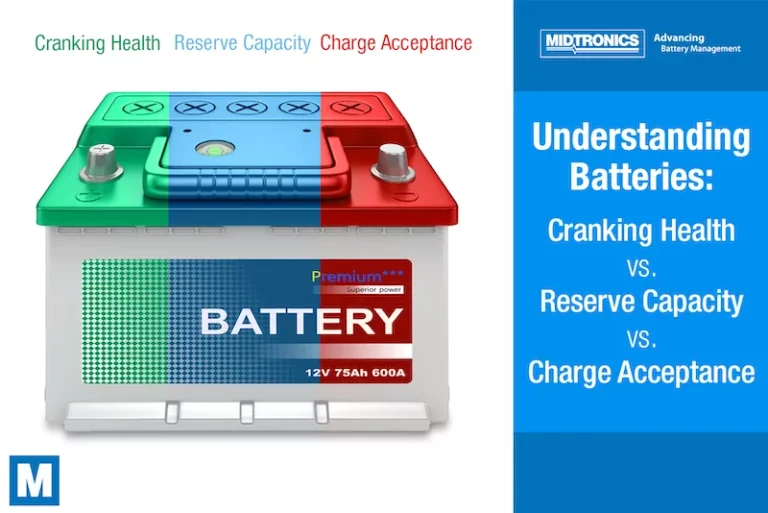
- Cold Cranking Amps (CCA): Match or exceed the factory spec. Higher CCA helps in cold climates.
- Reserve Capacity (RC): More minutes means better support for accessories if the alternator fails.
- Type:
- Flooded lead-acid: Budget-friendly, common
- AGM: Better for modern cars with start-stop, more vibration resistance, handles drains better
- Warranty: Look for a solid free replacement period, not just a pro-rated promise.
- Date code: Buy the freshest battery you can (within 3 months of manufacture).
- Terminals: Top-post vs side-post; make sure orientation matches your car.
Based on this battery guide from Consumer Reports, AGM batteries often last longer in vehicles with high electrical loads or frequent short trips, even though they cost more upfront.
How to Jump-Start Safely
Jump-starting can save the day. Do it right to avoid sparks or damage. Follow this order step-by-step, and you’ll be fine.
- Park the cars close, but not touching. Turn both ignitions off.
- Connect red clamp to dead battery positive (+).
- Connect other red clamp to good battery positive (+).
- Connect black clamp to good battery negative (−).
- Connect final black clamp to an unpainted metal ground on the dead car (not the battery).
- Start the good car. Let it run 2–3 minutes.
- Start the dead car. If it won’t start, wait another minute and try again.
- Remove clamps in reverse order. Keep the jumped car running for 20–30 minutes to recharge.
As explained by AAA, always connect the last black clamp to a ground away from the battery to reduce the risk of sparks near battery gases.
How to Extend Battery Life
Small habits add years to a battery. These tips reduce strain and keep voltage healthy day to day.
- Take a longer drive weekly (20–30 minutes at highway speed).
- Limit short trips that never recharge fully.
- Turn off lights and accessories before shutting down.
- Keep terminals clean and tight; use dielectric grease.
- Use a smart maintainer if the car sits or you drive short trips.
- Watch charging voltage; fix alternator issues early.
- Avoid deep discharges; they shorten battery life fast.
Cost Breakdown and Budget Tips
Good planning saves money. Here’s what to expect and how to cut costs without cutting corners.
- Battery price: $120–$250 for most vehicles; AGM $200–$350
- Installation: Often free at parts stores for easy-access batteries; $50–$150 at shops for tough locations
- Core charge: $10–$25, refunded when you return the old battery
- Testing: Free at many auto parts stores
- Jump pack: $60–$150, pays for itself after one tow avoided
Budget tips:
- Check warranty and date codes—fresh stock lasts longer.
- Fix the alternator or drains before buying a new battery.
- Off-season buys can be cheaper (spring/fall), but don’t wait if yours is failing.
- Recycle your old battery to get the core refund and protect the environment.
For safety recalls that can affect charging or electrical systems, you can search your car’s VIN on the National Highway Traffic Safety Administration site to ensure there are no open issues.
Troubleshooting Flow: From Symptom to Fix
Follow this quick flow when your car won’t start. It narrows down the cause fast and guides your next step with confidence.
- Turn key. Note symptoms: slow crank, click, or nothing?
- Check lights. Are they bright or dim?
- Measure battery voltage at rest:
- 12.6V+: likely not battery; check starter/ignition
- 12.2–12.5V: charge and retest; test cranking voltage
- Under 12.2V: charge or jump; then test alternator
- With engine running, check alternator output (13.8–14.7V is normal).
- If battery keeps dying, test for parasitic draw.
- If cranking voltage drops under 9.6V, replace the battery.
Beginner Mistakes to Avoid
A few common slip-ups lead to wrong diagnoses. Avoid these and your fix will be faster and cheaper.
- Replacing the battery without testing the alternator
- Ignoring corroded or loose terminals
- Judging by headlight brightness alone
- Doing only a surface charge (15 minutes) and calling it “good”
- Not letting the car sit before measuring open-circuit voltage
- Assuming a new battery means no problems—systems can still drain or overcharge
Advanced Tip: Temperature Adjustments
Battery voltage and cranking power change with temperature. Cold lowers voltage and CCA. Hot speeds up chemical wear. Keep this in mind as you test.
- Cold climate: Expect slightly lower open-circuit voltage; test after warming the battery if possible.
- Hot climate: Expect shorter battery life; check for signs of swelling and overcharging.
- Garage storage: Helps keep the battery in a happy middle range.
Comparison: Battery vs Alternator vs Starter Symptoms
Still unsure which part is to blame? This quick table highlights the telltale differences to speed up your decision.
| Feature | Battery Issue | Alternator Issue | Starter Issue |
|---|---|---|---|
| Cranking speed | Slow or none | Normal at first; then weak as battery drains | Normal lights; single click; no crank |
| Lights with engine off | Dim or dead | May be normal until battery depletes | Usually normal |
| Warning lights | Sometimes battery icon on start | Battery/charging light on while driving | None specific |
| Behavior after jump-start | Starts and runs | Starts, then dies soon after if alternator is weak | May still only click |
| Voltage at idle | Low at rest; normal when charging | Low (<13.5V) or high (>15V) | Normal |
Maintenance Schedule for a Healthy Battery
Simple seasonal checks keep small issues from turning into roadside problems. Mark these on your calendar for peace of mind.
- Monthly: Quick visual check of terminals and case
- Quarterly: Measure open-circuit voltage
- Spring/Fall: Load test or parts store test; clean and protect terminals
- Before winter: Confirm strong CCA with a full charge
- Any time: Investigate slow cranks right away
Eco and Safety Notes
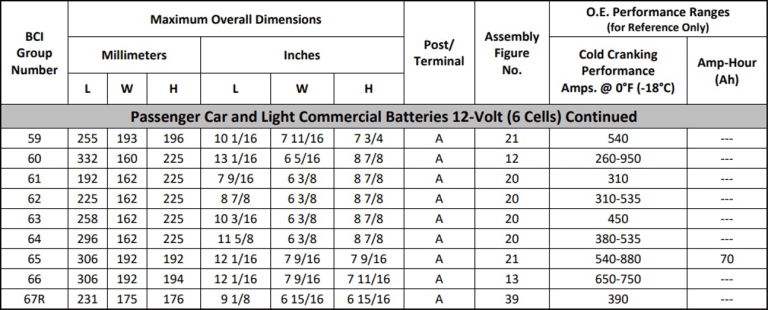
Batteries are recyclable and contain materials that should never go to a landfill. Handle disposal the right way for safety and the planet.
- Return old batteries for proper recycling (get your core refund).
- Store and transport upright to prevent leaks.
- Clean spills with baking soda and water; avoid skin contact.
- If you suspect a charging system fault, fix it first to prevent cooking a new battery.
Frequently Asked Questions (FAQ)
How do I know if my car battery is bad or just drained?
Test the voltage at rest and while cranking. If it’s under 12.2V after a full charge or drops under 9.6V during start, it’s likely bad. If it holds 12.6V and cranks strong after a charge, it was just drained.
How long do car batteries last?
Most last 3–5 years. Heat, short trips, and heavy electrical use shorten life. Good charging and clean terminals help them last longer.
Can I drive with the battery light on?
You can, but you may not get far. The light means the alternator may not be charging. You’ll run on battery power until it dies. Head to a safe place and test the charging system soon.
Will a bad battery trigger warning lights or weird electronics?
Yes. Low voltage can cause dashboard lights, radio resets, and sensor glitches. Fix voltage first, then see if other issues remain.
What voltage should I see when the engine is running?
Around 13.8–14.7V at the battery. Much lower means undercharging. Much higher means overcharging, which can damage the battery.
Do I need an AGM battery?
Use AGM if your car specifies it, has start-stop, or you do many short trips with high electrical loads. For basic vehicles, a quality flooded battery is fine.
Can cold weather kill a good battery?
It won’t “kill” a healthy one, but it can expose weakness. Cold reduces a battery’s cranking power. If yours is borderline, the first cold snap may make it fail.
Conclusion
Slow cranks, clicking, dim lights, and a swollen case are clear signs of a bad car battery. Confirm with two fast tests: open-circuit voltage (aim for 12.6V) and cranking voltage (stay above 9.6V). Then check the alternator. If the battery won’t hold a charge or sags under load, replace it before it leaves you stranded.
With the simple steps in this guide, you can diagnose, fix, and prevent battery problems at home. Test today, clean the terminals, and keep a jump pack in your trunk. You’ll drive with confidence—no surprises when you turn the key.