Most car batteries die from parasitic drains, lights left on, short trips, weak alternators, corrosion, or old age. Fix it fast: check lights, test voltage, inspect terminals, and measure draw. Use a multimeter, follow the steps below, and stop the drain before it leaves you stranded.
Your car won’t start. You hear a click, or nothing at all. It’s stressful, and it always seems to happen when you’re in a rush. The good news: most dead batteries have simple causes and clear fixes. In this guide, we’ll answer “What drains a car battery?” and show you how to find and fix it fast. You’ll learn common causes, easy tests, tools to use, and safe, step-by-step repairs you can do at home.

What Drains a Car Battery? The Short Answer
Most batteries drain because something keeps pulling power when the engine is off, or the battery can’t recharge. Common culprits include dome lights, parasitic draw from control modules, weak alternators, short trips, corrosion, bad grounds, old batteries, and extreme hot or cold weather. The fix starts with a simple check: lights off, clean connections, and a quick voltage test.

- Lights left on: dome, trunk, glove box, vanity mirror
- Parasitic draw: modules or accessories that don’t sleep
- Weak alternator or bad diode: battery never tops off
- Short trips: not enough run time to recharge
- Corrosion or loose terminals: poor charging and starting
- Old battery: can’t hold a charge anymore
- Extreme temperatures: both heat and cold kill capacity
How Your Battery and Charging System Work (Simple)
Your battery starts the engine. The alternator keeps it charged while you drive. When you turn the key, the starter draws a big burst of power. Once the engine runs, the alternator sends power to the car and refills the battery. If charge in minus charge out is negative, the battery drains. That’s the core of every no-start story.
- Battery: stores energy (12-volt lead-acid or AGM in most cars)
- Starter: uses high current to crank the engine
- Alternator: recharges the battery and powers systems as you drive
- Wiring and grounds: carry current; bad connections cause big problems
If anything in this chain is weak, the battery ends up empty. Even a small 0.1–0.2 amp draw can drain it over a weekend.
Fast Checklist When Your Car Won’t Start
Work through this quick list to find the drain fast. You can do most steps with no tools, then confirm with a multimeter.
- Look for lights left on: dome, visor, trunk, glove box.
- Turn the key. Do you hear a click? That often means low voltage or a bad connection.
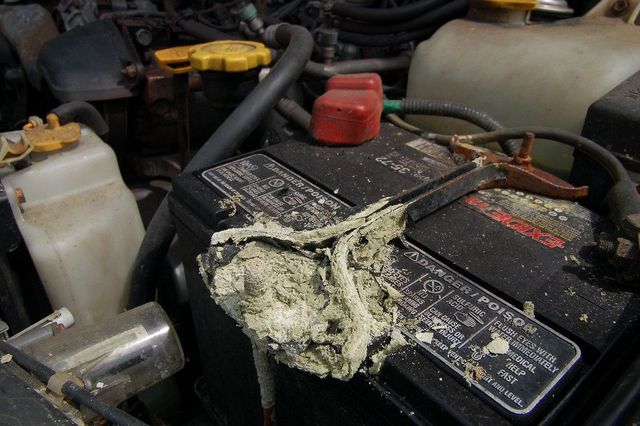
- Check battery terminals. Are they clean and tight? White or blue crust means corrosion.
- Smell for sulfur/rotten egg odor. That suggests overcharging or a failing battery.
- Test voltage at the battery with a multimeter (see chart below).
- Jump-start the car. Then measure alternator output at idle (13.8–14.7V is normal).
- If it dies again soon, you likely have a parasitic draw or a weak battery.
Common Things That Drain a Car Battery While Parked
Some drains are obvious. Others are sneaky. Here are the top causes I see as a hands-on car nerd, plus easy fixes.

1) Interior, Dome, Trunk, or Glove Box Lights Left On
A tiny bulb can drain a battery overnight. Trunk and glove box lights are often missed because they hide when closed. A faulty switch can keep them on.

- How to check: Park in a dark garage. Look for light leaks. Or use your phone to record inside the trunk as you close it.
- Fix: Replace sticky switches. Adjust latches. Swap to LED if desired (still fix the switch).
- Tip: Many newer cars cut interior lights after a set time, but don’t count on it.
2) Parasitic Draw from Control Modules
Modern cars have many modules. They should “go to sleep” minutes after you lock the car. If one stays awake, it sips power all night. That’s a parasitic drain.
- Clues: Battery dies after 1–3 days parked. No lights left on. Alternator tests good.
- Common causes: Stuck relay, bad door switch, infotainment update loop, telematics, faulty BCM.
- Fix: Do a parasitic draw test (guide below). Pull fuses to isolate the circuit.
3) Aftermarket Add-ons: Dash Cams, Alarms, Trackers, Amps
Great gear can cause sneaky drains if wired to constant power. Dash cams with parking mode and amplifiers are known culprits.
- Check: Unplug the device for a week. Does the problem stop?
- Fix: Rewire to ignition-switched power or use a voltage cut-off device. Add a dedicated battery pack for dash cams.
- Pro tip: Use a fuse tap with proper amperage and ground.
4) Weak Alternator or Bad Diode
A failing alternator will not recharge the battery. A bad diode can even leak power backward when the car is off. That drains the battery overnight.
- Test: With the engine running, check voltage at the battery. 13.8–14.7V is normal for most cars.
- Bad diode sign: Whine in the radio, dim lights at idle, battery light on, quick drain after shutdown.
- Fix: Replace alternator. Check belt condition and tension.
5) Short Trips and Infrequent Driving
Lots of short trips starve the battery. The starter takes a big gulp. You park before the alternator can refill it. Over time, the battery stays low and sulfates.
- Rule of thumb: Aim for 20–30 minutes of driving after each cold start.
- Fix: Use a smart charger or maintainer if you take short trips or don’t drive much.
- Winter tip: Cold weather makes this worse (see below).
6) Corroded or Loose Battery Terminals
Corrosion adds resistance. That means poor charging and weak starts. Loose clamps can break contact and cause intermittent drains and stalls.
- Check: Wiggle the clamps. Look for white, blue, or green crust.
- Fix: Disconnect negative first. Clean with baking soda and water. Use a brush. Reconnect positive, then negative. Tighten snug, not brutal.
- Coat terminals with dielectric grease or battery spray.
7) Aging or Failing Battery
Most batteries last 3–5 years. Heat ages them. Cold exposes the weakness. If your battery is old, it may charge to 12.6V but drop fast under load.
- Check the date code on the case. Many use a letter for month and a number for year.
- Load test: Many parts stores test for free. Or use a conductance tester at home.
- Fix: Replace with the correct group size and CCA rating.
8) Extreme Temperatures: Hot or Cold
Heat cooks batteries. Cold cuts cranking power. At 0°F, a healthy battery may deliver only half its rated power. Old batteries fail first in winter.
- Winter: Keep the battery fully charged. Park indoors if you can.
- Summer: Heat speeds up water loss and grid corrosion. Check charging voltage.
- Tip: AGM batteries handle heat and deep cycles better than flooded types.
9) Faulty Relays or Stuck Switches
A relay that sticks keeps power flowing after shutdown. Cooling fans, fuel pumps, and HVAC doors are common. You may hear a motor run after you turn off the car.
- Check with your ear after shutdown. Listen for fans or motors.
- Fix: Replace the stuck relay or switch. Confirm the circuit with a fuse pull test.
- Note: Some fan run-on is normal. It should stop after a few minutes.
10) Bad Grounds and Wiring Issues
A weak ground can mimic a dead battery. It also confuses sensors and keeps modules awake. Modern cars are picky about clean grounds.
- Check main ground strap from battery to chassis and engine.
- Clean contact points. Tighten bolts. Look for frayed cables.
- Tip: Voltage drop test can find hidden resistance.
11) Keyless Entry and Proximity Systems
Some cars ping the key and wake modules. If the key fob sits near the car, parts of the system can stay alert. That increases draw.
- Keep key fobs away from the vehicle at night.
- Some models have “sleep” settings for comfort access.
- Update software if the dealer has an energy management fix.
12) Power-Hungry Infotainment or Bluetooth Issues
Head units can freeze in an update loop. Bluetooth modules can hang. These prevent sleep mode and drain the battery overnight.
- Signs: Hot head unit, fan noise from dash after shutdown, nav rebooting.
- Fix: Hard reset the system. Update firmware. Dealer can check software versions.
- Rule: Always shut the car off fully before opening doors and removing the key.
13) OBD Devices and Insurance Dongles
Small OBD trackers and dongles draw power. Some never sleep. They seem harmless, but they can drain a weak battery in days.
- Test: Remove for a week. See if the issue ends.
- Fix: Use a low-draw device with a sleep mode. Or skip it.
- Tip: Some cars keep the OBD port powered even with ignition off.
14) Interior Power Outlets and USB Ports
Some 12V sockets and USB ports stay live when the car is off. Chargers and adapters can draw a small current forever.
- Unplug adapters and chargers when parked.
- Consider a meter that shows live outlet status.
- Rewire to switched power if you add extra sockets.
15) Rare: Internal Battery Short or Sulfation
Old or abused batteries can develop internal shorts. Sulfation builds when a battery sits low. Both reduce capacity and cause self-discharge.
- Signs: Rapid voltage drop after charging. Won’t hold above 12.4V overnight.
- Fix: Replace the battery. Desulfators help sometimes, but not with shorts.
- Prevention: Keep batteries fully charged, especially in winter.
How to Test for Parasitic Draw (Step-by-Step)
This is the best way to answer “What drains a car battery?” It tells you which circuit is stealing power. Take your time and follow each step.
Tools You’ll Need
Simple tools find most drains. A digital multimeter is key. A clamp meter for DC amps makes it even easier and safer.
- Digital multimeter (DMM) with 10A fuse protection
- Optional DC amp clamp meter
- Wrenches for battery terminals
- Jumper leads or fused bypass lead
- Notepad to track readings
Safety First
Work with the engine off and keys out. Close doors or latch the door switches so modules can sleep. Keep metal tools away from positive terminals.
- Wear eye protection and gloves.
- Don’t crank the engine with the meter in series.
- Use a fused lead to protect your meter.
Parasitic Draw Test Procedure
Let the car sleep for 15–45 minutes before measuring. Many cars take time to power down. Be patient or you’ll misread the draw.
- Turn off everything. Remove key. Close doors. Wait 15–45 minutes.
- Set your multimeter to DC amps (10A range to start).
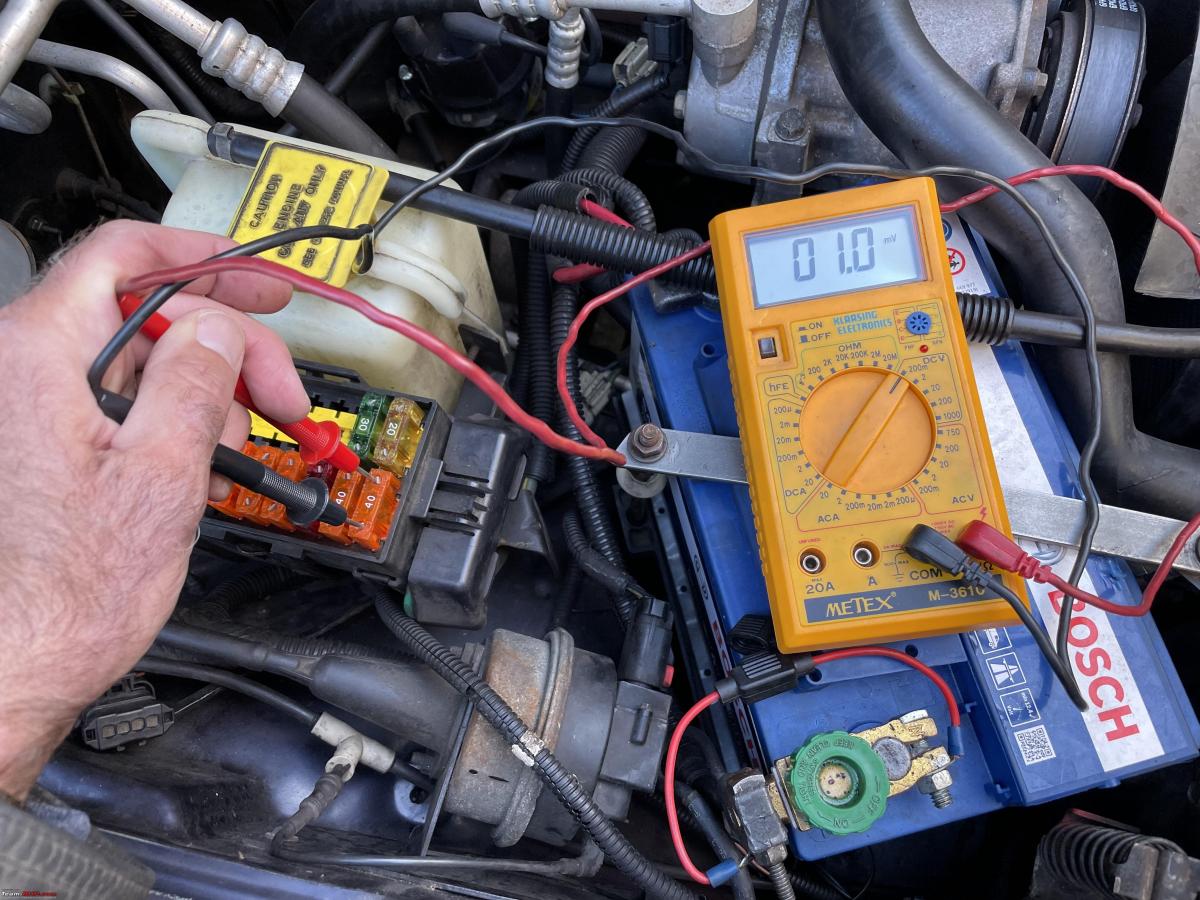
- Disconnect the negative battery cable. Put the meter in series between the cable and the battery post. Do not open a door or wake the car.
- Read the current. Normal sleep draw is often 20–50 mA (0.02–0.05A). Over 100 mA is usually a problem.
- If the draw is high, start pulling fuses one at a time. Watch the reading.
- When the number drops, you found the circuit. Note the fuse number and label.
- Trace that circuit. Check switches, relays, modules, or add-ons on that fuse.
Tip: Some cars wake when you pull a fuse. Use a clamp meter on the negative cable for a quicker survey without breaking the circuit.
How to Check Battery Health with a Multimeter
A simple voltage test tells you a lot. Test at rest. Then test under load. Then check charging voltage with the engine running.
- Let the car sit for 30 minutes with the engine off.
- Place the meter on DC volts. Red on positive. Black on negative.
- Read the voltage and use the chart below.
- Turn headlights on for 2 minutes. Turn off. Test again. A big drop means a weak battery.
- Start the engine. Check charging voltage at idle (13.8–14.7V typical).
| Battery Voltage (Resting) | State of Charge | What It Means | Action |
|---|---|---|---|
| 12.6–12.8V | 100% | Healthy and full | No action needed |
| 12.4–12.5V | 75–85% | Slightly low | Charge soon |
| 12.2–12.3V | 55–65% | Low | Charge and test for drain |
| 12.0–12.1V | 35–45% | Very low | Charge fully; check alternator |
| 11.8–11.9V | 20–25% | Near dead | Charge and load test |
| Below 11.8V | Critical | Deeply discharged | Slow charge; likely replacement |
| Question in context | What drains a car battery? | Any draw that exceeds normal sleep current, weak alternator, or old battery | Follow tests above to isolate |
Note: AGM batteries often sit a touch higher at full charge. Always confirm the spec for your car.
Jump-Starting, Charging, and Recharging the Right Way
Charging right saves your battery. Charging wrong can damage electronics. Here’s how to get it back to life and keep it there.
How to Jump-Start Safely
Use good cables or a quality jump pack. Always follow the right order. Protect sensitive electronics and yourself.
- Park close. Turn both cars off. Set parking brakes.
- Red to dead positive. Red to donor positive.
- Black to donor negative. Black to a clean metal ground on the dead car.
- Start donor. Wait 2–3 minutes. Try starting the dead car.
- Remove cables in reverse order.
- If it won’t start, check connections and wait longer. Don’t crank nonstop.
- If it starts but dies quickly, test the alternator.
Use the Right Charger
Smart chargers adjust to the battery’s needs. Trickle chargers can overdo it if left too long. Maintainers are great for storage.
- Smart charger: Best for depleted batteries. Choose the correct chemistry (flooded vs AGM).
- Maintainer: Keeps a healthy battery full during storage.
- Avoid fast chargers unless needed. Heat kills batteries.
Alternator vs Charger
The alternator is not a dead-battery charger. It’s a maintainer while you drive. A deeply discharged battery needs a charger first.
- If the battery is below 12.2V, charge it before relying on the alternator.
- After a jump, drive at least 30 minutes with minimal loads to help recharge.
- If it won’t hold charge, replace it.
Prevent Battery Drains: Simple Habits and Smart Upgrades
Most drains are preventable. A few small habits and upgrades will save you time, money, and stress.
- Do a quick light sweep before locking the car.
- Unplug chargers and devices from live outlets when parked.
- Drive 20–30 minutes after cold starts when possible.
- Use a maintainer if you don’t drive often or store the car.
- Keep terminals clean and tight. Inspect twice a year.
- Use quality parts and fuses for any add-ons.
- Store key fobs away from the car overnight.
- Update infotainment and module software when offered.
When to Replace Your Battery (And How to Choose Right)
Sometimes the fix is a new battery. Know when to stop chasing ghosts and install a fresh one. Choose the right size and spec for your car.
- Age: Over 4 years? Plan for replacement soon.
- Fails load test: Replace.
- Frequent jump-starts: Replace and check for drains.
- Swollen case or leaks: Replace now.
Pick the right group size, terminal layout, and cold cranking amps (CCA). Many modern cars need AGM batteries. They handle deep cycles and heat better. Some cars need registration or programming after replacement. Check your manual or ask a shop.
Real-World Scenarios and Quick Fixes
These are common drain stories I hear, with fast ways to spot and fix the issue at home without guesswork.
Weekend Parked, Dead Monday Morning
Likely cause: Parasitic draw or a trunk/glove light. Could also be a dash cam with parking mode.
- Test: Parasitic draw measurement. Pull fuses. Start with interior lights, body module, infotainment.
- Fix: Repair switch or rewire accessory to switched power. Update the infotainment unit.
Dies After Short Errands
Likely cause: Short trips and an aging battery. The alternator never gets a chance to refill.
- Test: Resting voltage after each stop. Watch it drop across the day.
- Fix: Smart-charge overnight. Consider a new battery if it won’t hold at 12.6V.
Battery Light On, Dim Headlights
Likely cause: Weak alternator or slipping belt. Battery is draining while you drive.
- Test: Charging voltage at idle with lights and A/C on.
- Fix: Replace alternator and check belt tensioner. Verify grounds.
Random Dead Battery, Intermittent
Likely cause: Stuck relay, intermittent short, or module update loop. Temperature can trigger it.
- Test: Check draw hot and cold. Wiggle-test harnesses near the fuse that drops the draw.
- Fix: Replace the relay or repair wiring. Update software if a TSB exists.
Battery Drain, Safety, and What the Pros Say
Good safety beats fast fixes. Follow best practices, and use trusted advice from credible sources. It prevents expensive mistakes.
- As explained by AAA, a healthy battery and charging system are key to reliable starts. Their guidance on testing and replacement is solid for everyday drivers.
- According to the National Highway Traffic Safety Administration, electrical issues can trigger recalls. It’s smart to check your VIN for open recalls if you have chronic drains.
- Consumer Reports offers a clear battery buying guide that helps you match group size and CCA to your climate and car.
Links: as explained by AAA, according to the National Highway Traffic Safety Administration, and based on this battery guide.
Symptoms vs Causes vs Fixes: Quick Reference
Use this table to match what you see with what to do next. It’s your fast map from symptom to solution.
| Symptom | Likely Cause | DIY Test | Fix |
|---|---|---|---|
| Dead after sitting 1–3 days | Parasitic draw, light left on | Measure sleep current; pull fuses | Repair switch/relay; rewire add-ons to switched power |
| Dim lights, battery light on | Weak alternator, bad diode | Check 13.8–14.7V at idle | Replace alternator; inspect belt/tensioner |
| Starts after jump, dies again | Weak battery or alternator | Resting vs running voltage test | Charge and test; replace battery or alternator |
| Intermittent no-start, heavy corrosion | Loose/dirty terminals | Visual check; wiggle test | Clean and tighten; apply dielectric grease |
| Good voltage, still cranks slow | Poor connection, bad ground, failing starter | Voltage drop test on cables | Repair grounds/cables; test starter |
| Dies in cold weather | Old battery, low state of charge | Load test; CCA check | Replace with correct CCA; keep on maintainer |
| “What drains a car battery?” mystery case | Module won’t sleep, aftermarket device | Parasitic draw test with 0.05A target | Update software; rewire/remove device; fuse-circuit repair |
Tools You Should Own to Beat Battery Drains
These tools pay for themselves fast. They make testing clear and safe. You don’t need a shop to solve most drains.
- Digital multimeter (auto-ranging is easiest)
- DC clamp meter (reads amps without breaking the circuit)
- Battery charger/maintainer (smart type with AGM mode)
- Jumper cables or a lithium jump pack
- Battery terminal brush and dielectric grease
- Fuse puller and spare fuses
Safety Tips When Working on Car Batteries
Car batteries can be dangerous if handled wrong. Acid burns and sparks are no joke. Protect yourself and your car’s electronics.
- Wear eye protection and gloves.
- Always remove negative cable first. Install it last.
- Keep flames and cigarettes away from batteries.
- Never short positive to ground with a tool.
- Use a memory saver only if you know the procedure; some cars are picky.
- Secure the battery hold-down. A loose battery can short or crack.
Seasonal Tips: Winter and Summer Battery Care
Weather changes how your battery behaves. Plan ahead for heat waves and cold snaps. Small steps prevent big headaches.
Winter
Cold hurts cranking power. Oil thickens. Starters work harder. A weak battery shows up first thing on icy mornings.
- Keep the battery full with a maintainer.
- Check CCA rating. Upgrade if you live in very cold areas.
- Use the right oil viscosity so the engine spins easier.
Summer
Heat ages batteries fast. Under-hood temps bake the plates. Overcharging becomes more common.
- Verify charging voltage is in spec.
- Check electrolyte level if you have a serviceable battery.
- Park in shade or garages to reduce heat soak.
Step-by-Step: Clean and Protect Battery Terminals
Bad terminals cause more no-starts than you’d think. Clean metal-to-metal contact is vital for both starting and charging.
- Turn car off. Remove the key. Open hood.
- Remove negative cable first. Then positive.
- Mix baking soda and water. Scrub posts and clamps with a brush.
- Rinse with clean water. Dry fully.
- Reattach positive first, then negative. Tighten snug.
- Apply dielectric grease or battery protectant spray.
Step-by-Step: Voltage Drop Test on Cables
This test finds hidden resistance in cables and grounds. It explains why a car with 12.6V still cranks slow.
- Set meter to DC volts.
- Place red lead at the starter positive post. Black on battery positive. Crank the engine.
- Read drop. Over 0.5V indicates high resistance on the positive side.
- Move black lead to engine block ground. Red to battery negative. Crank.
- Read drop. Over 0.2–0.3V suggests a bad ground.
- Clean or replace cables and grounds as needed.
What About Hybrid and Start-Stop Systems?
Hybrids and start-stop cars have a different setup. But the 12V battery still runs modules and starts systems. Drains still happen.
- Use the correct 12V battery type. Many are AGM or specialty formats.
- Follow the exact jump points called out in the manual.
- Some systems need a scan tool for battery registration.
Troubleshooting Add-Ons Without Guesswork
Add-ons are great when wired right. They are a pain when they’re not. Here’s how to prove an add-on is the drain.
- Unplug the device. Let the car sleep. Measure draw.
- If normal, the device is the cause. Rewire to switched power or use a timer/voltage cutoff.
- If still high, pull the fuse that powers the device. Measure again.
- Check grounds and power adapters for shorts or internal faults.
Battery Management Systems (BMS) and Sleep Behavior
Many newer cars watch battery health. They can limit features to save power. Misreads happen with loose grounds or bad voltage.
- After replacing the battery, some cars need BMS reset or registration.
- Low voltage can cause weird warnings. Charge and clear codes before chasing ghosts.
- Give the car time to sleep before measuring draw.
Diagnose Faster: Order of Operations
Here’s the fastest path to a fix for most people. It keeps you from chasing your tail and buying random parts.
- Check for lights and accessories left on.
- Inspect and clean terminals. Verify tightness.
- Measure resting voltage. Charge if low.
- Check charging voltage at idle.
- If it still drains, do a parasitic draw test.
- Isolate the circuit via fuses. Repair the root cause.
- Replace an old or failing battery last, not first—unless it fails a load test.
Cost: DIY vs Shop
You can fix most drains at home with a meter and patience. Shops charge by the hour to trace circuits. Here’s what to expect.
- Multimeter: $25–$60
- Clamp meter: $50–$150
- Smart charger: $40–$120
- Battery: $120–$300+ (AGM and premium sizes cost more)
- Shop diagnosis: $120–$200 for the first hour; complex drains take longer
DIY can save hundreds. Just move slowly and take notes.
FAQs
Why does my car battery drain overnight?
Most often, a parasitic draw or a light left on. It can also be a bad alternator diode. Measure sleep current and pull fuses to find the circuit.
How long should a car battery last?
Typically 3–5 years. Heat, short trips, and deep discharges shorten life. Maintain charge and keep terminals clean.
Can a bad alternator drain a battery when the car is off?
Yes. A failed diode can leak current backward. That drains the battery overnight. Test with a meter and replace the alternator if needed.
What is a normal parasitic draw?
Many cars sleep at 20–50 mA (0.02–0.05A). Anything over 100 mA is usually a problem. Some luxury cars may be a bit higher, but still under 80–100 mA.
Will driving recharge a dead battery?
Not well. The alternator maintains charge but isn’t a deep charger. Use a smart charger first, then drive.
Can a loose battery terminal cause a drain?
It can mimic a drain. It also causes poor charging and intermittent no-starts. Clean and tighten both terminals.
Do I need a special charger for AGM batteries?
Yes. Use a smart charger with an AGM setting. It uses the right voltage profile and protects the battery.
Conclusion
Dead batteries don’t have to be a mystery. Start with simple checks: lights off, clean terminals, and a quick voltage test. Then confirm charging voltage. If it still drains, perform a parasitic draw test and isolate the culprit with fuses. Replace an old or weak battery with the right size and CCA, and consider a maintainer if you drive short trips. Follow the steps in this guide, and you’ll solve the problem with confidence—before it leaves you stranded again.
