Quick Summary: AH (amp-hour) is a battery’s fuel tank size. It shows how much current a battery can deliver for one hour. A 60 Ah battery can give 60 amps for one hour or 6 amps for 10 hours. More Ah means more stored energy and longer runtime, but it doesn’t mean stronger cold starts—that’s CCA.
If your battery confuses you, you’re not alone. Many drivers see “AH,” “CCA,” and “RC” and feel lost. The good news: you don’t need to be an engineer to understand it. I’ll explain AH in plain English and show you how to pick the right battery, test yours at home, and avoid a dead car. You’ll learn simple steps, tools to use, and smart tips to save money.
What Does AH Rating in a Battery Mean?
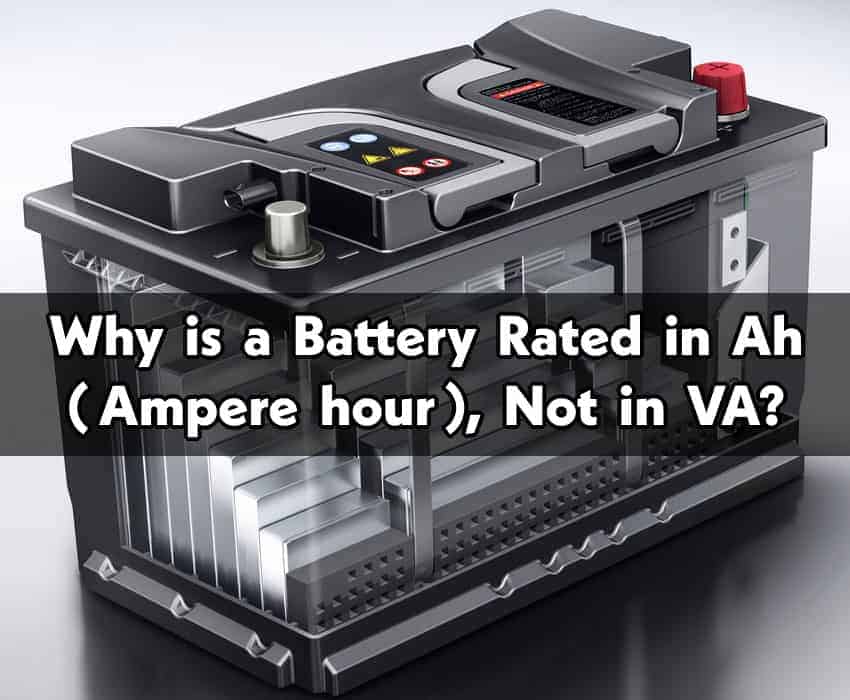
AH means ampere-hour. It tells you how much electrical charge the battery can deliver over time. Think of it as the size of the battery’s gas tank. Bigger AH means more stored energy and a longer run before it needs a recharge.
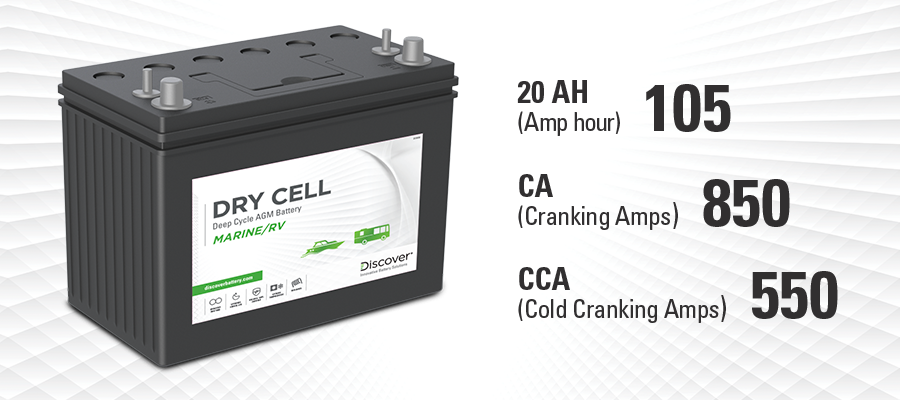
- 1 Ah = 1 amp for 1 hour
- 60 Ah = 60 amps for 1 hour, or 6 amps for 10 hours
- It’s about capacity, not starting burst power
But there’s a catch. AH ratings are often measured over a set time, like 20 hours, called the “C-rate.” A 60 Ah at 20 hours means the battery can supply 3 amps for 20 hours (3 A × 20 h = 60 Ah). If you pull more current, the runtime drops faster than you might expect. This is normal for lead-acid batteries.
In cars, AH tells you how long your battery can power lights, infotainment, alarms, and computers when the engine is off. It also helps when you have extra gear like dash cams, fridges, or sound systems.
AH vs CCA (Cold Cranking Amps)
AH is capacity. CCA is starting power in cold weather. CCA tells you how well the battery can crank your engine when it’s cold. You can have a high Ah battery with low CCA, and it might still struggle in winter.
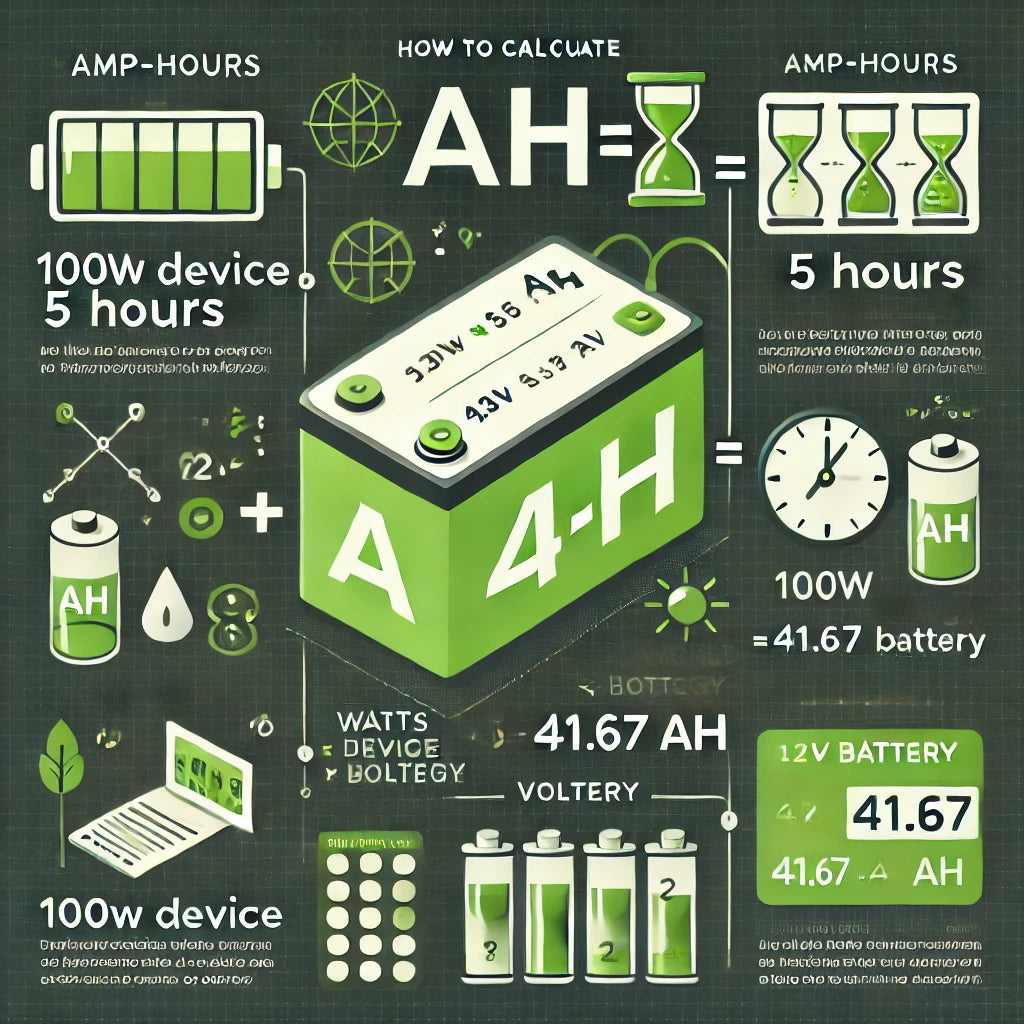
- AH = how long it runs things
- CCA = how strong it starts the engine in the cold
- For cold states, CCA is critical
AH vs RC (Reserve Capacity)
Reserve Capacity (RC) is how many minutes a fully charged battery can hold 25 amps at 80°F before dropping to 10.5 volts. It’s another way to show capacity. Higher RC usually means higher AH, but the two are measured differently.

- RC is in minutes (at 25 A draw)
- AH is in amp-hours (often at a 20-hour rate)
- Many car batteries list CCA and RC, not always AH
How AH Affects Your Car Day to Day
Most U.S. cars use 12-volt lead-acid batteries in the 45–75 Ah range. Trucks and SUVs can be higher. If you run accessories with the engine off, a higher Ah battery gives you more time before the voltage drops too low to start.

- Listen to music with engine off? Higher Ah helps
- Have a dash cam or alarm? Higher Ah helps
- Long parking at airports? Higher Ah helps
But more Ah can be heavier, cost more, and may not fit your tray or hold-down. Always match what your car allows. The alternator must also charge it well. Bigger is not always better if it doesn’t fit or charge right.
Gas vs Diesel vs Start-Stop Vehicles
Gas engines often need moderate CCA and typical Ah. Diesels need higher CCA due to higher compression. Start-stop vehicles put more load on the battery, so they often use AGM or EFB types with higher cycle life and decent Ah.

- Gas: 45–65 Ah is common
- Diesel: 70–95 Ah and high CCA
- Start-stop: AGM/EFB, often 60–80 Ah with high cycle ratings
AGM vs Flooded vs EFB vs LiFePO4
Battery type matters. Flooded lead-acid is standard. AGM resists vibration and handles deeper cycles better. EFB is an upgrade for start-stop use. LiFePO4 (lithium iron phosphate) is light with strong usable capacity, but needs special charging and isn’t drop-in for every car.

- Flooded: budget friendly, common in older cars
- AGM: better for start-stop, audio, and short trips
- EFB: mid-step for start-stop systems
- LiFePO4: light, deep capacity, but not for all alternators
How to Choose the Right AH for Your Vehicle
Start with what the automaker recommends. Then match your use. Pick a battery that fits your tray, has the right terminal layout, and meets or beats the factory spec for CCA and capacity.

- Check the owner’s manual for group size and spec
- Read the old battery label for CCA, RC, or Ah
- Consider climate: cold needs higher CCA
- Consider your gear: higher Ah for parked loads
- Stick with known brands and proper fit
Check Your Manual and Battery Label
Look for group size (like Group 24F, 35, 48/H6). It sets the dimensions and terminals. Many labels show CCA and RC. Some premium models list AH. If not, ask the parts counter or check the brand’s site.
- Match group size for easy fit
- Meet or exceed OEM CCA
- Higher RC often means more Ah
Climate Considerations
Cold slows chemical reactions. Starting needs more power. If you live in a cold state, favor higher CCA. In heat, batteries age faster. If you live in a hot state, quality and heat resistance matter. AH helps when parked loads are high.
- Cold states: pick higher CCA, keep terminals clean
- Hot states: avoid heat soak, park in shade when you can
- All climates: test yearly after year three
Driving Pattern Matters
Short trips don’t recharge the battery fully. Over time, the state of charge drops. That harms capacity and lifespan. If you take many short trips, use a smart charger monthly. Consider AGM for better cycle life.
- Short trips: battery tender helps
- Long highway runs: great for full charge
- Parking for weeks: disconnect dash cams or use hardwire kits with cutoffs
How to Test Battery Capacity (AH) at Home
Measuring true AH needs lab gear. But you can estimate health with simple tools. A multimeter, a load test, and your headlights tell you a lot. You can spot weak capacity before it fails.
Below are simple tests anyone can do in minutes.
Tools You Need
You don’t need much. A digital multimeter is the key. Jumper cables and a smart charger help a lot too.
- Digital multimeter (DC volts)
- Jumper cables or a jump pack
- Smart battery charger (AGM mode if needed)
- Gloves and eye protection
- Wire brush for terminals
Step-by-Step: Open-Circuit Voltage Test
This is the fastest test. It shows your state of charge. Let the car sit for at least 3–4 hours, or overnight, then test.
- Turn everything off. Remove key. Close doors.
- Set multimeter to DC volts, 20V range.
- Touch red probe to + battery post. Black to – post.
- Read the number. Compare to the chart below.
- 12.6–12.8V: full
- 12.4V: ~75%
- 12.2V: ~50%
- 12.0V: ~25%
- Below 11.9V: discharged or failing
If the voltage keeps dropping day to day, you may have a parasitic drain or a weak battery.
Step-by-Step: Cranking Voltage Test
This checks starting strength. It’s great for cold mornings or slow cranks. You will watch the drop when you crank the engine.
- Connect the multimeter probes to the battery posts.
- Ask a helper to crank the engine.
- Watch the voltage when the starter turns.
- Result: It should stay above ~9.6V at 70°F.
- If it drops below 9.6V, the battery may be weak.
- If it drops low and you hear slow cranks, suspect CCA loss.
- If voltage is okay but cranking is slow, check cables and starter.
Step-by-Step: Simple Capacity Estimate (DIY Load)
This is a rough test for how long the battery can power a small load. It won’t be perfect, but it gives clues about capacity health.
- Fully charge the battery with a smart charger. Let it rest 1–2 hours.
- Measure open-circuit voltage (should be 12.6–12.8V).
- Turn on a steady 5–10A load: headlights on high beam, blower on low (ignition in accessory if needed).
- Use an ammeter clamp if you have it to measure current draw.
- Time how long it takes to drop from 12.6V to 12.0V.
Example: If your draw is 6A, and it takes 5 hours to drop to 12.0V, that’s ~30 Ah of usable capacity in that range. A healthy 60 Ah may give more time under this gentle draw. If you drop fast, capacity is likely low.
Note: This is approximate. True AH is defined down to 10.5V at a set C-rate. But we don’t want to push that low in a car. This quick test is safer and still useful.
Using a Smart Charger with AH Input
Some chargers ask for the battery’s Ah rating. They use it to set charge rate and time. If your battery lists only RC, use a rough conversion (RC × 0.6 to 0.7 ≈ Ah for many flooded types).
- Example: 120 minutes RC × 0.6 ≈ 72 Ah
- Use AGM mode for AGM batteries
- Avoid fast charging a cold or hot battery
Chargers also have “recondition” modes. They can help a sulfated battery a bit. But they won’t fix a worn-out one.
12V Battery Voltage Chart (Open-Circuit, Rested)
Use this chart after the car sits for a few hours. It shows state of charge for typical 12V lead-acid at room temp. Temperature, battery type, and age can shift values a bit.
| Voltage (V) | Approx. State of Charge | Status |
|---|---|---|
| 12.7–12.8 | 100% | Fully charged |
| 12.6 | 90–95% | Healthy |
| 12.4 | 70–75% | Charge soon |
| 12.2 | 50–55% | Low; recharge |
| 12.0 | 25–30% | Very low |
| < 11.9 | < 20% | Discharged or failing |
Tip: For more depth on voltage and state of charge, you can review battery education resources like Battery University for general reference.
Common Symptoms, Likely Causes, and Quick Fixes
These are the top issues I see in daily driver cars. Match your symptom to a cause and try the fix before you replace parts.
| Symptom | Likely Cause | Quick Fix |
|---|---|---|
| Slow crank in morning | Weak battery (low CCA), cold weather | Charge overnight; test CCA; consider higher CCA battery |
| Clicking, no start | Very low charge or bad connection | Jump-start; clean terminals; check alternator voltage |
| Battery dies after parking a week | Parasitic drain or low AH for loads | Pull fuses to find draw; use cutoff; pick higher AH if needed |
| Dim lights at idle | Low charge or weak alternator | Test at 2,000 RPM; should be ~13.8–14.7V |
| Swollen case, rotten egg smell | Overcharging or failed cell | Stop using; replace battery; check alternator regulator |
| Frequent resets of radio/clock | Voltage dips; weak battery | Test open-circuit and cranking voltage; replace if failing |
Real-World Scenarios: How AH Helps
Let’s make this practical. Here are common cases where AH matters. Use them to plan your battery choice and habits.
- Cold snap in Minnesota: Your older 48 Ah flooded battery cranks slow at -5°F. It has enough Ah for lights, but CCA is weak. A new AGM with higher CCA and similar or higher Ah starts better.
- Weekend tailgate: You run music and lights for 2 hours with the engine off. A 75 Ah battery lasts longer and still starts, where a 45 Ah may drop too low.
- Airport parking: You leave the car for 10 days. Alarm and keyless entry sip power. A higher Ah battery with healthy charge helps you avoid a dead car.
- Short-trip city drive: You make 10-minute runs, AC on, with lots of stops. The alternator can’t top off the battery. Capacity fades. A monthly smart charge and an AGM battery can help.
Safety Tips When Working on Batteries
Lead-acid batteries store lots of energy and can vent gas. Treat them with respect. Simple steps keep you safe and protect your car.
- Wear eye protection and gloves
- Work in a ventilated area
- Disconnect negative (-) first, reconnect it last
- Keep sparks and flames away
- Use the right charger mode (AGM vs flooded)
- Secure the battery; loose batteries can short or spill
Maintenance Tips to Protect AH (Capacity)
Good habits extend life and keep capacity strong. Small steps now save big money later. Do these once a month or every oil change.
- Keep it charged: use a tender if you take short trips
- Clean terminals: remove corrosion for better flow
- Check hold-downs: tight and secure prevents vibration damage
- Avoid deep discharges: don’t run it to empty
- Test yearly after year 3: catch weak capacity early
AAA and other trusted sources recommend testing as part of routine service, especially before winter. You can find helpful guidance from AAA on warning signs and when to replace a car battery by searching their automotive tips.
Battery Lifespan by Type (Typical)
Different batteries age at different rates. Heat, vibration, and deep cycles reduce lifespan. Here’s a general guide for daily drivers.
| Battery Type | Typical Lifespan | Notes |
|---|---|---|
| Flooded Lead-Acid | 3–5 years | Most common; hates deep cycles |
| AGM (Absorbent Glass Mat) | 4–6+ years | Better for start-stop and short trips |
| EFB (Enhanced Flooded) | 4–5 years | Good for mild start-stop |
| LiFePO4 (with proper system) | 5–10 years | Not drop-in for all cars; needs compatible charging |
When to Pick a Higher AH Battery
You don’t always need more Ah. But in some cases, it makes a big difference. Make sure the fit, venting, and charging match your car.
- You run accessories with the engine off (tailgates, camping)
- You have dash cams, alarms, or trackers drawing power
- You leave the car parked for long periods
- You live in cold climates and want extra buffer
- Your OEM spec allows a larger capacity in the same group size
Myths and Facts About AH
There’s a lot of confusion around battery specs. Let’s clear up the top myths. This will help you buy smarter and avoid bad advice.
- Myth: Higher Ah always cranks better. Fact: CCA controls cranking power.
- Myth: All 12V batteries have the same energy. Fact: AH and RC vary a lot.
- Myth: If voltage is 12V, the battery is fine. Fact: You need to check under load and rest voltage.
- Myth: Any charger works the same. Fact: AGM needs the right mode and voltage.
- Myth: Store a battery on concrete and it dies. Fact: Modern cases prevent this. Heat and time are the real enemies.
How Temperature Affects Capacity and Cranking
Cold cuts capacity and cranking. Heat speeds up aging. Your AH shrinks in the cold and your CCA demand goes up. That’s why winter exposes weak batteries.
- At 32°F, available capacity can drop by 20–30%
- At 0°F, starting takes more power and chemical reactions slow way down
- At 100°F+, the battery ages faster due to corrosion and water loss (flooded)
Plan ahead. Test before winter. Park in a garage when you can. For more on how temperature affects batteries and vehicles, government and educational sources on energy use in cold weather can provide helpful general context.
Parasitic Drain: Why AH Can Save Your Day
Modern cars never sleep fully. Alarm, computer memory, and telematics take small currents. Add a dash cam or a tracker, and the draw rises. AH helps you last longer parked.
- Normal parasitic draw: ~20–50 mA
- With extras: 100–300 mA is common
- At 100 mA, a 60 Ah battery can drain by ~2.4 Ah per day
If you park for 10 days, that’s ~24 Ah lost. With self-discharge and cold, it can get worse. That’s why higher AH gives you more margin.
To diagnose drains, pull fuses while measuring current. Or use a clamp meter on the negative cable. Anything above ~50 mA at rest is worth a closer look, unless the car is still going to sleep.
How to Read a Battery Label (And What to Buy)
Battery labels can be messy. Focus on a few lines. You want group size, CCA, RC or AH, and the type (flooded vs AGM).
- Find the group size (e.g., 35, 24F, 48/H6)
- Check CCA matches or exceeds OEM
- Look for RC or AH; higher means more runtime
- Pick AGM if your car needs it (start-stop) or you drive short trips
- Check the date code—newer is better
Step-by-Step: Replacing Your Battery Safely
Swapping a battery is easy with the right steps. You can do it at home with basic tools. Follow this plan to keep settings and stay safe.
- Save memory: Use a memory saver if you have one.
- Turn off the car and remove the key.
- Wear eye protection and gloves.
- Disconnect negative (-) first, then positive (+).
- Remove hold-down and lift the battery straight up.
- Clean the tray and terminals.
- Place new battery, secure hold-down.
- Connect positive (+) first, then negative (-).
- Start the car and check charging voltage (13.8–14.7V).
If your car has start-stop, code the battery or register it if required. Many European cars need this so the charging system works right. Parts stores can help.
Charging Tips to Protect AH
Charging style shapes battery life. Slow and steady is best. Smart chargers sense the battery’s needs and adjust. That keeps capacity higher over time.
- Use a smart charger sized to your battery (10% of Ah is a safe rule)
- Select AGM mode if you have AGM
- Avoid fast charging unless needed
- Don’t charge a frozen battery; warm it first
- After charging, let it rest before testing voltage
Reserve Capacity (RC) to AH: A Helpful Shortcut
Many car batteries list RC but not AH. You can estimate. Multiply RC (minutes) by 0.6–0.7 to get a rough AH value for many flooded batteries. This is a guide, not a rule.
- RC 100 minutes ≈ 60–70 Ah
- RC 120 minutes ≈ 72–84 Ah
- AGM can differ; check the brand’s tech sheet
How to Know If Your Battery Is Undersized
Undersized batteries cause repeat failures. Watch for clues. If the car starts fine but dies after parking with small loads, you may need more AH.
- Frequent jump-starts after short park times
- Dash cam kills the battery overnight
- Drive-away voltage dips cause reset screens
- Stock alternator OK, but voltage sags fast with engine off
Match the battery to your use. Don’t exceed what the alternator can support. And ensure it fits the tray and venting system.
Diagnosing Parasitic Drain (DIY)
Parasitic drain kills even big AH batteries if it’s high. Testing is simple with a multimeter. Give the car time to sleep before measuring.
- Turn off car. Close all doors. Wait 20–45 minutes.
- Set multimeter to DC amps. Move the lead to the amps port.
- Disconnect the negative terminal. Put the meter in series between post and cable.
- Read the current: under ~50 mA is normal for many cars.
- Pull fuses one by one to find the circuit that drops the draw.
Use a fuse tap or a current clamp if you prefer not to break the circuit. When you find the bad circuit, check for stuck relays, aftermarket gear, or modules that never sleep.
Do You Need a Bigger Alternator for Higher AH?
Often, no. The alternator charges based on voltage and demand. A larger Ah battery takes a bit longer to top off. If you have heavy audio or off-grid loads, then consider an upgrade.
- Stock cars: OEM alternator is usually fine
- Big audio builds: consider higher output
- Aux batteries: use isolators or DC-DC chargers
Environmental and Recycling: Do It Right
Lead-acid batteries are among the most recycled products in the U.S. Don’t toss them. Most parts stores take your old battery and give a core refund. It’s safe and easy.
- Return your old battery when you buy a new one
- Keep it upright; avoid tipping
- Never dump acid; it’s hazardous
For safe disposal rules and why recycling matters, see the EPA page on used lead-acid batteries at epa.gov.
Frequently Asked Questions
What does AH mean on a car battery?
It means ampere-hours. It’s how much charge the battery can deliver over time. Higher AH means more stored energy.
Is AH the same as CCA?
No. AH is capacity. CCA is starting power in the cold. Both matter, but for winter starts, CCA is critical.
How many AH is a typical car battery?
Most are about 45–75 Ah. Trucks and diesels tend to be higher.
Is a higher AH battery better?
Only if it fits and matches your needs. More AH gives longer runtime with the engine off. It doesn’t always crank better; that’s CCA.
Can I replace a 60 Ah battery with a 70 Ah?
Yes, if it fits your tray, has the right terminals, and your car supports it. Charging will be fine in most stock cars.
Why does my battery die after a week parked?
Parasitic draw and self-discharge. You may need more AH, a battery tender, or to track down an excessive drain.
How do I know when to replace my battery?
Slow cranks, low voltage after charging, or failing a load/CCA test. Many batteries last 3–5 years in normal use.
Conclusion
AH is your battery’s fuel tank. It tells you how long it can power your car’s electronics when the engine is off. CCA, on the other hand, is your starting muscle—vital in cold weather. Pick a battery that matches your car’s group size, meets or beats OEM CCA, and gives you enough AH for your real-world use.
Test your battery with a multimeter. Keep terminals clean. Use a smart charger if you drive short trips. If you park for days or run gear with the engine off, a higher AH battery can save you from a no-start.
Now is a great time to pop the hood, read your label, and check your voltage. A few minutes today can prevent a stressful morning tomorrow. As always, I’ve got your back—drive confident.

