Car seat covers may seem like a smart way to protect your child’s seat, but many can interfere with proper harness fit, block side-impact protection, or void safety certifications. This guide explains the hidden dangers and offers safe, certified alternatives that keep your little one secure on every ride.
Quick Answers to Common Questions
Can I use a towel under the car seat?
Only if recommended by the manufacturer. Some seats allow a thin towel to level the seat on sloped car seats, but never use thick padding that could compress in a crash.
Are all car seat covers unsafe?
Not all—only those not approved by the manufacturer. Always check the manual and use only certified accessories.
What if my cover is labeled “crash-tested”?
Unless it’s tested and approved by your specific car seat brand, don’t assume it’s safe. Third-party claims aren’t regulated.
Can I make my own car seat cover?
No. DIY modifications can weaken the seat or interfere with safety systems. Always use factory-approved parts.
How often should I clean my car seat?
Clean the fabric cover as needed—especially after spills or illness. Check the manual for washing instructions and frequency.
Why Are Car Seat Covers Unsafe and What to Use Instead
If you’re a parent or caregiver, you’ve probably considered using a car seat cover. They promise to protect the seat from spills, crumbs, and wear—especially with messy toddlers or long road trips. But here’s the hard truth: **many car seat covers are unsafe** and can actually put your child at risk during a crash.
In this guide, you’ll learn exactly why car seat covers can be dangerous, how they interfere with safety features, and—most importantly—what safe, effective alternatives you can use instead. We’ll walk you through step-by-step how to protect your car seat without compromising your child’s safety.
Understanding How Car Seats Are Designed for Safety
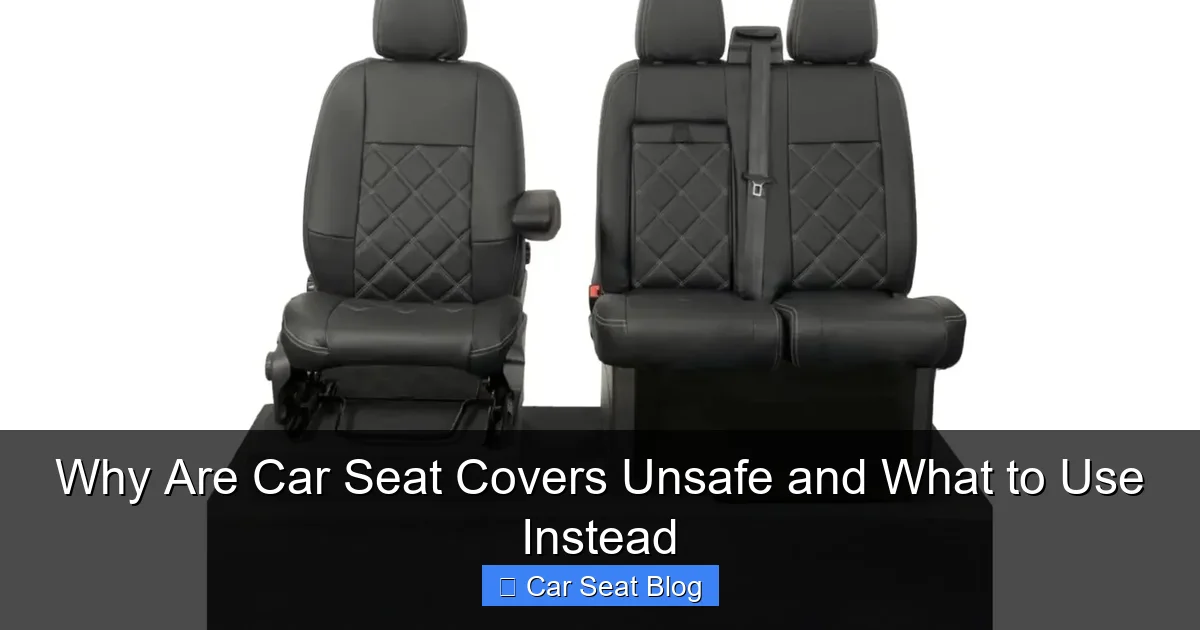
Visual guide about Why Are Car Seat Covers Unsafe and What to Use Instead
Image source: parkers-images.bauersecure.com
Before we dive into the dangers of covers, it’s important to understand how car seats are engineered. Modern car seats are rigorously tested to meet federal safety standards (like FMVSS 213 in the U.S.). Every part—from the harness system to the shell shape—is designed to work together in a crash.
Crash Testing Is Done Without Covers
Car seats are tested in crash simulations **without any aftermarket accessories**, including covers. This means the safety ratings you see are based on the seat alone. Adding a cover changes how the seat performs, and manufacturers can’t guarantee safety if unapproved items are used.
The Harness System Must Fit Snugly
A properly fitted harness should lie flat and tight against your child’s body—no more than one finger’s width of slack at the shoulders. Thick or padded covers can create bulk between the child and the harness, making it impossible to achieve a snug fit. Even a small gap can allow dangerous movement during a crash.
Side-Impact Protection Relies on Proper Positioning
Many modern car seats have built-in side-impact protection (SIP) wings that cradle the child’s head and torso. A bulky cover can push the child away from these protective zones, reducing their effectiveness in a side collision.
Common Ways Car Seat Covers Compromise Safety
Now that you know how car seats work, let’s look at the specific risks posed by aftermarket covers.
1. Interference with Harness Fit
The most common danger is harness interference. If the cover is thick or doesn’t lie flat, it can prevent the harness straps from lying directly on your child’s shoulders and hips. This creates slack, which can lead to ejection or internal injury in a crash.
Example: A padded fleece cover might feel cozy, but if it adds even 1/4 inch of bulk, it can make the harness too loose to be effective.
2. Blocking Ventilation and Causing Overheating
Some covers are made from non-breathable materials like vinyl or thick polyester. These can trap heat and moisture, especially in warm weather. Babies can’t regulate their body temperature as well as adults, so overheating is a real risk—even on short trips.
3. Obstructing Side-Impact Protection
If the cover extends beyond the seat’s edges or has extra padding on the sides, it can push your child away from the protective head wings. This reduces the seat’s ability to absorb and redirect crash forces away from your child’s head and neck.
4. Creating Loose Fabric That Can Become a Hazard
Loose or ill-fitting covers can bunch up or shift during a crash. This creates unpredictable movement and may even act as a projectile or entanglement risk.
5. Voiding the Manufacturer’s Warranty
Most car seat manuals explicitly state that using non-approved accessories voids the warranty. If your seat is damaged in a crash and you were using an unapproved cover, the manufacturer may refuse to replace it—even if the cover didn’t directly cause the damage.
What the Experts Say
Safety organizations like the National Highway Traffic Safety Administration (NHTSA), American Academy of Pediatrics (AAP), and car seat manufacturers all warn against using unapproved covers.
NHTSA Guidelines
The NHTSA advises parents to “only use accessories that are approved by the car seat manufacturer.” They emphasize that any modification—no matter how small—can affect crash performance.
Car Seat Manufacturer Stance
Brands like Britax, Chicco, Graco, and Clek clearly state in their manuals that aftermarket covers are not recommended. Some even specify that only their own branded accessories (like weather shields or footmuffs) are safe to use.
Safe Alternatives to Car Seat Covers
Just because covers are risky doesn’t mean you’re out of options. There are safe, effective ways to protect your car seat and keep your child comfortable.
1. Use Manufacturer-Approved Accessories
The safest choice is to use accessories made by your car seat’s manufacturer. These are tested with the seat and won’t interfere with safety features.
Examples:
– Britax’s “Weather Shield” or “Footmuff”
– Chicco’s “Car Seat Cover” (designed specifically for their seats)
– Graco’s “Travel Blanket” or “Sun Shade”
These products are designed to fit snugly, don’t interfere with the harness, and are made from breathable, safe materials.
2. Try a Car Seat Bib or Spit-Up Cloth
For spills and drool, a simple car seat bib (like the ones from Bumkins or Aden + Anais) can protect the harness straps without covering the seat. These are lightweight, easy to clean, and don’t interfere with fit.
3. Use a Lightweight, Breathable Blanket
Instead of a full cover, drape a thin, breathable blanket over your child *after* they’re securely buckled in. This keeps them warm without adding bulk under the harness.
Tip: Choose a blanket made from cotton or muslin—avoid thick fleece or wool in warm weather.
4. Invest in a Car Seat Protector Mat
If you’re worried about stains on your car’s upholstery, use a car seat protector mat under the seat. These are designed to catch crumbs and spills without affecting the seat’s installation or performance.
5. Clean the Seat Regularly
Many parents use covers to avoid cleaning. But most car seats have removable, machine-washable covers. Follow the manufacturer’s instructions to clean the seat safely and maintain its integrity.
How to Check If an Accessory Is Safe
Not all accessories are created equal. Here’s how to make sure what you’re using won’t compromise safety.
Step 1: Read the Car Seat Manual
Your car seat’s manual is your best resource. Look for a section on “approved accessories” or “aftermarket products.” If it says “do not use non-approved covers,” listen to it.
Step 2: Check the Manufacturer’s Website
Visit the brand’s official website and search for compatible accessories. Many list approved products by model number.
Step 3: Avoid DIY Modifications
Never sew, glue, or cut into the seat or its cover. Even small changes can weaken the structure or alter how the seat absorbs impact.
Step 4: Test the Fit
If you’re using an approved accessory, always test the harness fit afterward. The straps should lie flat, and you should not be able to pinch any webbing at the shoulder.
Troubleshooting Common Concerns
“But My Seat Gets So Dirty!”
Solution: Clean it regularly. Most fabric covers are removable and washable. Use mild detergent and air dry. For stubborn stains, check the manual for approved cleaning products.
“My Baby Gets Cold in Winter”
Solution: Dress your child in thin layers and use a blanket over the harness—not under it. Avoid bulky coats in the seat; they compress in a crash and create dangerous slack.
“I Need Sun Protection”
Solution: Use a window shade that attaches to the car door, not the seat. Avoid covers that block airflow or trap heat.
Final Thoughts: Safety First, Always
It’s natural to want to protect your car seat—and your car’s interior. But your child’s safety is far more important than a clean seat. Car seat covers may seem harmless, but they can silently compromise the very features designed to save your child’s life.
By choosing manufacturer-approved accessories, using lightweight blankets, and cleaning the seat properly, you can keep it in great condition without risking safety. Remember: **if it’s not approved by the manufacturer, don’t use it.**
When it comes to car seats, there’s no room for guesswork. Stick to what’s tested, trusted, and designed to protect your most precious passenger.

